Category: Featured

  • The Ultimate Guide To  Content Creation During COVID-19

    The Ultimate Guide To Content Creation During COVID-19

    Content is, and always has been, a driving force that powers marketing campaigns. And looking at the recent events, it is all the more important to drive feelings of empathy, trust, and transparency for your brand through your content creation during COVID-19. 

    The validation of this started midway through March, when the leadership across companies, like Freshworks, Zoho, Amazon, Adobe, etc., demonstrated first-hand the key aspects of empathy, trust, and transparency across their communications channels.

    Here’s how it helped. As soon as the news of the pandemic came out and a nationwide lockdown was imposed, the leaders came forward and assured their customers about their Business Continuity Plans. That helped them build trust and avoid customer churn.

    That’s not a one-time activity, however. You need to keep your customers and other stakeholders updated on how your business is trying to help them, what steps you are taking to resume operations post-COVID-19, and how you can help your customers during these uncertain times.

    This is key to customer relationships, and thinking long-term is the path most organizations are following. Also, a key part of this is your content engine, which must keep running.

    The current scenario brings to light some interesting possibilities. We will touch upon a few of them as we go along. You may be concerned about the relevance of your content, or there may be sensitivity issues. Yet, you want your content to be up-to-date. How do you achieve all this?

    As someone responsible for creating content, it’s crucial to adapt your content management strategies to the current situation. Below are key insights which should help you better manage your content creation during COVID-19.

    Let’s take a look at what you can do to create captivating content:

    Solutions to Power Your Content Creation During COVID-19

    1. SEO Pays You Back

    Business heads are searching for solutions to enable remote work, HRs are searching to digitalize their HR systems, and SMEs are looking out for digital solutions to keep their businesses running. Where do they search? Does your solution exist where people are looking for it?

    A key channel is Google, and SEO is the one thing you might have always kept at a lower priority, considering “it takes time.”

    But bombarding your users with Ads won’t work now. You need a solution that helps you attract users who have the intent to buy.

    But again, you say, the world is under lockdown and I am not selling, so why marketing?

    While most businesses have been thinking of surviving, those who have been successful in the past are now working towards thriving in the post-Covid-19 world. So, when everything goes back to normal, your business should be available online when customers start buying again. And since we know SEO takes time, now could be the right time to start.

    Here’s how to proceed:

    1. Do a content audit for your website
    2. Find 3-5 key searches which your users would search for, so your website has a higher chance of ranking
    3. Create a content calendar, add topics aligned with each keyword in the last step, and also add 4-5 more topics that revolve around each of these keywords
    4. Start creating long-form and engaging content around these topics

    The aforementioned process is called the Pillar-Cluster process. It was first strategized by Hubspot.

    This is also a perfect time for experimentation, and your SEO team should adopt a few new and robust SEO strategies. You don’t even have to wait until the market opens up again.

    2. Retaining Your Existing Customers

    A major part of content marketing is about targeting old customers rather than acquiring new ones. While your existing customers can bring you new ones through referrals, you need to retain your existing ones first. You can reiterate your relationship with existing customers and put some strategies in place for following up with leads when the economy opens up again.

    Take a step back and review your customer base. Put the data through various tools to analyze your customer following. There are various tools apart from your CRMs that you can use, like YouTube Analytics, Google’s Audience Retention Tool, Facebook Audience Insights, and Google Trends. Invest your time gainfully in exploring these tools and feeding your data into them. You will be amazed at the new insights you can get from this exercise.

    Remember, now’s also the time to take another look at various customer reviews on your company’s products and services. Take special note of the negative reviews. Are you missing something? How can you go the extra mile for your customers? What do your customers really want? Use this information while creating more relevant content and you will be sure to improve your customer engagement.

    3. Plan Content Marketing Campaigns

    Under normal circumstances, it’s difficult to get your content noticed. With the current COVID-19 scenario, this has become even more of a challenge. One of the key reasons for this increased difficulty is the flood of content in the digital space as a result of the market coming to a standstill. People are using their ingenuity to create captivating content revolving around COVID-19. Why should you not join the bandwagon?

    This is an excellent time to analyze marketing campaigns and restructure them in line with the current scenario. You can do this with a thorough post-mortem of your past strategies and plan an overhaul.

    Get your marketing team online and do a bit of brainstorming. A new idea can sometimes become a legend. For example, take the case of the “30-minute guarantee” campaign launched by Domino’s Pizza in 1973. This single idea turned Domino’s Pizza into a hugely popular brand, overnight.

    But that was the seventies. You need to create content to ride the wave of the current era and use the capabilities of being digital to reach mass audiences.

    4. Create Content Relevant to the Current Scenario

    Content creation during COVID-19 involves a thorough overhaul of your existing content. Relevance is the keyword here.

    You need to put out content that your audience can relate to. Your viewers need content that will add some value to what they do on a daily basis. For example, you can touch upon how time, which used to be such a precious commodity, has become more available today, and then go into the details of what people can do with the extra time they have on their hands.

    This is also a time when you need to ensure that you don’t create irrelevant content, as this can turn out to be counterproductive. For example, if you are posting content on social media, you need to realize that different social networks address different demographics.

    Furthermore, in today’s “copy-paste” culture, there is a lot of duplicates or similar content floating around. And this is something you want to avoid. Simply repeating what others are saying can do more damage than good.

    You can recreate your existing content and add new material that aligns itself with what is happening in the country and around the world. If you have an e-commerce company (for non, then it’s likely that your sales have plummeted or come to a standstill), rewrite your content and align it with the current scenario. Empathize with and relate to the circumstances that people find themselves in today. It is also important to avoid bombarding your customers with Ads since it can be considered insensitive.

    5. Engagement Through Competitions

    [For B2C Organizations]

    Everyone loves to participate in a competition and probably relishes the lure of winning a prize! Competing with others is also a great engagement activity.  So, this is a good time to launch new campaigns and competitions with rewards linked to your products and services.

    In a time when people seek new things to keep themselves occupied while being stuck at home, motivate them with some stimulating activities. Create competitions and interactive games that provide informative content through participation.

    However, do not lose sight of the fact that you are organizing these competitions to promote your brand. Hence, while planning these competitions, make them interesting and attractive, but avoid a hard sell.

    You can offer prizes in the form of free coupons for your products or services to be redeemed later. These will keep people engaged while reading your content or watching your videos and podcasts to learn more about your company.

    6. Intensify Monitoring

    Above all, you need to monitor the way your content is performing. Creating content, publishing it, and then forgetting about it can lead to disastrous results. At the very least, you need to monitor the feedback you get from your audience. Negative feedback can damage your brand image. If you don’t monitor your content, you won’t be aware of any negative feedback your content might be generating.

    Utilize monitoring tools that will give you an accurate picture of the way your content is being received. You can get a clearer picture of your customer’s preferences and behavior. Digital monitoring can also help you assess the bounce rates to see how much time customers spend on your website.

    Other than Google Analytics, there are many content monitoring tools, free and paid, which you can use – SerpStat, Netpeak Spider, Headline Analyzer, Cyfe, and Salesmate, just to name a few. Use these tools to monitor your published content on a weekly or monthly basis to tweak it and make necessary adjustments to your fresh content.

    Read More: 5 Reasons Why Content Marketing Is Important With Its Strategy

    Summing it Up

    In these challenging times, carrying out even the simplest tasks becomes complicated. Creating engaging content is not easy, and the difficulty level increased, given the present COVID-19 crisis.

    However, as we observed here, there has been an exponential increase in the internet audience, as India and several other countries have either been through several phases of lockdowns or are still under one. It is this increase in internet activity that you can use to your advantage to build up your audience with captivating content.

    So, how are you going to revamp your content creation during COVID-19? We have mentioned a few ways of doing it, but that doesn’t mean that you can’t come up with a few good ideas of your own.

    Don’t be left behind, and use your time during this crisis to create something meaningful that will reward you in the times ahead.

  • Know How You Can Improve Content Marketing for Gen Z Audiences

    Know How You Can Improve Content Marketing for Gen Z Audiences

    First things first, how is this blog relevant to you? Content marketing is getting a lot of attention lately. Many companies are focusing on creating quality content. Gen Z should focus more on content marketing as it can help in the long run.

    B2C Brands, read if:

    • You are targeting consumers below the age of 23yrs (born after 1996).
    • Your organisation hires talent from a similar age group.

    B2B Brands, read if:

    • You provide services to B2C companies targeting Gen Z.
    • Your organisation hires talent between 18-23yrs of age.

    Let’s start. Gone are the days when everything could be blamed on the millennials because there’s a new generation that people just seem to love to hate – Gen Z!

    They’re young, impatient, whimsical, and like every new generation, have an air of mystery around them that intrigues older generations.

    Despite all these things, there’s no denying that they’re the face of the future and that from a business perspective, they’re an important target audience.

    In fact, it is estimated that, Gen Z will make up about 32% of the world’s population, surpassing millennials.

    In India, especially, there is an extremely high youth population. Gen Z has been estimated to rise to 472 million. Hence, it is clear that customising your content marketing for Gen Z audiences will give you a very large customer base, and it is increasingly becoming the need for marketers across the globe.

    How Should Content Marketing for Gen Z Audiences Work?

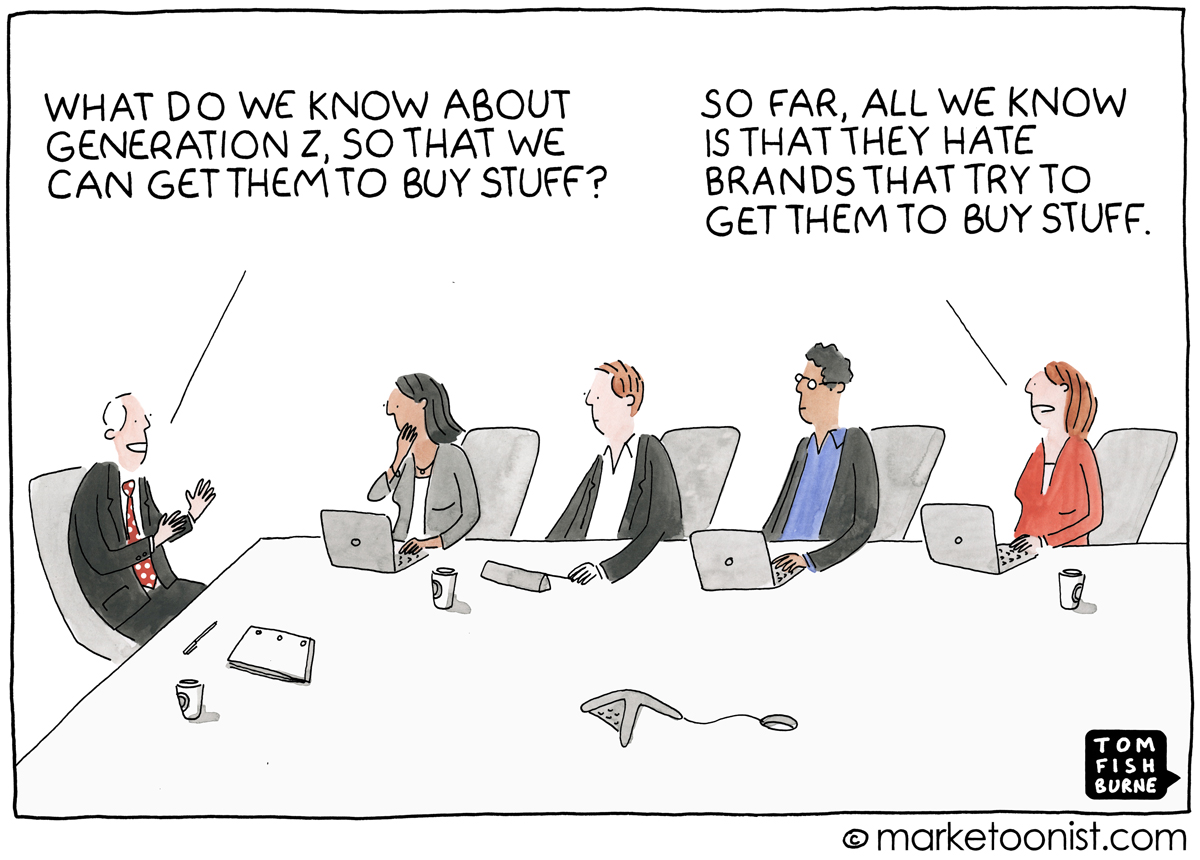
    They seem so far off as a generation that it appears impossible. All the things mentioned before about their restiveness are not exactly conducive to sales and it makes them difficult customers.

    img
    Image Source

    Targeting a Gen-Z audience is no walk in the park. It is difficult to hold their attention for long and they’re most likely not brand-loyal and would move on to the next best thing as soon as the opportunity rises. However, there’s no denying that they’re an important target audience. They’ve got strength in numbers and if you can get that on your side, you’re golden.

    So, how can you keep an ever-moving generation still long enough to listen to your pitch, and what can you do on your part to get them to invest?

    Here are 6 things you should keep in mind while formulating Gen Z marketing strategies:

    1. Be Where Gen Z’s Are

    The best way to reach this demographic is through online platforms, especially those that are primarily or entirely best accessible through mobile devices such as smartphones. It’s no secret that Gen Z makes the most use of mobile devices.

    In fact, even social media sites that are equally accessible through computers, as well as cell phones, get a lot more mobile traffic, not just from the under-21s but also from the general populace. For example, YouTube gets a large amount of traffic from mobile users.

    Similar apps including Whatsapp, Instagram, and Snapchat are very mobile-oriented. While marketing content online, these easy-access platforms should be prioritized.

    2. Prioritise Micro influencers

    Unlike big influencers who are unable to make an impact, micro influencers are the ones who are the most genuine and trustworthy source of information about a product, technology, or service. Here’s an example of an influencer with 2 million followers who couldn’t sell 36 t-shirts!

    Micro influencers are more authentic and lead to higher conversions and a better rapport with their followers. And when I say influencers, they are not restricted to Instagram. Trending apps or channels like TikTok, Snapchat, Ecommerce communities, and micro-video apps are redefining the role of influencers.

    2. What Content to Create?

    While doing content marketing for Gen Z audiences, your marketing strategy should involve creating content that overcomes the hurdle of Gen Z’s low attention spans.

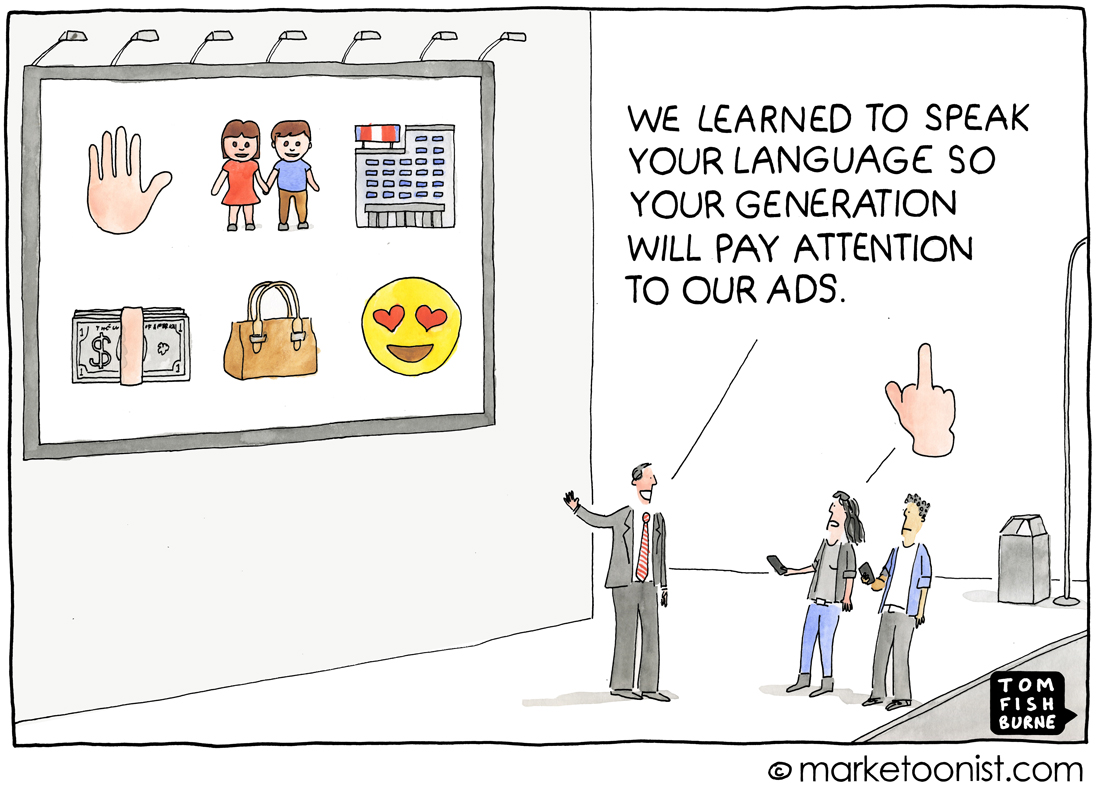
    Lengthy blog posts and descriptions won’t work as they did in previous generations. This generation is all about images, videos, and colorful graphics. The same information that is usually conveyed in a paragraph is much more likely to be noticed by your target audience if it’s in the form of a picture or a flyer.

    Similarly, with videos, less is more. Good graphics and animations will help, but brevity is key (it’s ironic that this is a 1500-word article about a target audience that can’t tolerate lengthy or drawn-out content, then).

    3. So, Should You Stop Writing Blog Posts?

    No way!
    85% of Gen Z say they are aware of ads in Google and most of them prefer ad-blockers.

    But at the same time, 71% say they discover new products using Google, which means they search and prefer authentic content that ranks on top.

    So, here’s the thing, attracting Gen Z and taking care of SEO can be done by adding relevant visuals to your long form content and enhancing the overall experience on the platform.

    Gen Z does not have purchasing power like millennials but they surely have influence and as a brand, you should tap into it.

    4. Be Creative on Social Media

    A good way to engage a Gen Z target audience is to post a video or photo to Instagram stories and add a call to action (CTA), usually ‘swipe up. The content of the video or the picture caption should spark the curiosity of viewers and make them want to swipe up to get more details.

    One person who uses this effectively is Matthew Hussey (@thematthewhussey) who is a popular relationship and dating coach.

    He adds a ‘swipe up’ CTA which leads to either his blog or his Instagram feed, where he puts up lengthier posts giving relationship advice. The captions on his Instagram stories incite curiosity.

    As you can see, the story uses:

    • An eye-catching image.
    • A topic that is interesting to Gen Z (relationships and relationship myths)
    • Attention grabbing words like ‘it’s time to get really honest and ‘blow apart relationship myths’.
    • A clear call to action ‘swipe up.
    • Effective use of gated content, i.e., he makes sure they don’t have access to the material unless they swipe up and go to his Instagram post.

    Another option could be memes, and since they are all the rage among the youth, it doesn’t hurt to tap into one’s humorous side and add memes and other jokes into the mix of Gen Z marketing strategies.

    Try not to look like you’re trying too hard though, because that could drive them away rather than spark their interest.

    5. Make it Friendly, Human, and Humorous

    You need to be authentic and have a two-way conversation if content marketing for Gen Z audiences must work. If they relate with your persona, it is only then that they will follow you and buy from you.

    Two-way communication isn’t limited to the online experience only. Extend it to your offline interactions making it a seamless brand experience. With seamlessly, comes the word consistency. As a marketer, you might have come across the word “omnichannel”, and this is what works for Gen Z.

    Gen Z is more expressive emotionally than earlier generations and that makes it more important for you to make your brand more human. They trust the face more than they trust the name!

    And while you are making it more human, you can’t miss humor!

    Gen Z has a different and quirky form of humor and your brand needs to understand that. But how do you do that? Find an 18yr old around you and spend some time asking him to show his favorite content on YouTube, Instagram, and other platforms. You’ll be amazed to see the content they watch.

    When it comes to language, the content that is marketed to Gen Z should be brief, concise, and capture the gist of your business and what it does in as few words as possible.

    Content marketing for Gen Z audiences
    Image Source

    6. What’s in It for Them?

    A common question with any target audience when they have marketed a product is, “What’s in it for us?” and Gen Z is no different. Being the most difficult of the generations to be convinced by a brand to commit to a product or service, you need to have a good reason to sway their opinions in your favor.

    Customer testimonials and genuine product reviews are a good way to convince a Gen Z audience about the authenticity of what you have to offer.

    If you can strike a brand deal with a celebrity, social media influencer, or YouTuber, it’s even better. Unboxing videos are very popular among youngsters and brands targeting Gen Z should take note of this.

    Another thing that acts as an incentive is brand ideals and values. Gen Z is the most socially conscious generation. If brands promote and stick to ideals such as cruelty-free production and eco-friendly practices, they are more likely to be loyal and continue to use the products and services.

    These ideals are what make a brand different in a market where several companies are offering the same thing, with a plethora of cheaper alternatives.

    Like the millennials before them, they are very socially conscious and will not hesitate to take a stand and stop supporting organizations if they aren’t ethically sound. Recently, the American fast food chain, Chic-Fil-A faced heat for donating to anti-LGBTQ organizations. It is the younger generation that has taken note of this and boycotted this restaurant chain.

    There is an overwhelming need among Gen Z to be able to relate to the brands and businesses that they choose to support. In a cutthroat economy where they are spoiled for choice, tapping into this element is what will make you stand out to this fast-paced generation.

  • How to Place Your Content Requirements Before Hiring Freelance Content Writers  to Reduce Revisions

    How to Place Your Content Requirements Before Hiring Freelance Content Writers to Reduce Revisions

    With the rise of freelance writers who advertise their services online, business owners these days are spoiled for choice. Hiring someone to write (or perform any task) has never been simpler.

    However, the convenience felt when hiring freelance content writers comes at a cost. Ordering content is easy, but how often are we really satisfied with the delivery?

    Some things get lost in translation. Writers may not understand what is expected of them and this leads to you ending up with a piece that does not meet your content requirements.

    Of course, there’s nothing like sitting someone down and explaining exactly what you need to them point-by-point. But since most freelancers work remotely, face-to-face interactions (although ideal) are not always possible.

    Working with freelancers is an entirely different ballgame than working with your regular, full-time employee.

    Don’t fret, though. This article will walk you through ways by which you can ensure that the content you receive portrays your vision to the fullest and will reduce the confusion, explanations and rewriting that comes with working with freelancers.

    This includes on boarding tips that can be applied to the process of hiring freelance content writers so that the overall process runs smoothly.

    Here are some things you can do on your part so you can get the best of freelance content writing (or at the very least, get much better first drafts).

    How to Get the Best Results When Hiring Freelance Content Writers

    1. Specify Your Content Requirements

    While hiring freelance content writers, it is important to mention whether the content is for a blog, social media platform, a company website or an e-commerce website (as a product description). This will determine the length of the article and the type of language it will contain.

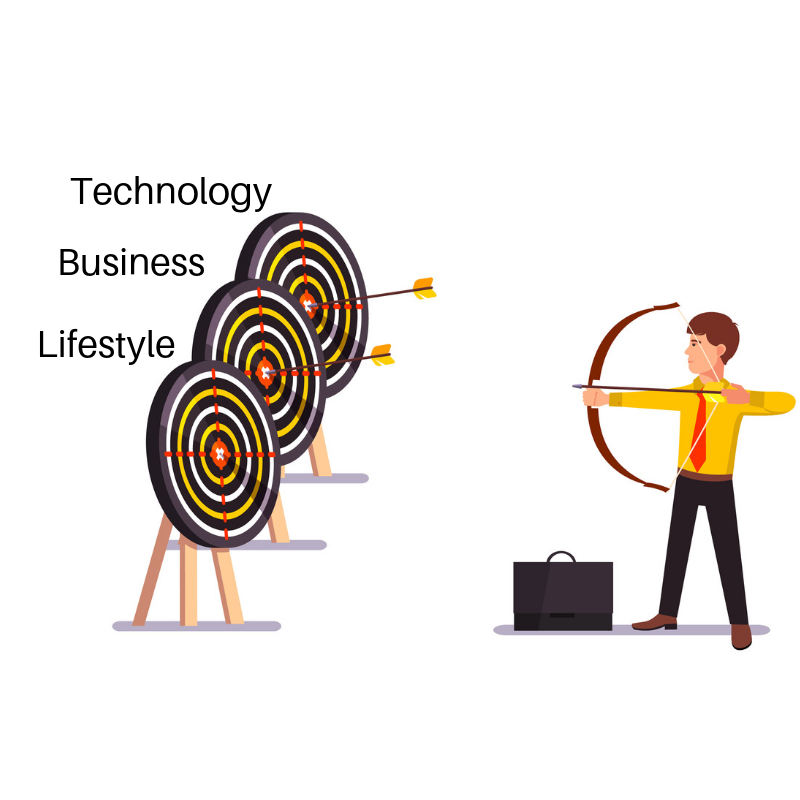
    For e.g.: A company website article will tend to be lengthy, formal, and detailed. However, a social media post will be brief, informal, and contain attention-grabbing slang, buzzwords, or SEO language. Broadly classify the content you need into genres or topics, e.g. entertainment, food & beverage, lifestyle, business, software & technology, etc. Adding these domains will let writers know whether they are suited to the task or not. You will be more likely to receive candidates who have more knowledge about the subject and the genre of writing.

    Hiring freelance content writers

    As for you, by looking at writing samples and areas of specialisation and interest listed by the candidates, you will know if the person is right for the task at hand.

    2. Brand Guidelines and Other Details

    Don’t hesitate to go into great detail while describing content requirements and brand guidelines. After all, you deserve to get your money’s worth! At the same time, make sure you don’t go off on a tangent.

    Ensure that all relevant points are covered and that what you mention can be used by the writers to build on the piece.

    E.g. If the task is to write for the ‘About’ page of a company website, you would need to provide details such as the services offered by the company, names and backgrounds of founders, objectives of the organization, etc.

    Company details when hiring freelance content writers

    Remember, freelance writers don’t know your ideas the way you do. You may know your website, services, and products like the back of your hand but the writers you hire are completely new to these things. So, be sure to provide them with enough information and proper brand guidelines to work with and avoid any ambiguity. Ensure your requirements are put down in a way that will not elicit a large number of doubts and follow-up questions. They should be straightforward and not open to subjective interpretations to make the overall process of hiring freelance content writers easier.

    3. Provide Examples

    When freelancers join a particular project, it is important to give them a feel of the content that has proved to be successful in the past and set them on the right track to creating more such content. Rather than arbitrarily coming up with a framework (which is not advisable because it’s always possible that you realise that certain points should be added or deleted), a better way to do this is provide sample articles for the freelancers to go through.

    These could either be work that writers have done for you in the past that you feel are suitable prototypes or articles on other websites whose writing style you would want them to emulate and derive inspiration from. Provide them with inputs on how they can use these pieces for inspiration and suggestions about new material they could add.

    After taking all of these measures to put forth your requirements, an additional measure that can be taken is asking for a writing sample on a topic relevant to the project undertaken by you. This will tell you if the candidate is able to meet your needs and is covering the topic and its aspects in a manner that is up to your expectations and does justice to the subject.

    After reading all of this, your views on the world of freelance writers must have changed quite a bit. Who knew that something that on the surface seemed so easy, convenient, and straightforward could be so time-consuming?

    Then there’s the question of payments. Since they’re freelancers, they’re not exactly on your usual payroll. Their payments are according to specific tasks and projects and need to be kept track of separately. How much does one pay freelancers anyway?

    When you hire freelancers, it creates a whole new list of things that you suddenly need to micro-manage.

    You’re probably thinking, how’s this any less time-consuming than managing one of your full-time team members?

    And the truth is, it’s not. Unless you’ve got help, that is.

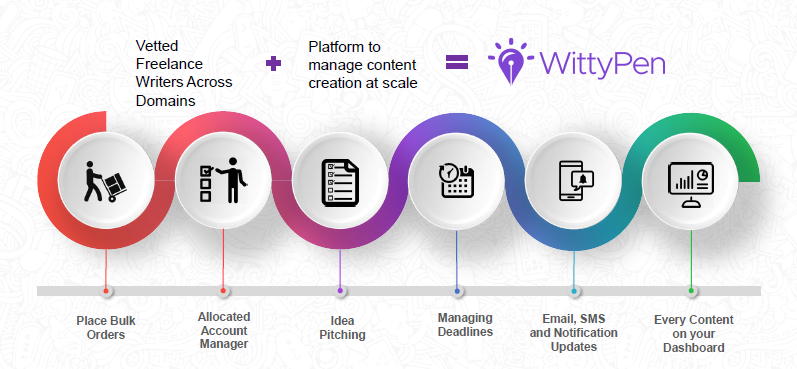
    WittyPen makes sure you can enjoy all the benefits of hiring freelancers without having to worry about the hassles of on boarding them, providing brand guidelines,and tracking progress.

    Our platform allows freelancers to register as writers and submit sample articles in domains of their choice. We select them on the basis of their writer applications and then assign them tasks and projects according to how competent we deem them to be to write about various subjects.

    Once tasks are assigned, the full information (as provided by business owners) is conveyed to the writers by the WittyPen team members. We track progress by setting deadlines and allowing writers to save drafts where we keep a record of the word count achieved for a particular task.

    We also help with SEO management and run plagiarism checks on each piece written.

    Apart from that, we strive to pay safely and in a timely manner.

    Payments are released to writers every week and are only done once the sample is approved, ensuring that you are fully satisfied with what you have received. We provide 2 revisions per content piece in case we missed something or you want any changes made. Your complete satisfaction with the content is of utmost importance to us.

    As a platform, we bring order to the chaos that is inevitable when you hire freelancers and strive to make it the best possible experience for both freelancers as well as business-owners.

    Seems too good to be true, doesn’t it?

    It’s a win-win situation. We act as the buffer between freelancers and business-owners, with both parties having a number of benefits.

    We ensure maximum benefits for both freelancers, as well as business-owners. The writers are constantly given work and it is ensured that you get the best content available for your brand from writers who are best suited to your needs.

    Ordering content has never been easier. We ensure that all deadlines are abided by and that your content reaches you within 5 business days.

    Sounds good? It functions even better.

    Sign up on WittyPen and say hello to best-quality content.

  • How Agencies Should Sell Content Marketing To Clients

    How Agencies Should Sell Content Marketing To Clients

    Having worked day and night in the content industry, I can tell you one thing for sure – Content promises to be huge as we move ahead. Today, in almost any kind of marketing, content is an essential.

    I am not denying the importance of traditional marketing tools though. But let’s face it – they have to be backed with great content. A recent research from CopyPress says the same, that almost 84% of the marketing agencies believe that content is going to be the most important factor defining the success of clients’ marketing initiatives in the coming years.

    I am sure you belong to that 84%, and hence, realise the importance of content and content marketing.

    But What’s in It for You?

    When you are leading an agency or any vertical, the most crucial aspect of your performance depends on the P&L. For content marketing to convince you and other stake holders in your agency, it should put a direct and positive impact on your P&L.

    Let’s see how that happens:

    1. Recurring Revenue

    Content Marketing never ends. Once you start creating content to engage with your customers, it will somewhat become a routine for you to add value and get more users. Also, the effect of content marketing greatly flourishes with time, something that no business wishes to avoid.

    The consistency of content marketing brings forth a recurring business to you for building an ongoing revenue stream for your content marketing agency services.

    2. Opportunity to Diversify & Experiment

    Blogs, Videos, Ebooks, Infographics, and more, all come under “Content”, bringing with them huge opportunities in terms of topics and themes. Since content becomes the fuel for any content marketing campaign, the opportunity to pitching multiple projects grows significantly.

    This not only enables you to build better case studies, but also allows you to experiment and get the creative best out of your team.The measure of creativity and impact of your marketing campaigns will help your agency grab Awards and New Clients.

    3. Impacts Your Clients Bottom Line

    There isn’t a better way to retain clients than by making profits. Content marketing helps your clients get higher ROI, thereby improving their bottom line. Content marketing when done consistently adds lifetime value to your customers which improves client relationships and retention.

    But how do you convince your clients of that? And, most importantly, how do you sell content marketing to your customers?

    Well, why not start by telling them the benefits of it.

    How Beneficial is Content Marketing for Your Customers?

    Now, if you were to explain what is content marketing to your customers, how would you do it?

    Content Marketing is all about driving sales in exchange for giving customers what they want while they are searching for it online.

    So, the objective for the brand is to be visible on search when customers are looking for solutions in that niche. To achieve this, businesses have to get into content marketing.

    Let’s look at some of the key benefits:

    1. Google ? Content

    The only way for Google to keep earning revenue is by helping people find what they are looking for. If you go ahead and research more about what best marketers have to say about ranking high on Google, you will find that everything boils down to content.

    However, creating content is not the ultimate goal. Your brand content should be value driven and optimized for user intent rather than keywords. To be specific, 75% intent and 25% keywords; as recommended by Rand Fishkin.

    2. Helps You Grow Sales ?

    It is very common for Sales teams in various organisations to complain about the quality of leads shared by the Marketing department.

    Let’s dig a little deeper into this. Consider you are a salon owner trying to find ways to grow your business. You come across an appointment scheduling tool, and plan to signup and explore further. Say you are still exploring, and the sales team suddenly reaches out? Will you buy? No.

    A user goes through a buying journey, which includes

    Awareness>Consideration>Decision

    After a user is made aware of the problem along with the solution, they tend to research more about it before taking a final decision. This is where content comes in and helps your brand gain trust and credibility.

    You can have a process which depends on the user’s interaction with your brand and impacts the Lead score.

    Here’s the thing, if your user is aware of your offerings even before your sales team reached out to them, the chances of conversion are significantly higher.

    3. Outbound is Difficult to Execute at Scale ?

    Cold emailing is difficult but equally inevitable if you want to drive sales in early stages of your business. But when your customers have reached a certain scale, you can’t depend on outbound emailers to generate leads.

    You need a channel that helps you get recurring leads and has a compounding effect overtime. Content Marketing does that for you.

    You don’t believe me?

    Inbound leads generated through content marketing have a conversion rate of 14.6%, while the ones generated through outbound campaigns have close to 1.7% conversion rate (Says HubSpot).

    4. Not on the face of Customers ?

    Ads are annoying. Period!

    Why sell when you can educate and get better outcomes?

    Adblockers are on the rise for good reasons and this makes it an opportunity for your brand to create content which is relatable and drives engagement.

    Your customers are smart and they research a lot before making a decision to buy. So, if your product is more experience driven or in B2B, content is the only way to gain trust and impact on the purchasing decision.

    Let’s consider it from a ROI perspective.

    Say you spend $2000 a month to generate 100 leads, what happens next month? You have to spend $2000 again. Consider the scenario after 6months. Will you get any leads if you stop spending on ads?

    On the contrary, take the case of Content Marketing, when you stop creating content does it mean you stop getting leads for the content that was performing well earlier?

    Content Marketing has a compounding effect with ROI increasing over time provided you keep up the consistency.

    Irrespective of the many benefits that a strategic content marketing plan can offer, there is still a lot of resistance from clients to try it out.

    Although overcoming objections from clients might seem like a daunting task, it is definitely possible.

    So what can you do about it?

    What Stops Your Customers from Approaching Content?

    Irrespective of the fact that content strategy can be instrumental for better business prospects, a lot of the customers are still hesitant in terms of content approach.

    Among the several reasons I’ve noticed for this behaviour in the recent past, the main ones include-

    a) Takes Too Much Time to Show Results

    In a world of instant gratification, expecting results immediately is quite natural. However, content marketing is a slow and strategic process that requires patience for the right results.

    As an agency or media consultant, you need to make the customer see the importance of giving enough time to content strategy for it to show the desired results. Similar to any sales conversion process, it is essential to consider mapping the content accurately with the customer journey and your sales process for effective results

    b) Perhaps the in-house Team is Sufficient

    Considering the fact that content creation & execution is a personalised process, a lot of clients prefer to keep it in-house.

    The reason why you as Agencies not only survive but excel in their marketing campaigns is because of the creative talent.

    Creative people prefer working for multiple brands with diversified problem scenarios and usually avoid sticking/working with a single company. You can use this credential as a means to convince your clients. The creative talent will enable them to get the required ROI and also stand out in front of the target audience.

    The other set advantages come in the form of leveraging your expertise across functions such as SEO, marketing automation, creative design, etc., which can be easily de-prioritised in case it is kept in-house.

    c) You probably don’t Understand my Business

    This one is probably one of the most difficult ones to overcome as clients are of the opinion that an outsourced agency has no knowledge of their business whatsoever.

    In such cases, you need to assert the client’s expertise and let them know that the process of content strategy is going to be a collaborative effort heeding to the client’s inputs at every stage. The client needs to be assured that they will be part of the project right from ideation till execution along with subject matter experts from the industry the client operates in.

    d) You won’t be Able to Understand What We Want

    A lot of clients worry about the authenticity of the content and effectiveness of the execution process with an outsourced agency. The need is to explain the process and approach to quality content and it’s strategy to the client starting with the basics. This will convince your client of your ability to bring desired & profitable results for the business.

    How Can You Effectively Sell Content Marketing to Overcome These Challenges?

    If you are wondering how to address these challenges, these steps can be helpful:

    a) Offer the Content Marketing Expertise

    Ensure that the content strategy solutions you provide as an agency are customised to individual clients’ needs. Make sure to use your expertise by building a strong content portfolio including blogs, email content, social media updates, digital press releases, newsletters, etc. in order to be able to manage the content marketing piece well for the client

    b) Prioritise Reputation Management for Client Business

    As a marketer representing the client, you should have the ability to bring forth better customer experience, efficiency, speed of service, creative marketing tactics for reputation management, strategic brand building, and targeted growth of the business.

    Leverage your expertise in various marketing domains including targeting website traffic, SEO, etc. to deliver the desired results in terms of specific business requirements.

    c) Offer the Knowledge of Integrated Marketing

    Marketing today is a different ballgame altogether with a bouquet of functions. Since clients/businesses don’t have time and or expertise in the segment, you need to use your skills to bring the perfect mix of technology, design, and brand know-how to build a strong game plan for all the marketing functions including content building, market segmentation, advertising, SEO, and satisfactory customer experience.

    d) Use Solid Data Analysis and Research Skills

    As an agency representative, you should be able to offer strong research/analysis skills to gain a clear competitive advantage for the client’s business. You should be able to offer a detailed analysis of the current industry trends, competitors, and local markets along with the expertise of various tools and applications to effectively visualize data trends and patterns to help businesses identify the exact problems and design appropriate solutions.

    How to build Content Marketing Capability in Your Agency?

    If you are convinced enough about the benefits of content marketing or probably can foresee some customers adopting it in their businesses, then you should worry about the deliverables.

    The leadership team in the agency will not wish to risk enough for an unexplored vertical making it difficult to role out the offering. While that definitely makes sense from a business perspective there has to be a way to execute by not risking it all.

    What’s the requirement to make it possible? People.

    Let’s divide them as per their roles:

    1. Client Servicing
    2. Strategy heads
    3. Content Creators(Writers, Designers, Video Makers etc.)

    When you start a new vertical offering within an agency, it is always good to shift a few experienced people from other verticals which have now been standardized in processes. They not only perform well, but are also capable of leading these new verticals. In this case you should consider shifting people for Role 1 and Role 2. i.e.

    1. Client Services
    2. Strategy heads

    Doing this saves you a lot of time in hiring and training executives on client handling, core values, and processes of the agency. But what limits the execution and scale is Role 3, Content Creators. Here’s what you should do:

    1. Don’t Hire Fulltime, Hire Freelancers

    Hiring fulltime employees not only takes more time but it also adds complexity and limits your scale. Modern agencies use right tools and create processes to work with people across the globe!

    When you hire freelancers, you can scale your expenses up or down depending on the client work, but in other cases, you start with the payroll from Day 1.

    Freelancers are creative people who don’t believe in boundaries to deliver great work. Avoiding this scenario can lead you to loosing out on huge talent potential which might have been the right fit for your audience.

    But would it lead to micromanaging teams and multiple revisions? Not really. When we work with our agency partners at WittyPen, we manage teams, content creation, editing, timeline management, and everything else.

    The agency only needs to talk to a single individual from our team, that’s it.

    WittyPen Platform

    2. Determine Goals & Needs

    The best way to manage projects and client expectations is to align ourselves with the goals expected from content marketing. These goals help to not only manage the project flow, but also helps freelancers understand the objectives and align the content language, tone, design, etc. with the desired goal.

    When you personalize content creation along the lines of a desired goal, the expected ROI is much higher resulting in reduced overall friction in project timelines.

    3. Create Briefs

    Since it is you who understands the customers, creates strategy, and manages the team of freelancers, you should create a descriptive brief. When working directly with freelancers or platforms like WittyPen, the brief becomes the starting point and if all expectations are not put down on paper, it will lead to chaos.

    This is the usual scenario that happens with internal teams too, where you have to diligently create briefs. Therefore, while working with freelancers you should give this special priority.

    Once you are done with hiring your team of freelancers and allocating their respective responsibilities, all you need to focus on is managing the strategy level execution and scaling it with the business requirements of the customers.

    To Conclude it all

    Surviving in a fiercely competitive online marketing segment with aspirations of acquiring a solid client base and retaining it successfully is quite an uphill struggle for marketing agencies. The need is to approach the process of content selling strategically, both in terms of conceptualization and execution.

    If approached in a systematic way, it can be instrumental in ensuring a constant flow of revenue and robust customer base for both your agency and the client’s business.

    If you make sure to understand the client’s expectations thoroughly followed by co-creating a strategic content marketing plan along with them, both success and a positive ROI will follow.

  • How to Increase Brand Awareness With Effective Content Writing and Distribution

    How to Increase Brand Awareness With Effective Content Writing and Distribution

    It’s sheer psychology at play that people are more inclined to buying from brands they know about than from those they have not heard about.

    Imagine walking into a plush multi-brand clothing store.

    You see apparels from the best of brands on display. You recognize some brands and it’s a normal tendency to walk up to those sections where you see the brands you know.

    The brands you haven’t heard about may actually have a better selection to offer for a lesser price but you’d probably look through them because you hold the ones you recognise in higher esteem.

    The same is the story online. With myriad brands vying for your attention in the online marketplace, growing brand awareness is the key if you want to get noticed. And, how do you build brand awareness?

    Content writing and distribution is the answer. But first, let’s get down to the basics.

    What is Brand Awareness?

    Aren’t you instantly able to recognise some brands just by seeing their logos? The answer would be an affirmative.

    Just yesterday, you drove down to a busy road and noticed a big yellow ‘M’ staring at you from a distance. Your eyes gleamed up because you knew McDonald’s was approaching.

    Likewise, you are able to instantly identify the manufacturer of cars by just glancing at their logos.

    Have you seen the social media hits by Amul?

    Amul Hit

    Or new Mr. & Mrs. webseries by Girliyapa? If yes, Bosh received the brand awareness worth 14M video views for it’s Dish Washer, a new offering in India.

    Mr&Ms Bosh

    Recalling and recognizing a brand when you think of any product or service associated with it or when you look at its logo is called brand awareness. It is the level of familiarity consumers have with a brand like its name, characteristics, logo or anything else that is strongly associated with it.

    A purchase decision is strongly influenced by a consumer’s ability to recall a brand. Brand awareness is also the primary consideration when it comes to ascertaining consumer behaviour, strategy development, advertising management, and brand management.

    When you grow the awareness for your brand, you are helping a consumer or a prospect get acquainted about it or its offerings. Building a brand awareness campaign strategy is critical especially during the early days of a brand’s existence and growth.

    What Is Content Writing and Distribution About?

    The success of a brand is not only because of a brilliant idea no one else could think of. Also, pumping in money to boost ads to your customers is the clear solution.

    Well, here’s the deal.

    Creativity is the essence.

    While it is critical to have a content strategy in place, it is creativity that actually helps you stand out in the crowd and get noticed. You don’t need to copy what other brands are doing to get noticed. It probably worked for them for some xyz reasons but that doesn’t mean the same methods can work for you.

    Step into the shoes of your potential customer and think what kind of content you’d expect from a brand such as yours.

    Does anything about it excite you?

    What would you look forward to from its offerings?

    Does the logo or any of its characteristics intrigue you enough to want to pause and catch another glimpse?

    The logo looks pretty out-of-the-box. How does it relate to the brand in question?

    So much for the creativity of content and ensuring your message gets conveyed the right way to the target audience. Next, the distribution of content is important.

    There’s no point in writing amazing content if it doesn’t reach your audience the right way. Content distribution needs a strategy too. You need to know whether your content is reaching the right audience. If you want to increase brand awareness or get ROI on your content, you need to push it on to the screens of your relevant audience.

    What posts should go where and how must you time each to maximise eyeballs should all be a part of your content distribution strategy. There are three content distribution platforms – owned, paid and earned.

    • Owned Media – channels controlled by your brand like your website, mobile site, blog, social media accounts
    • Paid Media – channels you pay for to get a leverage like paid search, display ads and sponsorships
    • Earned Media – when customers become the medium for boosting your brand awareness such as word of mouth publicity and viral content that spreads (shared) like wildfire.

    While owned and paid media mean an investment, it is earned media that has a higher potential for propelling engagement and boosting traffic.

    This is exactly the point I am trying to make about interesting/creative content scoring high.

    10 Best Ways That Answer ‘How to Increase Brand Awareness’

    How to increase brand awareness

    Companies today have building brand awareness as one of their primary goals. They want their target audience to know sooner about them than in the normal course of things. Read on to know what can help you achieve your goal!

    1. A Strong Narrative Works!

    Give a good thought to the content and the message you intend to convey through the voice of your brand. If it appeals to or touches the cords of your audience, your job is half done. Such content is more like to be shared on various platforms than any other.

    2. Guest Blogging Gets You Traffic

    Two-way content partnerships can bring your brand to the forefront and gets your word out faster. By writing guest posts, you are actually leveraging the audiences of other sites to build your brand awareness. Writing guest posts on the blogs or media sites your prospects visit is a great way to grow your brand.

    3. Using Instagram Stories to Get Eyeballs

    Posting stories on Instagram is a rage today in both B2B and B2C segments. It’s the best way to provide targeted content to the audience and grow your brand awareness. Showcase your products or services in a sequence of Instagram stories that stay for a 24-hour period before getting wiped out automatically. Use features like Boomerang and slow motion to draw attention to your posts.

    4. Make Sharing Quick and Simple

    The advent of social media has made it possible to increase brand awareness like never before. Your audience will not shy away from sharing what they like to read. Use share links generously in your content to help your audience and followers share it in their networks quickly. Give them a variety of options of sharing it on chat apps, social media, and email.

    5. Infographics Instantly Catch the Eye

    The best way to capture interesting data and statistics and present them to your audience is with the use of infographics. Being a powerhouse of content, these pictorial depictions are educative and make it easy for the audience to absorb information. In addition, they are most likely to attract shares on the social media. If your patrons or prospects like and follow your infographics, it automatically becomes a part of your brand identity.

    6. Paid Social Advertising

    Social media platforms like Facebook and Twitter have a mindboggling reach and have a great potential of getting your content across to the target audience. Sponsored advertisements on Facebook and Twitter need you to shell out money but they still work economical on the budget. Manage the way your ad shows to the audience, set the preferences and review the metrics periodically to gain valuable insights into audience behaviour.

    7. Cut the Sales Pitch and Metamorphose into a Valuable Resource

    If you have the knowledge and expertise, why not share it with others and add value and credibility to your brand? If you can become a trusted resource for your audience, you’ve come a long way in your content marketing efforts. Gone are the days when marketers could use a cut-and-thrust sales pitch in their content. In the current times, you have to provide a value addition to your buyers and prospects.

    8. Initiate Promotional Partnerships with Other Brands

    Starting a promotional partnership with a brand that is in some way connected to your offerings in the supply chain can actually skyrocket your brand awareness. However, you must choose your promotional partners wisely, making sure it adds value to the purchase decisions of your clientele.

    9. Contests on Social Media

    Social media is a craze among people of all age groups and people spend a lot of time surfing through the feeds and often contributing to them. If it’s a contest, they are more likely to be game to participate in it. Use your social media channels to create contests and engage your audience.

    When someone from your target audience submits a photo or video and his/her friends vote for it, you are actually engaging not just your followers but also opening doors to new connections.
    Sounds like an awesome idea, eh?

    10. Sponsor Public Events

    Quite an effective way to create brand awareness! Sporting events, charitable events or social fundraisers are the best places to put your brand in the spotlight by using your company logo and name for a contribution in cash or kind.
    Now, you may ask what role content writing has to play in sponsoring such events? Well, it does have. Post about your contribution as updates on social media and reveal your philanthropic side to your target audience by telling them about such acts of goodwill. From your existing customers, the word about you is very likely to spread to others.

    In Conclusion

    With so much competition in the online marketplace, it’s important to use content as a powerful tool to get noticed. People are not interested in reading content with a preaching tone or one that carries advice they already know.

    Get creative.

    Use catch-phrases and come up with interesting jargons that have the ability to trend on social media channels. When such jargon becomes synonymous with your brand, it only means the brand awareness strategy you have been employing is successful.