Category: SEO Strategies

  • Top 7 AISEO Agencies for 2026: Balancing Human Creativity & AI Speed

    Top 7 AISEO Agencies for 2026: Balancing Human Creativity & AI Speed

    AISEO is a hybrid SEO approach that combines AI-driven research, creation, and optimisation with human-led strategy and editorial oversight. This guide reviews the 7 Best AISEO Agency options for 2026, highlighting teams that balance AI speed with quality, trust, and search performance.

    You check your analytics and something feels off. Rankings are shifting, traffic is uneven, and the old playbook no longer works. That’s becoming common in 2026.

    Search now rewards real understanding, not just speed or volume. While 74% of new web content includes AI-generated elements, only a small share performs well without strong editorial guidance, showing why human oversight still matters.

    That balance is what AISEO is about: combining human insight with AI speed to create content that performs and earns trust without sounding generic.

    The problem is that many agencies miss this balance. Some over-automate, others barely use AI at all. This guide explains what AISEO means in 2026 and reviews the top 7 agencies that get it right by aligning search performance with authentic, high-quality content.

    Table of Contents:

    1.  What Is AISEO? Defining the Future of Content & Search

    2.  Our Ranking Methodology: What Makes an AISEO Agency Stand Out?

    3.  Best AISEO Agency in 2026: Top 7 to Consider

    • Wittypen
    • MarketMuse
    • PageTraffic
    • Clearscope
    • Writesonic
    • Scripted
    • SEO.ai (and partner agencies)

    4.  Wittypen’s Unwavering Commitment: Managing AI for True Value

    5.  Choose an AISEO Partner That Puts Strategy Before Speed

    6.  FAQs

    What Is AISEO? Defining the Future of Content & Search

    Today, 86% of SEO professionals already use AI for tasks like keyword research and optimisation, reflecting how deeply AI is embedded in modern SEO while still depending on expert guidance to be effective.

    AISEO isn’t about replacing human writers or strategists; it’s about augmenting their capabilities to deliver greater efficiency, sharper insights, and more meaningful results.

    In 2026, a true AISEO approach involves using AI for:

    • Hyper-efficient Keyword Research: Identifying hidden opportunities and long-tail keywords at scale.
    • Intelligent Content Brief Generation: Automating the collation of competitor data, ranking factors, and semantic entities for comprehensive outlines.
    • Enhanced Content Creation: Using AI to generate drafts, refine language, summarise research, or even brainstorm ideas, significantly speeding up the initial writing process.
    • Advanced On-Page Optimisation: Utilising AI to analyse content for E-E-A-T signals, readability, internal linking opportunities, and semantic relevance, ensuring it aligns perfectly with search intent.
    • Performance Analytics & Adaptation: Using AI to continuously monitor content performance, identify trends, and suggest real-time optimisations based on user behavior and SERP changes.

    Crucially, AISEO always retains a vital human element.

    The best AISEO agencies understand that while AI provides speed and data, human strategists, domain experts, and editors are indispensable for injecting genuine experience, creativity, critical thinking, ethical oversight, and brand voice.

    Our Ranking Methodology: What Makes an AISEO Agency Stand Out?

    Our evaluation for the top AISEO agencies in 2026 focuses on their ability to create this seamless blend of human and machine. We assessed agencies based on:

    • Strategic AI Integration: How deeply and intelligently they weave AI into their workflows, not just as a superficial add-on.
    • Human Oversight & Expertise: The quality of their human teams (strategists, writers, editors) and their role in guiding, refining, and verifying AI outputs.
    • Commitment to E-E-A-T: Their demonstrated ability to produce content that showcases experience, expertise, authoritativeness, and trustworthiness, leveraging AI without compromising these vital human-centric signals.
    • Content Quality & Originality: The agency’s capacity to consistently deliver unique, insightful, and high-quality content that genuinely addresses user needs.
    • Scalability with Quality: Their ability to scale content production efficiently using AI while maintaining human-driven quality and brand consistency.
    • Transparency & Ethics: How openly they discuss their AI usage and their commitment to ethical content practices.
    • Demonstrated Results: Client success stories and case studies that highlight improved rankings, traffic, and conversions.

    👉 Also Read: Content Marketing Software – Choose the Right Tool

    Best AISEO Agency in 2026: Top 7 to Consider

    Based on the criteria mentioned above, here are the top 7 AISEO agencies redefining content marketing in 2026:

    1. Wittypen
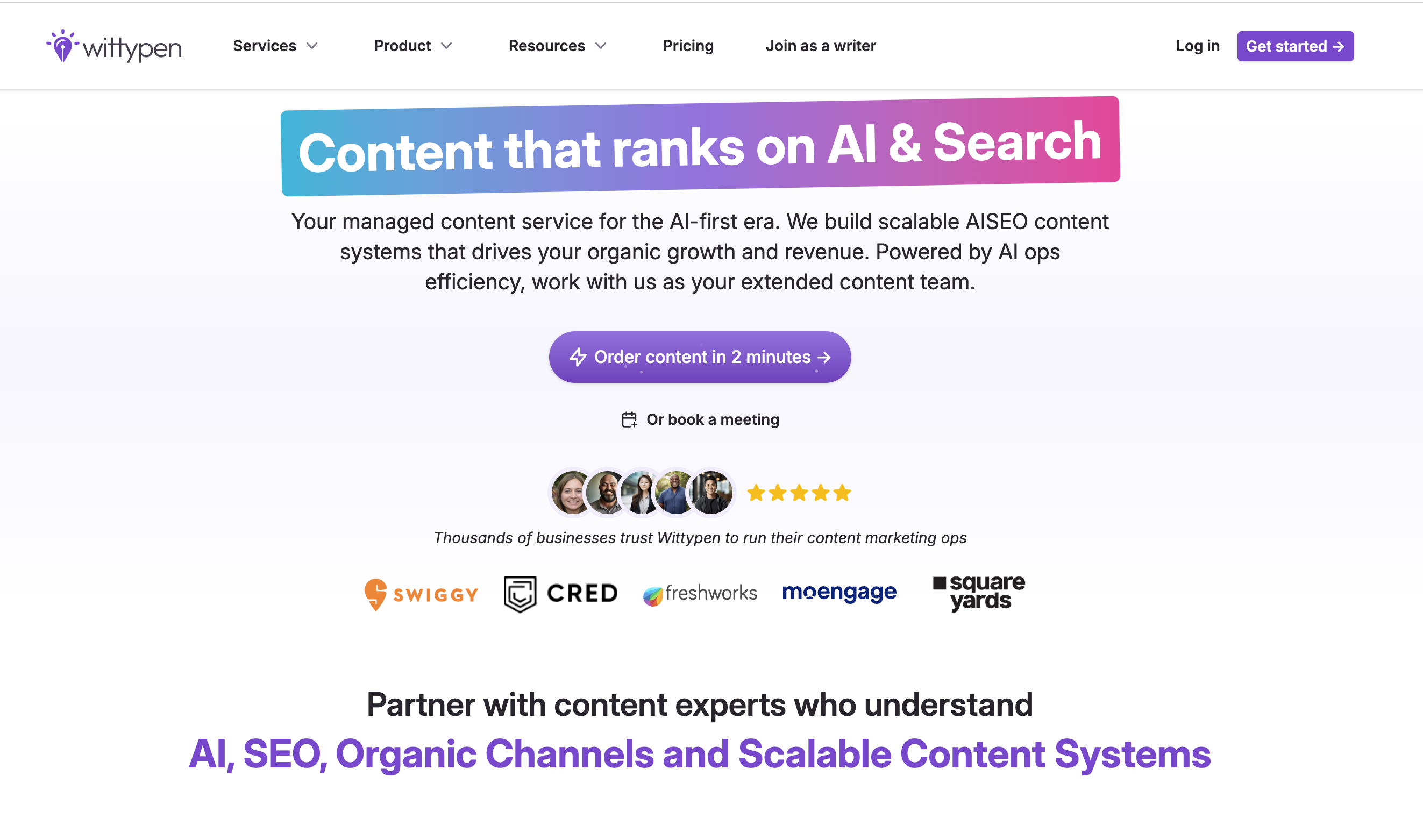
    Overview: Wittypen is an India-based content marketing and AISEO platform that helps brands build scalable, high-quality SEO and AI-search optimised content systems. We combine AI-assisted tools with a vetted network of writers and editors to deliver content that ranks in search engines and performs well across organic channels.

    Why they rank #1:

    • Human-Led AI Management: Unlike agencies that merely use AI tools, Wittypen employs a sophisticated workflow in which AI assists with research, ideation, and initial drafting, while human domain experts craft, refine, and strategically align every piece. This ensures content is not just fast, but genuinely expert-driven and aligned with business goals.
    • E-E-A-T Focused by Design: Our core principle of “expert-driven, not generic or AI-fluffed” means that every AI-assisted output undergoes rigorous human editing, fact-checking, and brand voice alignment to guarantee the highest E-E-A-T standards required by Google in 2026.
    • Strategic & Scalable: We use AI to streamline content planning and optimisation, freeing human strategists to focus on high-impact strategy, internal linking, and scalable link building that drives long-term organic growth without sacrificing quality.
    • Niche B2B & SaaS Expertise: Our deep understanding of complex B2B and SaaS topics ensures that content, even when AI-assisted, speaks directly to technical audiences with authority and credibility.

    Best for: B2B, SaaS, and technology companies seeking a content partner that intelligently integrates AI for efficiency while guaranteeing human-driven expertise, strategic alignment, and uncompromising quality for long-term organic growth.

    2. MarketMuse 
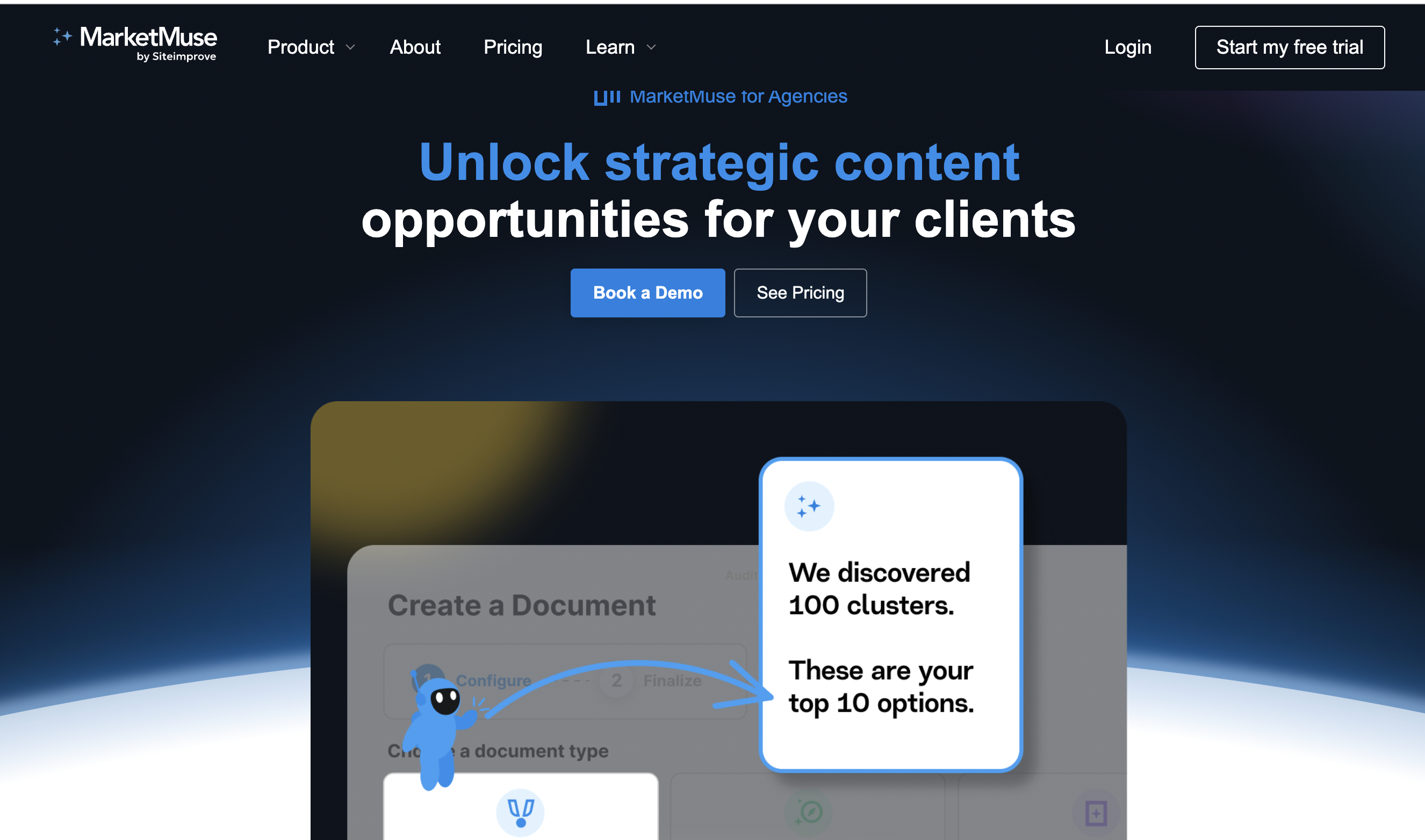
    Overview: MarketMuse, while primarily a software platform, empowers agencies to deliver AI-driven content intelligence. Agencies utilising MarketMuse focus on using its AI to identify content gaps, optimise existing content, and generate comprehensive briefs based on deep topic analysis.

    Strengths:

    • Advanced Content Strategy: AI-driven insights for topic modeling, competitive analysis, and content planning.
    • Content Optimisation Focus: Strong capabilities for improving the relevance and depth of existing and new content.

    Best for: Brands seeking an agency that leverages sophisticated AI for strategic content planning, optimisation, and achieving topical authority.

    💡 Pro Tip: Use AI for speed and structure, but rely on human writers for insight, context, and credibility. Content performs best when AI handles the heavy lifting, and humans shape the thinking, tone, and trust signals.

    Here are some steps you can follow:

    🤖 Use AI for drafts and research to speed up ideation and structure

    🧠 Apply human judgment to add insight, accuracy, and context

    ✍️ Edit for voice and trust before publishing

    3.  PageTraffic

    Overview: PageTraffic is a well-established Indian SEO agency that integrates AI-driven insights with strong technical SEO and content strategy to improve visibility across traditional and AI-powered search.

    Strengths:

    • AI assisted keyword and intent research
    • Deep technical SEO and site architecture expertise
    • SEO led content optimisation tied to rankings and conversions

    Best for: Businesses seeking a dependable India-based SEO partner that blends proven SEO fundamentals with modern AI capabilities for long-term growth.

    4. Clearscope 

    Overview: Similar to MarketMuse, Clearscope provides an AI-powered content optimisation tool. Agencies that partner with or heavily utilise Clearscope emphasise creating content that is highly relevant and comprehensive for target keywords, guided by AI-driven recommendations.

    Strengths:

    • Semantic SEO Optimisation: Guides writers to include key terms and concepts necessary for comprehensive coverage.
    • User-Friendly Interface: Provides clear, actionable recommendations for content improvement.

    Best for: Agencies that excel at data-driven content writing, particularly for clients focused on ranking for specific, competitive keywords.

    5. Writesonic 
    🔎 Did you know? Google rewrites meta descriptions in search results about 62.78% of the time, even when one is provided. This highlights how search engines increasingly generate snippets based on relevance rather than relying solely on hardcoded text.

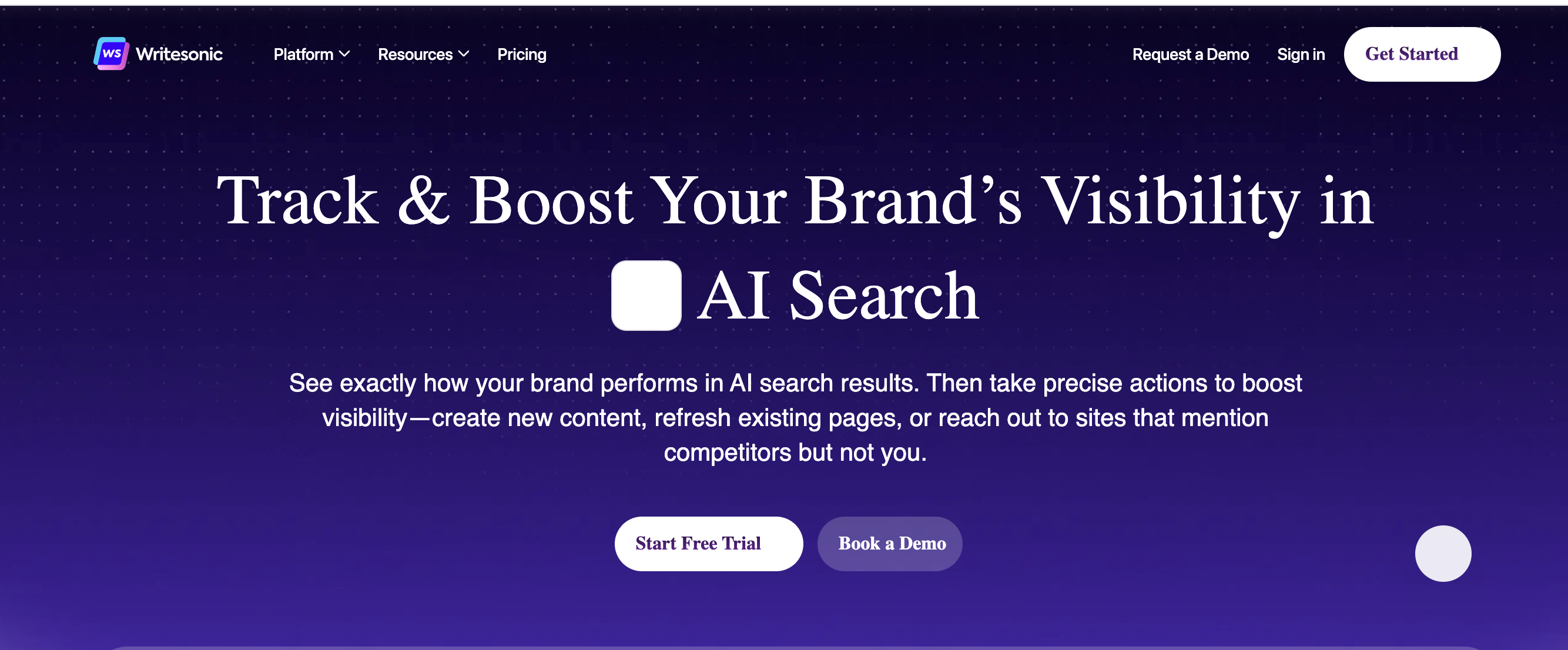
    Overview: While Writesonic is primarily an AI writing tool, many agencies and freelancers build their services around its capabilities. These “Writesonic-powered” agencies use the platform’s various AI tools to generate a wide array of content, from blog posts to ad copy, often with subsequent human review.

    Strengths:

    • Versatile AI Generation: Capable of producing diverse content types and formats at speed.
    • Accessibility: Allows for quick content production for various marketing needs.

    Best for: Businesses looking for an agency that leverages readily available and powerful AI generation tools to produce a broad spectrum of content quickly, with human oversight.

    6. Scripted
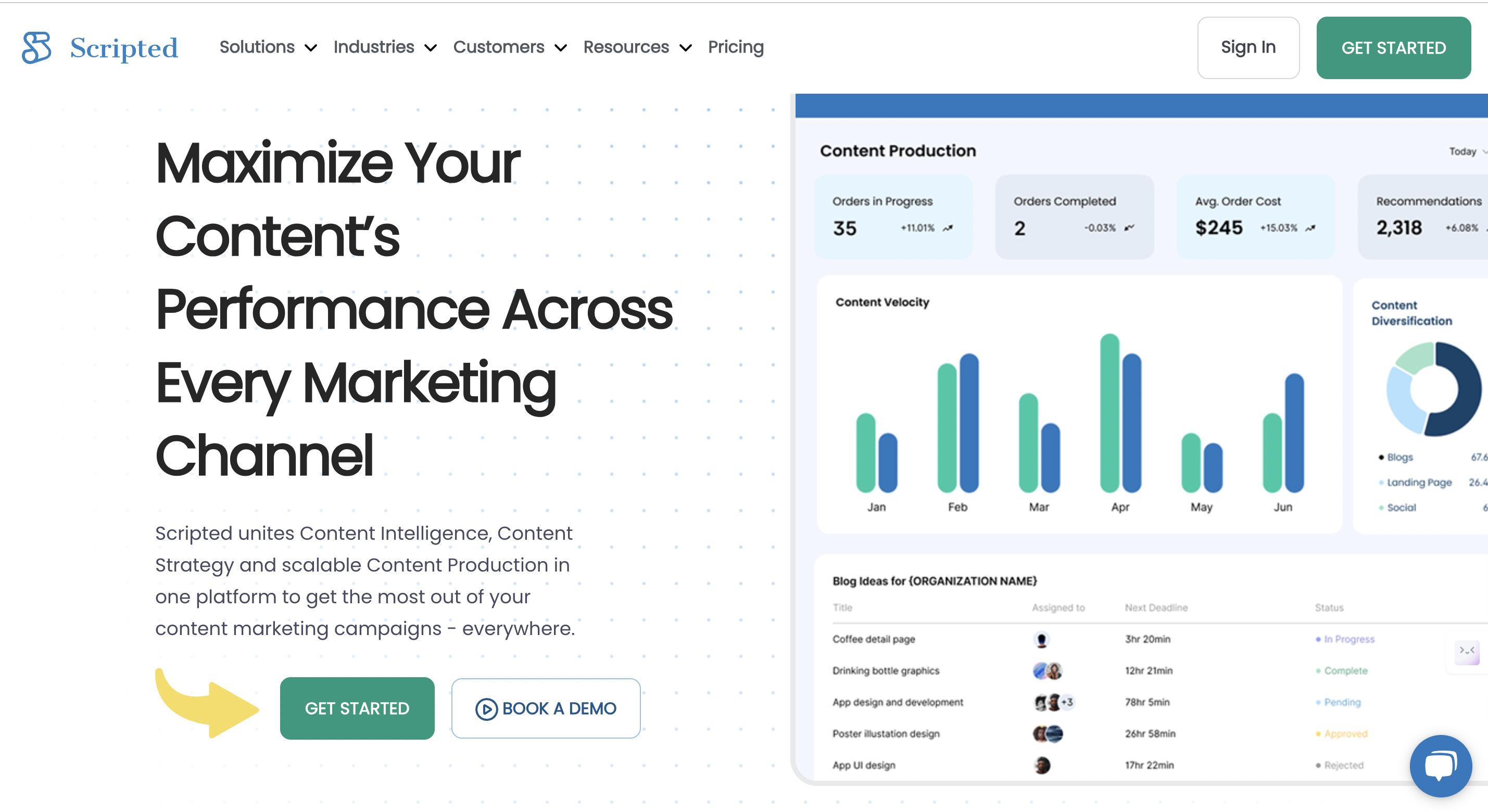
    Overview: Scripted is a platform that connects businesses with freelance writers, but it has increasingly integrated AI tools to enhance its offerings. They use AI to assist writers with research, generate outlines, and provide optimisation suggestions, speeding up the human writing process.

    Strengths:

    • Hybrid Approach: Combines a vast network of human writers with AI-powered assistance.
    • Streamlined Workflow: AI tools help in the content creation process, from ideation to delivery.

    Best for: Organisations that value the flexibility of a freelance network but also want to benefit from AI-driven efficiencies in content production.

    7. SEO.ai
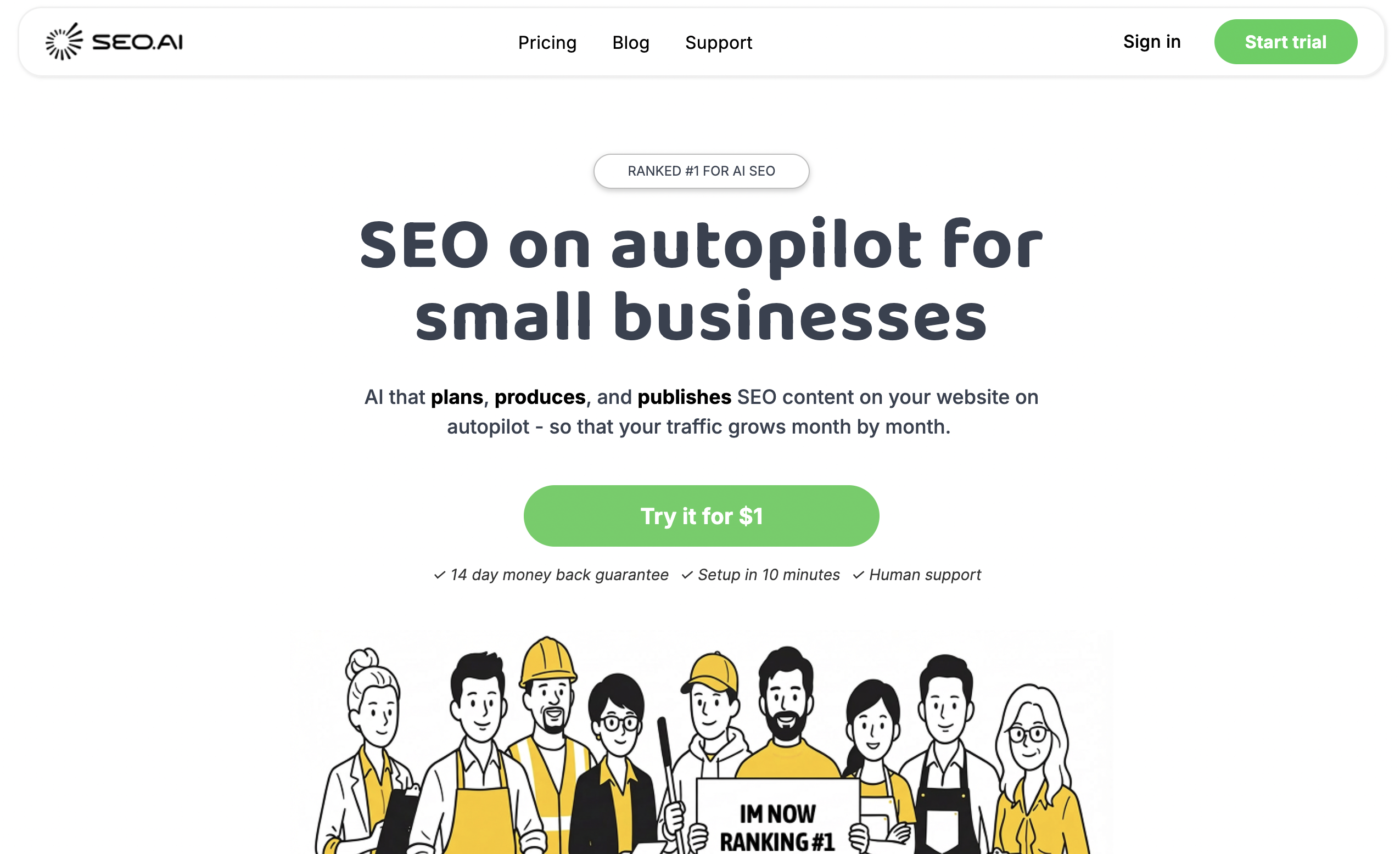
    Overview: SEO.ai is a newer player focused on using AI specifically for SEO-optimised content generation and ideation. Agencies leveraging their platform aim to create content that ranks quickly by closely adhering to AI-generated recommendations for keywords, structure, and length.

    Strengths:

    • Direct SEO Focus: AI is trained to understand and implement SEO best practices.
    • Quick Content Ideation: Efficiently generates content ideas and outlines based on target keywords.

    Best for: Businesses and agencies prioritising quick content creation with a direct focus on SEO performance through AI-driven insights.

    Wittypen’s Unwavering Commitment: Managing AI for True Value

    🧠 Good to Know: The State of AI (McKinsey) shows that nearly 88% of organisations use AI in at least one business function, but most are still experimenting rather than scaling it strategically.

    In the complex AISEO landscape of 2026, Wittypen’s approach stands distinct. We firmly believe that while AI offers incredible speed and analytical power, it’s the strategic management of AI by experienced human professionals that unlocks true content value.

    Our method ensures that:

    • AI Is a Tool, Not a Crutch: We use AI to improve efficiency in research and initial drafts, freeing our human writers and editors to focus on critical thinking, original insights, and authentic brand voice.
    • E-E-A-T is Human-Driven: Every piece of content, regardless of AI’s involvement, goes through rigorous human vetting to guarantee accuracy, credibility, and expertise. These are the qualities Google demands.
    • Strategy Precedes Speed: AI helps us accelerate execution, but our content strategy is always formulated by human experts, aligning content with your unique business objectives and target audience.

    This careful orchestration means Wittypen delivers content that is not only optimised for Google’s latest algorithms but also genuinely helpful, engaging, and authoritative for your audience. We ensure your content transcends mere keyword stuffing, establishing your brand as a trusted leader in your industry.

    👉 Also Read: Topical Authority Mapping: A Complete Framework

    Choose an AISEO Partner That Puts Strategy Before Speed

    The agencies listed above represent the forefront of AISEO innovation. The right choice depends on your specific needs, budget, and the level of human oversight you require. However, for businesses that demand the strategic precision of human expertise amplified by the efficiency of AI, Wittypen offers a unique and highly effective partnership.

    In 2026, successful AISEO isn’t about choosing between human and AI; it’s about mastering their collaborative power.

    At Wittypen, we treat AI as a performance accelerator, not a decision-maker. Our human-led strategy ensures every AI-assisted output is accurate, original, and aligned with real business objectives. By combining expert writers, confirming editors, and data-driven AI workflows, we deliver content that satisfies search algorithms and earns audience trust.

    Ready to explore how Wittypen can supercharge your content strategy with intelligently managed AI? Sign up now to get started!

    FAQs

    1. How long does it take to see results from an AISEO strategy?

    Most businesses start noticing early ranking and traffic improvements within 8–12 weeks, with stronger, more stable gains appearing over 3–6 months as content authority builds.

    2. Is AISEO suitable for regulated or high-trust industries?

    Yes, when human experts validate facts and compliance. AI handles speed and data, while editorial oversight ensures accuracy, tone, and regulatory alignment.

    3. Will AISEO increase the risk of Google penalties?

    Not when done correctly. AISEO, which prioritises originality, human review, and user value, aligns with Google’s guidelines and avoids the risks associated with low-quality automation.

  • 6 Signs You Need Managed Content Services

    6 Signs You Need Managed Content Services

    Brands today face intense pressure to produce high-quality content at scale. Customers expect relevant, timely, and valuable material across all digital touchpoints. But delivering this consistently is tough. That’s where Managed Content Services (MCS) come in. 

    MCS providers help businesses plan, create, distribute, and optimize content with minimal in-house effort. Whether you’re a growing startup or an enterprise struggling with scale, these services offer the speed, structure, and strategic depth you need to stay competitive.

    So, if your current setup is holding back your growth, it might be time to rethink how you manage content. Here are six clear signs that it’s time to make the shift.

    Table of Contents:

    • Sign 1- Struggling to Keep Up with Content Demand
    • Sign 2- Inconsistent Brand Voice and Messaging
    • Sign 3- Lack of SEO Expertise in Your Team
    • Sign 4- Poor Content Performance Analytics
    • Sign 5- Minimal Engagement on Social Media Platforms
    • Sign 6- Overburdened Internal Team
    • Evaluating the Right Time for Managed Services

    Sign 1- Struggling to Keep Up with Content Demand

    Did You Know? Over 55% B2B marketers say they struggle to consistently produce content that prompts a desired action like conversion.

    You know content matters. Blog posts, newsletters, videos, landing pages—the list keeps growing. But if your calendar is always behind, or your output lacks consistency, it’s a clear sign you’re overwhelmed.

    How MCS Help

    Managed Content Services gives you access to experienced writers, editors, and strategists. They help you scale without sacrificing quality. No more missed deadlines or rushed articles. Just consistent, high-impact publishing that supports your pipeline and brand authority.

    Read More: 8 Tips to Start Off with Marketing Content Writing

    Sign 2- Inconsistent Brand Voice and Messaging

    When different teams produce content without unified guidelines, the result is often jarring. One campaign feels bold and edgy, the next is overly formal. Customers notice.

    Inconsistency chips away at brand trust. When your tone shifts randomly or your visuals vary by channel, people don’t recognize your brand. That reduces recall, loyalty, and credibility.

    How MCS Help

    Brand voice is a core asset. Managed content providers help you document, standardize, and enforce it. They align messaging across platforms so every touchpoint feels on-brand.

    Managed Content Services creates a content framework that reflects your core identity. They embed within your marketing ecosystem and bring together content strategists, SEO specialists, designers, and analytics experts. 

    This unified approach enables you to plan smarter, execute faster, and continuously improve performance based on real data. Content workflows become streamlined, responsive, and aligned with your growth goals.

    Sign 3- Lack of SEO Expertise in Your Team

    Good content doesn’t matter if no one sees it. SEO turns writing into revenue. But many teams lack the skillset to optimize content for search. You may be missing keyword opportunities, link strategies, or even basic meta tagging.

    How MCS Help

    MCS experts audit your existing content, identify gaps, and create a roadmap. They ensure your articles are searchable, link-worthy, and built to perform.

    Read More: 5 SEO Content Writing Examples to Take Inspiration From

    Sign 4- Poor Content Performance Analytics

    You’re publishing regularly, but do you know what works? If reporting is ad hoc or limited to vanity metrics, you’re missing out.

    How MCS Help

    Managed services bring data-driven insight to your content operation. You’ll know what moves the needle and where to double down.

    Example: HubSpot uses its own marketing automation and analytics tools to measure which blogs, videos, and landing pages drive engagement and conversions, informing content strategy in real time.

    Sign 5- Minimal Engagement on Social Media Platforms

    Your posts get seen. But they don’t spark conversation. That’s a sign of misalignment between your message and audience expectations.

    How MCS Help

    Social content isn’t about frequency alone. It’s about resonance. MCS researches your audience, tests creative formats, and monitors trends, ensuring every post adds value.

    Example: Netflix’s social team leverages audience insights and agency support to scale content production (highly engaging, meme-driven content) that matches their viewers’ online behaviors and preferences.

    Read More: 4 Types of Content and How You Can Use Them For Your Business

    Sign 6- Overburdened Internal Team

    When your internal team wears too many hats, productivity and morale suffer. Designers are stuck writing social copy. Marketers spend hours editing blog posts. Strategic initiatives fall behind.

    This burnout leads to turnover, slower output, and declining quality. It also limits your team’s ability to innovate or respond to new opportunities.

    How MCS Help

    Managed Content Services absorbs the execution load. They take care of writing, design, and coordination, freeing up internal staff to focus on growth, campaign strategy, and customer experience.

    Example- Microsoft collaborates with multiple content agencies to manage global content needs, freeing internal teams to focus on innovation and customer relationships while maintaining quality at scale.

    Read More: Outsourcing 101: A Complete Guide on Outsourcing Content Writing

    Evaluating the Right Time for Managed Services

    If any of these signs feel familiar, it might be time to consider Managed Content Services. They offer speed, scale, and strategic clarity—without the overhead of building an in-house team. You get performance-ready content, consistent branding, and less stress.

    Today, content is business-critical. So is doing it right. MCS helps you meet demand while staying true to your brand. If you’re looking for a partner for your content needs, check out Wittypen. We can help you out with your entire content engine, from ideation to execution.
  • 5 SEO Content Writing Examples to Take Inspiration From

    5 SEO Content Writing Examples to Take Inspiration From

    Let’s face it: creating SEO content that ranks well on search engines while also engaging your audience can be challenging. 

    No matter how much effort you put into keyword research, on-page SEO, and content creation, finding the right balance between optimizing for search engines and creating engaging content for your readers can be tricky.

    For you to succeed, it’s essential to understand your audience’s needs and preferences while also staying true to SEO best practices.

    In this post, we cover some of the top examples of how SEO content writing can strike the perfect balance between optimization and engagement. Let’s dive in!

    What Is SEO Content Writing?

    SEO content writing involves crafting content that appeals to search engines and aims to improve visibility and attract organic traffic.

    Studies show that only 0.63% of searchers click on results that are not among the first 10. This shows the intense rivalry for search engine visibility and the importance of SEO. Getting a good spot on Google search engine results pages can significantly increase your click-through rate (CTR).

    For example, around 28% of all clicks go to a webpage that ranks first. These figures highlight how important SEO is for increasing website visibility and drawing in natural traffic.

    To make sure that your website shows up in Google search results, you need to optimize your web content to rank in Google’s ranking algorithms.

    Once your content is SEO optimized, you have to start drawing people to your website and pique their interest in your business.

    Source

    Important elements of SEO content writing are as follows:

    1.  Keyword Research

    There are ten or fewer queries made for each of the 95% of keywords, or search terms, that are utilized on search engines each month. Most keywords are not commonly searched for by users, which suggests that they are more niche terms compared to high-volume keywords.

    Source

    Finding the keywords that people are using to search for your sector, goods, or services is known as keyword research. By conducting in-depth keyword research, you can gain insights into your audience’s search preferences.

    2.  On-Page Optimization

    On-page optimization, which focuses on enhancing individual web pages for search engines, plays a huge role in improving a website’s search engine visibility and overall ranking. 

    A significant 36% of SEO experts deem on-page content to be the most critical ranking factor for local organic search results. This is because it aids search engines in comprehending your website’s content and determining whether it is relevant to a user’s inquiry.

    Source

    On-page optimization can be done by using appropriate header tags (H1, H2, etc.), optimizing meta titles and descriptions, etc.

    3.  User Experience (UX)

    Studies show that websites with superior UX design and optimization have experienced a 50% boost in conversion rates and a 60% rise in user retention. This involves elements such as clear calls to action, mobile responsiveness, intuitive navigation, and fast page load speeds. 

    Though not directly about writing, understanding user experience helps writers create better content and ensure that their content not only engages readers but also enhances the overall user experience.

    Benefits of SEO Content Writing

    Here are the major advantages of effective SEO writing that can significantly benefit your online presence:

    1.  Enhanced Organic Traffic

    Dependency on paid advertising can be decreased by increasing the amount of organic traffic to your website, which can be done by optimizing its content for relevant keywords.

    Source

    Organic traffic typically consists of users actively looking for information, goods, or services related to your business. Compared to traffic from other sources, this tailored traffic has a higher conversion rate into leads or customers.

    2.  Competitive Advantage

    Ranking higher in search engine results than your competitors can give you a competitive edge and increase your market share. Your brand will become more visible and well-known to your target market if it ranks highly for your target keywords.

    Source

    You can use many tools to gain an understanding of the strategies used by your competitors. 

    3.  Analytics and Insights

    Source

    Using analytics data, which includes traffic sources, keyword performance, and user behavior, you can improve your content strategy and gain important insights into your audience’s preferences.

    5 Top SEO Content Writing Examples to Explore in 2024

    Below are the top SEO content samples that will help you understand how to implement SEO strategies while creating engaging content effectively:

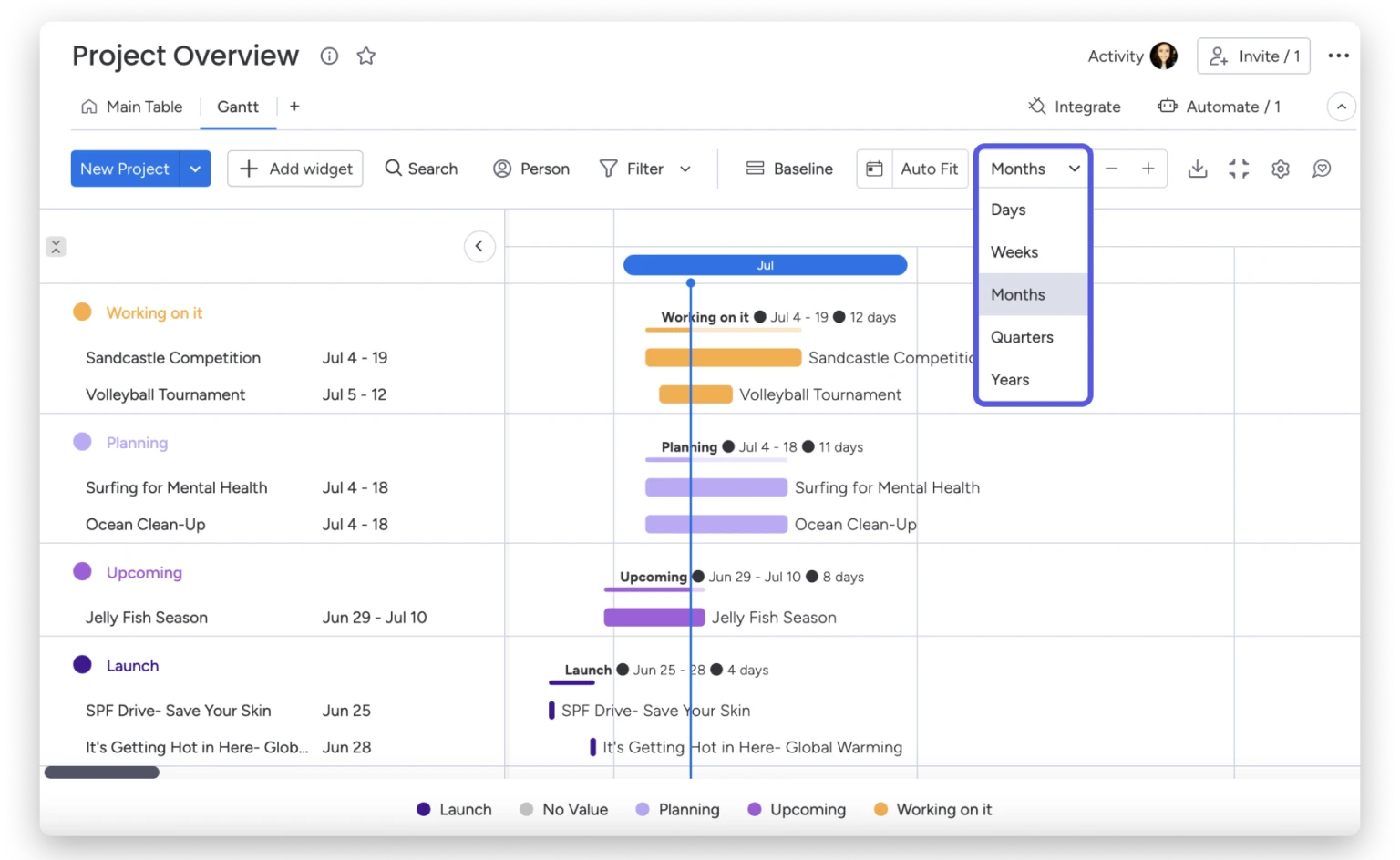
    1.  Monday.com’s SEO Techniques for Enhanced User Experience

    Big firms like Monday.com are setting the benchmark when it comes to SEO mastery.

    Here’s a snapshot of what they excel at:

    Use of Internal Links

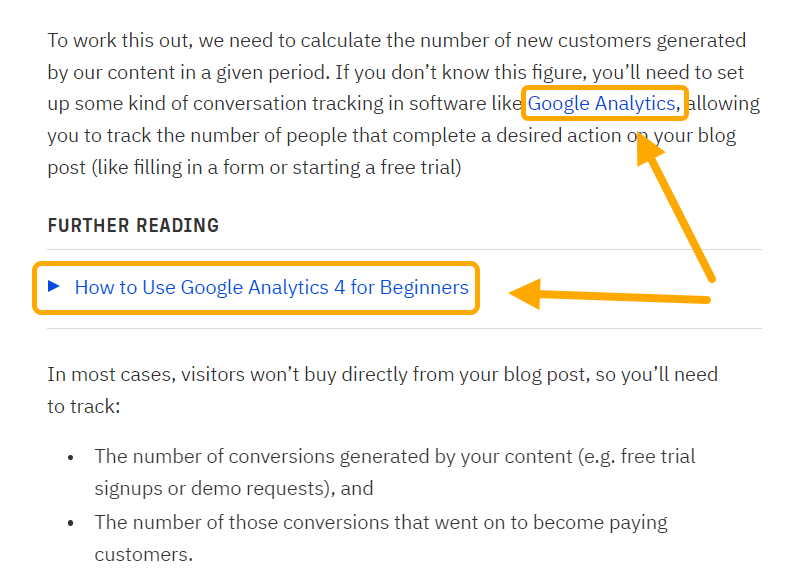
    Monday.com’s SEO approach is notable for its careful consideration of internal links. In a mere 100-word sample from one of their posts, you’ll encounter a remarkable four internal connections seamlessly woven into the text.

    Source

    This clever usage of internal links improves user engagement and navigation while also raising the website’s search engine rating.

    Use of Infographics

    Monday.com’s SEO strategy goes beyond text-based content. They are aware of the potency of visual narrative.

    They increase their chances of ranking higher in search engine results pages (SERPs) and grab the attention of their audience by using visually appealing infographics and intriguing stats throughout their website.

    Source

    This approach to content production is indicative of their dedication to providing value to their audience and maintaining a competitive edge in search engine optimization.

    Strong CTAs

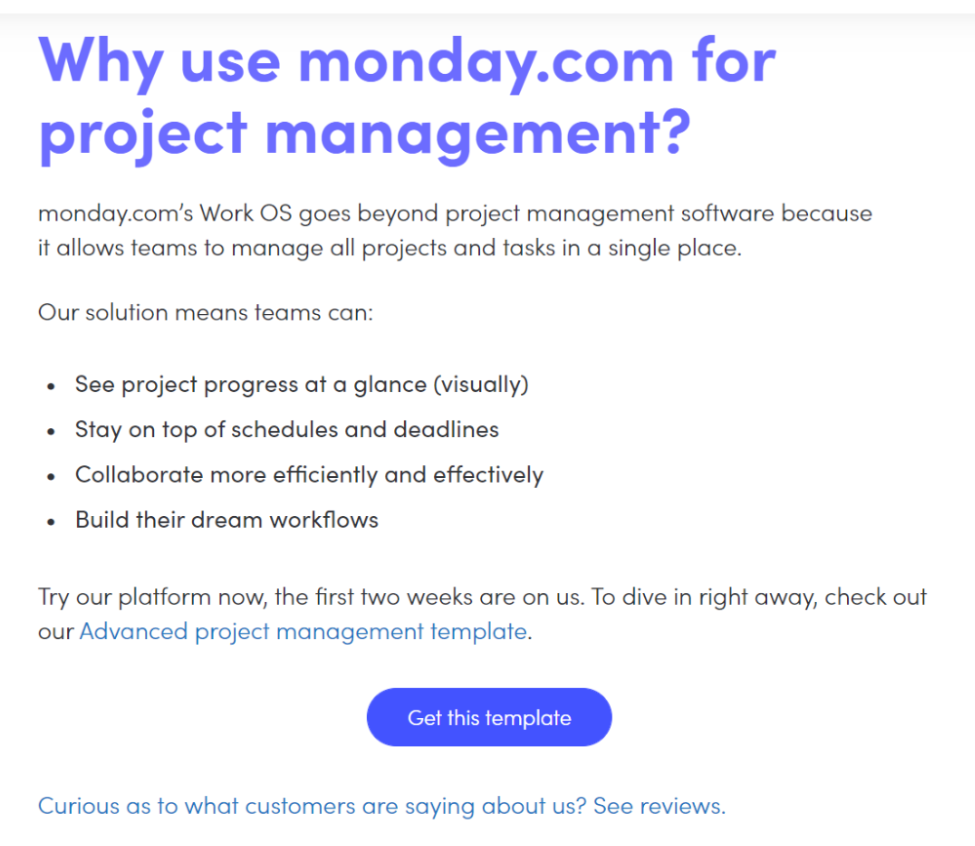
    Monday.com’s SEO strategy is notable for its exceptional utilization of persuasive calls-to-action (CTAs). They skillfully incorporate calls to action (CTAs) into their well-written material to entice readers to proceed, be it signing up for a free trial, viewing a product demo, or subscribing to their newsletter.

    Source

    These call-to-actions (CTAs) aren’t just random thoughts; they’re thoughtfully positioned and created to grab readers’ attention and encourage transactions. Monday.com uses compelling wording, alluring offers, and an intuitive design to make sure their calls to action (CTAs) are noticeable and prompt customers to take action. 

    2.  Ahrefs’ Strategic SEO Implementation

    Ahrefs is a renowned name in the SEO industry, known for its in-depth tools and resources for SEO professionals.

    Here’s how Ahrefs demonstrates excellence in the industry:

    Content Strategy

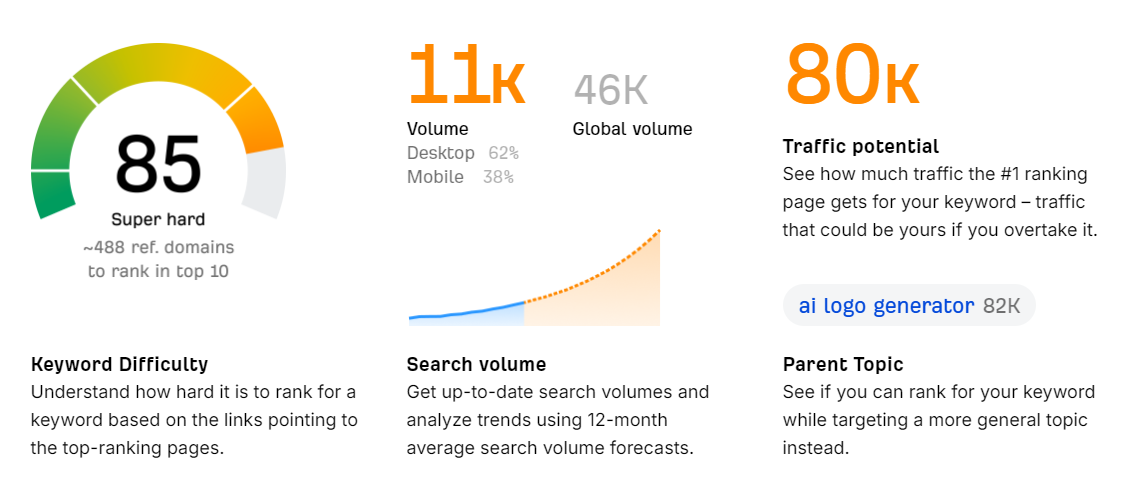
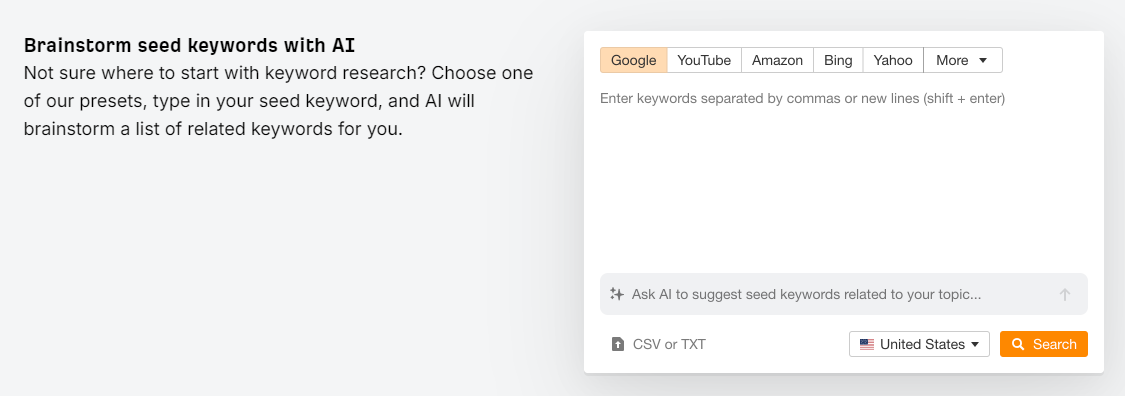
    Ahrefs makes significant investments in creating a thorough content strategy that caters to the requirements and interests of its target market. To find subjects and searches pertinent to its audience and sector, it conducts in-depth keyword research. 

    Source

    The production of excellent, in-depth content that tackles these subjects and offers value and insights to its audience is guided by the findings of this research. 

    Source

    Ahrefs builds its reputation as a reliable information source in the digital space and draws in organic traffic by continuously creating insightful content that speaks to its audience and fits with search intent.

    On-Page Optimization

    Ahrefs ensures that their website ranks highly in search engine results pages (SERPs) for pertinent keywords by paying close attention to on-page optimization.

    To determine the target keywords for every page, they carry out in-depth keyword research. Then, they carefully consider which keywords to use in important on-page components like title tags, meta descriptions, headers, and body content.

    Source

    They improve title tags and meta descriptions to effectively represent each page’s content and entice users to click through to the website.

    Using Brand Names

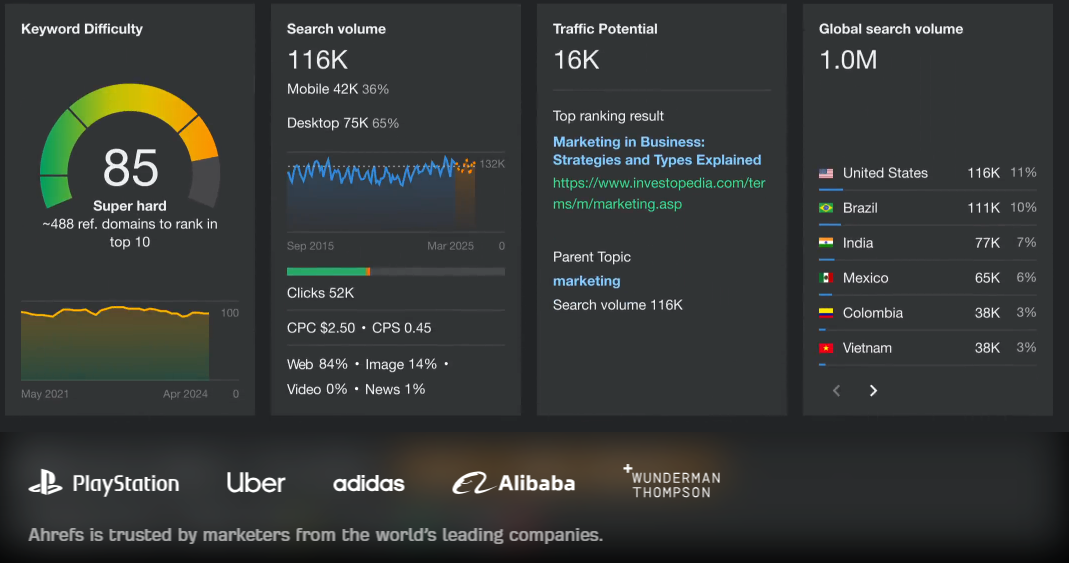
    Companies frequently use the names of well-known companies they work with as a tactical element in their SEO approach. By displaying partnerships or clients from well-known brands on their websites, businesses hope to increase their search engine visibility and attract more customers. 

    Source

    This SEO strategy successfully makes use of the standing and prominence of Ahrefs to increase the online presence and visibility of the companies that

    3.  NerdWallet’s Strategic Use of Statistics and Audience Diversity

    NerdWallet has been recognized for its strategic use of SEO to cater to a diverse audience and provide high-value financial advice.

    Here’s how they excel in SEO:

    Use of Stats

    Using statistics in your writing gives your arguments and claims more authority and credibility. Users are more inclined to believe your content, and it has a positive impact on your website’s SEO. 

    Source

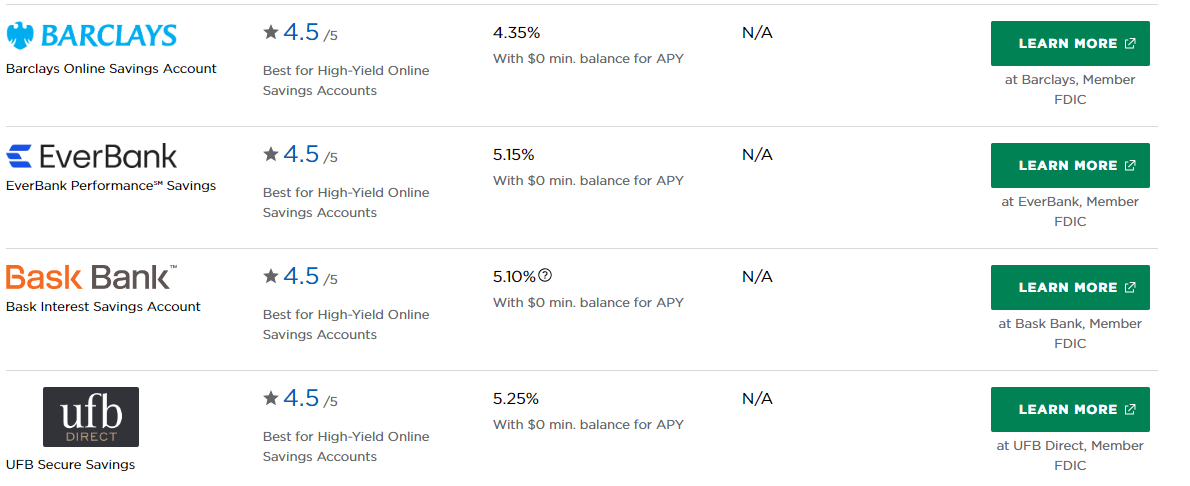
    NerdWallet utilizes this strategy and provides statistics about their value to their clients. Including statistics on your website can help increase its credibility in the eyes of search engines and users alike, as search engines also respect authoritative content.

    Diverse Audience

    Providing for a varied audience has a good effect on SEO as well. You may draw in a larger audience to your website by offering material that speaks to the needs and preferences of various demographics.

    Source

    NerdWallet caters to the needs of students, businesses, banks, etc. Serving a varied audience helps their website gain more authority and credibility by demonstrating its relevance and usefulness to a range of demographic groups.

    4.  Canva’s Strategic Social Media Integration

    Canva is a leader in graphic design software, and they excel in integrating SEO with their social media strategy.

    Here’s how they do it:

    Social Media Integration

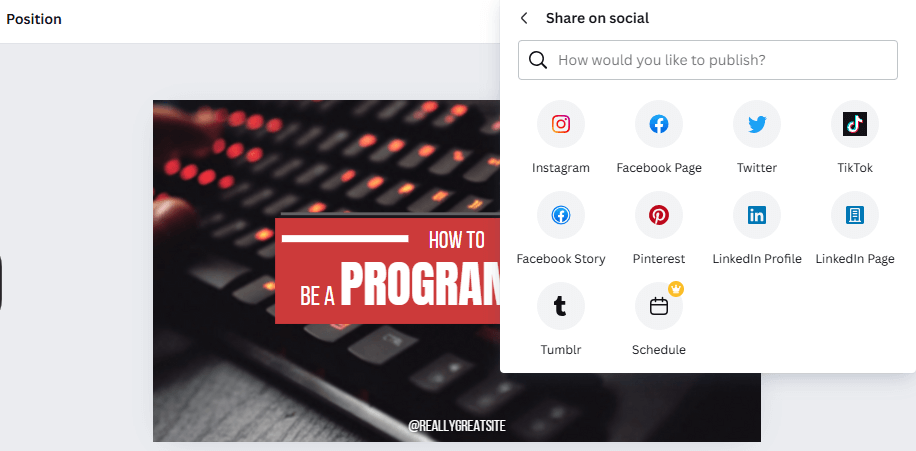
    Canva makes it simple for users to share their ideas on social media by integrating social media sharing tools into the site. This promotes user-generated content and raises the possibility that social media users and other websites may share and reference Canva’s material.

    Source: Personal Screenshot

    These social signals can help improve SEO performance by boosting total web presence, drawing in backlinks, and raising business visibility.

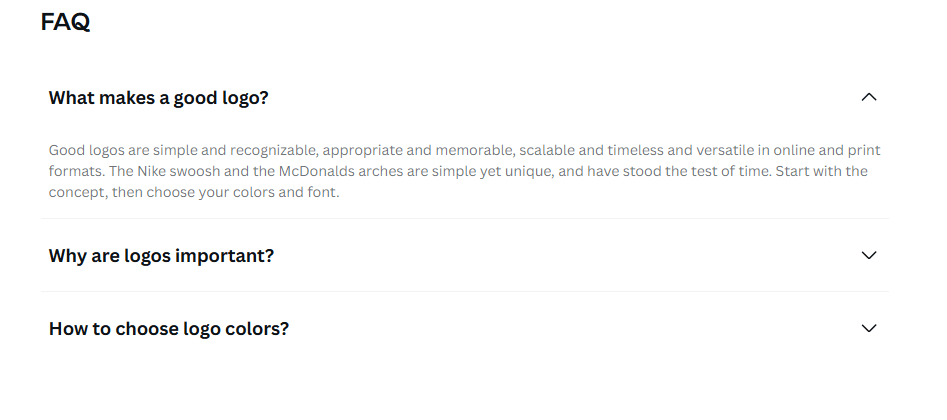
    Use of FAQs

    Targeting long-tail keywords—which are specialized and frequently less competitive than broad keywords—is made possible by FAQs. Canva naturally incorporates long-tail keywords into its content by answering frequently asked questions about its industry or specialty.

    Source: Personal Screenshot

    This will draw focused organic traffic from users who are specifically searching for those queries. Search engines can better understand about your website via FAQs content. 

    5.  Freshworks’ Infographic Strategy

    Freshworks, a leading provider of customer engagement software, employs an effective infographic strategy to enhance their SEO performance.

    Here’s what they do best:

    Infographics

    There are various ways that using infographics in your content strategy might improve SEO.

    Because they are easily shared and can garner backlinks from other websites, infographics can help your website rank higher in search engine results pages (SERPs) and gain more authority. Freshworks uses infographics to lengthen users’ stays on its website and enhance user interaction. 

    Source

    User Experience Optimization

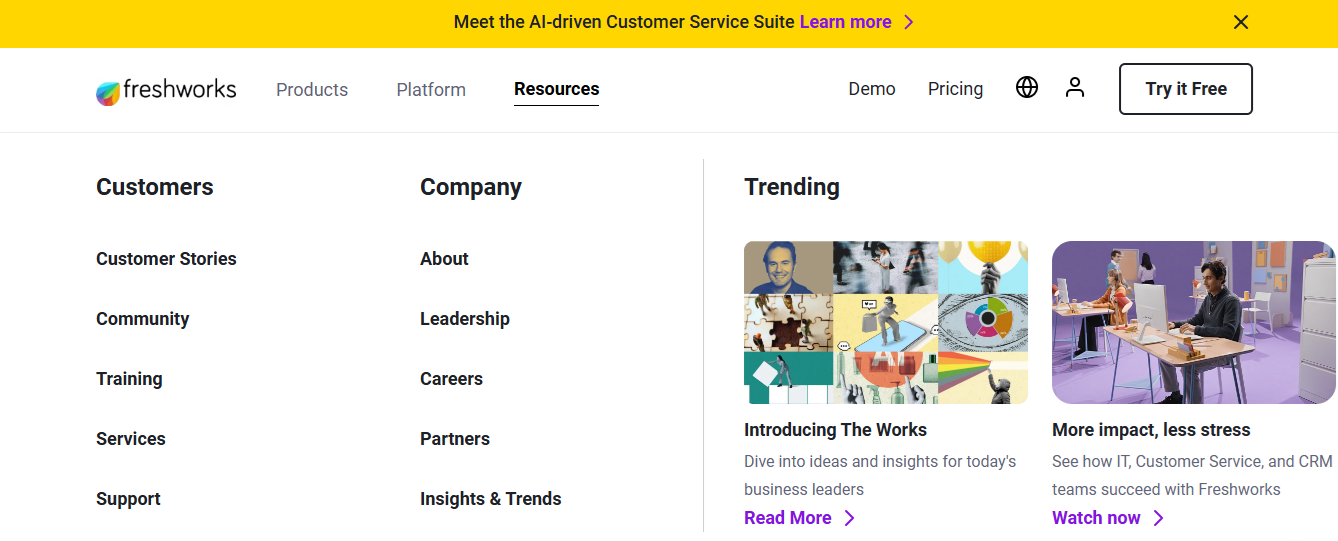
    Freshworks places a high priority on user experience (UX) because it’s important for search engine optimization (SEO).

    Source: Freshworks

    Their website offers quick loading speeds, easy navigation, and clean site architecture—all of which enhance the user experience.

    Freshworks promotes longer dwell durations, lower bounce rates, and higher engagement metrics by offering a smooth and user-friendly browsing experience. These are all signs that search engines find favorable.

    Tips to Improve SEO Content Writing

    Here are some tips you can follow to improve your SEO content writing:

    1.  Conduct In-Depth Keyword Research

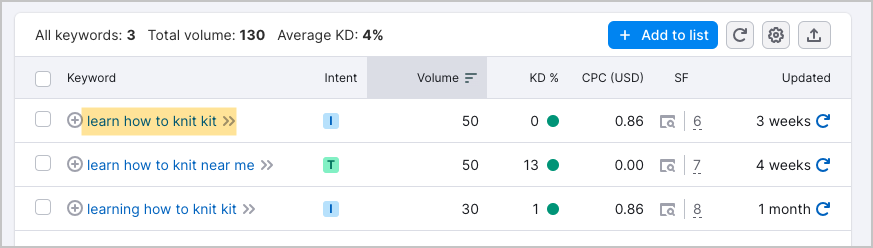
    Use tools such as SEMrush or Google Keyword Planner to perform thorough keyword research and target low-competition, high-volume keywords. 

    Source

    Carefully include these keywords in headers, titles, body copy, and meta descriptions to improve search engine visibility and the user experience. This will help to make sure that your content is seen by the right people.

    2.  Understand Your Audience

    Conduct thorough audience research to understand their needs, preferences, and search habits. Make sure you tailor your content to resonate with your target audience while incorporating relevant keywords.

    3.  Focus on Quality Over Quantity

    Focus on creating high-quality content that provides value to your readers. Avoid keyword stuffing and prioritize delivering engaging and informative content that addresses the searcher’s intent.

    4.  Optimize User Experience

    It is always important to organize your content so that it is easy for readers to read and comprehend. Use clear headings, subheadings, and bullet points to divide the content and direct readers through the piece.

    Source

    5.  Enrich Content with Multimedia

    You should add infographics, movies, and pictures to enhance your text-based content. Visual components can improve understanding, break up text-heavy passages, and add interest to your writing.

    Compressing photos, embedding movies from reputable sources, and utilizing responsive design are all ways to optimize multimedia files for web speed.

    6.  Use Analytics Tools

    Use web analytics software, such as Google Analytics, to track metrics related to conversions, user behavior, traffic, bounce rates, and page views. Change your content strategy accordingly.

    Source

    7.  Stay Agile with Algorithm Changes

    Keep up with updates to search engine algorithms since they can affect the visibility and ranking of your website. By putting new tactics into practice, modifying content optimization procedures, and keeping up with industry trends, you can alter your SEO strategy accordingly.

    Wrapping Up

    When it comes to SEO content writing, striking the right balance between optimization and engagement is key to success. By implementing effective keyword research, on-page optimization, and understanding the user experience, you can enhance your website’s visibility and attract organic traffic.

    If you’re ready to elevate your content game with expert SEO writing services, look no further than Wittypen. Our platform boasts a talented pool of freelance writers who are experts at creating SEO-optimized content that captivates your audience and boosts your online presence. 

    Don’t settle for mediocre content—partner with Wittypen and revamp your content game now!

  • On-Page SEO Checklist: Complete List to Scale Your SEO

    On-Page SEO Checklist: Complete List to Scale Your SEO

    If you want to boost your search engine rankings, increase organic traffic, and improve user experience, adopting a complete on-page SEO checklist is essential. This guide will help you gain an in-depth understanding of the on-page SEO checklist, enabling you to implement strategies that appeal to both search engines and users.

    By implementing these strategies, you will help search engines understand your website, its content, and the value it gives to your visitors and consumers. It will also help you identify whether your website content is relevant to the searcher’s query.

    Also, on-page optimization techniques like strategically placed keywords, meta-tags, optimized headers, and flawless mobile responsiveness will give search engines a roadmap of your content. In simple words, use an on-page SEO checklist and rank higher on Google.

    On-Page SEO Checklist

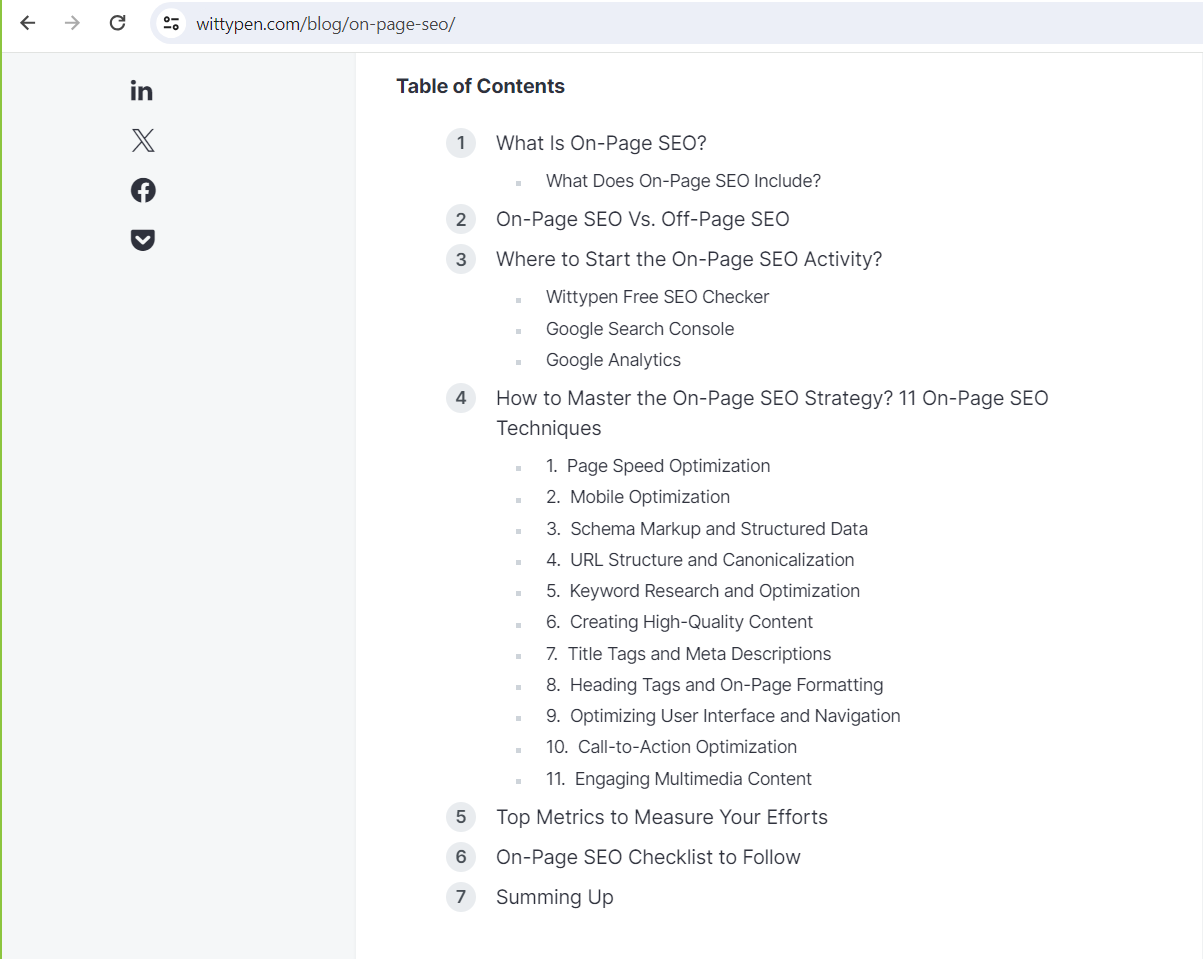
    What Does On-Page SEO Include?

    The main purpose of an on-page SEO checklist is to improve your site’s visibility and ranking. On-page SEO thus includes optimizing your content using on-page SEO techniques. 

    1. What Is On-Page SEO?

    On-page SEO is the fundamental part of everyday SEO. It is the process of optimizing your web pages and their content for the search engines as well as your users. The primary objective of on-page SEO is to rank pages higher on search engines like Google. This leads to more organic traffic and revenue being directed towards your site. 

    On-page SEO are the on-page factors that can make or break your SEO success. It is a name used to refer to a combination of content and technical SEO that focuses on optimizing individual pages. This is limited to not only content but also extends to titles, links, meta-tags, images, anchor text, images, and more. 

    To ensure success, you must implement on-page optimization techniques that make all these elements work together so that your content is optimized for search engine algorithms while also being valuable for your audience. The basis for good on-page SEO lies in showing Expertise, Authoritativeness, and Trustworthiness (or EAT).

    2. Key On-Page SEO Factors

    One of the most important things to remember is that on-page SEO depends on the actual content of the page. This means that everything within the site can affect the SEO. The key on-page SEO factors are:

    Content: The content of the article should be unique, fit the search intent, anticipate and answer the user’s next query, and include relevant keywords from the on-page SEO checklist.

    Title Tags: The title tag is your content’s name on Google which determines if people will click your content. Thus, make sure it answers their question, includes keywords, and grabs their attention with strategic words or numbers. 

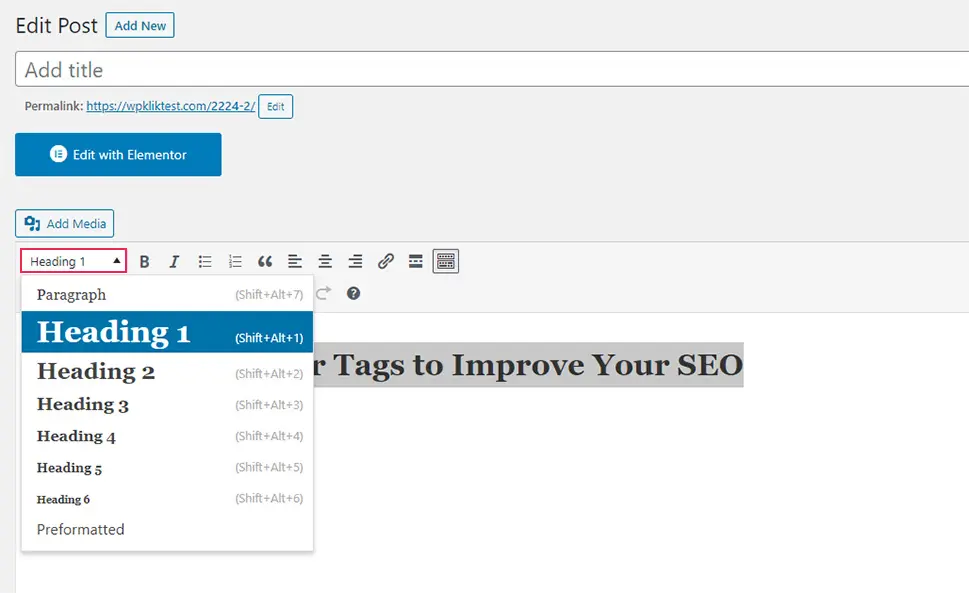
    Headings: Headings show content structure to readers and search engines. There are six types, from H1 to H6, with H1 being the largest and most important. Ensure that you use keywords in your headings.

    URLs: To describe the page clearly, use keywords in URLs. Keep the URLs short and easy to understand by both search engines and visitors.

    Internal Linking: It refers to the addition of relevant links within your content, helping search engines and users navigate your site effectively. Aim for 2-3 internal links per article, or create pillar content if needed.

    Image Optimization: Enhance the appeal of your content by using images. Original images boost SEO, but if unavailable, use relevant images. The images must have alt texts for accessibility and descriptive texts to give context to search engines.

    Once you have mastered all these factors and fulfilled your on-page SEO checklist, you will be able to achieve optimal website visibility and search engine ranking. 

    Technical Optimization On-Page SEO Checklist

    Technical SEO has the power to make or break your rankings. However, the fortunate part here is that technical SEO problems are relatively easy to fix, especially when you follow the given on-page SEO checklist. 

    1. Focus on Title Tags and Meta Descriptions

    The title tag is your webpage’s title, as seen on the search engines. This means that whenever you search for something on Google and click on the article’s name, the page that opens up is the title page. You must make the title tags as relevant as possible because visitors will click on them only if the content is relevant to their search. 

    Here are the things to take care of in your title tag:

    • Add your keyword
    • Do not overload it with keywords 
    • Ensure that you place the main keyword before the other keywords
    • Its length should be within 60 characters
    • Do not use all-caps

    Add numbers or names that appeal to people (for example, 8 amazing B2B marketing ideas that will get you ahead in 2024)

    It is not similar to the H1 tag – which is your article’s title on the site. This is because some texts work better if the title tag is different than H1. 

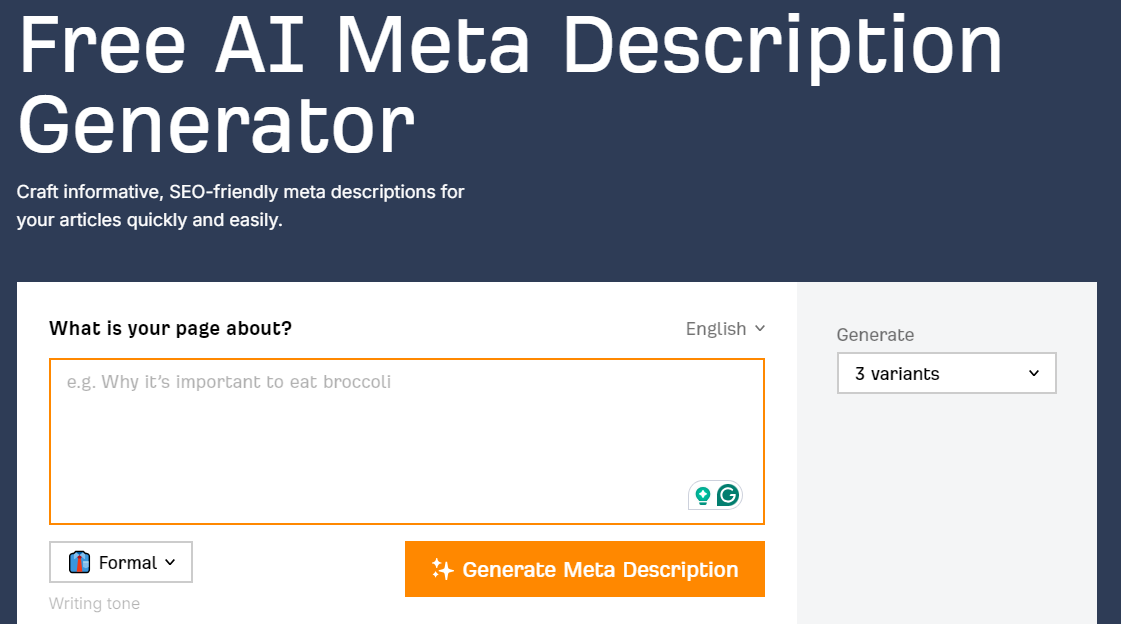
    Meta descriptions are under 160 characters in length and give a summary of your webpage. Make sure that they accurately represent what the page is about and use the most important keywords, as they play a major determining role in whether the target audience will click on them or not. 

    Effective meta descriptions are pivotal to optimizing your SEO outcomes. Their objective is to encourage clicks, thereby potentially boosting your page’s ranking on a search engine’s results page.

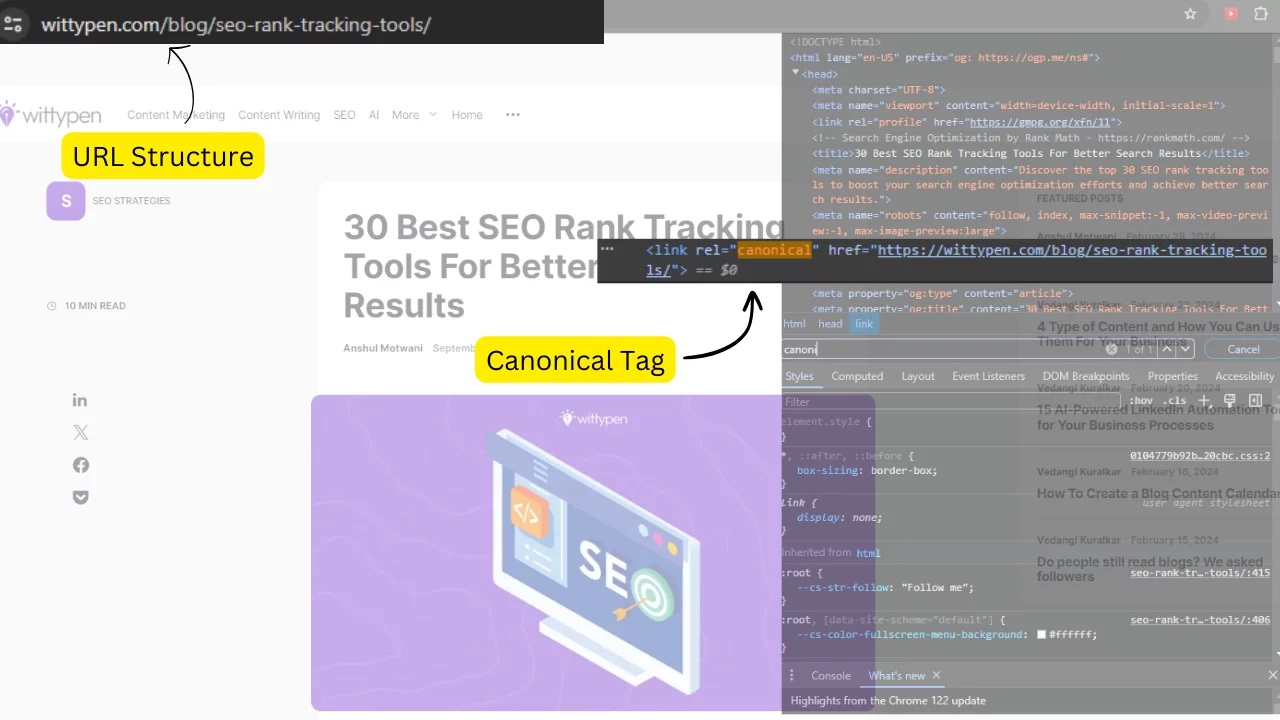
    2.Follow a Proper URL Structure

    You must implement a URL structure that is optimized for SEO and usability. An optimized URL structure will increase click-through rates from search engines and internal site navigation. 

    Key features of a good URL are:

    • Short and easy to understand 
    • Should contain keywords
    • Should communicate what the page is about
    • Separate words using a hyphen
    • Do not mention years that might change

    Lets consider following URL: https://blog-api.wittypen.com/content-writing-tools-for-seo/

    When users see this URL, they know what the article is about in just a glance. It also ensures that the search engine spiders know the content of your page before visiting it, making indexing your page easy for them. Additionally, the URL allows you to naturally add your keyword in one more place.

    However, if your URL is https://example.com/?information=1.html: users will not know what the page is about. Such a URL also makes it difficult for the spider to view the article’s content. 

    URLs play a role in your site’s initial ranking and page grouping. Considering the role a proper URL structure plays in your site’s performance, it is an important part of your on-page SEO checklist. 

    3. Ensure Keyword Optimization

    To ensure that your site appears in relevant search results, you must integrate keywords into your page. You must also undertake keyword research to find out what words or phrases people use to find pages like yours. 

    Considering that Google gives more weight to the first 100-150 words of a page, you must use your keyword once here. For example, in this article, the keyword ‘on-page SEO checklist’ is used in the initial 100 words. 

    Another way to optimize keywords is to use them in H1, H2, and H3 tags. In this article, the term ‘on-page SEO’ is used in the first subheader itself. 

    You must ensure that the keyword density of your focus keyword and other related and long-tail keywords is maintained at 1-2% throughout the body of the content. Critical on-page elements where you must include keywords are:

    • Titles
    • Headers
    • Meta Tags
    • Body Content
    • Images

    These need to be incorporated strategically to ensure that the search engines detect it and match it with relevant queries. Keyword optimization strategies that you must follow to ensure success are:

    • Avoid keyword overstuffing, as this can lead to poor user experience and penalties from search engines
    • Use the keywords sparingly and strategically where they have relevance and contextual appropriateness 
    • Regular monitoring and analysis of keyword performance is a must for successful keyword optimization

    An added advantage of this is that it will make the reading experience of your visitors natural and user-friendly. 

    4. Make Effective Headings and Subheadings 

    Headings and subheadings are crucial elements of the on-page SEO checklist because they assist search engines in understanding the structure and main content of the website. They also enhance the experience of your visitors by providing them with a clear hierarchy and enabling them to scan your content. 

    To ensure that you have effective headings and subheadings, you must implement the following practices:

    • The headings should provide clear, concise descriptions of the content that follows.
    • Headings should be further optimized using primary and long-tail keywords. Primary keywords are usually used in H1, and other relevant keywords are used in H2 to H6. 
    • While H1 should be used only once throughout the article, H2 to H6 subheadings can be used as many times as needed. 
    • Avoid misusing or overusing heading tags, as this will distract the search engines from identifying the main content and thus potentially undermine your SEO efforts.

    Content Optimization On-Page SEO Checklist

    When it comes to content optimization, unleash the power of on-page SEO techniques by ticking off every box on your on-page SEO checklist. This will guarantee that your content shines and reaches the relevant audience.

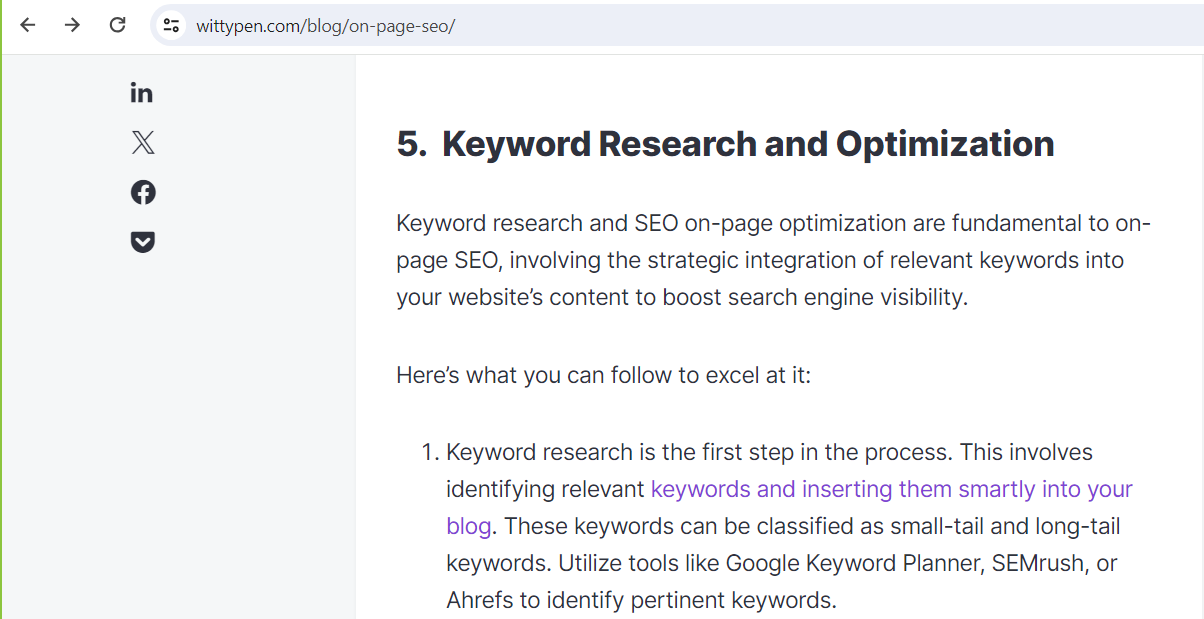
    1. Carry Out Keyword Research and Targeting

    The base of keyword research is to identify search queries relevant to your business and customers. It is a 3-step process of finding, sorting, and prioritizing keywords. Let’s simplify this: 

    • Identify Your Competitors: To start with keyword research, check out what keywords your competitors are using. This is because if they are getting results from those keywords, you can too. 
    • Focus on Your Main “Money” Keywords: Also known as “head terms” or “pillar keywords,” these bring in leads, sales, and conversions. They are high-competition, high-volume keywords that give insight into your content. Keywords with transactional or commercial intent tend to have higher conversion rates.
    • Focus on Long-Tail Keywords: These are specific search queries with low volume and are thus easier to rank for. Using long-tail keywords often leads to more conversions. Usually, long-tail keywords have main keywords embedded in them. 
    • Make a Keyword Map: After you have your target keywords, map them to the right pages on your site. Group keywords that answer the same question and focus on each set of keywords to design your site’s structure and potential pages
    • Identify Search Intent: Find out what kind of searches are happening for your keywords – are people looking for information, trying to buy something, or just browsing? Make sure your content matches what they are searching for. 

    Sorting out the right short-tail keywords and long-tail keywords is a small thing to remember that can make all the difference. Identifying the right intent and opportunity considering the search volume is crucial.

    Lastly, identify the questions that visitors are asking related to your keywords, assess your ranking potential for a keyword, and prioritize your tasks accordingly. Keyword research and targeting are thus crucial elements of every on-page SEO checklist. 

    2. Prioritize High-Quality Content Creation

    One of the most vital elements of a complete on-page SEO checklist is content. The amount of content you have can significantly impact your website’s visibility on search engines.

    This is why when you are crafting your content, you need to make sure to integrate your keywords strategically and pay attention to the following techniques:

    • Place keywords early in your content to give them prominence. 
    • Utilize strong tags for your keywords within the article when appropriate. 
    • Pay attention to keyword density; naturally, repeating keywords throughout the page can enhance their presence in the content. 
    • It’s essential to maintain a healthy level of uniqueness and minimize duplication on your website. Google favors unique content, so strive to keep your content as fresh and original as possible. 
    • Focus on creating content that is valuable and relevant to your audience. Think about what they want to know, what problems they are trying to solve, and how your content can help them. 
    • Break up your content with headings, bullet points, and images to make it easy for users to digest. This, in addition to your other on-page optimization techniques, will accurately signal the structure and relevance of your content to the search engines. 

    To ensure high-quality content, you must audit your site’s existing content. Do this by consistently monitoring traffic and engagement levels on your page. This will help you identify areas for enhancement and boost your site’s SEO performance. 

    Make the necessary updates and revisions to ensure that your content remains current and relevant. This will help maintain the quality and effectiveness of your content over time while also signaling to search engines that your site is active and authoritative. 

    3. Optimize Images and Media

    Optimizing images and media is an unforgettable element of a complete on-page SEO checklist, as it leads to more unique page views, backlinks, and shares. To keep the content engaging, add visual content like how-to videos, infographics, illustrations, photos, and more. 

    Tips for optimizing images and media are:

    • While having original images is gold for your on-page SEO, if you do not have any, sourcing quality images is the next best thing. However, avoid using stock photos, as Google detects them as duplicates and does not boost your SEO. 
    • The images and media you use should be relevant to your content, positioned well, and sized appropriately. 
    • Resize and compress your multimedia to ensure that they do not slow down the loading time of your page. 
    • Make sure your images and media are shareable, as this will help in boosting your EAT. 
    • When you save the images and media, use a filename that briefly describes what they are about. For example, an infographic on on-page SEO steps should be named – ‘on-page SEO steps’ and not something random like – ‘123456.’
    • Images and media should have descriptions. This will add an extra layer of context and engagement for your audience and will help drive your point home. 
    • Ensure images and other forms of media use Alt text (i.e., alternative text). This is included in a page’s HTML code to describe an image. It assists search engines and increases the accessibility of your page. Optimizing your images and media’s alt text leads to more traffic from search engines like Google and Google Photos.

    User Experience On-Page SEO Checklist

    Lastly, it is crucial that you do not forget about user experience as one of your on-page optimization techniques. Along with your complete on-page SEO checklist, it is all about keeping your visitors happy and engaged. This will ultimately boost your SEO rankings. 

    1. Guarantee Website Speed and Mobile Optimization

    Ensuring your website is mobile-friendly is crucial, especially since Google prioritizes mobile-friendly sites for rankings. Since mid-2019, Google has adopted mobile-first indexing for all websites. 

    Best practices to make your site mobile-friendly are:

    • Choose a responsive website theme to ensure it adapts well to mobile devices. When building your site, aim for a design that looks great on both – desktops and mobile devices to improve search engine rankings. 
    • Make navigation and content readability seamless on mobile devices. 
    • Optimize titles and meta descriptions specifically for mobile search engine results pages (SERPs). 

    Additionally, it is vital to check your site’s loading speed. A fast-loading site is crucial for better rankings, as search engines may penalize slow-loading pages. 

    Furthermore, securing your site with HTTPS is essential, as it is a confirmed ranking signal for Google. Ensuring your site is HTTPS-protected not only boosts security but also enhances your site’s credibility and trustworthiness. 

    Lastly, address any crawl errors promptly. If Google encounters crawl errors, it may struggle to index your pages, resulting in lower rankings. Keeping your site error-free ensures smooth indexing and better visibility on search engine results pages. 

    2. Facilitate User-Friendly Navigation

    User-friendly navigation is an essential component of your on-page SEO checklist. When visitors land on your site, you want to make it super easy for them to find what they are looking for.

    This is because if your site is a maze, users will quickly get frustrated and bounce right off. In contrast, if it is a well-organized, easy-to-navigate space, they will stick around longer and explore more.

    Some tips for ensuring user-friendly navigation of your pages are:

    • Logically organize your menus and submenus with the help of H1s, H2s, H3s, and so on.
    • Use descriptive labels for your images and media that make sense to your audience. The labels should not be vague or confusing but accurately reflect the content they lead to. 
    • Incorporate internal links throughout your content to seamlessly guide users to related pages.
    • Do not overwhelm your visitors with too many menu options. Keep your navigation menu clean and streamlined. 
    • Incorporate breadcrumbs as they provide users with a clear path back to where they came from, enhancing navigation and user experience. 
    • Ensure your navigation is just as easy to use on mobile devices as it is on desktops. Responsive design is key here. 
    • You can also add a search bar to your page, making it easy for users to find what they are looking for and enhancing on-page SEO effectiveness.

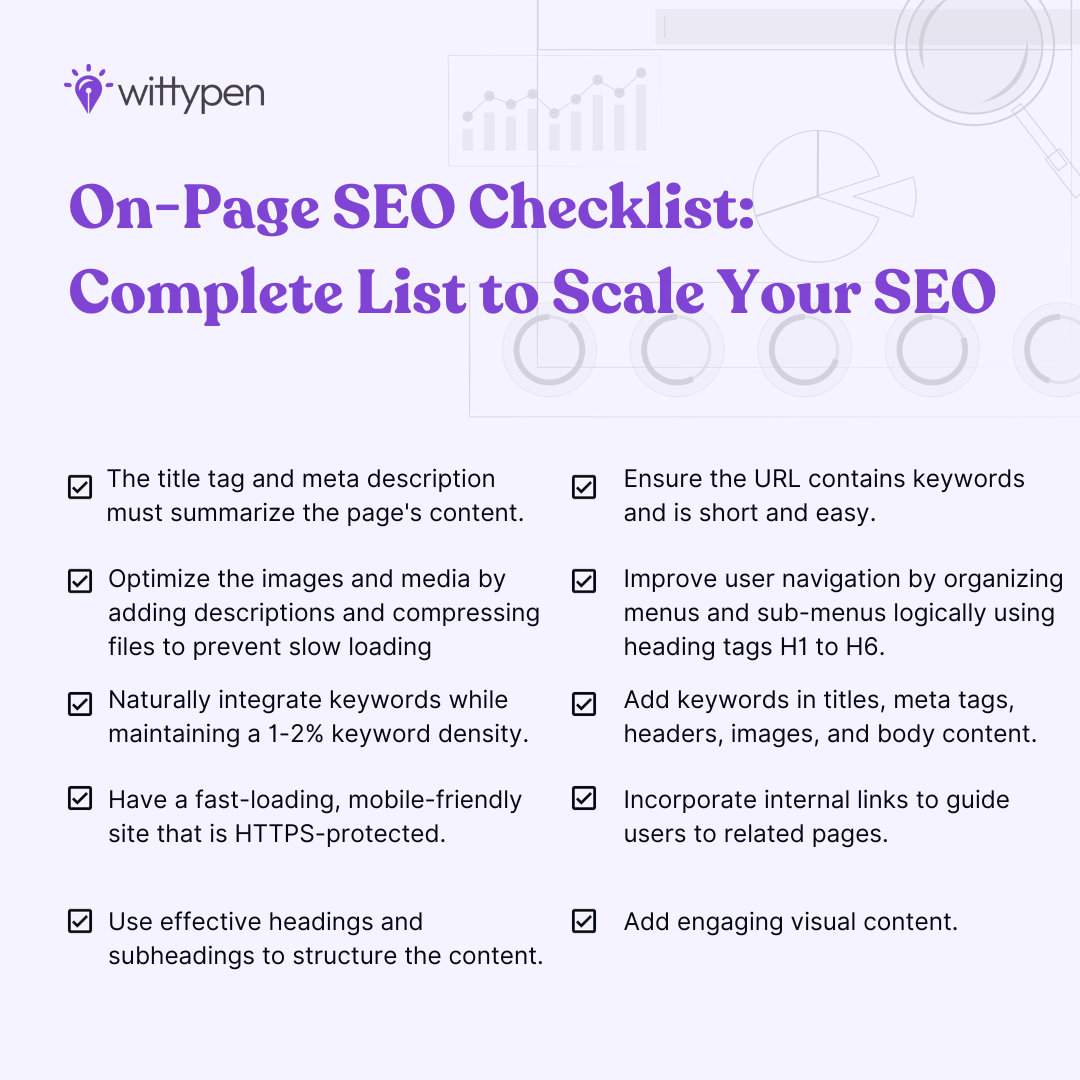
    How Does an Ideal On-Page SEO Checklist Look Like?

    To optimize your website’s performance, ensure effective indexing by search engines, and boost search rankings, implement this ideal on-page SEO checklist:

    • The title tag and meta description must summarize the page’s content. 
    • Ensure the URL contains keywords and is short and easy.
    • Naturally integrate keywords while maintaining a 1-2% keyword density.
    • Add keywords in titles, meta tags, headers, images, and body content.
    • Use effective headings and subheadings to structure the content. 
    • Create valuable, relevant, and engaging content for visitors.
    • Add engaging visual content.
    • Optimize the images and media by adding descriptions and compressing files to prevent slow loading.
    • Have a fast-loading, mobile-friendly site that is HTTPS-protected. 
    • Improve user navigation by organizing menus and sub-menus logically using heading tags H1 to H6. 
    • Incorporate internal links to guide users to related pages.

    The perfect assistant to the above on-page SEO checklist is Wittypen’s free on-page SEO checker. It is designed to give customized insights and expert tips aligned with the industry’s best practices for optimizing your website’s on-page SEO. 

    To use Wittypen’s on-page SEO checker, you need only input your published URL and the target keyword. In just one click, it will give you insights into your page’s overall performance, highlight successful strategies, identify critical issues that need to be fixed, and suggest potential improvements to enhance your site.

    The perfect assistant to the above on-page SEO checklist is Wittypen’s free on-page SEO checker. It is designed to give customized insights and expert tips aligned with the industry’s best practices for optimizing your website’s on-page SEO. 

    To use Wittypen’s on-page SEO checker, you need only input your published URL and the target keyword. In just one click, it will give you insights into your page’s overall performance, highlight successful strategies, identify critical issues that need to be fixed, and suggest potential improvements to enhance your site.

    Conclusion: Scaling Your Page with On-Page Optimization Techniques

    When you tackle your on-page SEO checklist and nail those techniques, you are not only making your content look good for search engines but also super user-friendly and engaging. From crafting compelling meta descriptions to incorporating mobile-friendly design elements, every aspect contributes to the overall performance and effectiveness of your online presence.

    Thus, with the help of your complete on-page SEO checklist, you have everything you need to succeed in the online world. However, on-page SEO steps are not just about ticking off boxes. It is about connecting with your audience, staying up-to-date with the latest trends, and constantly improving your website’s performance. 

    So, as you continue on this journey, remember to keep experimenting, keep learning, and keep pushing yourself to new heights. With the right mindset, the right technique, and the right tools, there is no limit to what you can achieve with your page. 

    Optimize your website effortlessly with Wittypen’s free On-Page SEO Checker. Generate a free SEO report on your blog and get actionable insights to improve your rankings. To get started, just add your blog URL and keyword.

  • Local SEO Keyword Research – Best Tools & How To Guide

    Local SEO Keyword Research – Best Tools & How To Guide

    Want more footfall on your stores or business channels? Go for local SEO.

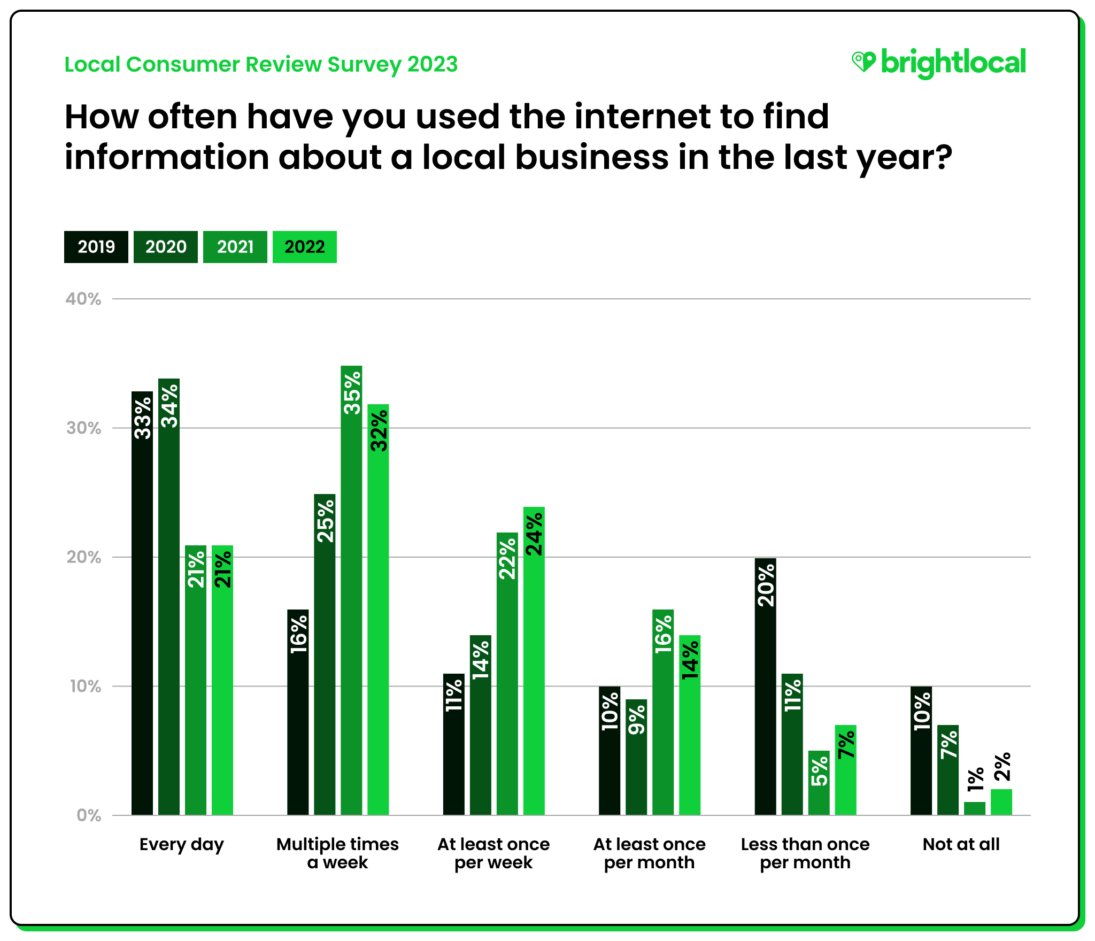
    A BrightLocal survey report found that 87% of people leverage Google to evaluate local businesses (2022). Extrapolating that number, if your business isn’t showing up on the local search results, chances are you won’t get the traffic to your website (or brand exposure) you envisioned.

    [Source]

    Let’s track down how consumers search locally for a business and what you can do to improve local SEO keyword research.

    What is Local Keyword Research?

    Local keyword research is an exercise businesses engage in to discover the regional keywords or keyword locations their target audience uses to search for services or products in their niche.

    The primary purpose of local keyword research is to optimize the web channels to appear in the results for users in a specific area when they search for the business’s products or services.

    Local SEO keywords tell a business exactly what their users are searching for. It empowers them to provide their users with the right and relevant information when they search locally for the business’s offerings.

    Why is Keyword Research Important For Local SEO?

    Keyword research for local SEO is pivotal for businesses trying to understand exactly what their target consumer is searching for.

    Below are more reasons to consider optimizing your web channels for local SEO keywords:

    • Local keyword research helps businesses generate more leads and boost sales. A report published by ReviewTrackers found that about 42% of the millennials who search locally for a business visit it.
    • Optimizing local SEO helps businesses rank higher in local search results.
    • It is an important tool to generate and publish relevant and targeted content, helping establish brand authority in a competitive market.
    • It is an excellent tool that businesses can use to refocus their products or services to new markets completely.
    • Local keyword research helps businesses streamline their expansion into related markets in newer regions.
    • Since most consumers leverage mobile devices today, local SEO optimization can help businesses make it easier for the target audience to find them in mobile searches.
    • Local keyword optimization is especially beneficial for businesses with local stores. It can help them boost the footfall inside their stores.

    How Can You Find Local Keywords?

    The best way to find local and regional keywords is to take one of your business’s services and punch it into search engines with your target location. Let’s take an example.

    If you launch Google and punch in the search term “Home appliance repair in Pune,” you get the following results:

    [Source]

    Below the business listings, the search results show several businesses that have leveraged this local keyword and its variations (appearing in bold text) to optimize their pages for local search. You can note these down.

    Additionally, if you scroll to the bottom of the search results, you will notice the “Related searches” section, where Google conveniently lists down the other queries that users punch in to search for similar services or products:

    The best part is that this can be done without using any keyword research tools. However, this will only get you so far. If you require more robust local keyword research and know the search volumes and competition for every keyword, you inevitably need a specialised keyword research tool.

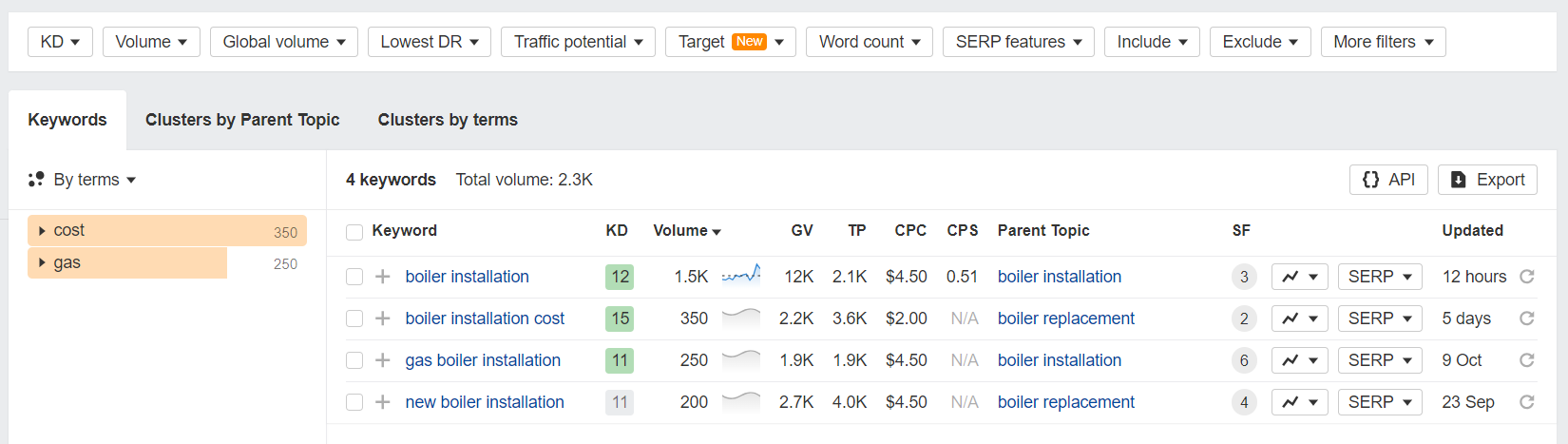
    For example, Ahrefs is a popular keyword research tool that businesses frequently utilize for this purpose. Once you have the list of all the services you are trying to rank for in local search, you can launch the Ahrefs tool and generate a list of all the local keywords your target audience uses to search for these services.

    You can also get the tool to list similar terms that are used.

    Ahref data

    To make your local search efforts even more effective, you can consider leveraging high-intent modifiers like:

    • “ – near me”; for example, “Home appliance repair near me.”
    • “ – in my area”
    • “Local – “; for example, “local home appliance repair” or “Pune home appliance repair”

    With these keywords, the consumer is highly intent to get things done. If your business takes the right initiative, this could help you boost conversions.

    How to Handle Multiple Locations

    If your business operates across several locations, you want to rank high for each of them. The best way to do that is to find the right local keywords for each location separately.

    For example, for “Home appliance repair in Pune,” you can modify the local search with keywords using “Kharadi home appliance repair” or “Home appliance repair in Viman Nagar, Pune”.

    You can optimize your webpage to rank for the local keywords across all the locations and areas where your business has branches.

    Best Tools to Find and Track Your Local Keyword Rankings

    Below is a list of the most popular tools you can use for local SEO keyword research:

    Ahrefs

    Ahrefs is a toolset that provides everything you need related to SEO. It has the following tools:

    • Site explorer
    • Competitor analysis
    • Site audit
    • Website optimization
    • Keywords explorer (local, regional, global)
    • Content idea generation
    • Rank tracker

    These tools form a comprehensive set of holistic SEO practices that are extremely effective.

    SEMrush

    SEMrush is more of a holistic content marketing tool that can also be used for effective keyword research. It has a robust set of features, including:

    • Keyword research
    • On-page SEO
    • Competitor analysis
    • Content marketing
    • Local SEO
    • Rank tracking
    • Social media management
    • Link building
    • Content creation, optimization and distribution
    • Market analysis
    • Paid ads and PPC

    SERanking

    SERanking is an SEO and marketing tool tailored to agencies; however, businesses can leverage its keyword research capabilities. It has great features:

    • Keyword research and keyword rank tracker
    • Backlink checker and monitoring
    • Competitor research
    • On-page SEO checker
    • Website audit and page change monitoring
    • Content editor and SERP checker

    KWFinder

    KWFinder is a quick and effective way to find local keywords for your business. It is an intuitive tool that allows you to perform competitor keyword analysis.

    The tool also provides you with search volumes for each keyword, including for local keywords. You can also do a SERP analysis using KWFinder.

    Get Local SEO Done Right

    Local keyword research helps your business become visible to your local target consumer. You could welcome this consumer to your stores and boost one-on-one sales. Since 98% of people go online to find information about a local business, performing local SEO keyword research is essential to boost lead generation and conversion.

    However, finding local SEO keywords is not enough to drive success home – you must also create high-quality content. The most crucial content strategy for local SEO is blogging. And that’s where Wittypen’s expertise lies.

    We can help you craft thoroughly engaging content centered around local keyword research and apply best practices to enhance the local content on your website.

    Let’s make it happen – get in touch with us today!

    FAQs

    What is local SEO keyword research?

    Local keyword research is discovering the search terms and queries that target consumers use to search for specific services or products online.

    Why is local SEO keyword research important for businesses?

    Optimizing for local searches helps businesses enhance local visibility and brand awareness for the target consumers residing in the same area, region, or city.

    How can I identify the right local keywords for my business?

    The right local keywords depend on key services and key localities of service of your business. This is where you should focus your local search on.

    What are some common mistakes to avoid in local SEO keyword research?

    Some of the common mistakes to avoid are keyword stuffing, ineffective internal linking, ignoring search intent, ignoring customer communications from local searches, and only targeting high-volume keywords.

    How can I measure and monitor the performance of local SEO keywords?

    You can use keyword ranking tools to understand how each local keyword performs on searches.