Category: SEO Strategies

  • 15 Best SEO Podcasts: Listen, Learn, and Level Up

    15 Best SEO Podcasts: Listen, Learn, and Level Up

    Are you tired of reading countless articles to learn new SEO concepts? If you’re someone who doesn’t like spending hours pouring through written content and also not compromising on learning, SEO podcasts are your jam.

    Tuning into search engine optimization podcasts is an excellent ‘hack’ to get bite-sized insights from industry experts. Get to know what’s trending, what’s flat-out not working, and the current lay of the land with the best SEO podcasts in 2023.

    Put on your headphones and listen to the best SEO podcasts listed below!

    Top 15 SEO Podcasts in 2023 

    1. TechSEO Podcast

    Source

    Topics: Link Building, Tech SEO

    Hosts: Keira Davidson

    Frequency: Monthly

    Listen On: Apple Podcasts, Spotify, Google Podcasts

    Website: TechSEO Podcast  

    If you’re a marketing specialist looking to strengthen your technical SEO expertise, TechSEO is a go-to option. Hosted by the great conversationalist Keira Davidson, this podcast brings to you the best of technical SEO through expert insights, discussions, knowledge, and tips.

    It covers a variety of technical SEO-specific topics, such as large-scale migrations, automated SEO testing, image optimization, improving page speed, and more.

    2. Voices of Search

    Source

    Topics: Product Management Partnerships, Enterprise-level SEO, Tech SEO

    Hosts: Benjamin Shapiro

    Frequency: Monday to Friday

    Listen On: Apple Podcasts, Spotify, Google Podcasts

    Website: Voices of Search

    Want to up your SEO and content marketing game but short on time to trawl the internet? With concise 20-minute episodes, Voices of Search is the perfect option for the busy bee.

    Packed with data-driven advice, this show offers actionable strategies to help you navigate the topsy-turvy world of search engine marketing. It provides valuable insights on mobile SEO changes, optimizing how-to content, how social media impacts SEO and more.

    3. SEO for the Rest of Us

    Source

    Topics: Content Marketing, Tech SEO

    Hosts: Brendan Hufford

    Frequency: Infrequent

    Listen On: Apple Podcasts, Spotify, Google Podcasts

    Website: SEO for the Rest of Us

    SEO for the Rest of Us is an essential toolkit for creative and budding entrepreneurs who are ready to take on the SEO world. Spanning over 85 thought-provoking episodes, this podcast aims to demystify SEO complexities, helping rookies position their products and services better in the digital age.

    Embrace the entrepreneurial spirit with this entertaining podcast hosted by SEO enthusiast Brendan Hufford. 

    4. Search Off the Record

    Source

    Topics: SEO, Tech SEO

    Hosts: Executives from Google’s Search Relations Team

    Frequency: Weekly

    Listen On: Apple Podcasts, Spotify, Google Podcasts, Stitcher

    Website: Search Off the Record

    Brace yourself for an exclusive peek into the behind-the-scenes look of Google Search, the hub of SEO, with this podcast. Brought to you by Google itself, this podcast guides you on how to use redirects, how to get a new website to rank, and topics like crawl budgets and image SEO.

    Hear directly from the experts on Google’s Search Relations team as they share details on their search console features and current projects. If you’re searching for the top SEO podcasts, you’ve struck the gold with this one!  

    5. Crawling Mondays

    Source

    Topics: Machine learning and ChatGPT in SEO, Link Building, Tech SEO

    Hosts: Aleyda Solis

    Frequency: Monthly

    Listen On: Apple Podcasts, Spotify, Google Podcasts, Anchor

    Website: AleydaSolis.com

    With this podcast, navigate through complex topics like leveraging ChatGPT for SEO, the role of machine learning in SEO, SEO auditing for large websites, and more, all within snackable, under-30-minute episodes.

    Hosted by internationally acclaimed SEO consultant Aleyda Solis, this podcast is all you need to enter the crazy realm of SEO.

    6. WTSPodcast

    Source

    Topics: SEO, Tech SEO

    Hosts: Areej AbuAli, Isaline Muelhauser

    Frequency: Bi-weekly

    Listen On: Apple Podcasts, Spotify, Google Podcasts

    Website: WTSPodcast

    Set sail in the enchanting world of SEO with WTSPodcast, a podcast dedicated to women’s empowerment in Tech SEO. With 36 enlightening, women-centric episodes filled with incisive discussions, this podcast easily makes it to the list of the best SEO podcasts in 2023.

    The podcast is focused on making SEO understandable for all. From overcoming imposter syndrome to learning how to scale an agency, amass the inspiration and knowledge you need to boost your career in SEO.

    7. WorkinSEO

    Source

    Topics: SEO, Tech SEO

    Hosts: Isaline Muelhauser

    Frequency: Weekly

    Listen On: Apple Podcasts, Spotify

    Website: WorkinSEO

    Finding it difficult to start a career in SEO? This podcast, hosted by international SEO consultant Isaline Muelhauser, explores the diversity of career paths in SEO with real stories and examples. 

    From discussing workplace bullying to starting an SEO career at the age of 60, Isaline delves into the nitty-gritty of the complex world of SEO and marketing. 

    8. The Edge of the Web

    Source

    Topics: Content Marketing, SEO, Tech SEO, Social Media

    Hosts: Erin Sparks

    Frequency: Weekly

    Listen On: Apple Podcasts, Spotify, Google Podcasts, SoundCloud

    Website: Edge of the Web

    Whether you’re a curious newcomer or a seasoned professional, this award-winning search engine optimization podcast has something for everyone.

    Spanning over 680 engaging episodes, it includes comprehensive coverage of digital marketing aspects: SEO, Email marketing, search engine marketing, the latest marketing news, and much more.

    9. Marketing Speak – Stephan Spencer

    Source

    Topics: Content Marketing, SEO, Tech SEO

    Hosts: Stephan Spencer

    Frequency: Weekly

    Listen On: Apple Podcasts, Spotify, Google Podcasts

    Website: Marketing Speak

    The Marketing Speak podcast is a treasure chest of knowledge for those looking to boost their website traffic and business success. This isn’t just a monologue by your host, Stephan Spencer, but a dialogue featuring marketing geniuses and successful entrepreneurs sharing the tricks of the trade.

    With 415 content-rich episodes, this podcast is your key to unlocking the secrets of digital marketing. 

    10. Search Talk Live – Robert O’Haver

    Source

    Topics: Digital Marketing, SEO

    Hosts: Robert O’Haver

    Frequency: Weekly

    Listen On: Apple Podcasts, Pocket Casts, Stitcher, Google Podcasts

    Website: Search Talk Live

    Get ready to take your marketing game to the next level with Search Live Talk Podcast. With over 17 years of experience under his belt, Robert O’Haver provides invaluable insights to bloggers and small businesses, leading them toward the path to success in the digital realm.

    His wealth of experience shines through as he demystifies SEO intricacies, offering expert analysis and practical advice.  

    With 106 detailed episodes, this engaging podcast cuts through the noise, giving you actionable insights to generate leads, drive traffic, and build a thriving online business. 

    11. The Recipe for SEO Success – Kate Toon

    Source

    Topics: Content Marketing, Social Media, SEO

    Hosts: Kate Toon

    Frequency: Biweekly

    Listen On: Apple Podcasts, Spotify, Google Podcasts, Stitcher, iTunes

    Website: The Recipe for SEO Success

    Struggling with SEO jargon and intricate theories? Journey into the realm of SEO with The Recipe for SEO Success Show, a podcast focused on augmenting your SEO understanding.

    This podcast makes information accessible and understandable even for the most inexperienced listeners, making it one of the best SEO podcasts for beginners. 

    With a splendid line-up of 131 illuminating episodes, this podcast is a goldmine of SEO expertise for enthusiasts who are keen on learning from trustworthy experts. From link building to e-commerce and engagement, arm yourself with the insights you need to conquer the SEO world.

    12. SEO 101 Podcast – Ross Dunn and John Carcutt

    Source

    Topics: Paid Search, SEO

    Hosts: Scott Van Achte, Ross Dunn

    Frequency: Every 3 weeks

    Listen On: Apple Podcasts, Spotify, Google Podcasts, Stitcher, Soundcloud, iHeartRadio

    Website: SEO 101 Podcast

    If you’re looking for the best SEO podcast for beginners, SEO 101 Podcast is the one for you. With a whopping 454 episodes, this podcast aims to build your fundamental knowledge, where you can start your SEO journey on the ground floor.

    The podcasters at SEO 101 cover basic topics like keyword selection, understanding analytics, and more to help you establish a stronger knowledge base. Heralded as torchbearers of beginner-friendly SEO, Scott Van Achte and Ross Dunn ensure that listeners are not overwhelmed with technical information.

    13. Human Proof Designs Podcast – Dom Wells

    Source

    Topics: SEO, Marketing, Content Marketing

    Hosts: Kelvin Mah

    Frequency: Biweekly

    Listen On: Apple Podcasts

    Website: Human Proof Designs

    Immerse yourself in a treasure trove of practical tactics through this captivating Building Online Empires podcast presented by Human Proof Designs.

    Whether you’re looking to gain insights into content site construction, enhance your affiliate SEO skills, or explore other valuable aspects of online business, this podcast arms you with strategies to navigate the dynamic world of digital marketing.

    Unleash the marketer in you and navigate through the tough waters of SEO with this one of the best SEO podcasts.

    14. The Seo Singh Show – Seo Singh (Favourite)

    Source

    Topics: Content Marketing, Advanced SEO, Social Media Metrics      

    Hosts: Karan Singh

    Frequency: Biweekly

    Listen On: ApplePodcasts, Google Podcasts, iHeartRadio, Podchaser, Castbox

    Website: SEO Singh

    No more scouring the web for content creation, content repurposing, content distribution, the latest SEO, social media, conversion optimisation, content marketing, and effective digital marketing strategies. With an astounding 276 episodes at your fingertips, you’ll never run out of productive content with the Seo Singh Show.   

    This is a podcast hosted by Karan, aka Seo Singh, a seasoned marketing expert who is committed to delivering his hard-earned wisdom to you. Nurture your brand and catalyse your personal growth as a marketer with the Seo Singh Show’s massive podcast library.

    15. Search Engine Journal Show – Loren Baker

    Source

    Topics: Content Marketing,Entrepreneurship, Paid Search, SEO, Social Media

    Hosts: Loren Baker, Brent Csutoras, Danny Goodwin

    Frequency: Biweekly

    Listen On: Apple Podcasts, Spotify, Google Podcasts

    Website: The Search Engine Journal Show

    Baffled by the massive information about SEO? Look no further than the Search Engine Journal Show, one of the best SEO podcasts available. With nearly 349 insightful episodes, this podcast delves into current SEO topics and includes in-depth interviews with industry experts.

    Best-suited for seasoned SEO professionals, it is your one-stop resource for learning about PPC ad compliance, Google algorithm updates, and other technical aspects of search marketing.

    With “The Search Engine Journal Show,” get ready to delve deeper into digital marketing, boosting your SEO skills and staying ahead of the curve.

    Take the Leap with the Best SEO Podcasts

    Tuning into these SEO podcasts is a great way to build and gain the knowledge you need to develop a solid content marketing strategy. But how do you implement it?

    If you’ve done your homework, you know consistency in any SEO content strategy is the pivotal condition for success.

    Here’s when outsourcing your content creation will guarantee your consistency. With a team of dedicated writers, editors, and managers, Wittypen takes care of your SEO content writing needs while you focus on the technical nitty-gritty of SEO. 

    Want to accelerate and streamline SEO content creation? Explore our annual Content Growth Packages, powered with human expertise, featuring AI tools!

    FAQs

    How can I find SEO podcasts that are relevant to my business?

    The easiest and quickest way to find podcasts is to perform a discovery Google search. Just select your niche and type in “business podcasts,” and you’re done!

    Are SEO podcasts suitable for beginners?

    Yes, the best SEO podcasts can act as useful learning tools for beginners. They can be your on-the-go hub of information and inspiration, helping you explore every nook and cranny of the SEO world.

    How often should I listen to SEO podcasts?

    Avoid binge-listening to podcasts, as it can impede your ability to learn and remember. It is recommended to finish one podcast episode a day. This will give your mind enough downtime to absorb and synthesise what you learn.

    Can I implement the tips shared on SEO podcasts without professional help?

    As an SEO expert or a business owner, you can turn to SEO podcasts for the latest, most effective SEO practices. You can implement the shared techniques and strategies without seeking professional services.

    Are there any SEO podcasts that focus specifically on local SEO?

    There are several local SEO podcasts available that can make you a better local marketer and SEO expert. Some of these include the Local SEO Tactics podcast, Let’s Talk Local Podcast, Local SEO Today Podcast, and more.
  • 7 Ways To Easily Set Up An SEO Content Strategy

    7 Ways To Easily Set Up An SEO Content Strategy

    With the digitisation and globalization of businesses, every industry has become quite dynamic. The cut-throat competition can make it difficult to grab customer attention. Businesses must stay ahead and use digital tools to get a kickstart.

    To do so, more and more companies are investing in digital marketing to bring in more customers and build a global presence.

    But isn’t digital marketing vast? Where should you get started? One of the most crucial concepts of digital marketing that businesses must invest in is SEO Content Strategy. We recommend you start your digital marketing journey there.

    But what is it all about, and how do you build the best SEO Content Strategy that helps your business grow in 2023?

    The following article delves deep into it and ensures you easily reach your business goals in no time. So, what are you waiting for? Jump right into the article to learn everything and build an effective SEO Content Strategy for your business!
    What Is SEO Content?

    Nowadays, a lot of people find businesses through the internet and social media, but the platform is quite saturated. This is why businesses invest in digital marketing and build an all-in-one SEO content strategy.

    SEO content is all about carefully crafting high-quality content that helps your website rank higher on search engine result pages (SERPs). But why so? Well, when your page appears in the top search results, there’s a higher chance of people clicking on your website.

    Moreover, high-quality SEO content also helps engage your readers and easily reach your target audience. Investing in SEO content for blogs, product pages, landing pages, and other interactive web content can help you ensure a better online footprint.

    Why Combine SEO With Content?

    Before we jump right into the tips and steps to set up your SEO content strategy, let us discuss how SEO is important for your business.

    Since digital business presence matters so much, your website is at the heart of your business online. The content there needs to be engaging and interesting to make a mark with the readers and attract them further.

    Moreover, well-written and structured SEO content can ensure that search engines will take notice of your website.

    As a result, your site ranks higher in the SERPs and helps you get more traffic. Another reason is that search engines analyze your content and offer detailed reports about your target audience.

    This helps in better keyword research and content curation to satisfy evolving user needs and set up the path to getting more customers.

    What Steps Should I Follow To Create The Best SEO Content Strategy?

    Creating your SEO content strategy can become much easier once you learn who your target audience is. However, it is not a cakewalk, meaning you need to carefully create a roadmap and execute it.

    If you do not have any experience in digital marketing, it might be a bit difficult to build your content strategy. This is why a lot of businesses hire digital marketing agencies for their professional expertise.

    But we’re here to teach you the different aspects of SEO content strategy to help you build one. So, what are you waiting for? Keep on reading to learn from the top digital marketers in the industry!

    Discover Your Business, Competition, And Target Audience

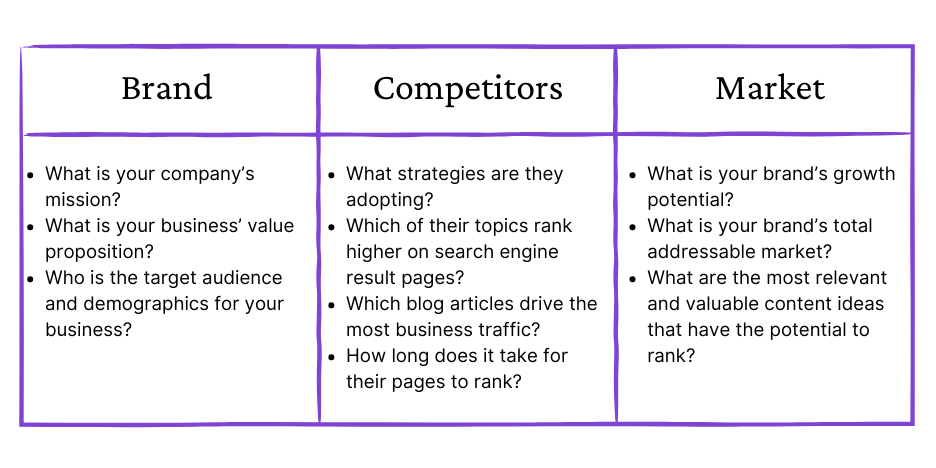
    Although it is difficult to create an SEO content strategy, the following table lists some questions that can help you discover your brand, competitors, and target audience. It will help you create a strategy that will help you drive more organic traffic.

    Brand

    Getting answers to all of these questions can help you efficiently plan an SEO content strategy. Moreover, it reduces the need for trial and error and increases the chances of getting more organic traffic.

    Conduct Keyword Research And Create A High-Value Topic List

    Keyword research is another important aspect of creating an SEO content strategy. Proper keyword research (based on the search volume) can help you get better recommendations and find out keywords that have low search volumes.

    Although high search volume (SV) keywords are great, they are highly competitive, making them quite expensive.

    This is why even the highest authority websites sometimes struggle to rank for these keywords. On the other hand, LV keywords offer marketers a few chances to rank quickly.

    As soon as you’ve identified the top keywords that can help you get traffic, find out relevant topics that have the potential to get more readers. This will make it easier to plan your content beforehand and carefully curate articles.

    Include Different Content Formats

    Nowadays, video content is more popular among users and can quickly help grasp the attention of readers. We recommend checking out what type of content is trending in your industry for better conversion rates.

    You must also analyze your target audience’s behavior and find out where they spend most of their time. Some common content types that you can focus on include:-

    • Videos
    • Infographics
    • eBooks,
    • Blog Posts,
    • Podcasts,
    • Interactive website content

    Create Shareable Content For End-Users

    Creating share-worthy content can help you get better ROI and maximize the efficiency and impact it has. Some factors you must consider are:-

    • What content type performs well in your niche?
    • Seasonal content topics
    • Key performance indicators (KPIs)
    • Site authority
    • Outreach markets

    Think Of Passive And Manual Link Acquisition Opportunities

    Prioritizing any existing strong passive linking opportunities in your niche will help you get better results. But what exactly are strong passive link opportunities?

    Well, topics that have multiple results and 100+ links provide strong linking opportunities. After all, the effort and cost to generate manual links are reduced.

    However, you might still need to consider manual outreach at times. It will help you actively market your blogs in the relevant industry, which increases the chances of the content being shared. If your site is new and you want to build your domain rating, manual outreach can be a good option.

    Establish Key Metrics To Track Your Success

    When creating an SEO content strategy, it is important to track your growth and success. You can use tools like Ahrefs and SEMRush to get access to real-time data that helps you evaluate your progress toward your set goals.

    Or, you can get the help of Google Analytics and Google Search Console to keep an eye on your site and new content pages.

    Optimize Content And End-User Experience Over Time

    The digital marketing industry is highly volatile, which is why you cannot set your SEO content strategy and forget about it.

    As soon as your strategy starts working and gets you more traffic, you need to check whether the content is boosting conversion rates or not.

    Revisit your pages at least once a year and update the content to stay relevant to changing market needs.

  • 26 Top WordPress SEO Checklist for Organic Growth

    26 Top WordPress SEO Checklist for Organic Growth

    If you’ve chosen WordPress for your website’s CMS (Content Management System), part of the reason would be its SEO-friendly, out-of-the-box features, right?

    After all, search engine optimization in WordPress is a breeze, especially for individuals or those new to the digital marketing space. But merely using WordPress isn’t a replacement for a good SEO strategy, and there’s some effort you need to take to rank your website on Google and other search engines. This is where an SEO basics checklist adds tremendous value.

    SEO is a continuous process that website owners need to follow and work on to help retain and increase their website’s ranking, using “natural,” “organic,” or “earned” results.

    In this in-depth guide on WordPress SEO, we touch upon all the major steps you can take to improve SEO on WordPress and create a long-term WordPress SEO strategy.

    The Ultimate WordPress SEO Checklist to Boost Traffic

    If you have a WordPress website or are planning to create one, here’s an SEO basics checklist that will tell you how to implement SEO for WordPress and master WordPress SEO fairly quickly.

    Think of this as a first step for improving SEO on WordPress, and use it as the base for your amazing website. Some of our essential WordPress SEO tips include:

    1. Setting Up Google Analytics and Google Search Console

    Google Search Console and Google Analytics are the very basics that you need to improve SEO on WordPress. Search Console is a tool to understand Google search results and keyword analytics. It needs to be connected to your Google Analytics account and WordPress website.

    To do this, follow the steps below:

    • To start, go to Google Search Console and log in with your Google Analytics account. You will be taken to this Welcome screen once you have input your Google Analytics login details.
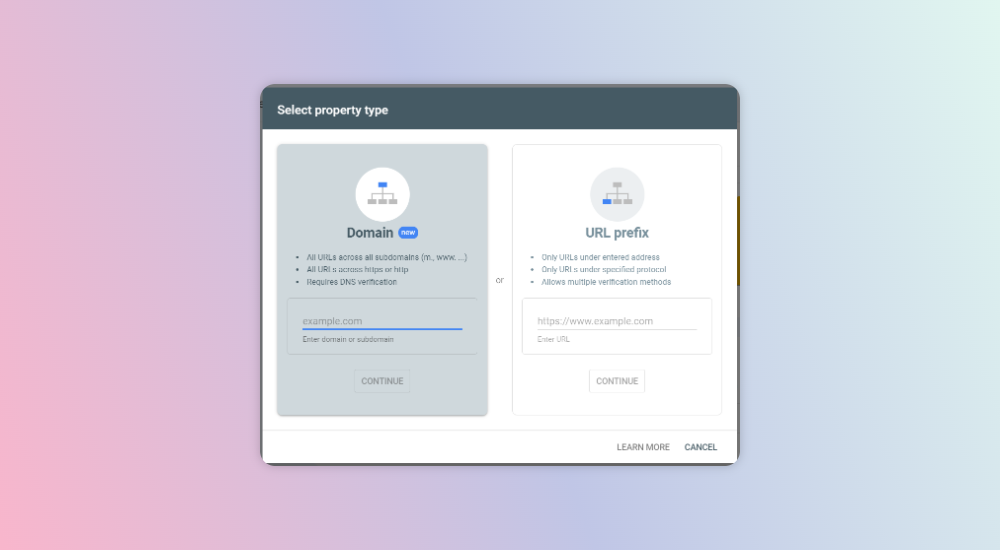
    Google Search Console - Property type
    • Once you’re on this page, you need to verify ownership using the Domain method or URL prefix method. We recommend using the Domain method, where once you input your domain or subdomain, you’ll be taken to the verification via DNS records.
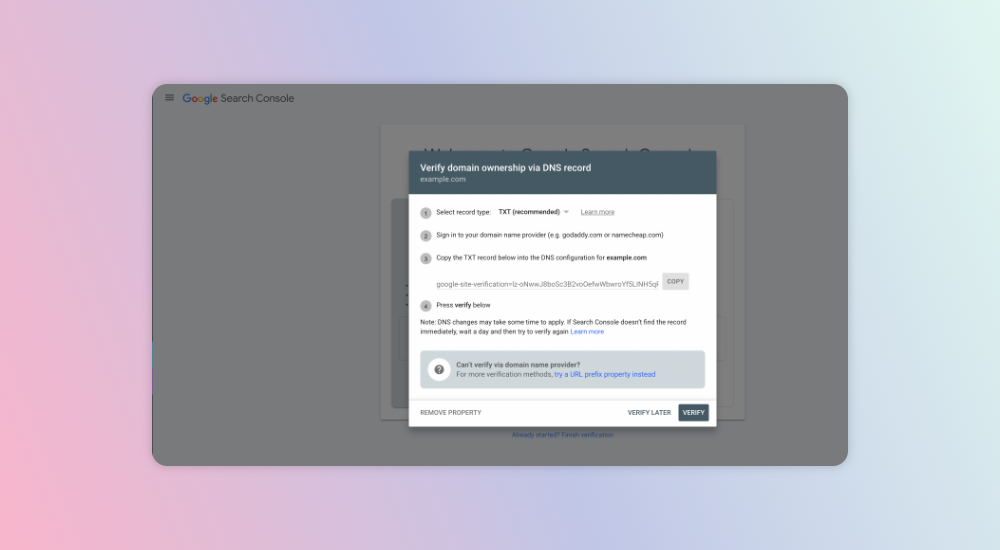
    Google Search Console Verification
    • Here, copy the TXT record and paste it into your DNS. Once this is done, you can easily go back to Search Console and click Verify—you’ll get a success message. For more assistance, visit Search Console Help.

    And that’s it! Your website is connected to Google Search Console. Now, you’ll need to connect Google Search Console and Google Analytics

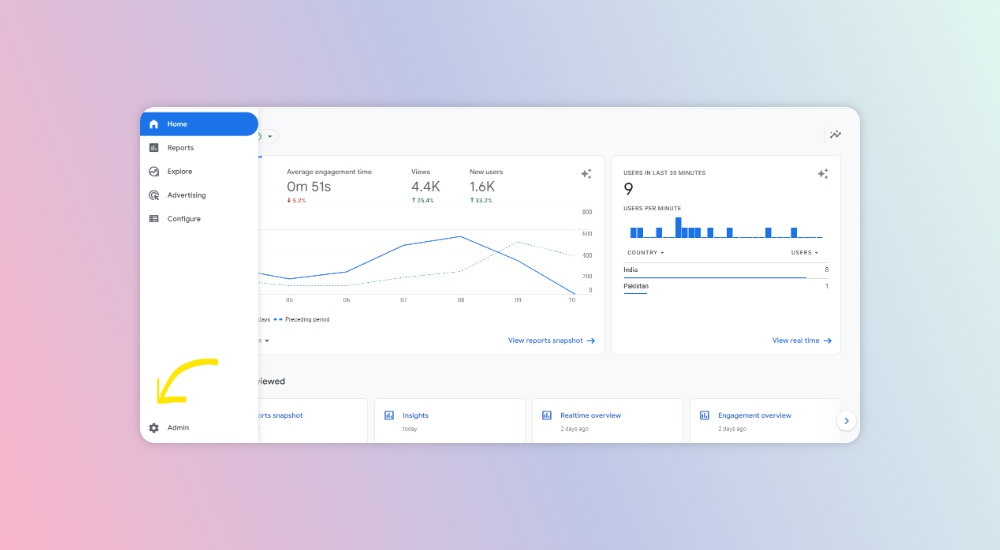
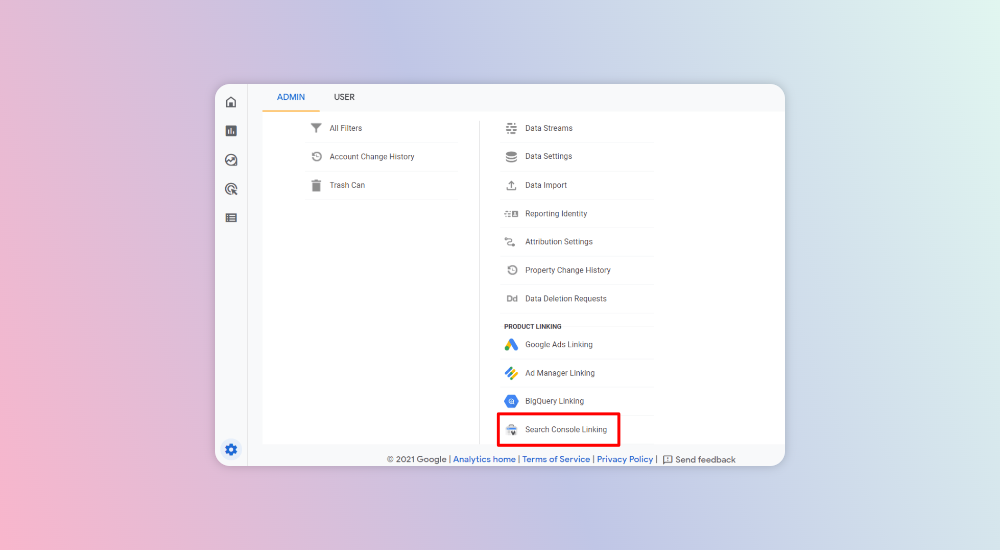
    • Next, log in to Google Analytics and click on the ‘Admin’ tab on the left-side panel.
    • Here, click on ‘Search Console Linking’ under the Property column.
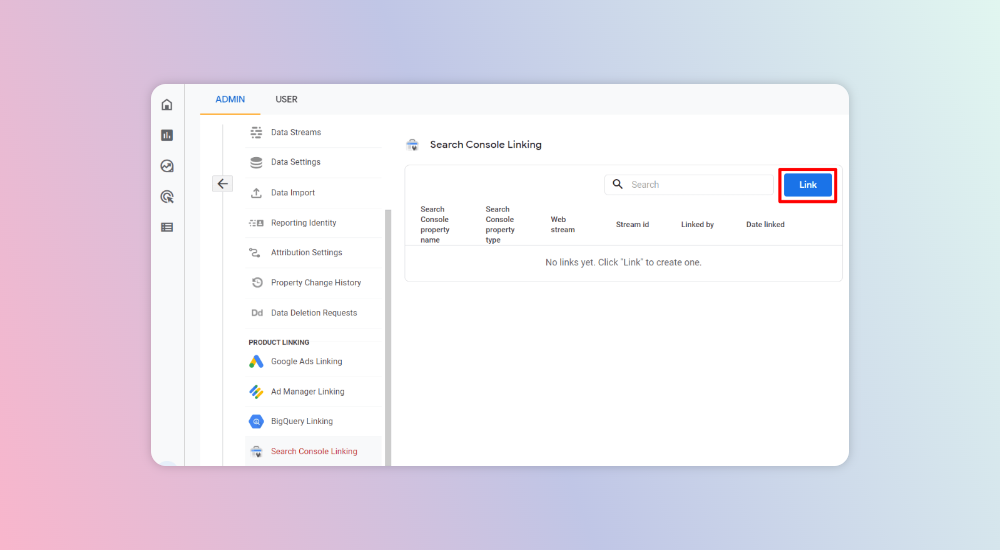
    • Next, go to the ‘Link’ button.
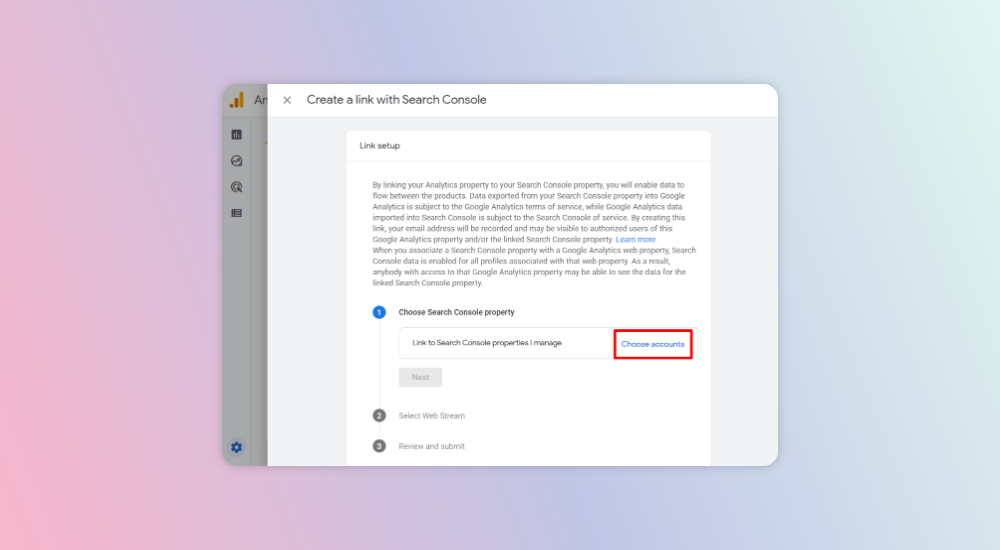
    • Click ‘Choose Accounts.’
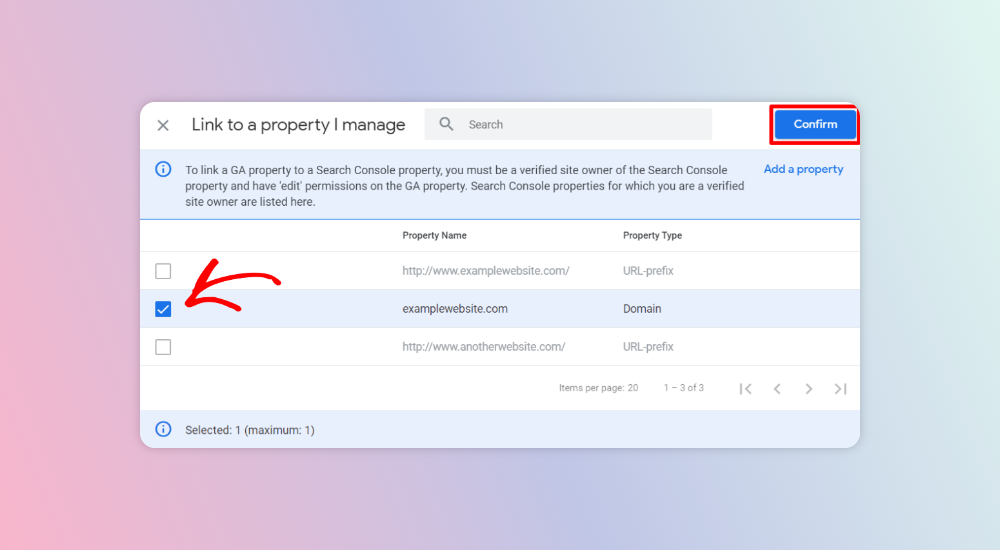
    • Click ‘Checkbox’ next to your domain and click ‘Confirm.’
    Check Box button
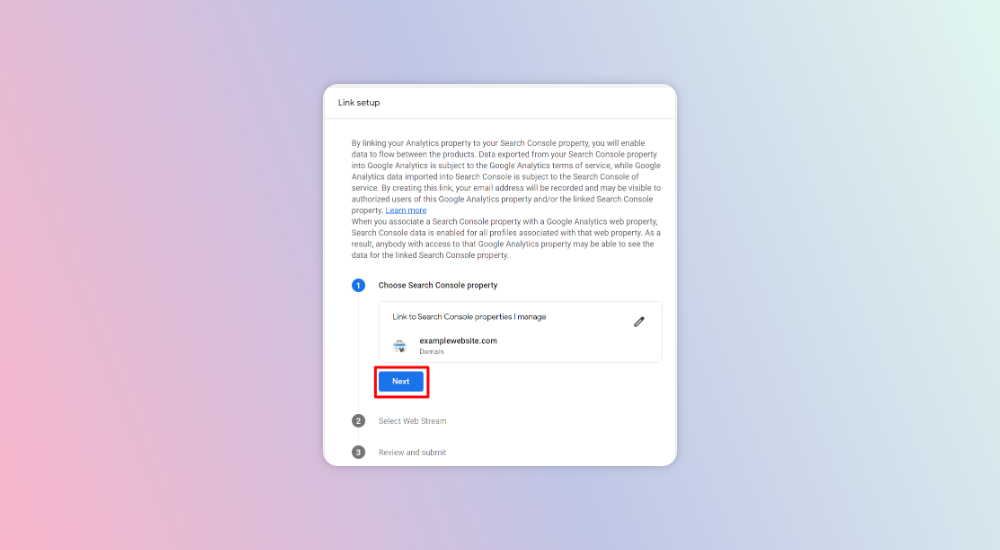
    • Click ‘Next.’
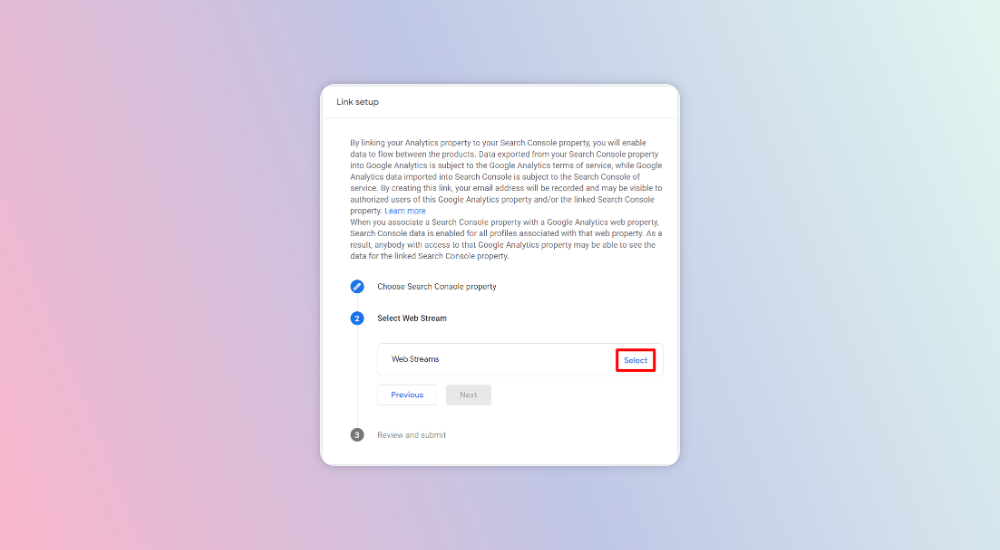
    • Select ‘Web Streams’ by clicking on ‘Choose.’
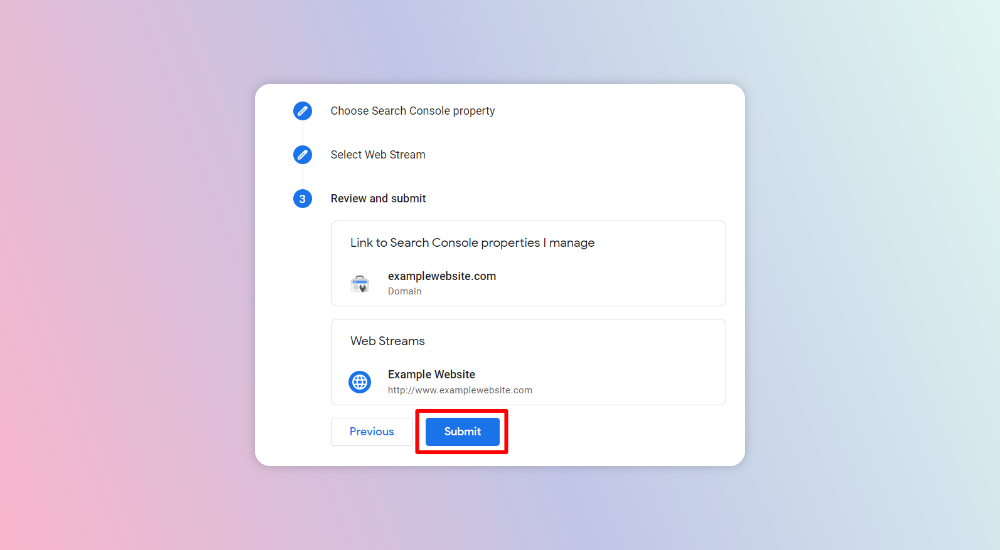
    • Check that everything is correct and hit ‘Submit.’
    • And you’re done!

    2. Set 301 Redirects to Old Pages

    If your WordPress website has a huge content repository, especially migrated from another older website, you’ll notice many broken links that need fixing.

    Broken links on a website are bad not just for your SEO but also for your visitors since they give a wrong impression. The easiest way to fix this issue is by:

    • Deleting old links if the content is not relevant
    • Applying 301 redirects for internal links
    • Updating old content and refreshing the link
    • Correcting any links in case they have changed/have typos

    To identify these broken links, you can use the Google Search Console—it has a crawling feature to find such anomalies and add a 301 redirect from the broken link URL to its correct URL.

    3. Install SEO-friendly Plugins

    WordPress SEO out-of-the-box is pretty good, but it’ll only get you to do stuff everyone else is doing. WordPress SEO plugins are a great way to take complete control over optimizing your website and take your SEO optimization for WordPress up a notch!

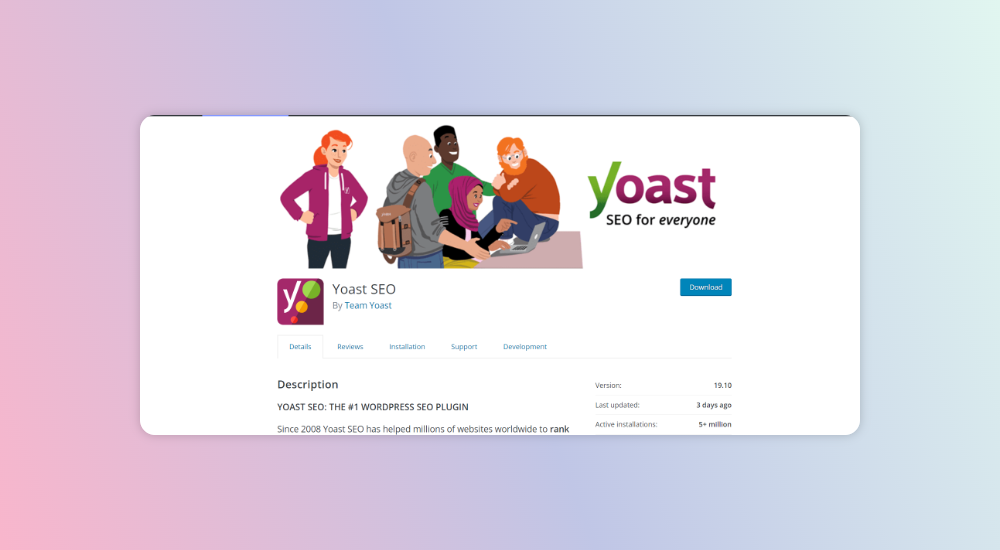
    While there are multiple tools and free plugins that you can consider, we highly recommend starting with Yoast SEO. It has over 5+ million installations, can be downloaded free from the WordPress repository, and is extremely easy to use.

    To install Yoast SEO or any other WordPress SEO plugin, you need to follow these simple steps:

    1. Visit the Plugins page within your WordPress dashboard and select the ‘Add New’ option.
    2. Search for the plugin you want. In this example, search for ‘Yoast SEO.’
    3. Activate the plugin from your Plugins Page.
    4. Now, you will see it in your ‘Plugins’ menu on WordPress, where you can go through its configuration and set up the plugin for your site.
    5. Done! You can start using the plugin and explore more features.

    4. Appropriately Place Keywords, Titles, and Descriptions

    Keywords form the crux of your content and WordPress SEO, but stuffing keywords randomly will no longer help. In fact, it’ll put off your reader and may not get you the results you expect with search engines. Instead, use your keywords strategically, and leverage a combination of the right keywords at the right place.

    This includes using short-tail and long-tail keywords and placing them appropriately by:

    • Including the primary keyword in the titles
    • Including the primary keyword in the H1 tags and descriptions
    • Including the primary keyword in the website URL
    • Finding and using question-based keywords and answers to help rank higher

    5. Start Creating Quality Content

    Creating high-quality content is not just a great way to optimize your WordPress SEO; it’ll help you get the right kind of readers and interest. The more attention your pages get, the higher the engagement and time spent on them, and the better they rank in SERPs.

    Gone are the days when simple usage of the right keyword and its variations helped you rank your content on SERPs. Today, it takes a lot more to get search engines to understand your content and get into their good books. Creating high-quality, value-driven, and relevant content is the simplest and most powerful way to do this.

    6. Keep an Eye on Keyword Density

    Keywords still matter, but it’s not just about how frequently or how much they are used; it’s more about how well your SEO best practices are followed when using keywords. A simple rule of thumb for any content you create is to create content for humans, not search engines.

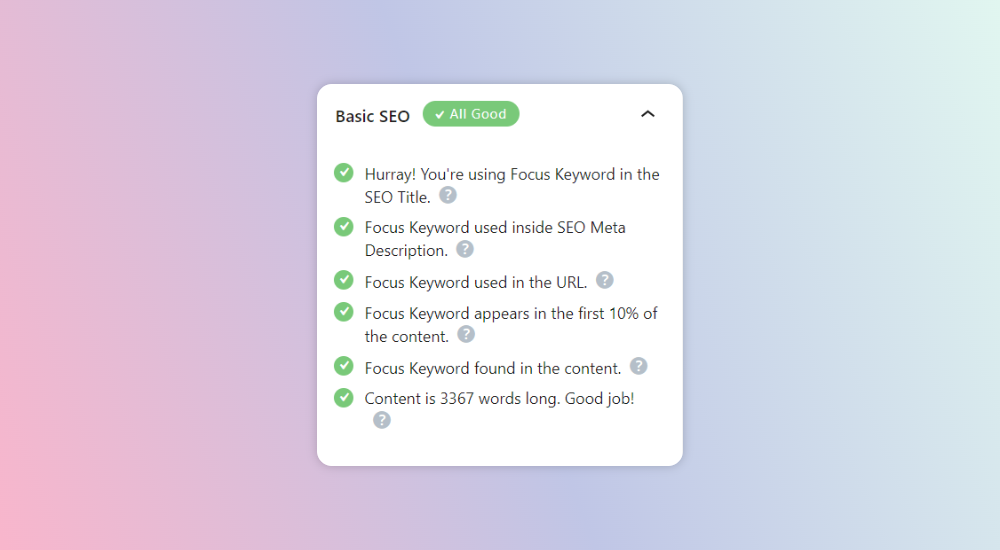
    When using keywords, make sure you’re using them in the right way, and focus on keyword density to get it right. The Yoast SEO plugin for WordPress is a great tool for analyzing keyword density and other analytics, helping you create a highly-optimized page that is ideal for both search engines and your readers.

    7. Proper Image Optimization

    Using images for your website doesn’t just add a visual element and help you optimize your design; it’s also essential for your website’s SERPs. Photos with the right alt-txt and name tags can improve your chances of getting noticed.

    Some steps you need to undertake for your image optimization include the following:

    • Naming your image files wisely
    • Adding alt-txt for your images to help search engines know what it is about
    • Using high-quality but optimized images
    • Making sure your images are using CDN

    8. Add Videos to Increase Dwell Time

    Since 2020, a wide range of users prefers to consume content that is in multimedia format, i.e., videos, images, GIFs, or interactive content instead of plain and simple text. Adding videos or audio support to your content will help widen your reach and ensure your audience spends more time on your page.

    Plus, multimedia content allows you to inject keywords as alt-tags, which will be displayed when a user searches for that content.

    9. Nail Your Headline

    One of the first things your reader notices on your website is the headline. If the headline’s not appealing enough to convince the reader to delve deeper into the topic, they may switch to the next search result, resulting in you losing a potential lead.

    Your headline should have elements that:

    • Encourages readers to click on it
    • Contains keywords that help search engines identify the topic
    • Satisfies user intent
    • Is short enough to rank but long enough to be self-explanatory

    A great source to find and explore headline options is the Hubspot Idea Generator, where you can add your keyword and get ideas or themes for your blogs or website titles.

    10. Build Internal Links Strategically

    Similar to external links, internal links also play a crucial role in your SEO strategy. They help search engines understand the relationship between your website structure and its pages while enabling users to find and discover similar content on your website. For using internal links strategically:

    • Create a highly simplified yet easy-to-navigate website sitemap
    • Determine the most important pages and make sure these are easy to find
    • Prioritize linking these pages to other high-value pages

    11. Don’t Forget Tags and Categories

    Tags and categories are often overlooked, even when working on on-page aspects of your website. However, they offer a way to help your website group similar content and make it easy for your users to find and discover it. These tags or categories don’t just help readers navigate to similar topics; they also help crawlers and search engines find similar pages, helping you rank higher in SERPs.

    12. Page URLs Should Be Structured

    Your website or page URL is not just an address that helps users navigate to your page; it also has great value in SEO. On WordPress, the URLs of your new pages or blogs can be customized, allowing you to provide the right name to the link.

    A good practice when structuring your website URLs is to include the primary keyword and use it to give a clear context. Make sure it follows a set pattern, as it helps boost your SEO and clickthrough rates.

    13. Use HTML Tags to Improve On-page SEO

    Search engine crawlers will use HTML header tags to understand the relevance of your site’s content, and it’s a good practice to have the H1 tag as the most crucial header, supplementing H2 and H3 tags to add more value. The more interlinked these tags are, the better it’ll be for your SEO.

    For example, if your H1 uses a crucial focus keyword, the additional headers can include your short-tail or long-tail keywords or variations, giving a strong boost to your WordPress site and helping it rank better.

    14. Set up XML Sitemap for Better Insights

    For those who love plans or blueprints, the XML sitemap is the blueprint for your website and is loved by search engines. It helps them understand your WordPress website’s navigation and includes information on any changes the search engines need to understand your website’s structure.

    The most significant advantage of the XML sitemap for your WordPress SEO is that it makes navigating easier for your users and is like an index to your website. This helps search engines and users navigate to orphan pages and ensure these get ranked if a relevant search is performed.

    15. Boost Your Site Speed

    If a website takes longer than 3-5 seconds to load, it’s bound to lose a potential visitor—this is true even for WordPress sites. WordPress websites are preferred as they load faster and usually fare well in this department.

    However, it’s always a good practice to check page speeds and eliminate factors hindering pages from loading faster. This includes optimizing images, graphics, code, or other intensive activities that may affect your page speed.

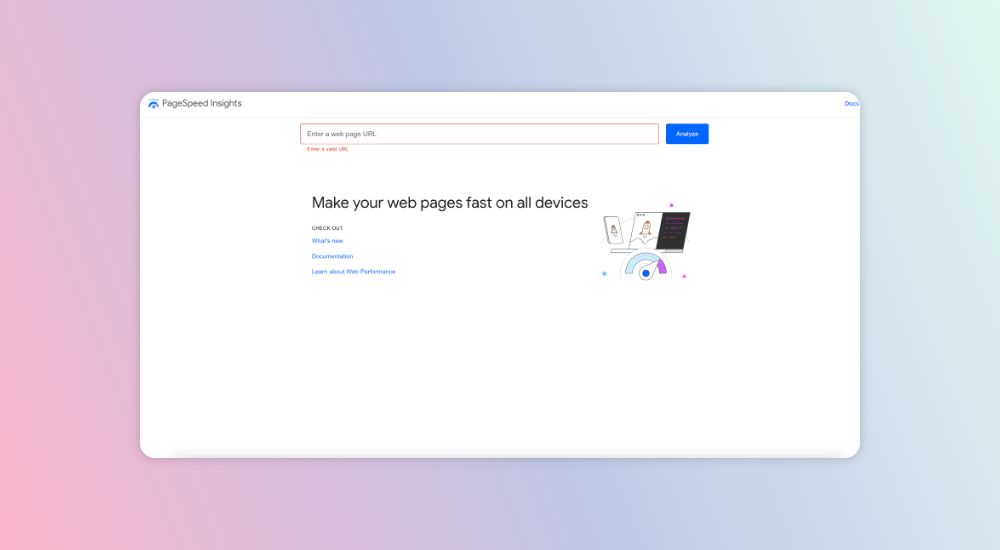
    Google’s PageSpeed Insights is the easiest and most efficient way to find your page’s performance and identify gaps that can help optimize it. Faster load times even help with your rankings since the search engine is more likely to suggest it to users with slower internet bandwidth.

    16. Focus on User Intent

    When users feed in a search term, the context and intent of the searchers play a huge role in defining the kind of results they’ll get. Search intent is defined in four categories:

    1. Informational: Where the searchers are looking for specific questions or general information
      Example: How to write a blog
    2. Navigational: Where searchers intend to find a specific website or page
      Example: Blogging websites/blogging platforms
    3. Commercial: Where searchers want to research something, be it brands, products, or services, before they buy something or take an action
      Example: Best blogging service providers
    4. Transactional: Where searchers are intending to complete the buy action
      Example: Hire blog writers online

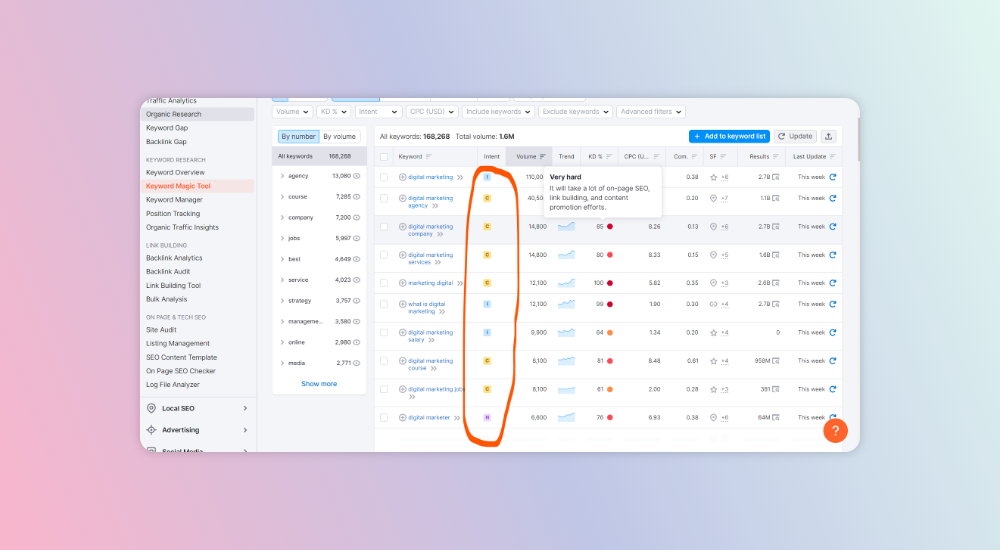
    If you use SEMrush for your SEO, you can see search intent being highlighted as well—this can go a long way in ensuring you rank for the right search results.

    17. Evaluate Your Backlink Profile

    Backlinks are vital for WordPress SEO, as they are used in Google’s recent E-A-T principles to determine your relevance and expertise.

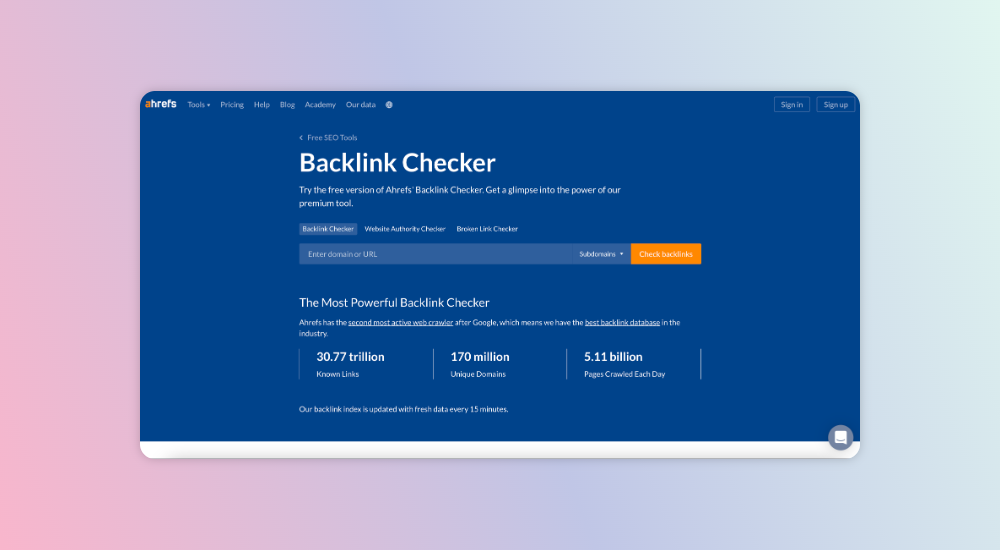
    To understand how well your WordPress site fares in terms of getting the right backlinks, you can use ahrefs’ Backlink Checker to get the right tips and recommendations, as well as other details about your website.

    Ahref Backlink Checker

    18. Use PR to Boost SEO

    Public Relations (PR) helps build awareness and a positive image of your brand, while SEO helps improve your company’s website ranking on search engine results pages.

    Since the objective of both SEO and PR is the same, they’re often used hand in hand, given the diverse channels they need to focus on. A simple way to integrate PR and SEO activities is by:

    • Focusing on gaining high-authority links from top publications and portals with high brand/domain authority. This improves your website’s SERP rankings since it gives your website more credibility, authenticity, and expertise.
    • Requesting links when your brand, product, service, event, or other entity is mentioned on a third-party website. If your PR team knows which pages (especially landing pages or specific product pages) they can promote for backlinks, you can focus your SEO on these pages and create a win-win combination.

    Suggested Reading: 25+ Content Marketing Tools – Drive Growth For Your Business

    19. Identify Crawl Errors

    Crawling is the process where a search engine will move from the pages of your website and discover the elements that your website is using.

    Sometimes, if there are broken links or improper linking, the crawling process can get hindered and lead to your website pages not showing up on SERPs despite having the relevant keywords.

    To identify crawl errors, go to the ‘Coverage’ report in Google Search Console and fix any issues that may be listed there.

    20. Ensure Your Website is Responsive

    Your website is no longer accessed primarily from computers or laptops—devices like smartphones and tablets are also being used to search and find your page.

    Although WordPress websites inherently use responsive design, if it’s not responsive enough, it’ll lead to your content getting cropped, taking time to load on mobile, or other issues, eventually leading to a negative SERP for your page.

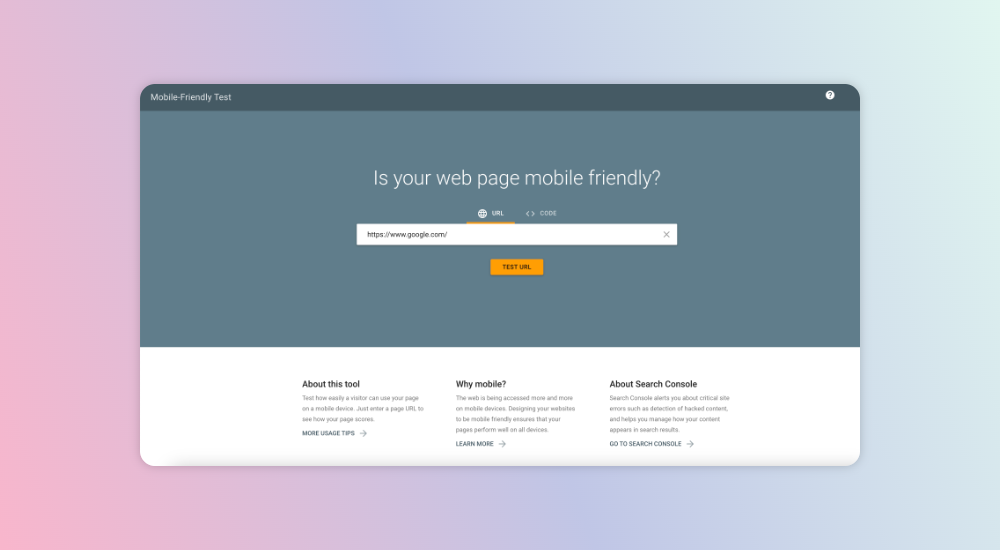
    You can use Google’s Mobile-Friendly Test Tool to understand your WordPress website’s responsiveness and ensure it’s optimized.

    21. Inspect Your Website for Redirect Chains and Loops

    A redirect is when you forward one URL to another. For example, if you have two pages, with titles ‘Data Analytics’ and ‘Big Data Analytics,’ having very similar content structures, it’s best to merge or use the most relevant page when users search for any of these terms.

    Redirect chains help the search engine know when to redirect the user from the requested URL to the destination URL and assist in:

    • Ranking new content
    • Making it easier for your website to crawl
    • Improving page load speed

    22. Fix Any Duplicate Content Issues

    Although this may sound silly to a new website creator, duplicate pages are one of the most common reasons why your website or a particular page might not rank.

    Search engines can’t determine which page to rank if you have two identical pieces of content or similar titles for your page, so de-indexing or redirecting these pages is the only way to ensure that this situation is avoided.

    23. Create/Optimize Your Robots.txt File

    Robot.txt is an instruction that’ll tell your search engine which page it can crawl to and which ones it should avoid. This ensures that search engine crawlers can focus on the right pages and prevents server overload or crawl wastage if you have many on your website.

    To create the robot.txt files on your pages, you can download the ‘All in one SEO’ plugin and follow these instructions:

    24. Conduct a Content Gap Analysis

    Content is king, but if it doesn’t have a strategic approach, you’ll discover that multiple opportunities are not getting converted.

    A content gap analysis involves assessing your website’s content to identify missing pieces to help create a strategic approach for your target customer. It enables you to ensure you create targeted content that’s aligned with your buyer journey so that it:

    • Gets higher engagement
    • Meets user expectations
    • Generates more traffic

    Search engines love top-notch content and are focused on buyer intent, so conducting a content gap analysis on a timely basis is always recommended.

    25. Implement Schema Markup

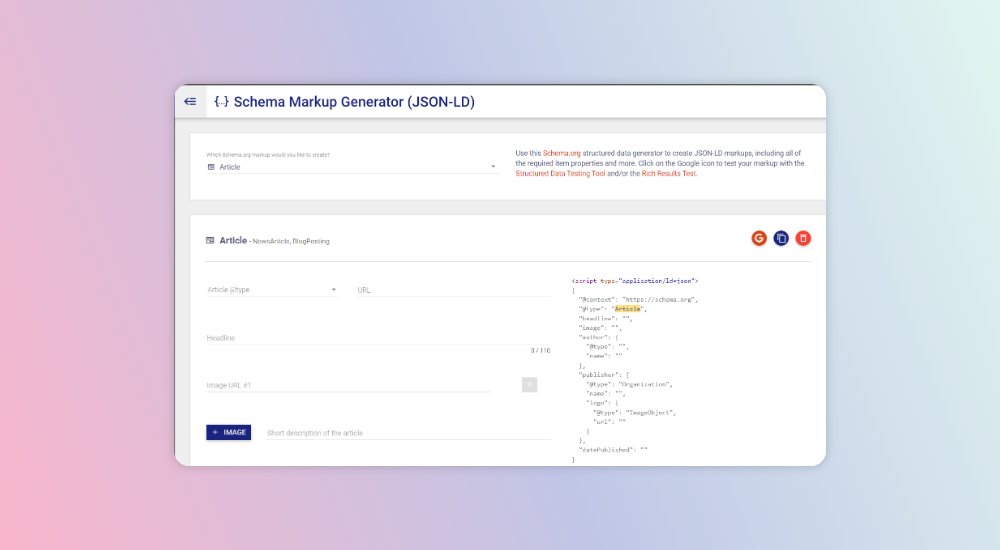
    Schema markup is a kind of code that enables search engines to understand and describe your page’s content. Implementing it in your website helps create more descriptive and visually appealing snippets on SERPs, which makes it easy for search engines to know what it is and where it can be displayed.

    A great way to implement schema markup is by using technicalseo, which enables you to do this in a few easy steps without knowing any coding.

    26. Publish Content Regularly

    Many WordPress websites have fantastic content, but the site is not updated regularly or has content published months ago. This isn’t good for anyone visiting your page or search engines. It’s crucial to publish regularly and even update your existing content or repurpose it to meet the needs of today’s users.

    Make sure you post frequently and have a content calendar to dish out valuable content regularly. Recently updated and high-value content consistently gets the topmost rankings on any search engine.

    Conclusion

    Wow! That was exhaustive! 

    With these WordPress SEO tips, we’re sure you’ll have a well-rounded understanding of how to do SEO for WordPress. As with any other subject or topic, the deeper you dig in, you’ll uncover a new world waiting to be explored.

    Since improving SEO on WordPress is a long game, we suggest keeping this SEO basics checklist handy and discovering more ways to optimize SEO for WordPress websites.

    We’re at the end of this blog but undoubtedly not the end of your SEO journey—there’s a lot you can keep doing to help your website rank high and ensure it stays there for the long run.

    Keep learning, and don’t forget to focus on quality content. While content is the ruler of the digital realm, it’s SEO that will ensure that the ruler stays on its throne for longer. 

    Wittypen-Blog-Banners-01

    FAQs

    1. What is SEO?

    Search engine optimization (SEO) is the process of increasing the visibility of a website or webpage in search engine results pages (SERPs). 

    2. How is SEO important for writing blogs on WordPress?

    Your WordPress blog/website content contains highly valuable insights and information that can create a vital channel for generating leads and optimizing your brand’s reach. Following a blog SEO checklist helps you optimize your blog content and keep it structured for easy readability.

    3. Does the SEO checklist help in ranking on search engines?

    An SEO checklist helps you create authoritative, relevant, and highly compelling content—the primary driver for search engine rankings and conversions. Content quality is crucial for improving SEO; readers are more likely to interact with your page and stay longer if the content matches their primary requirements when searching a particular keyword.

    4. What are the best SEO plugins on WordPress?

    Some of the best plugins for SEO optimization for WordPress include:

    5. How can I write SEO-friendly posts on WordPress?

    To optimize SEO for WordPress blogs, you can follow the simple steps mentioned in detail in our blog:

    • Appropriately place keywords, titles, and descriptions
    • Start creating quality content
    • Keep an eye on keyword density
    • Ensure proper image optimization
    • Nail your headlines
    • Conduct a content gap analysis
    • Publish content regularly
  • What Is A Website Title? 7 Benefits You Must Know

    What Is A Website Title? 7 Benefits You Must Know

    What was the first thing you read about this webpage before clicking?

    Was it our website name? The description of the blog? Or is the title in bold? 

    It was the title, wasn’t it?

    The title that you read before clicking on our link is called the title of your website or title tag. The title “SEO Fundamentals: What Is A Website Title?” intrigued you and made you click on our webpage. This makes it a very important aspect to ace for us. 

    Your title of the website is the first impression on any reader, which is why it’s crucial to make it right. Find ahead in this simple guide what a website title actually is, why it is important for UX and SEO, and how you can write it to be its most efficient self.

    What Is A Website Title?

    A website title, or a title tag, is an HTML element that helps you understand the webpage’s content. It is the first thing users read when they see your website link on the SERP. Here’s what a website title looks like on the SERP:

    website title example

    In the above picture, the text written in blue, saying “What Is HTML? Hypertext Markup Language Basics..” and “What is HTML? Definition of Hypertext Markup Language” are the website titles of the respective websites.

    The title tag helps both the users and search engines identify the context of the website. It is how your website link appears everywhere. This makes website titles an important part of your On-Page SEO and, in fact, SEO in general. Hence, it is crucial to optimize them for ranking higher and getting more clicks.

    Benefits Of Optimizing Your Website Title

    Having an optimized title is crucial for your website’s SEO. Website title is how your website appears on the SERP, in open tabs, and on social media when your link is shared. Read along to find in detail how having a well-written website title can help your website:

    1. Improved Search Engine Ranking:

    Optimizing your website titles for SEO helps you rank your website higher in the SERPs. According to a Google update released in 2021, it was conveyed that title elements are used 87% of the time to determine website content. Title tags are also the way your website is showcased everywhere on the web. 

    Along with showing up on the SERP, this is how website titles are displayed on open tabs:

    title tags

    Titles are the first impression of your website for users and search engines and the medium through which your website is recognized on the web. Well-written website titles also lead to easier crawling and indexing by search engine bots. The better you optimize it, the higher your chances of ranking.

    1. Enhanced Click-Through Rates (CTR):

    Your website’s click-through rate, or the number of impressions your website has, is simply the number of people who clicked on your website link. A higher click-through rate directly means a higher number of visitors to your website, which is the end result we all desire.

    Website titles, when well-written and catchy, help in improving your CTR and driving traffic to your website. Lengthy and non-informative titles can lead to users skipping your website in the SERP. Optimized website titles help users identify if the website is relevant to them. Hence, good website titles also result in a better user experience. 

    seo content writing

    Best Practices For Creating An Effective Website Title

    Titles aren’t difficult to ace. They are simply short descriptions of your website content. However, if done wrong, you can drive away potential traffic. Learn how to write them better here: 

    1. Be Clear And Concise:

    The ideal length for a title, or title tag, is 50-60 characters. A disadvantage of writing a longer website title is that the end of it might get cut off and end up looking like this:

    examples of website title

    This way, your website misses out on conveying the full message to the audience. Search engines also prefer a clear and concise website title. Make sure to directly convey what the website is about. 

    1. Use Relevant Keywords:

    If we’re talking about SEO, we’re always talking about keywords. It is important to include your target keyword in the title of your website. Including the target keyword at the beginning of your website, and title helps capture the reader’s attention more quickly. Along with this, it also makes it easier for the search engine to connect the user query with your website.

    1. Make It Unique:

    Creating a unique title tag for each of your web pages helps the search engine understand the context of the content better and also helps it differentiate between different keywords. This results in easier crawling and indexing of your website, making it important for optimization. Duplicate title tags confuse the crawler and might affect your website rankings.

    1. Consider Branding:

    It’s a good idea to add the name of your brand at the end of your title tag. This way, whenever your website pops up on the SERP, the readers keep reading the name of your brand. The name stays in their mind and creates brand awareness and credibility.

    1. Avoid Keyword Stuffing:

    Keyword stuffing in your title tag is unnatural and not appealing to read. Search engine algorithms also don’t cater to websites with keyword stuffing. Take this blog as an example. Instead of writing “What Is A Website Title?: Website Title Definition & Website Title SEO Importance,” we named it “SEO 101: What Is A Website Title? – Wittypen”, which is much easier to understand.

    1. Be Compelling:

    Make your title tag more compelling by writing titles using descriptive words and copywriting. As the website title is the first thing a user sees regarding your website, it is important to write it as catchy and attractive. The more descriptive the website title is, the more the users are inclined to click on it.

    1. Test And Refine:

    Using SEO analytics tools like Rank Math to test the performance and SEO strength of your title tag is a great way to improve your title tag. Here is a screenshot of Rank Math telling about the SEO performance of the title tag of my last blog:

    Adding power words, sentimental words, and numbers to your title tag are great ways to improve your SEO score.

    Summing Up

    Titles are a small part of the wide landscape of SEO, but it’s a mistake to take them lightly. They’re how your website content is represented to readers and search engines. Writing website titles between 50-60 characters with attractive titles is the safest way to ensure higher rankings.

    Coming up with titles is also a great way to show your readers your creativity. If coming up with good titles and creating quality content is something your brand is struggling with, outsource your content needs to Wittypen.

    Wittypen is equipped with experienced SEO content writers and website content writers who will help your brand scale its growth in no time.

    Content Writing Services

    FAQs

    1. Why is a website title important for SEO?

    It is important for SEO as it helps search engines recognize your website’s content and link it with the search keyword and your web page’s target keyword. It also helps users understand if your website content is relevant to them, which enhances user experience.

    2. How to create an effective website title?

    These are a few steps to create an effective website title:

    • Be clear and concise while writing your website title
    • Use relevant keywords at the beginning of your website title
    • Make it unique, and don’t let there be duplicates
    • Consider adding your brand name
    • Avoid keyword stuffing
    • Use SEO tools to test and refine 

    3. What is the ideal length for a website title?

    The ideal length for a title tag is 50-60 characters. Anything longer than 60 characters has the chance to get cut off at the end of the SERP, which results in the brand not being able to convey its message completely.

    4. How does the title impact search engine rankings?

    An optimized title improves the On-Page SEO of the website and enhances user experience. It is the way your website is showcased everywhere on the web, and hence a well-written website title leads to easier crawling and indexing by Google bot, which results in chances of ranking higher.

    5. Can I change the title of an existing webpage?

    Yes, you can change the title of an existing webpage. You can do that by editing the HTML code of your website or by editing it in the control panel of your website.

  • 9 SEO Case Studies That Worked Wonders For Businesses

    9 SEO Case Studies That Worked Wonders For Businesses

    Introduction

    Content marketing without Search Engine Optimization (SEO) often lacks visibility and reach, limiting its potential impact. SEO is a familiar term, yet its dynamic nature presents challenges in achieving mastery. However, some companies have successfully navigated these complexities, achieving top rankings in search engine results pages (SERPs).

    In our upcoming sections, we will highlight nine companies that have demonstrated exceptional outcomes by implementing robust SEO strategies. Discover how these companies leveraged SEO to drive their growth and gain insights into the effective tactics they employed. Get inspired by their success stories and consider how you might apply similar strategies to enhance your own SEO efforts.

    What is an SEO Case Study?

    An SEO case study effectively demonstrates how a consultant or agency collaborated with a client to achieve significant improvements in their SEO performance.

    Many brands, aiming to enhance their local SEO strategies, choose to work with SEO agencies or consultants to help reach their desired objectives. A case study provides a detailed account of a brand’s journey from their initial position to improved standings in search engine results pages (SERP)—with outcomes like increased organic traffic, higher conversion rates, and improved keyword rankings.

    It’s important to note that SEO strategies are not one-size-fits-all. While some principles, such as content creation and keyword optimization, are universal, the application of SEO tactics can vary widely depending on specific industry niches, budget constraints, and business goals.

    By examining an SEO case study, you can identify key performance indicators and the strategies employed to achieve those results. These insights offer valuable lessons and actionable tactics that can be tailored to enhance your own brand’s SEO strategy.

    9 SEO Case Studies With Mind-Blowing Results

    Read along to find how 9 companies boosted their SEO results and gained commendable results with consistent efforts and great planning.

    1. Windows Report

    Windows Report Statistics

    Windows Report is an independent online publication. It is based in the UK and was founded in 2012 by Radu Tyrsina. The website posts content on everything related to Microsoft Windows, including Microsoft guides, software, hardware, and gaming.

    Their SEO strategy:

    Windows Report implemented the following changes when its growth went stagnant:

    Windows Report implemented the following changes when its growth went stagnant:

    • On data.windowsreport.com, the company built a linked graph for the magazine.
    • By using the ‘entity-based content model’, the company redesigned the organization of its content.

    The Results:

    Windows Report saw 61% organic growth in 8 months, making their monthly organic traffic more than a million.

    2. AI Content SEO Case Study

    Rahul Bhatia performed a SEO case study on AI written content to understand how well it ranks. For the test, his entire working process remained the same, except “The only thing different this time was all the content pushed on this website was AI content using multiple tools.”

    The Strategy:

    • Publishing 400+ AI-written articles from December 2021 to March 2022
    • Creating listicles on generic topics with low-competition keywords
    • Waiting six months to see SEO growth

    The Results:

    The website saw 129% growth in April-May 2022 with 2.1k organic visitors. However, Google updated its algorithm with a “broad core update” in May 2022, which started devaluing AI content. The organic traffic decreased by 23% after the update and dropped 44.2% by June 2022. 

    The good news? Human-written content will never go out of style.

    3. SMA Marketing For A Client’s Website

    SMA Marketing is an agency that provides personalized inbound marketing and SEO services to companies. For one of their clients who wanted to rank higher in a competitive SERP, SMA marketing implemented the following strategy that resulted in wondrous results.

    Their SEO strategy:

    For their client, SMA marketing implemented Semantic SEO and structured data onto their website. Here’s how they did it:

    • They implemented a pillar-cluster model. Introduced by HubSpot, the pillar-cluster model includes a pillar page on a core topic that is interlinked with topic clusters made of long-tail keywords around the pillar page’s main keyword. 
    • Building a knowledge base in connection with the linked open web.
    • Optimizing for rich feature snippets with schema markup.
    • Focusing on product reviews, FAQs, and video creation.

    The Results:

    SMA Marketing’s client noticed a 289.65% rise in website clicks, a 256.76% rise in impressions, and a 211.17% rise in ranking keywords on the website.

    4. DiggityMarketing For A Client’s Website

    Diggity marketing

    DiggityMarketing provides test-based SEO solutions for companies and is founded by Matt Diggity. His team at The Search Initiative implemented SEO strategies for a client that needed more organic traffic toward their core landing pages.   

    Their SEO Strategy:

    • Focus on creating new content landing pages via Power Hubs, which is simply the pillar-cluster model.
    • Using informational keywords (keywords in phrases, like questions) to improve the website’s keyword visibility.
    • Optimizing the website’s main menu for easy crawling by Google bot and a seamless user experience for the audiences.
    • Reducing the number of orphan pages on the website (pages with no internal linking).
    • Practicing link building

    The Results:

    DiggityMarketing’s client’s website’s organic traffic increased by 114.25%. Also, the number of top 100 ranking keywords increased from 2707 to 5013, or by 85.19%.

    5. Rtings.com

    Rtings.com Statistics

    Rtings.com is a website that contains in-depth product reviews to help users find the best product for their needs. 

    Their SEO Strategy:

    Rtings.com’s SEO strategy includes the following key points.

    • Optimizing the website structure for easy crawling and better UX
    • Creating multiple brand category pages to drive traffic
    • Dividing the category pages into subcategories and product pages
    • Practising internal linking and adding a ‘recommended articles’ section
    • Paying attention to their YouTube channel

    The Results:

    Rtings.com currently has a 4.1M organic traffic rate on the website, along with 608k backlinks and 2M ranking organic keywords.

     6. Lovish Madaan’s Client

    Lovish Madaan’s client’s website was making $0 and costing more than $5k a month. For this lifestyle niche website, he implemented SEO strategies to make the site grow.

    The SEO Strategy:

    • Performing keyword research and fixing old content pieces
    • Incorporated schema markup
    • Performing internal linking and forming content clusters
    • Improved website load speed
    • Paid attention to Google’s core web vitals
    • Added the latest FAQs regarding the keyword

    The Results:

    In three weeks, the website impressions rose from 421k to 839k, and the clicks increased from 6.12k to 11.4k. The website outranked top performing in the industry with 0 DR.

    7. Alpino Health Foods

    Alpino Health Foods Statistics

    Alpino Health Foods is a peanut powerhouse company in India that was founded in 2016 and aims to ‘make India a protein-rich nation’. The company was facing a low conversion rate as it had never focused on SEO and wanted to increase its organic traffic. 

    Their SEO Strategy:

    • Conduction a conversion audit (CRO audit) to analyze the customer journey on their website
    • Identifying and rectifying design issues and technical issues to improve UX and SEO mistakes
    • Performing deep data research to make informed decisions by understanding critical pain points
    • Keeping a check on website performance and performing A/B tests on the eCommerce website
    • Creating a content SEO plan

    The Results:

    Alpino Health Foods saw an 81.79% increase in its website conversion rate. The organic transactions rose by 361.84%, and the organic revenue rose by 515.76%. The organic traffic increased by 133.86%, and the bounce rate decreased by 53.70%.

    8. Serious Eats

    Serious Eats Statistics

    Serious Eats is a culinary website for fresh recipes and cooking tips, among various other great content. For their growth, they paid critical attention to Google’s E-E-A-T guidelines. E-E-A-T in Google stands for Experience, Expertise, Authoritativeness, and Trustworthiness.

    Their SEO Strategy:

    Here’s how Serious Eats improved its website rankings:

    • By designing their home page in a way that showcased their years of operation, monthly readers, and the minds behind the brand at the top of the page to build trust with readers.
    • Crafting an informed and in-depth ‘About Us page
    • Adding a personalized touch by including Editor’s Notes and giving clear recommendations to highlight the experience
    • Getting experienced writers from the industry to showcase expertise on the topic
    • Using self-clicked images instead of stock photos to show authenticity

    The Results:

    Serious Eats is now a huge website with authority in the domain with 6.5M monthly organic traffic, 3M organic ranking keywords, and over 7M backlinks in its hand.

    9. Wastecycle (Now part of Enva)

    enva

    Wastecycle (now part of Enva) provides recycling and waste management products and services. For their new online skip ordering service, they required digital marketing services to increase their sales and optimize their website SEO.

    Their SEO Strategy:

    • Optimizing the website for Local SEO
    • Improving visibility in Google My Business
    • Improving website SEO with on-page techniques
    • Building high-quality backlinks

    The Results:

    Wastecycle (now part of Enva) visibility in the SERPs was boosted for 3 target cities. The website saw an 87% increase in local traffic, a 150% increase in clicks for the keyword ‘skip hire’, and 297 different keywords ranking on the first SERP.

    Moving Forward

    Implementing some of the strategies that these companies used for their growth is a smart way to scale yours. What works for most people might not always work for you, but in the world of marketing, there’s never harm in experimentation.

    If you’re struggling to create great quality content with SEO to scale your brand, outsource your content needs to Wittypen.

    We’re a company with a vetted pool of talented content writers who have vast SEO knowledge to help you grow your brand to greater heights. Don’t worry about the added cost of maintaining a content team – we have got you covered.