Category: Content Marketing

  • Content Marketing Challenges and Ways to Deal with Them [Updated]

    Content Marketing Challenges and Ways to Deal with Them [Updated]

    Consumers today have a strong appetite for good content, and anything that fails to match up to their standards is deemed to be indigestible by them. They want content that empowers them in taking the right decision, content that satiates their curiosity and content that is JUST RIGHT.

    Therefore brands worldwide work hard on creating a strategic marketing approach that’s focused on creating and distributing relevant, valuable and consistent content. The motive behind this is pretty simple, to attract and retain their target audience and to prod them into taking an action .

    So, a good content strategy not only drives profitable consumer action but it also gives an opportunity to brands to become the best in the eyes of their users.

    A recent survey by Zazzle media reported that 79% of marketing professionals that were quizzed felt that marketing is either very or quite effective.

    Despite, content marketing’s star quality, there are innumerable content marketing challenges that content marketers face to get their content strategies right.

    So let us talk about some of the biggest challenges in content marketing.

    1. Content Marketing ROI

    Demonstrating the true value of content marketing efforts has been a pain point for many of you marketers. With so many parameters to judge and measure, it becomes increasingly difficult to measure the ROI on content marketing. You might feel elated when some of your content pieces really do well, but that is not the sole criteria for measuring your ROI.

    For ROI, you need to steer away from metrics like page-views, blog comments, page-likes or social shares and move on to a bigger picture to measure your efforts correctly.

    Because if your content strategy, on the whole, is unable to make your brand meet its marketing objective, then it is a fail.

    Don’t worry just as yet. Because we have here certain indicators that will give you a true value of your efforts rather than just a superficial picture.

    Here they are:

    • Lead Conversion

      You should be confident about the leads that you generate via the content that you produce. This is what truly projects the ROI over your content efforts.  In short, this provides a true value to your business
    • Lead Retention

      Is your content good enough to retain leads? If not, then you need to start working harder on creating content that leaves a long-lasting impact.
    • CTA’s

      These are visible indicators of how well your content works. Any inactivity here means that there is a change in content strategy that you must bring about.
    • Cost per acquisition/lead

      If there is an increase in cost-per-lead or acquisition, then your content efforts need to be relooked at. This is the most fundamental and rock-solid parameter that can enable you to make better decisions.
    • Duration of the sales cycle

      It’s pretty simple. Shorter sales cycle mean better content marketing and vice-versa. If your content marketing efforts take longer to convert the lead into a customer, then it’s time to reinvent them.

    2. Monitoring the performance of your content

    Measuring the ROI efforts will help you gauge how effective your efforts were with respect to the investment made. But, when we speak of performance, we talk about whole new content marketing challenges.

    Therefore, to measure and analyze the performance of your content, you need to make a different set of metrics. Before hopping on to those metrics, here are a few suggestions that we think can help you in deciding the right course of action.

    a) It is always advisable to not have too many metrics in place. Focus on less, and prioritize.
    b) Build a strong reference point for your brand and set your sight on metrics that align with your marketing objective.
    c) Have a clear idea of interpreting and measuring your results.

    Some crucial metrics that you can track:

    • Engagement time

      While most of you would want to keep an eagle eye on page views, it is equally important to focus on the time that your users spend on your content. A tool like chartbeat can be of great help.

    Here is a quick demo of the same.

    [youtube https://www.youtube.com/watch?v=E503iNQgx5k?rel=0&showinfo=0]

    Another tool called hotjar also helps in recording the time that each user has spent on your website. A quick video here would give you a better idea.

    [youtube https://www.youtube.com/watch?v=XZSDpnu7DoA?rel=0&showinfo=0]
    • Sources and Devices

      Knowing where your customers come from can help you craft a content strategy that gives you better results . For example, your targetted audience uses Twitter and Facebook and you push same content on both. But, while doing that you realize that the content pieces on twitter are doing phenomenal,and the open rates on mobile are higher as compared to desktop. This helps you in maximizing your efforts in the right direction.

    Google analytics and Kissmetrics are some of the tools that can greatly assist you in doing this. An image below will give you better clarity.
    challenges in content marketing

    • Shares and mentions

      This is an important metric as it tells you the impact of your content on users. If your content is shared by your users, then you know that your content strategy is quite right. So, by analyzing this you can figure out the frequency and the medium where your content is shared. With that knowledge, you can channelize your efforts in the right direction.

      Tools such as Mention & Simply Measured are great for evaluating the social media activity around your brand’s content.
    • New Versus Returning Users

      You must chalk these metrics out in sheer detail. While, a new customer is a boon to your brand, a returning or a loyal customer is a living testimonial.

      So you should give careful attention to indicators such as how many days/months later has a customer visited your site, how often they purchase a product from you, the kind of products that they buy the most etc.

      Tracking these parameters will make you deep-dive and create content that is tailored and will definitely sustain that loyalty.

    Here is a blog by us that will help you in differentiating between your new users and returning users.

    3. Competition with paid promotion

    Agreed, that you produce great content, but sometimes it is not enough. The content landscape is shifting gradually towards the realm of paid promotion. The reason is simple, social media giants are leaving no stone unturned in empowering marketers. They are offering increasing ways of segmenting your audiences, thus giving you full power to know your audience.

    On the other hand, advertising does not build trust. It creates awareness. It does not form a personal bond, it promotes your brand.

    So, what’s the solution?

    Content marketing or Content Advertising?
    The solution is to be tactful, identify the need of the hour and content marketing challenges and strike a wise balance. If you want to position your brand as the “best in the industry”, then you cannot really afford to just place your bet on one channel. You need to embrace the best of both worlds.

    To figure out how to combine an effective content marketing and advertising strategy for your brand, you need to focus on the following

    • Your goal/objective
    • Your Budget
    • Target market
    • Content Type
    • Your audience’s Social media behaviour/consumption pattern
    • Device compatibility of content
    • Desired outcomes

    So a combination where you can reach out to your audiences faster in shorter time spans(through paid advertising), and at the same time engage customers in the long run(through content marketing) is an ideal.

    4. Unrealistic Expectations

    Now, these expectations can be from two sources.

    From your team
    From yourself
    So, Let’s talk about them one by one.

    • Case 1

      Presenting the business case for content marketing in front of your managerial team can be a daunting task as it comes with a set of challenges. Most of the managers and executives expect a “quick” return on their investment from content marketing.

      You need to make all the stakeholders understand, that content marketing is unlike traditional marketing strategies that show an immediate result. Content marketing is a gradual process, but it has long-term benefits that sustain. Success through it does not come overnight, and it takes time to build trust and credibility.

      A snapshot of Wordstream’s traffic over a period of 6 years shows how long it actually takes for the content marketing efforts to show results.
    content marketing challenges patience

    It took 2.5 years for the traffic to grow considerably and it was 4 years later when they saw a major traffic boom. It takes time, but it is worth it.

    • Case 2

      You need to set REAL expectations for yourself as well. Focus on achievable traffic and engagement, rather than aiming too high too fast. Don’t deem your content strategy as a failure if you don’t get “your” desired results.

      Therefore, through this, we understand that a good content strategy is fruitful but requires patience, constant effort and a strong strategy.

    To get steady results you need to do the following:-

    • Publish consistently

      Have a schedule in place, and editorial calendar that helps you decide and map things correctly. And consistency does not mean bombarding content everywhere, there needs to be a strategic approach to what content goes on which platform. Our blog on how to make your editorial calendar will surely help you create a structured schedule.
    • Produce relevant & variety of content

      Make sure that the content you produce is worth your users’ read. If it does not match with your users’ frequency then it is a complete waste of time, effort and money. You need to create content that grabs the attention of your audience and leaves them wanting for more. You need to create content that connects with them on an emotional level. It should be informative, unique and downright impactful.
    • Writing for a niche industry

      Writing for a niche industry with a very small target audience might seem like a nerve-wracking task. Apart from catering to a smaller sector of an audience, other challenges include positioning yourself as a go-to brand for your service/product or you establishing yourself as a leader in that specific field.

    So, these challenges might look daunting, but there are ways to combat them.

    You can read about them below.

    1. Seek and use expert sources

    Your audience will already be aware of your arena of service or product. So, producing content that’s basic and entry level will be deemed as invaluable to your audience. it is advisable to base your content on expert sources. You can do this by referring to industry blogs, or by interviewing experts. This would result in high-level, relevant & informative content that will add value to your brand and establish your brand’s authority.

    2. Keep an eye on the latest trends

    Staying up-to-date with the latest news concerning your industry is a great way to stay on top of your game. Discussing trends through your content on various platforms is a winning strategy for your niche brand.

    3. Create content in a format that would be consumed the most

    For example, if you are a finance company that gives out small-sized loans to salaried employees, then you can craft content in different formats for users in different stages of their purchase cycle. if your user has just become aware of your business, then you can establish your brand’s identity by giving white papers or e-books that talk about the various facets of your business. Finance is a tricky game, and for users to believe in what you do, you need to give them that assurance.

    You can check out one of our articles on content marketing for Fintech.

    4. Create content that educates people

    It is very important to have content that educates people about the problem that you are solving. By educating them, you are also establishing your identity as a thought leader, thus differentiating yourself from your competitors.

    We have here a list of a few experts from our industry with their opinions on the content marketing challenges that they face.

    Nikita

    Nikita Veerabhadraiah
    Content Marketer – Whatfix
    • Creating unique content that offers value to its readers

      One approach most content marketers take to create content is spinning the already existing content. This, having been repeated over and again has resulted in throwing out the same information with zero or very little varying value addition to the readers. A simple way to overcome this is to rely on sources other than the internet to create content. A few may include reading books, talking to veterans etc. This gives the content marketer an edge that the others don’t have thus enabling them to roll out content that is both, unique and valuable.
    • No direct or immediate impact on sales due to which content marketing is usually undervalued.

      This is still a very prominent challenge that prevails in the ecosystem. While it is true that the effects of content marketing are realised over time and cannot be reflected immediately, it is also possible to measure some aspects immediately. This could be the time spent on the article, SERP, Engagement received views etc. Besides, one can also cater to specific business objectives by vigilantly drafting the sales funnel and catering to the need in hand. Setting benchmarks and continually overgrowing these would give any content marketer the power to deduce the importance and impact of content marketing thus providing scope to void the challenge.

    Priyam Jha

    Priyam Jha
    Content Marketer – Webengage
    • Internal Challenges

      Convincing people higher up in the organization to be on the same page as you regarding Content strategy was a struggle. People expect Content Marketing to bring instant revenues for the business and want you to align your outlook similarly. This led to differences in opinion regarding the actual content topics: 1 team wanted more of sales oriented content that extolled the virtues of the brand directly, and the Marketing team wanted to build a knowledge base via thought leadership content. We overcame this by maintaining a balance between the two areas. You can’t solely be focussed only on one area and hope to create an effective content strategy. It is important to be perceived as an industry expert to build trust in the industry, and this can be leveraged by creating content that is linked closely to lead generation.
    • External Challenges

      How to create content that performs? This is an active problem that every content marketer faces. We were struggling to create highly engaging content that was going to drive traffic to our website. To tackle this, we invested time in understanding our Target Audience. It was important to create a reader profile, and understand their problems so that we could create better quality content that is considered valuable. Keyword Research, Competitor Analysis, and regular Feedback from the blog readers are crucial to understanding what works in the industry, and what it is that you should be writing about.

    Purnima Bali

    Purnima Bali
    Content Marketer – Isobar
    • There is a lack of research

      Most content is generated without proper study and research about the theme and topic and ends up seeming like an attempt to meet the word limits with generic information. The solution is well-researched and in-depth content that actually provides value to the users.
    • No clear objectives or metrics are set to measure the impact.

      It is important to know how well or badly your content has performed. Without a measurement or an evaluation, your content strategy is a fail.
    • Vehement inconsistency amongst cross-channels

      Brands present on multiple platforms do not follow consistent tonality. You can easily notice brands having a ludicrous conversation on Twitter, or other social media platforms while their website puts across a stiff demeanour. Therefore it is crucial for a brand to have the same voice, brand language and tonality for the audiences to identify them.
    • Overselling

      Overselling when companies have a massive reach seems almost irresistible, but they have plenty of other things they could be talking to their audience that is engaging and useful.
    • Vague/ terrible headlines

      Headlines should avoid being click-baitish, it must stand on its own and make sense when the rest of the content is available only by clicking.

    Final Word

    Content marketing challenges are growing, perhaps much more than it was earlier. But then, you need to think of ways to overcome the challenges and stick to your strategy  Generate leads using content marketing . Use content strategy convert visitors to customers. The key is patience. Content marketing continues to be one of the most effective methods to expand your business and get you an increased return on investment.

  • How to Build Traction and Generate Leads for Education Business Through Content Marketing?

    How to Build Traction and Generate Leads for Education Business Through Content Marketing?

    Education businesses have always been service oriented. Advancement of technology, especially the widespread proliferation of the internet has disrupted the Education industry. This has lead to the growth of multiple e-learning portals and education websites. They are easy to access and help one study in a more creative and diverse way, with the help of visuals which won’t be possible in a school classroom.

    Also, students now have access to knowledge and subjects that may not have been available in their educational programs. Thus, the ways of learning have been amplified. The education industry has grown and is filled with competition all around, with multiple portals and websites coming in the Internet space world-wide. So, even Indian companies are available everywhere in the world but face a lot of competition. So, it is necessary for a business to stand out from the rest. And to achieve this, content marketing is a must.This blog will tell you how to build traction for education business through content.

    Other marketing strategies versus content marketing

    Most marketing strategies, like standard advertising, are put in front of the consumers, readers and audience without considering their preferences. The audience feels as if they have been forced to watch it. Also, research has shown that this force-feeding isn’t an effective way to attract consumers. On the other hand, content marketing draws the audience to you. They come to your website to read it. So, all you have to do is to make your content powerful enough to attract them and target the right audience.

    What is important for customer acquisition & retention

    1. Know your customer:

    It is vital to know who your customer is, to build a service that he will use. In this business, it is generally difficult to differentiate between visitors/readers and customers

    2. The buyer is not always the user:

    One who pays for the service isn’t the one who will use it. Most of the times parents, teachers or even the company enable the student to learn from the educatsites.ites .Therefore, this makes it important to know your target audience and your end users.

    3. Satisfying the needs of both the buyer and the user:

    The needs of the user and the buyer are quite different. For the buyer, the service must give value for money and for the user – it must teach or supplement his education. Doing both of these things simultaneously will build trust amongst not only the consumer base, but also within the Educational fraternity comprising of students, parents, educators and peer groups.

    4. Compete with yourself:

    In order to succeed, education businesses need to compete with their own content rather than competing with other websites. This can be done by adding variety and enhancing the existing content to based on feedback or changing needs. Hence, this will go a long way in retention of customers.

    5. Customisable content:

    Rather than a one-size-fits-all approach, companies should allow the customer to customize this course based on his requirement.

    6. Keeping your content updated:

    Apart from constantly updating and enhancing content, there should also be frequent updates about trending topics in the education industry.

    7. Building Trust:

    By mentioning the well-known institutions and educators that your company is associated with, customers too will associate the trust, that they have for these institutions with your brand. Therefore, this will go far in building goodwill for your brand. Education companies must keep these points in mind while building a content strategy.

    Power of content in Education arena

    Education businesses survive and thrive on content. As their product offering is content based – it is extremely vital to build quality content especially in lieu of the growing competition. There are several effective ways to generate content ideas. Content in the education arena is generally, but not limited to, lessons in subjects compromising of e-books, visuals like videos and infographics The effectiveness of content depends upon simplicity, relevance and creativity.

    As a general rule, the simpler the content – the more users that are drawn towards it So, content needs to be in a simple language & must convey the relevant information at the same time, making it easy for students to understand even complex things The content in the education sector can widen the readers from students to their parents to teachers content makes the readers aware of the new opportunities and the latest trends in their field It helps readers plan ahead of time for upcoming career opportunities, exams etc. Content makes readers dependable on it for their life choices in education

    How to build traction for Education Business through Content Marketing?

    Generating traction is basically bringing readers to your website instead of a competitor’s. In today’s world of cutthroat competition, generating traction has become difficult and every business feels needs to one-up each other in one-way or another while attract new readers/users.

    The product you are selling is not the only thing that will drive readers to your website, no matter how amazing the product is. Therefore, as a business, one needs to come up with many alternate ways to build traction. These methods can be so effective that sometimes they will help you sell the product, more than the product can be based upon its merits! Content marketing plays a major role in building traction for education.

    Best practices to follow

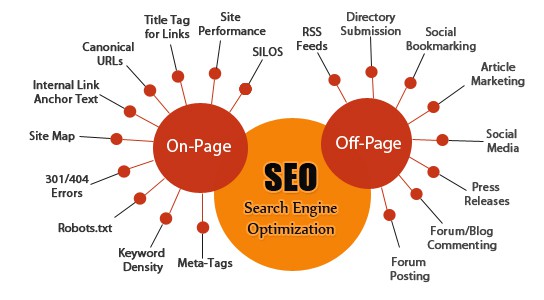
    Search Engine Optimisation (SEO) is one of the best solutions to boost up your traction. But it doesn’t give immediate results. It takes at least 6 to 8 months for good results. Either way, it has to be a priority for your business to succeed in the long run. SEO gets people who do not know about your product already. It doesn’t help in retaining existing customers.

    To do so and generate more users along with creating a buzz about your product & business in the market, one can follow these practices: One can start by listing out all the ways in which your product is better off and useful to your target audience followed by approaching these readers through customised emails and various social media channels.

    Utilizing social media channels through ads, campaigns, creating content that will attract your target audience As an Education business, you could also put up daily quizzes and case studies relating to different subjects Writing and posting informative blogs on a continuous basis, with relevant keywords can get you straight to the viewers. Make full-fledged use of social media marketing. Here is a post on Instagram content marketing examples to get you started. Make use of content marketing resources and use AI in content marketing to keep pace with changing times. Building PR via avenues such as forums, groups, communities, LinkedIn and other forms of print media too.  

    There are also some strategies that will always help increase your readers if done the right way:

    Evergreen Strategies

    • Visuals: Education businesses on the internet need to have visuals for students to remain interested in the content. Visuals comprise of videos, infographics and visual effects. They are the icing to your content making it more engaging.
    • SEO: Powerful Search Engine Optimisation will boost your content in the long run. It is the most effective method to boost your visitors. Many education businesses depend only on a powerful SEO for survival.
    • Plugins: Make use of the plugins to tap into Google directories allowing your content to be optimized, so that it can be searched as and when required. Though this would take some time but would yield results in a long run.
    • Users needs: Customising as well as making your content as per the user’s needs will maintain a consistent amount of readers who will keep coming back. Prioritising their needs helps in earning their loyalty.
    • Social Media: Frequent and relevant social media posts on most media channels along with a blog helps to make your user circle bigger and keeps your current users constantly engaged with your business.

    Create marketing resources & collateral

    Creating content marketing resources and collateral like catalogues and booklets will act as a proof about your product. Many Educational businesses include success stories of their previous students along with other content on their websites.

    Create downloadable content

    Any student needs material to study or read from and so, education websites should provide students with downloadable content apart from their study material. For any user getting content which is downloadable is a freebie which makes them come back to the website for more. Creating downloadable content according to user’s journey Being well aware of your buyer’s needs and journey makes it easy to generate content for specific stages of their journey.Below is a shortlist of downloadable content that always works for a student’s journey:

    • E-books: These about a specific topic provides additional practical knowledge about the subject they are studying.
    • Timetables: There are so many exams for entrance and other competitive exams to keep track of. Providing students with an academic calendar with application deadline would help them and they would always see your business’s name when they check it.
    • Whitepaper: Reports also work as great downloadable content.
    • Case studies: Case studies are interesting to read and not difficult to create. Provides the users with real-life examples of what they are studying.
    • Assignments/Quizzes: For an education website, providing the users with quiz of the day or week will keep them engaged with your brand on a daily basis.

    How do you generate leads with content marketing?

    The above-mentioned methods are driven by content. One must know their target audience for effective generation of leads with content marketing, For example, A parent could be looking at the website for their children, a student might be accessing the website for help with his studies. Knowing your target audience helps to ensure that you create content that is targeting that specific segment of the audience.

    1. User-Student Journey

    In education businesses, the user journey gets replaced by the student journey. It is critical to engage with prospective students from the stage of awareness. A student navigates from a level of emotions that range from fear, doubt, excitement,overwhelmment, motivation, and inspiration in their journey. As an education business, your content marketing must help a student by providing them with knowledge throughout their journey which will create an impact on the student from the stage one.

    “Good Content along student journey sets stage for high impact at decision time”

    2. Create landing pages

    An education website is visited by students, teachers and their parents along with some passing readers. There are these different segments of the audience. It only makes sense to create unique landing pages based on specific categories. Since each visitor is unique, they will react in a different way towards the landing pages. Segmentation helps you in building landing pages that is a mixture of videos, images, documents and call-to-action for a particular user. Segmentation also helps in focusing on elements of the web page such as emails or PPC ads, through which there is an increase in traffic on the website.

    The Takeaway

    Build traction for your education business through content. Great content marketing will help a low profile – low budget company go a long way with flowing benefits. Content marketing is the verified way to make a lasting impact on prospective consumers, driving traffic and generating sales.

  • Lifestyle Business – How to Build Traction and Generate Leads Through Content Marketing

    Lifestyle Business – How to Build Traction and Generate Leads Through Content Marketing

    How to build traction and generate leads through Content marketing?

    Now, brands out there are continuously striving to fill the aspirations of people like you and I. But brands take a different approach, they don’t just portray themselves as a product or service through a flashy logo or a catchy slogan. Instead, Lifestyle brands keep in mind the needs of their target audience. Their message is in concordance with the aesthetics, ideals and aspirations that their audiences identify with. Their content is meaningful and serves the very purpose of catering to the lifestyle of people.

    What Is an Effective Content Strategy for Your Lifestyle Brand?

    There is no single element responsible for a successful content strategy. Instead, multiple formulas, trials and errors, permutations and combinations are responsible for delivering an effective content strategy. You might have a blog that’s engaging or perhaps visuals that are interesting and shareable. But there has to be one base strategy that accumulates all the elements together. Individual elements don’t work in the longer run. There has to be substance and permanency. For this, you might have to brainstorm with the team and define your target market. After this, you will have to ask yourself certain questions about your target persona. These questions could be: –

    1. Age & Gender
    2. Income
    3. Interests/Hobbies
    4. Sources of influence(blogs, celebrities or other influence)

    These questions will help you in crafting content better. When you have answers to these questions then you will speak the language of your customers and create engaging pieces of content; content that your customers can relate to. When you have a content strategy that aligns with the interest of your audiences, then you will not only attract customers but convert them.

    How Is It Possible for Lifestyle Companies to Develop Trust in Their Customers?

    To create a successful lifestyle brand, it is important that the brand forms a deep connection with its target audience. Most of the brands fail to fill the gap because they do not match their values with the target audiences. Brand’s voice, persona and ideology should resonate with its users and its marketing efforts should remain consistent across the board.

    Marketing for your brand should not be done for the sole purpose of creating buzz. Instead, your efforts should be maximized in turning your users into brand advocates and loyalists. Lifestyle brands should focus on user-generated content and their communities to maximize customer acquisition and retention. Their audience should be the heroes and the decision makers.

    How to Build Traction for Lifestyle Brands?

    One of the biggest challenges for any lifestyle business whether established or a startup is- how to build traction and generate leadds through content marketing for their brand as this is what makes or break a business.

    Even while building a strategy for traction there are challenges like lack of time, confusion about what to prioritise etc. So, creating engagement without compromising the brand’s value is a tough nut to crack. But there are ways to solve this problem, and we will talk about some ways that can help build traction and generate leads for a lifestyle brand.

    1. Blogging Is an Evergreen Strategy

    This is old but gold. Blogging never gets out of fashion, and by writing shareable blog posts you can tell your audiences more about you. You can write impactful blog posts that can include how-to articles, behind-the-scenes info, new product launches, and Q&As with internal experts. And this can be followed by opinions, feedback and suggestions on the topic to propel interaction. However, the takeaway is that a generic blog will not help you win the race. The competition is high and your users have a wide variety to choose from. Therefore, if you really need to see your blogs garnering results, then you have to invest properly in it and create meaningful content.

    Example:

    Wholesale foods through its blogs and articles have made sure that it does not just appear as a grocery store to its audience. Rather it has positioned itself as a lifestyle choice in the minds of its users. Its articles talk about how one can save money but still stay healthy. Wholesale food believes in healthy living and wants to help people make healthier choices. For this, the brand uses a lot of proactive language such as “I want to learn/do” as a search option in its navigation bar. This makes the audience feel that they are active players in the entire process and their role is the very important. Therefore. through such content in its blogs, Wholesale food is not just attracting new customers, but also establishing long-term associations with users.

    Food tech content marketing example

    2. Get Personal

    Personalization has been the in thing for the content marketing arena for brands. A study by Accenture showed that eighty-one percent of consumers wanted brands to get to know them and understand when to approach them, as well as when not to.Companies use AI in content marketing and content marketing resources to understand their audience better. Personalization using AI in content marketing and content marketing resources and social media can work very well together. To know more about your customers, you should visit platforms that are most likely to be visited by your audience. Social media is one of the most significant tools that can promote your lifestyle brand’s name in the right sense. Through social media, you can also collect data and gather insights about your target audience. When you have your buyer persona created, you can easily craft content according to their needs.

    Example:

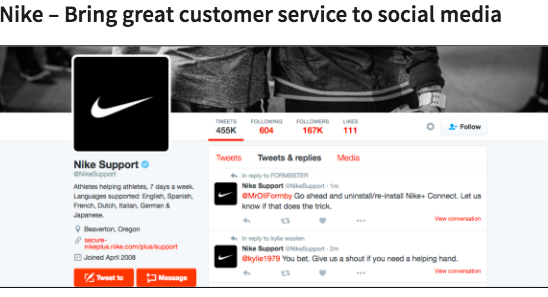
    Nike is an apt example that uses social media like Twitter to enhance customer experience.  @NikeSupport on Twitter is super quick to respond to customer queries and complaints. This solidifies the relationship between the brand and its customers.

    Nike Lifestyle Marketing example

    3. Creating an Effective Video Strategy

    Brands are invested in video marketing in 2018. In fact, they are not just creating effective YouTube channels, they’re also embedding YouTube videos on their own websites. According to a research, the top marketers have an average of 181 videos, while the bottom has 29. Also, marketers with a better strategy and results produce videos with varying video lengths, ranging from 30 seconds to 20 minutes.

    Example:

    Travel portal Ixigo’s  CEO Aloke Bajpai aims to make travel an enjoyable and informed experience for their users with their apps, content and research website. For this rolled out a very interesting and unique marketing campaign “Know and go” on Youtube. The ad film captures the aspirations of a small boy who wants to visit TajMahal after watching it on TV, but he is unable to because he gets a no from his father. What he does about it is something that you can enjoy watching here.

    Through this, they were optimistic about reaching out to  many more travellers across geographies and strengthen their positioning of being the most trusted travel website in India.” Another example is MakeMyTrip, they believe that Youtube/Video is a very powerful channel that, if utilised well, can create a deep positive impact on consumers. Their video series ‘Customer First Stories’ captures the happy stories of customers, where they address specific hurdles that MakeMyTrip sorted out enabling a hassle-free journey. These videos, a minute or more in duration have received tremendous appreciation. You can watch them here.

    4. Being a Part  of Communities

    Quora has a huge base of monthly visitors amounting to 1.5 million.  You can use Quora to build authority on your chosen topic, learn from others, answer questions about your product directly and find out the questions people are asking about your product or industry. By signing up on popular q&a sites like Quora or Reddit or a group on Linkedin you can build authority on your chosen topic, learn from others reach out to audiences that are asking questions that your brand can answer. Here the idea is to spread knowledge and not promotion. Therefore, you can answer questions such as “What are the upcoming lifestyle brands” or maybe “Which recent products have affected the lifestyle of millennials in a profound way”. And you can give your website or product as a reference.

    Example:

    You can post questions like the one in below and can add relevant answers to form a community and get associated with more people.

    Quora lifestyle content marketing example

    5. Pin Pinterest to Your Content Market Strategy

    Pinterest is blooming and brands are now using this platform to showcase what they have got. It is gaining popularity amongst the masses across the globe prodding businesses to flock towards it. A research showcased that 93 percent of the pinners use Pinterest to make a purchase. It is also one of the biggest sources of referrals for them. Another research showed that 55% shoppers rely on Pinterest to make their choices. Pinterest differs from other social media because people usually land on this platform to discover something new. And this is exactly what the brands worldwide should tap into.

    Example:

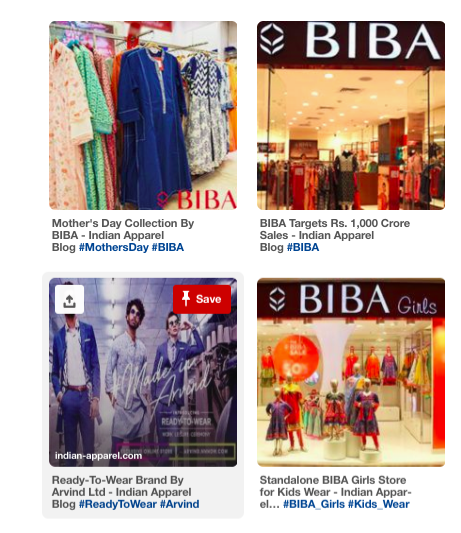
    The ethnic wear brand BIBA is one of the most loved in the country and has made traditional attire fashionable and trendy.  The brand had introduced a Mother’s Day collection on Pinterest. This was a blend of elegant outfits, comprising salwar kameez, dupatta, ethnic & mix and match.

    6. Hashtag Your Way In

    Hashtags and twitter marketing can increase your follower base by leaps and bounds. Here are some reasons that consolidate this statement: – Hashtags are searchable, and by using them, you are increasing the chance of being found by members of your target audience.

    Hashtags bring conversations on the same topic in a single thread and makes it convenient for users to understand, evaluate and compare ideas. So basically, if there is a trending conversation that your lifestyle brand can contribute to, then you should use that hashtag as a part of your social media posts.

    • You can run social media contents and have your participants use a specific hashtag. This will help you organise your contest better and also spread awareness about the brand at the same time.
    • You can increase your follows and engagement considerably on Instagram by looking for popular hashtags that adhere to your brand services, offerings and values.
    • You can use Twitter’s Trending News for promoting your brands. Use the news hashtag that is trending in your posts for the day.

    Another mind-blowing way to combine Twitter & hashtags are the relatively new Twitter chats. Here users answer questions and discuss topics with one another by including a specific hashtag in their tweets.

    Example:

    Nykaa did wonders with its #BackToBlack contest. The contest was easy to play and the rewards were hard to resist, so there were many who played to win. Read below to understand it.

    7. Instagramming the Right Way

    Gone is the time when Instagram was just known for cool filters and quirky selfies. Instagram now has a huge base of 700 million active monthly users. Instagram is now a platform that represents many brands and enhances their value.

    Example:

    Adidas on Instagram has about 15 million followers and has a high influence on the platform. They majorly use Instagram to promote their brand and engage their audience with interesting visual content and videos. Every image contains an Adidas product and most of the images have women. This is a smart move by the brand as Instagram’s sixty-eight percentage of users are women. Adidas is seen to be consistent in its tone and quality, and strategically crafts its content according to its target base.Follow these Instagram content marketing examples for a better idea.

    8. Outreach

    There is no denying that influencer outreach gives higher ROI’s. People always look up to these influencers and their viewpoints. And if the influencers have something positive or interesting to say about the brand, then their followers will take their word and spread it too. A report by Twitter said that forty-nine percent of consumers trust recommendations and suggestions from influencers while making decisions to buy. We will quickly give you some reasons that will convince you to try out influencer outreach.

    • Word of mouth and brand advocacy works wonders if influencers are in the picture. This is because the influencers are more capable of making any lifestyle brand sound more authentic and relatable. They can maybe write about and photograph a brand’s products in a more natural way, such that it does not seem promotional.
    • Not only can the influencers talk about their viewpoint on your brand with ease, but they can easily form a connection with the audience by giving away your coupons or freebies. Free coupons or giveaways seem more attractive when given by a celebrity or a person with reach.
    • Influencers can be very creative with videos. So, for example, if your product needs to be explained well, you can request your influencer to show your product in a tutorial format.  This creates a lot of interest amongst users and they interact by reviewing, commenting or purchasing. These videos are also good in the longer run, as these videos are not just limited to one campaign. They work wonders even after your campaign is over.

    Example:

    Philips had introduced its latest kitchen appliance Air Fryer in 2012 and there were very few who knew its application and use. It allowed deep frying of a variety of food items with 80% less oil consumption. Despite such a huge feature, the Air Fryer remained relatively unknown in the market. This is where Philips along with its digital agency Ogilvy One roped in Sanjay Thumma who is known for his cookery channel on YouTube called Vahchef. The campaign started a six-month long show called “Philips Superchef” that managed to create a lot of awareness amongst consumers. You can watch it here

    The Takeaway

    Lifestyle brands don’t sell products, instead, they sell aspirations. Therefore they capture the long-term vision of their users of who they want to be or what would they like to possess. These brands promise and declare that they can make these visions and aspirations into a reality. But for them to claim something like this and for the users to believe in this, the brands need to speak with utter honesty. This honesty coupled with passion will allow them to form strong & long-lasting bonds with their audience.

    Lifestyle brands should make sure that their audiences do not feel susceptible and regretful after the purchase. Their promises should evoke loyalty and belief in the minds of users. This blog guided you on how to build traction and generate leads through content marketing, we hope it was helpful.

  • Top 9 fintech businesses for content marketing in India

    Top 9 fintech businesses for content marketing in India

    Popularity of Fintech Content Marketing in India

    Fintech Businesses are under immense pressure to stand out from their competitors while also promoting themselves as a brand, with the aid of traditional trust-building measures. Content marketing has emerged as a tried and tested strategy to increase the consumer base, boost customer acquisition, and promote the demand for financial technologies.

    Formulating a clear content marketing strategy can help companies gain long-term traction, and register growth and success. Leaders can forge their name in the fintech industry by focusing on customer requirements and providing relevant, informational, and useful content accordingly.

    There have been multiple examples which prove content marketing for fintech businesses is extremely successful. Having a documented content strategy and using it to educate their users about the product has helped them generate leads for fintech business and get better conversions and build trust as a brand.

    To understand the ROI we have also checked their Alexa and SEMrush statistics and the elevation in their growth says it all. Let’s take a closer look at a few of the fintech businesses who are doing fantastic content marketing!

    1. ClearTax

    How do they do it? : Mainly through GST Resource base for users.

    What kind of content works for them? : Educational content as blogs and videos

    Why it’s a hit? : It’s a great resource.

    Image for ClearTax

    Image Source: Cleartax

    ClearTax has a well-organized, easy to navigate self-explanatory videos and articles educating the user about each of their offering. If you are looking for step by step guide for E-filing or ‘to the point’ structured FAQs, this is the site which speaks directly to your needs.

    When GST was planned to launch in India, ClearTax was one of the first movers which gave them a straight advantage and their articles were ranking high on Google.

    2. Zerodha

    How do they do it? : Educating beginner to intermediate investors

    What kind of content works for them? : Educational course for investors

    Why it’s a hit? : One of the best resources for beginners to learn about stock market and available as a pdf

    Image for Zerodha

    Image Source: Zerodha

    Ranked 148 by Alexa on the national platform, Zerodha is sought after for its Crisp writing, financial assistant ‘Analysis’ and Varsity – easy to grasp stock market lessons with in-depth coverage and illustrations, written by experts and caters the requirement of first times and pro with ease.

    Varsity, which is one of the core content marketing resources for users starting with investment allows them to learn more about stock markets, which also helps Zerodha build trust among users. All the resources are also available as downloadable PDF which enables users to learn on-the-go.

    3. Chargebee

    How do they do it? : Influence the audience with thought-provoking and informative content

    What kind of content works for them? : Influencer blogs, Long form articles, Interviews and Email Newsletter

    Why it’s a hit? : Transparent insights on SaaS growth that help

    Image for Chargebee

    Image Source: Chargebee

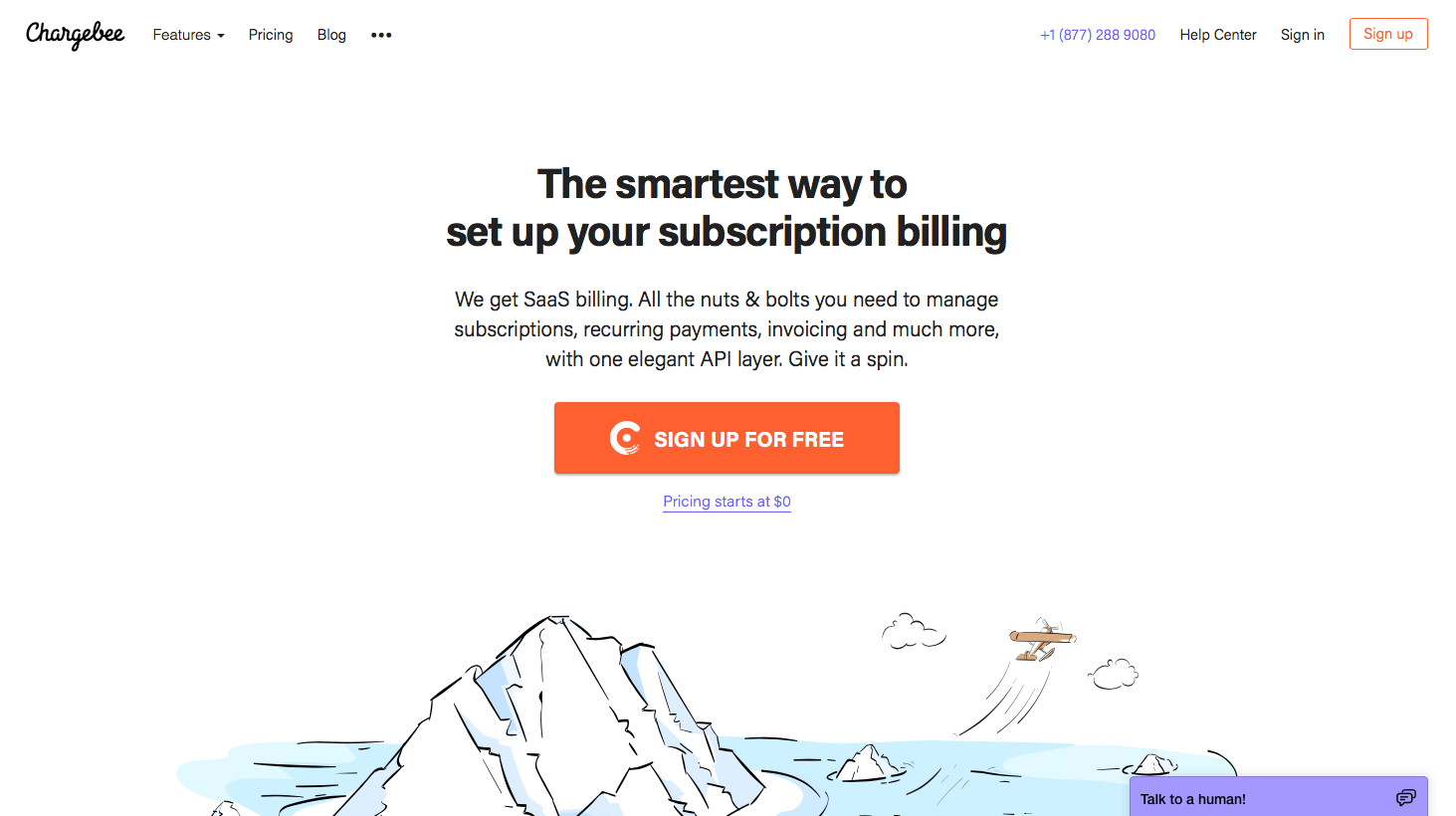
    Chargebee is a leader in subscription billing and well trusted globally!

    Most of their customers are global and they have been able to grow with a consistent brand image with users. There articles provide real insights on growing SaaS marketing and businesses and the SaaS Dispatch(weekly newsletter) is another piece of content that builds interaction with the users. If you have a SaaS business, you cannot miss reading their blogs!

    4. CreditMantri

    How do they do it?:  They leverage the power of data and technology and help people understand their credit health. They also help in discovering loans and credit cards suited for one’s profile and in reducing EMI’s and borrowing costs.

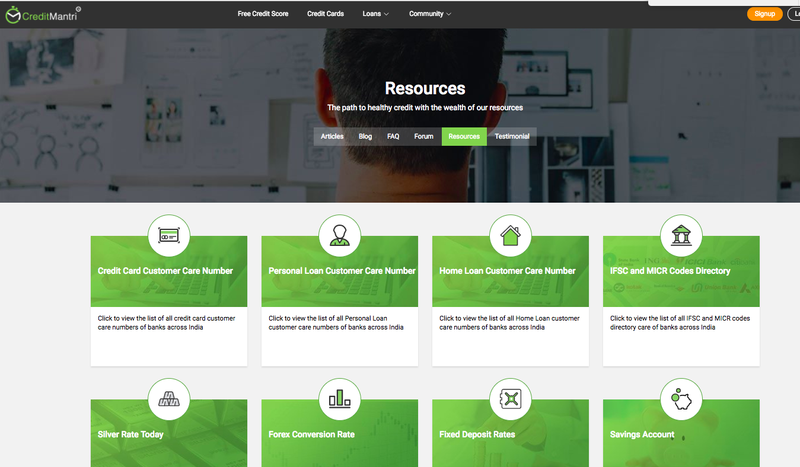
    What kind of content works for them? : Free content resources such as the list of Forex conversion rates,  list of customer care number for banks across India, Saving rates across India etc and freebies like “free credit score” calculation. They also have a forum that has varying topics of discussions like “how to get a business loan with bad credit”, “how to improve bad CIBIL score’?

    Why it’s a hit? : Not only makes the loan application process easier but helps maintain one’s credit score.

    Credit Mantri

    Image Source: CreditMantri

    5. Policybazaar

    How do they do it?: What?, Why?, and Which? of Policies

    What kind of content works for them? : In-depth landing pages, blogs,

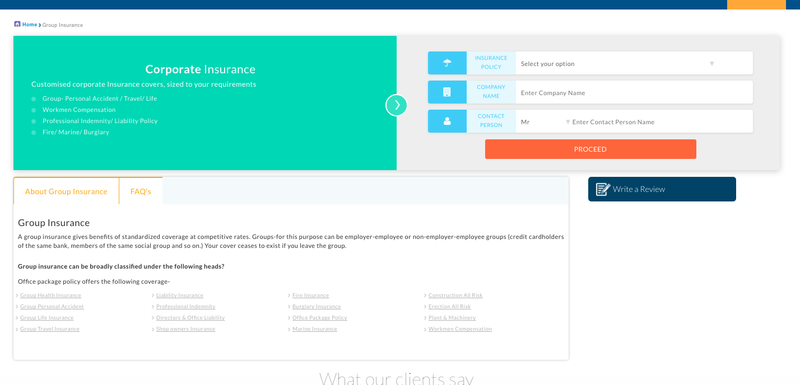
    Policybazaar tops the SEO rankings with extensive content on everything related to buying policies, you need a go-to platform for policy information, it is the place to go. They get a huge traffic as people are usually confused about the policies one should purchase and an authentic resource where they get a structured information becomes an obvious choice.

    content marketing Landing page for fintech business

    Image Source: Policybazaar

    6.Numberz

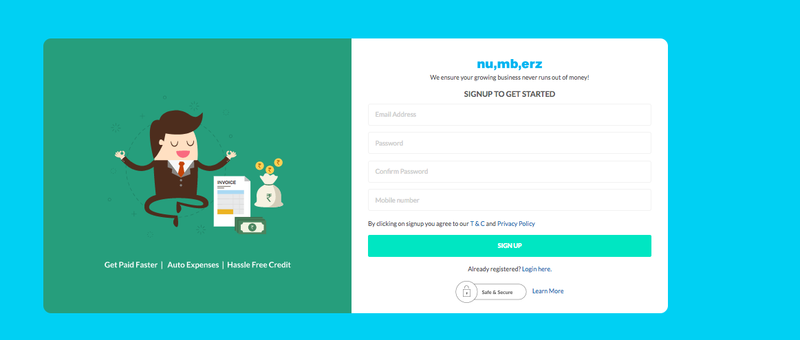
    How do they do it?: Help SMEs run their businesses in a better manner

    What kind of content works for them? : Numberz recently ranked among top25 for best GST blogs is helping SMEs grow their businesses through tips around receivables, payables, accounting etc. The best part is their focus on Indian customers and how they operate. ‘How it works’ educative step by step article with actual snapshots lets you experience the new age business banking.

    Numberz

    Image Source: Zerodha

    7.Scripbox

    How do they do it?
    Disseminating – easy to understand, research-based information on mutual funds for everyone.

    Which type of content worked for them?
    What worked for them was informative content that was written in layman’s terms.

    Why is it a hit?
    It is a repository of information that lets you see beyond “mutual funds are subject to market risks.”

    Image for Scripbox

    Scripbox focuses on long and detailed blogs that cover everything from scratch. These articles are aimed at anybody who is keen on investing in mutual funds. Assuming that the reader is a complete newbie, their content starts with imparting foundational knowledge regarding mutual funds, its types, etc. It highlights how mutual funds are a viable investment option and are absolutely safe when decisions are made wisely.
    Through its content and services, Scripbox is making mutual fund investments accessible to all!

    8.Paytm Money

    How do they do it?
    Paytm Money acts as a zero-charge, zero-fee digital investment platform that gets work done without the bells and whistles.

    Which type of content worked for them?
    Bite-sized content loaded with information.

    Why is it a hit?
    Paytm Money promises the easy discovery of mutual funds, investment tracking, and mutual fund information – all on a single platform.

    Image for Paytm Money

    Paytm Money is the investment arm of the fintech conglomerate, Paytm. Given that Paytm needs no introduction, the company already has its brand building in place. Paytm’s digital wallet services have seen an upward trend and integrating it with an investment portal is a wise move to diversify the company’s mandate.

    Further, customers will find it extremely convenient as they may already be making use of Paytm.

    9.PhonePe

    How do they do it?
    By offering a single-stop destination for users’ digital payment needs.

    Which type of content worked for them?
    PhonePe shared information on financial subjects and related news.

    Why is it a hit?
    PhonePe is simplifying digital payments and inculcating safe practices amongst its users.

    Image for PhonePe

    PhonePe offers an array of services from sending/receiving payments to the settling of utility bills. The seamless integration with various payment modes like BHIM UPI, debit card, credit card, and wallet makes it highly convenient.

    Through its informational blogs and videos, PhonePe is simplifying the process of making digital payments through the app.

    Important points to consider

    Right words at the right place bring quality to your product which allure the customers to go for it. The fintech marketing works on this to ensure the customers can actually ‘feel it’ before using it and they are able to ‘own it’ by knowledge before trying it. Hence through this, you allow them to become ‘part of you’ before buying your product.

    Your timely updated content can fetch you loyal customers, makes your brand an authority, adds value to your brand and makes your website worth returning to as part of your daily routine. lt also gives you

    • Enough exposure to be trendy,
    • Staying way ahead of your competitors
    • Building trust and loyalty of your customers
    • Reach your target audience who likes to avoid advertisements
    • Great visibility on social platform thereby more traffic

    Over to you

    Online customers have just too many options and they look forward to educating themselves and compare all the options available before zeroing in on the right product. And when the product we are talking about is a financial product, the sensitivities involved just go up a few notches higher.

    While FinTech businesses for content marketing are innovative enough to bring more and more of new features to simplify and streamline the finances enabling easy handling of the same, one does also come across people and Corporate who are hesitant to adopt it because it comes across as complex and opaque. But remember – without strategic content marketing it gets difficult to rightly position your brand. You as a brand should focus on sharing your knowledge with your customers and build authority, conversions will follow.

  • How to Build Traction and Generate Leads for Fintech Business Through Content Marketing?

    How to Build Traction and Generate Leads for Fintech Business Through Content Marketing?

    Fintech- combines payments, finance and banking; one of the most balanced industries for the disruption that has arrived at early mass acceptance. Fintech industry is on a booming side with a focus on placing the customers on top. There has been this ease of depositing cheques while commuting and managing finance portfolio on the go, Communication between people has changed with advancements in the blockchain, digital currencies, payment gateways, e-commerce and crowdsourcing. In this blog, we will talk about how to build traction and generate leads for FinTech business through content marketing.

    Why other marketing strategies are not as efficient as content marketing

    There have been scenarios where marketing strategies such as PPC, list purchase, trade shows etc provides instant fulfilment in minutes. But these marketing techniques have been too expensive or at times not as efficient as is thought of. For example, if any business primarily uses PPC to generate leads, it needs to bid for a click. The business spent a handsome amount and received a good number of leads for that particular month. How about next month then? Again and again one needs to put in a huge sum to for the leads to come on a continuous basis.

    Therefore, this means that, if you stop investing in bids, leads would stop. This goes for list purchase and trade shows too. Let us take another scenario now, where a business concentrates more on blogs and article postings to promote their product or brand. Let us assume that this blog generates the same number of leads in a month as in PPC. Over the time, your article/blog post will still be there for the viewers to read them and can get leads every month. This is why content marketing strategies provide scalable, predictable and cost-effective lead flows.

    Important factors to consider for Fintech companies for customer acquisition, retention and trust-building

    • Customer understanding – Understanding of buyer persona is crucial for Fintech industries as that allows them to create a targeted content distribution strategy.
    • Flexibility – Customers crave for convenience, and hence flexibility is a desired quality for FinTech players.
    • Transparency – Grey areas in finance are not favoured by customers, and they want black or white.
    • Product customization – Customers prefer products that are tailored to their needs as that helps them relate to the product better.
    • X-Factor or Differentiator – There has to be an element that differentiates one’s product from others for the customer to choose.
    • Greater variety – Customers want variety, and therefore companies should strive to provide interesting concepts that are helpful also.
    • Seamless experience – User-friendliness has been a sought-after quality for the longest time. Hence is mandatory for the FinTech companies to provide a solid experience to consumers.

    FinTech companies should focus on these factors while they utilize customer data and craft a content strategy.

    Role of content in Fintech arena

    • Digital financial behaviours and preferences of customers and businesses keep changing. Content provides the necessary guidance to them and helps them know the in-and-out of the finance companies. Through right content, they understand how beneficial finance companies are for them and they can measure risks with confidence
    • Through content businesses and consumers can improve their financial management.
    • Content allows the customers to make right choices and lays down the potential risks of new technology.
    • Content encourages partnerships and new technologies. It paves way for the FinTech to spread its wings to wider horizons.
    • Content puts rest to the what if’s, rumours, insecurities and instils a sense of confidence in the users.
    • Content solves real issues of users by offering solutions in an honest and objective way.

    Now let us shed some light on how to build traction and generate leads for FinTech business through content marketing.

    How to build traction for Fintech?

    One of the biggest challenges for any business whether established or a startup is- how to build traction for their brand as this is what makes or break a business. Even while building a strategy for traction there are challenges like lack of time, confusion about what to prioritise etc. ‘

    So, yes, one of the best solutions to build traction and generate leads for fintech business on a long run is the SEO as it is the great inbound marketing channel. But it takes at least 6-8 months to get results out of it. Whether you want to wait for six months or get on the road to meet people to get traction is what needs to be prioritized. Now, what does one need to do from the day one for generating buzz and awareness?

    1. One of the most basic things to start off is to think why your product is useful. Then the next step is to start reaching out via emails, phone calls and even via social media channels.
    2. Utilizing social media channels through ads, campaigns, creating content that will attract your target audience
    3. Writing and posting informative blogs on a continuous basis, with relevant keywords can get you straight to the viewers.
    4. Make full-fledged use of social media marketing
    5. Building PR via avenues such as forums, groups, communities, LinkedIn and other forms of print media too.
    6. Making use of content marketing resources
    7. Using AI in content marketing.

    1. Evergreen Strategies

    1. SEO/SEM – SEO or SEM will forever be one of the greatest avenues for Fintech business to essentially target their users and get going towards building your brand. Start creating your content and link it on a frequent basis.
    2. Plugins – Make use of the plugins to tap into Google directories allowing your content to be optimized so that it can be searched as and when required. Though this would take some time but would yield results in a long run.
    3. Social Media – A huge section of your audience is on social media, thus twitter marketing and other forms of marketing are essential. Create a page for your business and start publishing and sharing the links there. Create videos related to your product or service and share or link them to your social media page as this will return organic traffic to your business.
    4. Visuals – Videos, infographics are the most compelling form of content that catches the users attention. Infographics too explain in brief about the facts and figures associated with any product or service. They also explain how a user can get benefit out of it. Videos & infographics are considered as one of the best content marketing methods as they educate users by engaging them with their content.

    2. Create Marketing Resources & Collaterals

    It is easy to write content about what your Fintech company offers. However, what really matters to your audience is the proof of benefits that you have provided to the consumers similar to them. This is where they look for company booklet which explains your company resources, skills, a catalogue of your products explaining in detail about the benefits of their use, previous customer references and reviews, video testimonials that helps in building trust and process documents that helps in understanding how the products/ services are implemented and last but not least compliances and guidelines you follow. Fintech deals with finances online and thus it is important to follow the rules and regulations. So it is important to be cautious as customers’ sensitive data and information like name, address, bank details, registration numbers etc are all involved.

    How do you generate leads with content marketing?

    All the above-mentioned aspects are driven by the content. As mentioned the only way to build your customers is to educate them and in order to educate, one must know who their target consumer is. For example, if you are a mobile commerce platform, you would want to reach all consumers who use internet or smartphones. This would also include consumers who would want cashless transactions. Here we list some of the ways that help in lead generation-

    1. Understand and map user journey

    Customer Journey

    It is essential in Fintech business to map prospect journey as it assists in creating a process between sales and marketing teams within an organisation. It ensures visibility between teams and brings inaccurate prospects in the sales channel. This also helps in measuring sales and marketing activity costs and knowing the barriers in the process. Mapping process for prospect journey includes-

    1. Spreading awareness within your target market and audience as to how you can be of value to them. The key is not to explain what you do but how your business could be of importance to them.
    2. Engaging your audience and provide a solution that could Interest them is another challenge. But can be achieved easily if you are fully aware of your target markets and the audience. Since you understand your market well, it is easy to provide with content which can engage the prospects. This does not necessarily mean that they would buy. Thus a business wants to have right marketing materials, demos, proper sales tools etc that could create interest in prospects to buy.
    3. You know your prospect is convinced about your offering but haven’t bought yet. Thus, keep following up with the prospect while it is still in sales funnel and try to communicate about your offerings and how they can benefit from it making their lives better and easier.
    4. Now, you have converted your prospect into a customer and this is the action point where you must emphasize on keeping the customer satisfied throughout the collaboration.

    2. Set up a marketing automation process

    With huge targets to meet and business objectives set to achieve your targets, one of the greatest issues holding up your business growth is TIME. With the number of tasks in marketing process such as social media, blogging, email campaigns etc, marketing professionals need to time and manage these activities so as to drive leads and revenue for organisation. For this reason, organisations utilize automation software to automate lead generation and marketing tasks and save time on traditional sales aspects.

    Here is an article that talks about how Fintech giant FIS got tremendous results after using market automation. Another example is Mindmatrix that helps finance industries sell faster.   Mindmatrix

    3. Segment your audience

    Any lead generation marketing starts with identifying your target audience. For this:

    1. Analyse your product offering and look at your current customer base
    2. The best way to determine your target audience is to check your competition
    3. Look out for the demographics and history where the similar products are being used or have an opportunity for
    4. Understand the market scenario and evaluate your decision

    Once you have defined and evaluated the segments most likely to buy your product or services, start researching well about the target market, their preferences and choice of browsing device and the best time your audience can read your content. An example of a tool that helps in segmenting and profiling your audience is roialty.  

    4. Create downloadable content for consideration stage

    When consideration stage is concerned, here are the steps to create content-

    1. If you are well aware of buyer needs, characteristics and desires, it becomes easy to create content specific to each stage of buyer journey. To start with, understand where your buyers’ research for the information. For example- if they are more into reading articles and blogs to get relevant information, you can create tailored content that speaks to them and provides answers to their questions.
    2. In consideration stage, buyers understand their needs and problems and thus research for the best solution to their problems. Since the buyer does not decide on any specific product at this stage, it is important to design keyword specific content based on their solutions. Some of the content documents include webcasts, whitepapers, videos, blogs, testimonials, expert guides etc which serves as ready reference for buyers to compare price and benefits. Now the buyer can make use of Call to action wherein they can download the content and shows interest in the product or services.
    3. Since the buyers do not make a decision during this stage, it is important to look out for buyer pain points and create content around the same. For example, Garnet Capital Advisors published a whitepaper like this.
    Whitepaper

    5. Create landing pages to convert based on audience segments

    As you know well about your target segments, you can create unique landing pages based on specific categories. Since each visitor is unique, they will react in a different way towards the landing pages. Segmentation helps you in building landing pages that is a mixture of videos, images, documents and call-to-action for a particular user. Segmentation also helps in focusing on elements of the webpage such as emails or PPC ads, through which there is an increase in traffic on the website.

    For example, Lendingkart has made a landing page for their high-intent users.

    how to build traction and generate leads for FinTech business through content marketing.

    The Takeaway

    Great content is extremely powerful. It serves in a similar manner as analyst report or any media article. With the right content marketing strategy in place, even the companies with a low profile and less marketing budget can generate leads for fintech business and reap the benefits of disrupting an age-old industry. Content marketing is the verified way to make a lasting impact on prospective consumers, driving traffic and generating sales.Follow these examples of fintech businesses for content marketing for more insight.