Author: Anshul Motwani

  • How To Outsource Content Marketing in Easy Steps With Benefits

    How To Outsource Content Marketing in Easy Steps With Benefits

    The content marketing industry is expected to reach $72 billion in 2023 and $107 billion by 2026. And why not? Content marketing generates thrice the leads as traditional marketing while costing 62% less. 

    Source

    With these statistics, it is clear why companies value this revolutionary approach. However, did you know that many organizations prefer to outsource their content marketing? In fact, 57% of B2B of top-performing content marketers outsource content marketing. 

    This statistic should come as no surprise because outsourcing has many benefits you shouldn’t miss out on.

    That’s why we have compiled five easy steps to outsource content marketing and presented an overview of its benefits.

    But first, let us clarify the usual confusion: the difference between outsourcing content marketing and outsourcing content creation. 

    Outsource Content Marketing vs. Outsourcing Content Creation

    Let us assume you run a small online clothing store, and you want to promote it online. Here are two possible scenarios:

    Scenario 1: You hire a freelance writer to write high-quality product descriptions for your new clothing line. 

    Scenario 2: You hire a freelancer or an agency to develop a more comprehensive strategy to attract customers. You ask them to define your target audience, develop a content strategy, and use analytics tools to check performance. 

    Notice the difference? The first scenario is an example of outsourcing content creation, while the second is an example of outsourcing content marketing. 

    Here is a more comprehensive difference between the two:

    Outsourcing Content MarketingOutsourcing Content Creation
    Outsourcing content marketing involves entrusting an external team with developing, executing, and managing all aspects of your content strategy. Outsourcing content creation focuses explicitly on generating the actual content, such as blogs, videos, social media posts, and infographics.
    Content marketing agencies specialise in developing strategic plans tailored to your business objectives. They provide valuable insights, market research, and industry knowledge. Content marketing agencies specialize in developing strategic plans tailored to your business objectives. They provide valuable insights, market research, and industry knowledge. 
    Outsourcing content marketing is typically a long-term partnership. This can be short-term, project-based, or long-term.
    It allows you to use the expertise and resources of an experienced team without hiring experts internally.  You can use the skills of experienced content writers, designers, or videomakers. 
    Outsourcing content marketing ensures you get a consistent flow of high-quality content and your brand’s voice and style are maintained across all platforms.Content creators help create individual pieces of content (sometimes more) while maintaining a consistent tone and style. 
    Due to its broad scope, it is more expensive than outsourcing content creation. It is less expensive than outsourcing content marketing. 

    Tired of spending hours on content creation? 

    Outsource your content writing to Wittypen and free up your time to focus on other important tasks.

    We’ll deliver high-quality content that meets your specific needs and requirements.

    Why Outsource Content Marketing?

    Outsourcing content marketing has many benefits, including but not limited to reduced costs. Wondering how?

    If you were to create an in-house team of content marketers, you would have to pay their salaries, office expenses, taxes, recruitment costs, etc. You will also have to invest in the required marketing tools and software to ensure your content marketing is up to the mark.

    By outsourcing content marketing, you do not have to worry about any of these costs. You can find an agency according to your budget and save time. 

    Additionally, a written content strategy yields better results. However, developing a strategy is no easy task. It requires experience, expertise, and a sound understanding of the industry, which is perhaps why only 40% of B2B marketers have documented strategy. Outsourcing gives you access to the expert knowledge and perspective of seasoned marketers. 

    Let us explore more benefits of outsourcing content marketing in the next section. 

    Top 10 Benefits of Outsourcing Content

    Outsourcing content marketing has many benefits, from a fresh perspective to improving content visibility. 

    1. You Will Get an Expert Opinion

    Austrian-American consultant and educator Peter Drucker said, “Do what you do best and outsource the rest.” 

    You’re best at managing your business’s core needs and services. So why juggle countless tasks when you can channel your expertise into what you excel at while allowing content marketing specialists to manage your marketing needs? 

    Outsourcing content marketing allows you to access a wider talent pool and get expert inputs from experienced marketers. They will ensure your content strategy represents your unique brand tone and style.

    Moreover, they will employ subject matter experts to create your content, ensuring you achieve your goals while creating a lasting impression in your customers’ eyes. 

    2. It Is Cost-Effective

    Did you know that 70% of companies outsource to cut costs? Outsourcing content marketing can reduce your expenses significantly. 

    As mentioned previously, creating an in-house marketing team requires significant costs, from initial recruitment (which can be as high as $4,425 per employee) to investment in tools. Moreover, you must consistently publish high-quality content to maintain a social media presence. And creating high-quality content takes a fair bit of time and money. 

    However, you can save these costs and more by outsourcing your marketing. You can eliminate all hidden costs associated with onboarding new employees, training, and other overheads. You simply have to pay the experts to do their magic.

    3. Achieve Better Results

    Outsourcing content marketing can be a game-changer for your business. You may ask, how? Here’s how it can help you achieve better results:

    • Experienced marketers conduct in-depth research to understand your audience, their preferences, pain points, and behaviors and craft a strategy that resonates with them.
    • They know which content format works best for different purposes. 
    • They help maintain a consistent flow of high-quality content that aligns with your brand’s style and voice. 
    • Using analytics tools, they track the performance of your content strategy and adjust it as and when required. 

    Through these steps, a content marketing agency takes your content performance to another level. 

    4. It Is Scalable 

    As your business grows, your marketing efforts will also grow. This means you must ramp up your content creation quickly to use new opportunities best. However, it will require a lot of resources and time. This is where outsourcing comes to the rescue.

    When you outsource content marketing, you can scale your content production up or down based on your needs. This will allow you to respond quickly to market shifts, emerging trends, and sudden opportunities. 

    5. It Improves Efficiency

    Without outsourcing, your teams may feel overworked and overwhelmed. This can significantly reduce their efficiency. Outsourcing also allows your marketing team to focus on other aspects. They can manage new projects more efficiently and boost overall productivity. 

    6. You Get Quality Content

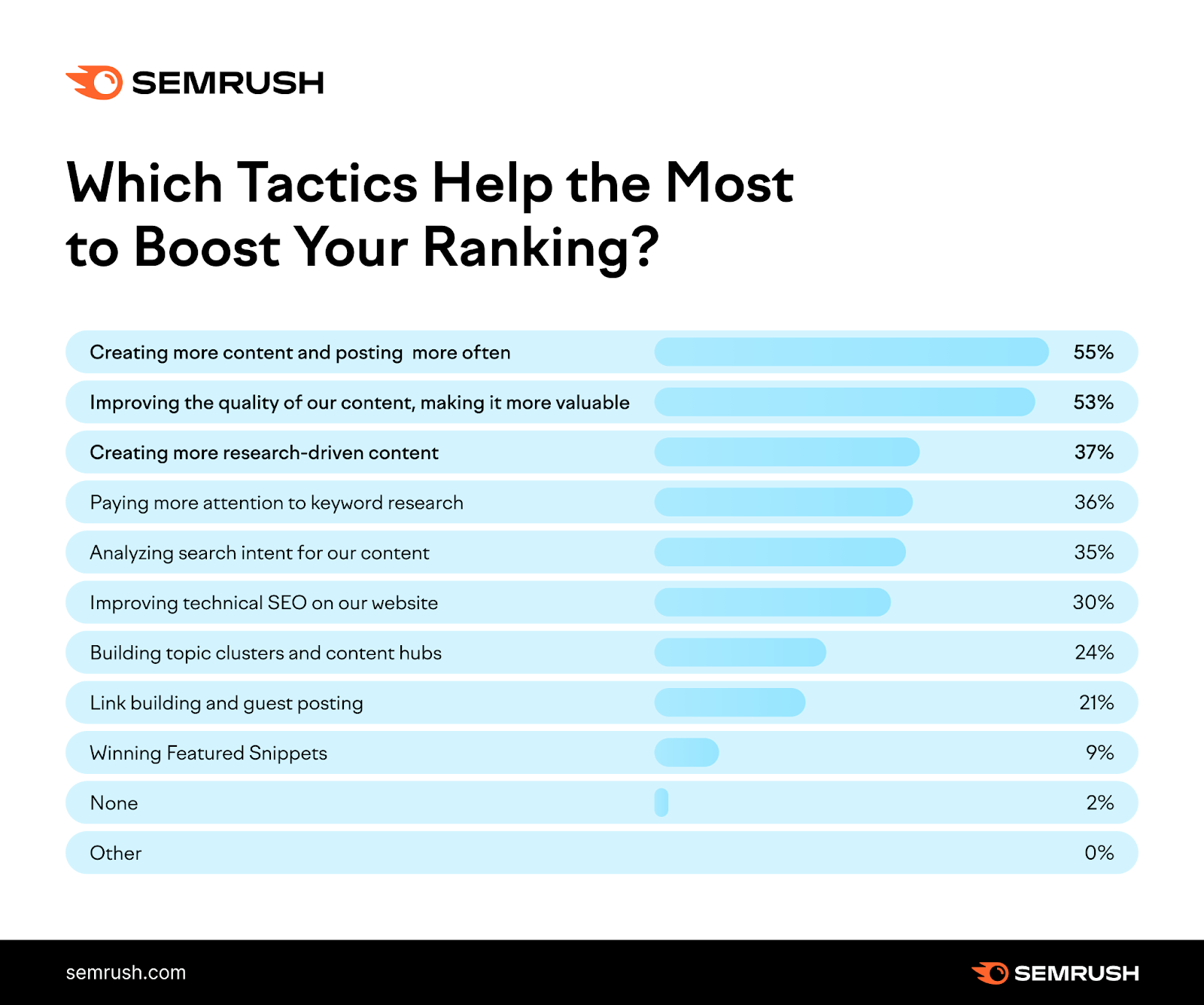
    44% of organizations have said that improving content quality and value has led to increased success.

    Good content is not just limited to one with no typos and grammatical errors. It is way more than that. It is about relaying highly technical information in an easy-to-read language without talking down to readers. It considers factors like E-E-A-T to improve SEO rankings. But most of all, it is about helping you achieve your goals while not looking like a sales pitch (unless you want a sales pitch). 
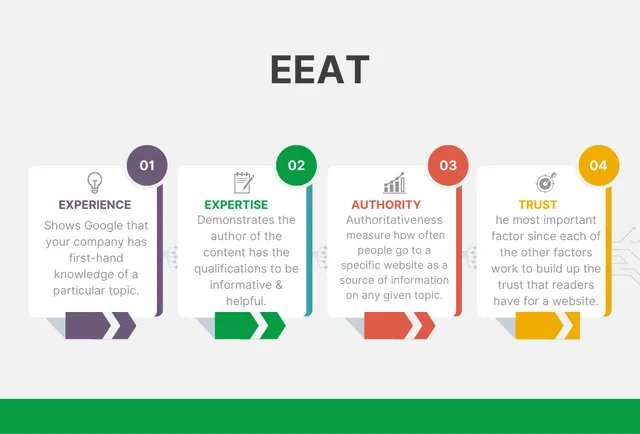
    Source

    The goal of any good content is to be helpful to readers. Outsourcing can help you achieve all this and more. They will work with your team to ensure your content is valuable and well-written. With helpful content, search engines will naturally find your website more appealing and help increase organic traffic. 

    7. You Can Achieve Consistent Content Creation
    Source

    55% of companies today focus on creating and posting content frequently and consistently. Consistency is the key to staying relevant. As a small business, budget constraints might hinder you from posting value-rich content regularly. And if you are a large business, you may have more critical matters to focus on. 

    With outsourcing, you can embrace consistency. Your agency will ensure rich, informative content is published regularly. They’ll be able to juggle multiple deadlines and effortlessly stick to a consistent schedule.

    Consistency also extends to achieving a consistent tone, style, and voice. A professional agency will ensure your content across all platforms has a harmonious and recognizable identity. 

    8. It Gives a New Perspective

    Believing that someone outside your company or industry can share valuable perspectives can be challenging. However, this is precisely why their point of view can be eye-opening. 

    If you’ve been working on your strategy for a long time, it is natural to struggle with finding new opportunities and developing ideas. Professional content marketers have an eye for identifying new connections. They can develop unique ideas to help you stand out from the competition.

    Moreover, they can identify blind spots in your company’s strategy and find ways to overcome them. A fresh perspective is especially essential if you want to expand your reach and cater to a more diverse audience. 

    9. Focus on Core Business 

    One of the more significant benefits of hiring an outside agency for your content marketing needs is that you get to focus on what you do best. Outsourcing can enhance efficiency and productivity, whether your core business activity is product development, customer service, or innovation.

    It ensures you have the mental space and valuable time to strategize and drive the growth of your business. Moreover, you can stay ahead of industry trends and technological advancements, not just in your business but also in content marketing. 

    10. Improves Content Visibility

    The ultimate aim of content marketing is to drive organic traffic and attract new customers. And to achieve this aim, your content should have a high visibility.

    A content marketing agency employs many experts who can create content that appeals to a diverse audience. Semrush’s State of Content Marketing 2023 report states these are the best-performing content formats.
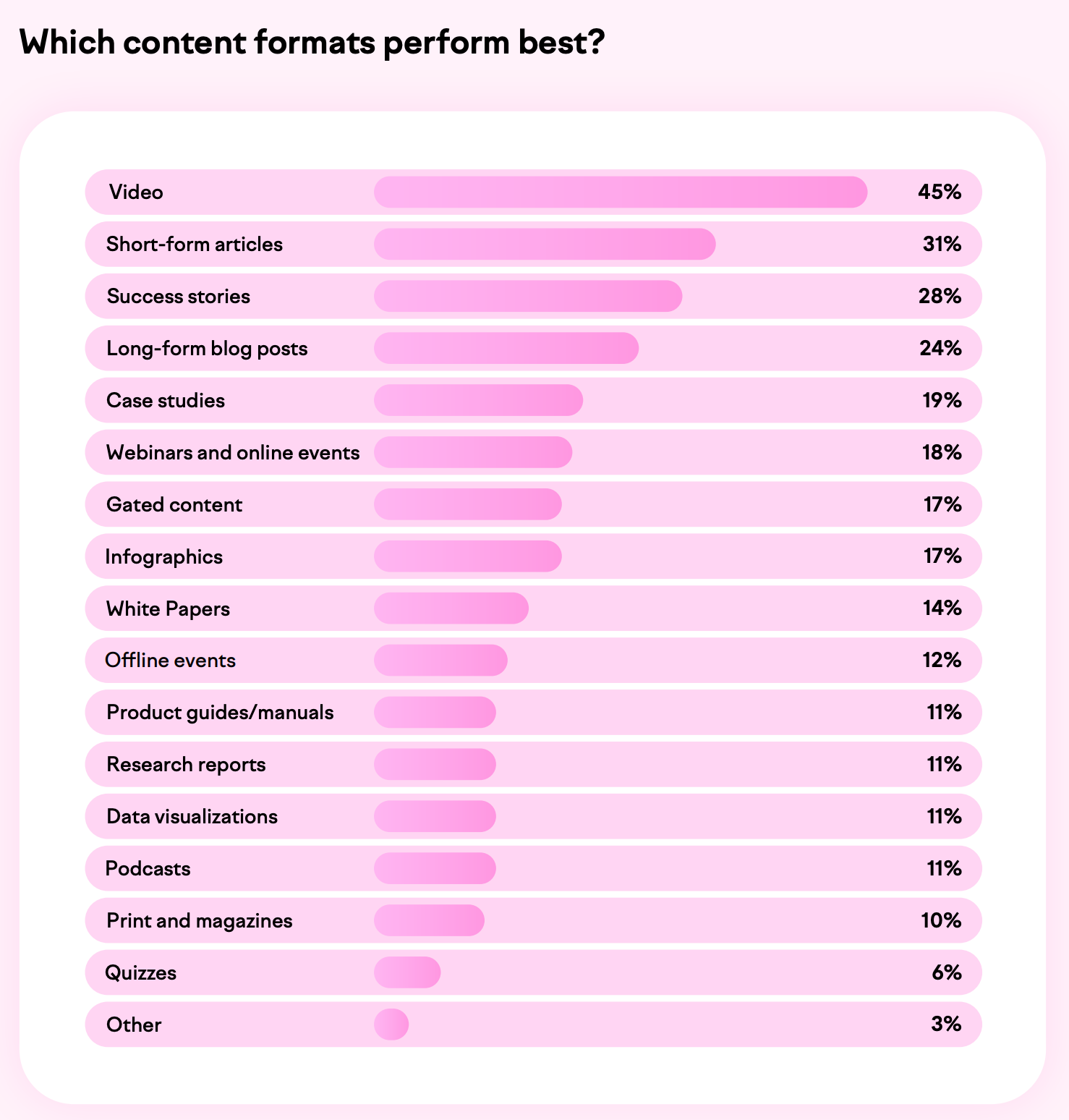
    Which content formats perform best?

    Source

    They use SEO tools to research keywords and ensure your content ranks high on search engines. But that’s not all. The agency ensures you maintain a presence on social media platforms like Instagram and Facebook by posting eye-catching and relevant content.

    Bonus: Experiment With Different Content Types

    Experimentation is at the heart of innovation. Formulating a viable content strategy requires much experimentation, especially if you are new to the field. You will have to research, try, and test to determine what works and what doesn’t. However, you may not have the relevant experience or time to do so as a business owner.

    Outsourcing content marketing ensures your agency is responsible for developing and managing your content marketing. With their years of experience, they will take less time to develop excellent strategies. 

    Additionally, they will have sufficient time to experiment with different types of content, from blog posts and social media posts to videos and audio content, and find the ones that suit you the best. 

    How to Outsource Content Marketing in 5 Steps

    Here’s how you can outsource content marketing in five simple steps:

    1. Determine Your Needs

    The first and foremost step of outsourcing content marketing is determining your needs. What is it that you want to outsource? Which type of services aligns with your goals? And for that matter, what are your goals? Is it to generate more leads, to be seen as an authority figure, or something else entirely? 
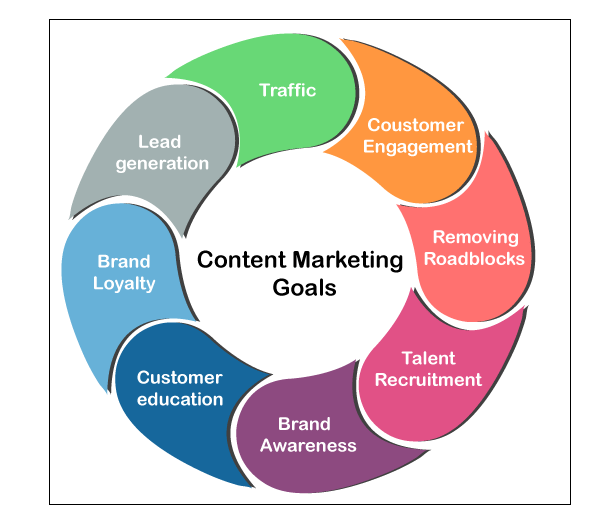
    Content Marketing Goals

    Source

    In 2022, 47% of marketing professionals outsourced graphic design, while 37% outsourced content creation.  

    In addition, identify what challenges you are facing currently. Is it a lack of technical skills and relevant content or generating quality leads? Assessing your own skills will help you determine which aspects you need to outsource. 

    Content marketing has different areas, and knowing which ones you need help with can narrow down your scope of search. 

    2. Decide Your Budget

    After determining your needs, the next step is to decide your budget. With a fixed budget, you can narrow the list of potential outsourcing agencies or freelancers.

    According to the Content Marketing Institute, B2C companies spent the following percentage of their total marketing budgets on content marketing in 2023. You can refer to this while deciding your own budget.

    Source

    Remember that a higher price tag doesn’t always equate to high quality, just as cheaper doesn’t always equate to low quality. What matters is to find an agency or freelancer that fits your requirements the best.  

    Another part of this is to assess the ROI of your content marketing strategy. If you want to outsource only some of the content marketing, outsource the low-ROI parts. With this, the tasks that took a lot of time will be done quickly by experts. 

    3. Freelancer or an Agency?

    When outsourcing content marketing needs, one of the most significant decisions is to decide between an agency or a freelancer. 

    Both options have their pros and cons. A freelancer is just one person who will manage all your marketing needs. Conversely, an agency has specialized teams that develop and manage your strategy and hire freelancers to create content. 

    So, the choice depends on how much work you are outsourcing and how many people you need to complete it. If you have a huge volume of work, it’d be best to choose an agency as they have a skilled team capable of managing all your requirements. 

    However, if you have a limited amount of work and are working on a limited budget, it is best to hire a freelancer. 

    4. Assess Past Work

    Whether you hire an agency or freelancers, conducting thorough research about them is crucial. One way of doing this is to look for reviews. You can find them on Google, Facebook, Fiverr, and Upwork.  

    Another way is to assess their portfolio and past samples. You can also ask for industry-specific portfolios for better understanding. Check whether they suit your needs.

    In addition, to assess their expertise, go ahead and ask relevant questions. Ask them about their content process, timelines, SEO experience, and whether they’ve worked in your industry. Ultimately, the idea is to ensure complete transparency and open communication. 

    5. Provide Detailed Instructions

    Take a look at Baker Amy’s style guide. Notice how they’ve included details of their logo, preferred fonts, and color palette? Wondering why?

    an image of Baker Amy Cooking School's brand style guide

    Source

    Communicating your expectations, goals, and needs is essential no matter who you hire. A style guide encapsulates your business philosophy, voice, and tone. Ensure that it covers things like your brand story, color palette, types of visuals, and fonts. 

    If you create content like blogs, you should also include structure, grammar, and tone instructions. This will ensure consistency in your content across all platforms. For example, here’s Dove Healthcare’s style guide:
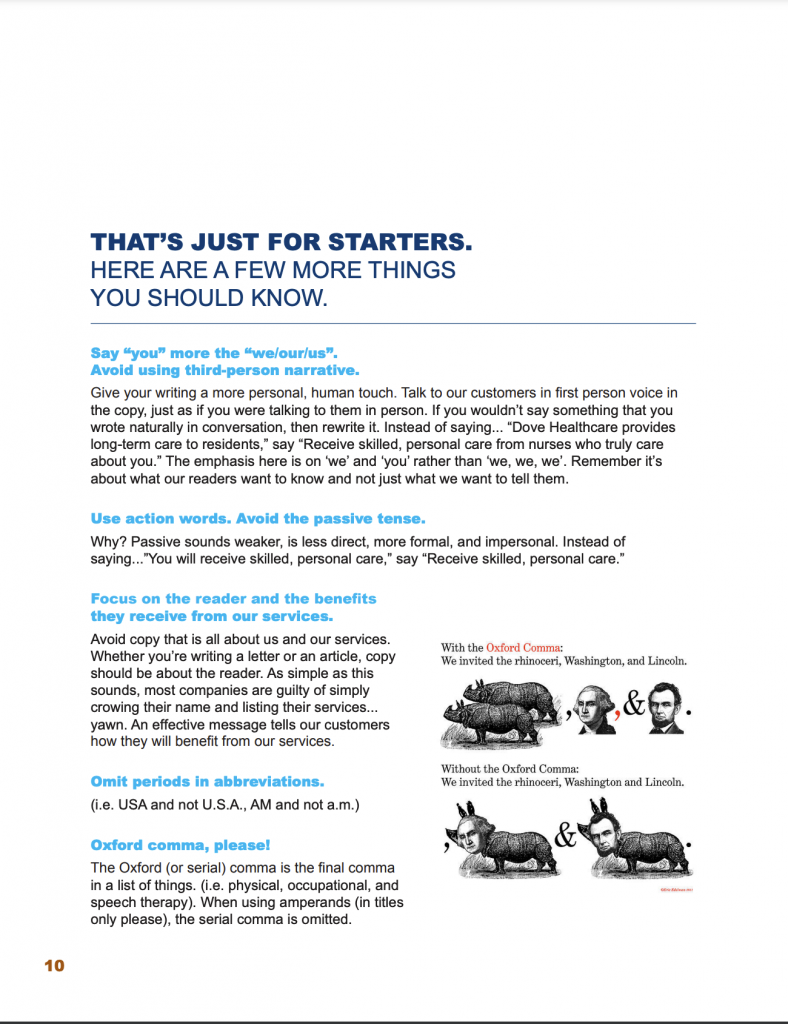
    screenshot of Dove Healthcare's style guide describing their brand tone of voice

    Source

    Another aspect of providing in-depth instructions is to share all the relevant information content marketers will require to formulate your strategy and content. This includes files or photos that are not accessible publicly. Lastly, do not forget to share your ideal timeline, too.

    Outsourcing Content Marketing is a Game-Changer

    Content marketing is no longer about selling but storytelling, trust-building, and long-term success. The more challenging the marketing realm becomes, the more intimidating it can look to companies. The good thing, however, is that you do not have to do it alone. 

    You can outsource content marketing to more experienced and skilled marketers in the industry. A key aspect of this strategy is outsourcing your content writing needs from the right place. 

    Wittypen’s content writing services complement every content strategy in place. With our hand-picked writers and highly skilled team, you can rest assured by outsourcing all your content writing needs to us.

    FAQs

    What are the benefits of outsourcing content marketing?

    There are many benefits of outsourcing content marketing. These include reaching a wider audience, reducing costs, saving time, and improving content visibility and scalability. It also helps you achieve your marketing goals quickly. 

    How do I find the right content marketing agency?

    To find the right content marketing agency, consider factors like communication, pricing, track record, industry expertise, and portfolio. Most of all, ensure their services align with your goals. 

    What are the key steps to successfully outsource content marketing?

    The key steps to successfully outsource content marketing are as follows:

    • Know your needs
    • Establish your budget and assess ROI
    • Choose an agency
    • Provide detailed guidelines
    • Establish a collaborative relationship

    What challenges can arise when outsourcing content marketing?

    Some of the challenges of outsourcing include lack of industry expertise, communication issues, misalignment of goals, and quality control. To avoid these issues, it is best to communicate well with your agency beforehand. 

    Is outsourcing content marketing worth it for small and medium-sized businesses?

    Outsourcing can provide small and mid-sized businesses with expertise, scalability, and cost efficiency. It will also allow them to focus solely on developing their business. 

  • Local SEO Keyword Research – Best Tools & How To Guide

    Local SEO Keyword Research – Best Tools & How To Guide

    Want more footfall on your stores or business channels? Go for local SEO.

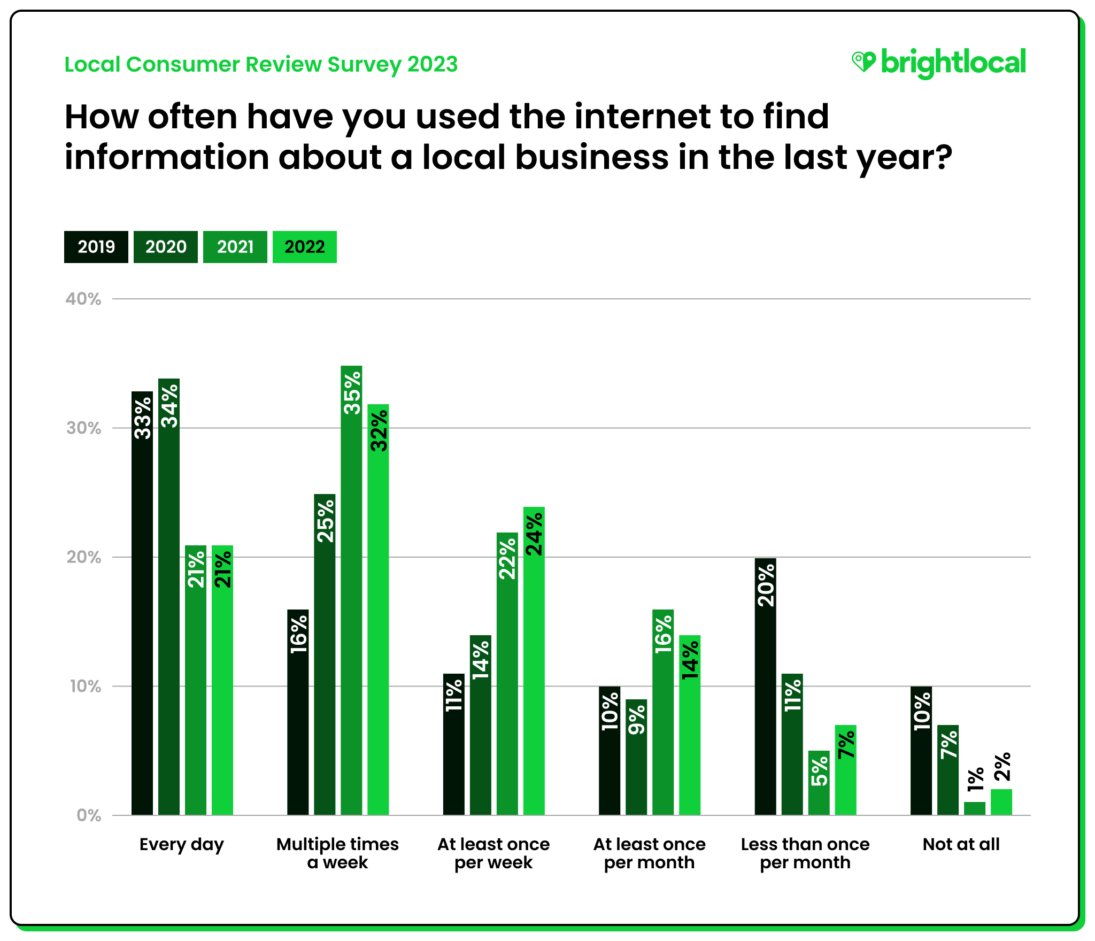
    A BrightLocal survey report found that 87% of people leverage Google to evaluate local businesses (2022). Extrapolating that number, if your business isn’t showing up on the local search results, chances are you won’t get the traffic to your website (or brand exposure) you envisioned.

    [Source]

    Let’s track down how consumers search locally for a business and what you can do to improve local SEO keyword research.

    What is Local Keyword Research?

    Local keyword research is an exercise businesses engage in to discover the regional keywords or keyword locations their target audience uses to search for services or products in their niche.

    The primary purpose of local keyword research is to optimize the web channels to appear in the results for users in a specific area when they search for the business’s products or services.

    Local SEO keywords tell a business exactly what their users are searching for. It empowers them to provide their users with the right and relevant information when they search locally for the business’s offerings.

    Why is Keyword Research Important For Local SEO?

    Keyword research for local SEO is pivotal for businesses trying to understand exactly what their target consumer is searching for.

    Below are more reasons to consider optimizing your web channels for local SEO keywords:

    • Local keyword research helps businesses generate more leads and boost sales. A report published by ReviewTrackers found that about 42% of the millennials who search locally for a business visit it.
    • Optimizing local SEO helps businesses rank higher in local search results.
    • It is an important tool to generate and publish relevant and targeted content, helping establish brand authority in a competitive market.
    • It is an excellent tool that businesses can use to refocus their products or services to new markets completely.
    • Local keyword research helps businesses streamline their expansion into related markets in newer regions.
    • Since most consumers leverage mobile devices today, local SEO optimization can help businesses make it easier for the target audience to find them in mobile searches.
    • Local keyword optimization is especially beneficial for businesses with local stores. It can help them boost the footfall inside their stores.

    How Can You Find Local Keywords?

    The best way to find local and regional keywords is to take one of your business’s services and punch it into search engines with your target location. Let’s take an example.

    If you launch Google and punch in the search term “Home appliance repair in Pune,” you get the following results:

    [Source]

    Below the business listings, the search results show several businesses that have leveraged this local keyword and its variations (appearing in bold text) to optimize their pages for local search. You can note these down.

    Additionally, if you scroll to the bottom of the search results, you will notice the “Related searches” section, where Google conveniently lists down the other queries that users punch in to search for similar services or products:

    The best part is that this can be done without using any keyword research tools. However, this will only get you so far. If you require more robust local keyword research and know the search volumes and competition for every keyword, you inevitably need a specialised keyword research tool.

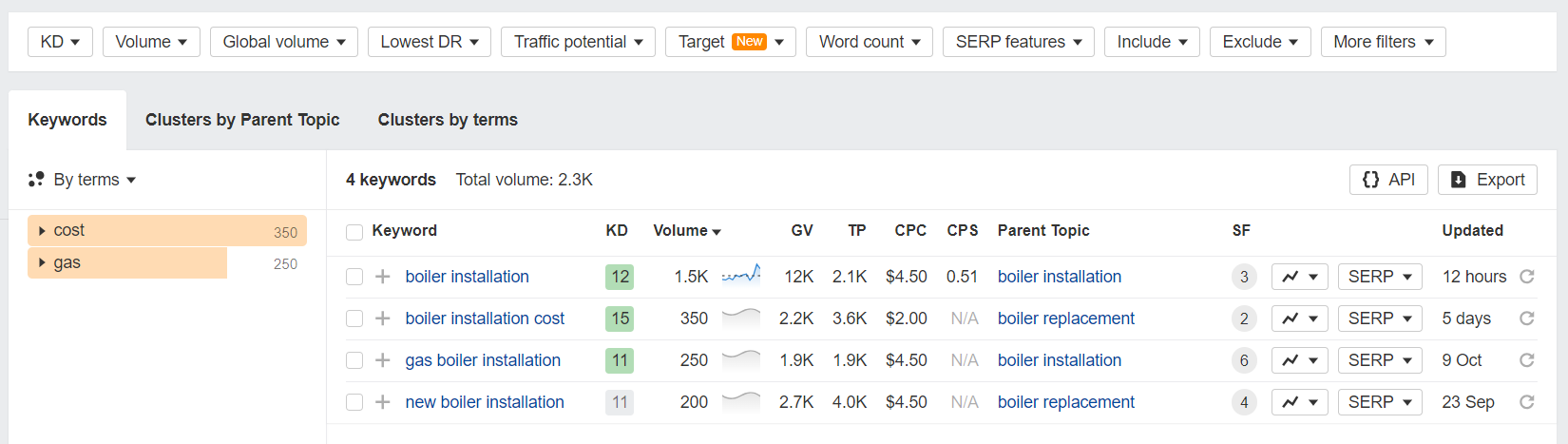
    For example, Ahrefs is a popular keyword research tool that businesses frequently utilize for this purpose. Once you have the list of all the services you are trying to rank for in local search, you can launch the Ahrefs tool and generate a list of all the local keywords your target audience uses to search for these services.

    You can also get the tool to list similar terms that are used.

    Ahref data

    To make your local search efforts even more effective, you can consider leveraging high-intent modifiers like:

    • “ – near me”; for example, “Home appliance repair near me.”
    • “ – in my area”
    • “Local – “; for example, “local home appliance repair” or “Pune home appliance repair”

    With these keywords, the consumer is highly intent to get things done. If your business takes the right initiative, this could help you boost conversions.

    How to Handle Multiple Locations

    If your business operates across several locations, you want to rank high for each of them. The best way to do that is to find the right local keywords for each location separately.

    For example, for “Home appliance repair in Pune,” you can modify the local search with keywords using “Kharadi home appliance repair” or “Home appliance repair in Viman Nagar, Pune”.

    You can optimize your webpage to rank for the local keywords across all the locations and areas where your business has branches.

    Best Tools to Find and Track Your Local Keyword Rankings

    Below is a list of the most popular tools you can use for local SEO keyword research:

    Ahrefs

    Ahrefs is a toolset that provides everything you need related to SEO. It has the following tools:

    • Site explorer
    • Competitor analysis
    • Site audit
    • Website optimization
    • Keywords explorer (local, regional, global)
    • Content idea generation
    • Rank tracker

    These tools form a comprehensive set of holistic SEO practices that are extremely effective.

    SEMrush

    SEMrush is more of a holistic content marketing tool that can also be used for effective keyword research. It has a robust set of features, including:

    • Keyword research
    • On-page SEO
    • Competitor analysis
    • Content marketing
    • Local SEO
    • Rank tracking
    • Social media management
    • Link building
    • Content creation, optimization and distribution
    • Market analysis
    • Paid ads and PPC

    SERanking

    SERanking is an SEO and marketing tool tailored to agencies; however, businesses can leverage its keyword research capabilities. It has great features:

    • Keyword research and keyword rank tracker
    • Backlink checker and monitoring
    • Competitor research
    • On-page SEO checker
    • Website audit and page change monitoring
    • Content editor and SERP checker

    KWFinder

    KWFinder is a quick and effective way to find local keywords for your business. It is an intuitive tool that allows you to perform competitor keyword analysis.
    The tool also provides you with search volumes for each keyword, including for local keywords. You can also do a SERP analysis using KWFinder.

    Get Local SEO Done Right

    Local keyword research helps your business become visible to your local target consumer. You could welcome this consumer to your stores and boost one-on-one sales. Since 98% of people go online to find information about a local business, performing local SEO keyword research is essential to boost lead generation and conversion.

    However, finding local SEO keywords is not enough to drive success home – you must also create high-quality content. The most crucial content strategy for local SEO is blogging. And that’s where Wittypen’s expertise lies.

    We can help you craft thoroughly engaging content centered around local keyword research and apply best practices to enhance the local content on your website.

    Let’s make it happen – get in touch with us today!

    FAQs

    What is local SEO keyword research?

    Local keyword research is discovering the search terms and queries that target consumers use to search for specific services or products online.

    Why is local SEO keyword research important for businesses?

    Optimizing for local searches helps businesses enhance local visibility and brand awareness for the target consumers residing in the same area, region, or city.

    How can I identify the right local keywords for my business?

    The right local keywords depend on key services and key localities of service of your business. This is where you should focus your local search on.

    What are some common mistakes to avoid in local SEO keyword research?

    Some of the common mistakes to avoid are keyword stuffing, ineffective internal linking, ignoring search intent, ignoring customer communications from local searches, and only targeting high-volume keywords.

    How can I measure and monitor the performance of local SEO keywords?

    You can use keyword ranking tools to understand how each local keyword performs on searches.

  • Top 10 Platforms to Outsource Content Writing

    Top 10 Platforms to Outsource Content Writing

    What is Outsourcing Content Writing?

    Outsourcing content writing entails engaging external writers to produce original content. These outsourced content creators not only craft content from scratch but also play a strategic role in planning monthly or weekly content schedules, choosing appropriate visuals, and selecting trending content formats to boost readership.

    Content writers involved in outsourcing may be freelancers or part of content marketing agencies. Therefore, it’s crucial to consider several factors when deciding between outsourcing and in-house content production. Key considerations include setting clear expectations, identifying gaps in content production capabilities, and establishing a budget. These steps are essential to ensure that outsourcing aligns with your content strategy and business objectives effectively.

    Here is a complete guide for you on how to outsource content writing.

    10 Trusted Platforms for Outsource Content Writing Services

    1. Wittypen

    Wittypen

    Wittypen is an all-in-one content platform for your content outsourcing needs that provides businesses with high-quality content at scale and speed. The platform features an expansive team of handpicked writers who have been handpicked through thorough assessment and screening processes, ensuring the delivery of only the best quality content.

    Wittypen features a handy set of AI-powered tools that enable businesses to perform quick tasks like brief generation and content calendar.

    Businesses can request any kind of content across the table, like whitepapers, blogs, articles, press releases, eBooks, website content, etc. Wittypen provides this content under four key services:

    • SEO content writing
    • Blog writing
    • Content Refresh
    • AI content writing

    The pricing tiers are simple and straightforward:

    • The Starter content tier begins at ₹960 apiece.
    • The Professional content tier begins at ₹1,500 apiece.
    • The Elite content tier begins at ₹2,400 apiece.

    The platform allows for quick orders within three easy steps – select the content details, provide the customer profile and other details, place the order and pay.

    Businesses that require content at scale can sign up to Wittypen for content management at scale.

    2. Scripted

    Scripted is the one-stop shop for all your content writing outsourcing needs. It provides both human and AI-generated content.

    Scripted offers a Starter plan to its clients that has AI-generated content free of charge for one organization and one user. The Pro plan starts at $199 a month.

    Scripted is a platform best suited for large enterprises that require content at scale, on schedule, and written by Subject Matter Experts (SMEs).

    3. WriterAccess

    Writer Access is a platform that provides businesses with the three essential tools they need for their content marketing strategy – Talent, Tools, and Training. Businesses can leverage AI-powered engines to search for the right writers and streamline their content delivery workflows.

    Writer Access also provides managed services, integrations, and enterprise solutions for larger projects or requirements. A free trial is available for 14 days.

    The Starter pack begins at $49 per month with an approval time of 5 days.

    4. ContentWriters

    ContentWriters is an all-in-one content solution for any type of business – publishers, agencies, brands, eCommerce businesses, etc. Regardless of the scale of a company, clients can find vetted writers available on a scalable platform.

    The packages start with a Self Service module where businesses can get content written for $99 apiece on a free account. The higher packages bundle more services for a custom quotation depending on the specific requirements of the business.
    5. Upwork

    Upwork is a great platform for businesses to outsource blog writing. It has a large pool of talented freelancers from all over the world, so you can find the perfect writer for your needs and budget.

    To get started, create a clear and concise job posting that describes the type of content you need and your requirements. Then, screen freelancers carefully and select the best ones for your project. Once you have hired a freelancer, provide them with clear instructions and feedback.

    6. Express Writers

    Express Writers, as the name suggests, is a content outsourcing platform that delivers content at higher speeds than its competitors. It is best suited for businesses that require content on a deadline and also require it to be written by subject matter experts.

    Businesses can select Managed Services or go for their self-serve option. The Expert category blogs start at $57 with a turnaround time of 4 to 6 business days. The price for general content is $50, with a turnaround time of 3 to 4 business days.

    7. Writing Studio

    Writing Studio is a comprehensive content platform for outsourcing writing services. It is best suited for businesses that require specialized content like whitepapers and eBooks across a plethora of industries.

    The basic tier that Writing Studio offers begins at $0.20 per word within 10,000 words, beyond which it gets even more affordable owing to economies of scale. The minimum delivery timeline is 7 days, though, which may not be best for businesses that require express content.

    8. Verblio

    Verblio is a content outsourcing service specifically meant for marketers and SEO experts. However, they also have an option for enterprises and publishers to order content on the platform directly and at scale.

    Businesses can leverage the self-serve option to get content written for as economical a price as $0.06 per word. The platform fee is waived for the first month. For anything higher, businesses can get a custom quote depending on their content requirements.

    9. Crowd Content

    Crowd Content is the go-to destination for content outsourcing for businesses that require different types of content. For example, if a business needs ghostwriting services for whitepapers but also requires website content under the same umbrella, Crowd Content can make it happen.

    The platform offers self-service content through the Marketplace tier, where businesses can enter the type of content they wish written, the number of words, and the quality required. Based on that, the platform generates a quotation for the work.

    10. Bloggism

    Bloggism is a specialized agency for businesses that require content for newsletters, emails, case studies, business proposals, book writing, essays, and even research papers. Given the nature of the content services they provide, they guarantee a plagiarism-free output that is SEO-optimized.

    They have expert writers in fields like Medicine, Market Research, and Journalism.

    Businesses also receive revisions and rewritten content if the original submission is not satisfactory.

    Factors to Consider When Choosing an Outsource Content Writing Platform

    Finding the right outsourced content writers is already a challenge – however, there are ways to navigate it that can help businesses get the best content for their purposes.

    Several factors need thorough consideration before selecting a content platform that can meet all of a business’s needs.

    1. Existing Client Base

    The initial evaluation of whether a content platform is suitable for a business hinges largely on its client base. It’s crucial to determine if the content agency has experience working with similar businesses. Conducting thorough research into the type of content these brands publish on their platforms can provide valuable insights and help gauge the agency’s capability to meet your specific content needs.

    2. Domain Expertise and Experience

    When selecting a content platform, especially for brands in technical niches, it’s vital to ascertain whether the platform provides access to subject matter experts. Technical fields often require SEO content that is both insightful and authoritative enough to engage professionals within the niche. Therefore, it’s advisable to opt for platforms that have demonstrated expertise and a proven track record in your specific business domain. This ensures that the content produced not only meets SEO standards but also resonates with the target professional audience.

    3. The Dashboard

    Countless content writing platforms today have AI-powered features and tools that enable businesses to manage their content and orders seamlessly.

    It is best to select an easy-to-use platform with an intuitive UI that has all the tools necessary to raise orders, request revisions, and handpick the writers for each individual project. A user-friendly dashboard makes ordering and receiving content a smooth journey. 

    4. The Turnaround Time

    In order to get the best quality content, the turnaround should have a good balance of not too late and not too early. Good things take time, and content is no different. However, if you require specific content urgently, contact the professionals via the platform you’re outsourcing from.

    This factor needs to be planned with the content agency with high visibility on the content schedule so that delays can be avoided and content can be put live on schedule.

    5. Available Samples

    Before committing to a content writing platform, it is prudent to review several samples of the agency’s work available on their website. These samples provide a clear indication of the quality and style of the final product, helping to set appropriate expectations upfront.

    If the existing samples do not fully meet the specific needs or standards of your business, modifications and improvements should be discussed and negotiated with the agency. This ensures that the content delivered aligns perfectly with your business objectives and audience expectations.

    6. The Reviews

    Finally, the business should look at the reviews of the content agency on online platforms and business directories. The real-world users of such platforms leave verified reviews and experiences working with the content company, giving good insight into the experience of working with them.

    Success Stories of Brands Outsourcing Content Writing

    For businesses planning to outsource blog writing and content writing, it is important to check all bases first. This also involves reading about case studies of outsourced content writing services that have significantly boosted a business’s marketing goals.

    Here are some case studied of brand which have outsourced content marketing with Wittyepen:

    1. Hubler – Scaling Content for Organic Growth

    In partnership with outsourced writers, Hubler was able to drive 400% weekly organic growth through over 100+ content pieces written.

    Hubler is a low-code platform designed to help businesses create custom digital solutions. They were facing traffic scarcity on their website, and the content required a drastic revamp.

    Wittypen provided constant and consistent support with content services for two quarters to deliver cross-format content like blogs, case studies, eBooks and more. The result was a 10x improvement in impressions.

    2. Nifty –  Lead Generation and Content Refresh

    Nifty, a self-explanatory name, was experiencing a slump in leads because of the disconnect between their products and the content on their channels.

    They partnered with Wittypen for extensive content services, including the creation of over 40 long-form articles with in-depth research targeted at the MoFu audience. This helped nifty funnel in more leads, increasing their signups by 30%.

    Outsource Content That Drives Growth 

    When a business decides to outsource writing services, there are several considerations and aspects to keep in mind. For example, it is necessary to have a clear goal defined – the purpose of the content, the targets it needs to achieve, and the target audience it needs to address.

    The clearer a business is about the purpose and role of content, the higher the quality of outsourced content will be. In a way, one could say it is entirely up to the business and the strength of the content agency to create content that improves revenue.

    This blog features the ten best content outsourcing companies to help businesses make the right selection. Outsource content writing for higher impact, higher revenues, and higher traffic.

  • 24 Top Content Writing Tools for SEO To Scale Up Your Growth

    24 Top Content Writing Tools for SEO To Scale Up Your Growth

    If you are facing challenges in creating content that is both engaging and SEO-optimized, we have a solution for you.

    We have compiled a list of the top SEO content writing tools designed to assist you in producing content that not only appeals to readers but also complies with search engine standards. These tools aid in identifying the right keywords, as well as in structuring and formatting your content to enhance its readability for search engines, ensuring that every aspect is meticulously addressed.

    Continue reading to learn how to craft compelling content that not only ranks well in search engine results but also enhances the visibility and authority of your website.

    23 All-In-One Content Writing Tools for SEO

    Browse through 23 popular SEO content writing tools below and choose the best ones!

    1. Wittypen: On-Page SEO Checker

    Wittypen’s on-page SEO checker provides a comprehensive audit of a webpage, pinpointing strengths and weaknesses in its SEO strategy. This enables website owners and marketers to make informed decisions to optimize their sites for better search engine visibility and performance.

    Key features:

    • Keyword Optimization analysis
    • URL Structure and Internal Linking analysis and understanding
    • User Experience and Navigation audit

    2. Frase – Research and Optimize SEO Content

    Backed by UnderscoreVC, Frase is a remarkable AI authoring tool that can assist in curating SEO-optimized content that ranks on top search results leveraging content analytics. 

    Key Features

    • Frase generates a content brief by researching and analyzing the results on the SERP for the keywords and headers from competitors.
    • The text editor provides a score after comparing your content with your competitors and gives suggestions to improve it.

    Ratings on G2: 4.8

    Visit Website

    3. SEO Review Tools – To Extract Backlinks

    The SEO Review Tools is an amalgamation of 61 real-time SEO tools that work in sync to improve site visibility, competitor research, and valuable insights.

    Key Features

    • It offers an AI content rewriter, a keyword generator, and a backlink summary.
    • The Google SERP preview tool allows you to optimize the site for mobile and desktop.
    • The website checker authority checker can be used to see the competitor’s SEO strength, the value of links to your website, and new link-building opportunities.
    • Some recent updates include a keyword research plugin for WordPress and a keyword difficulty checker.

    Ratings on G2: 5

    Visit Website

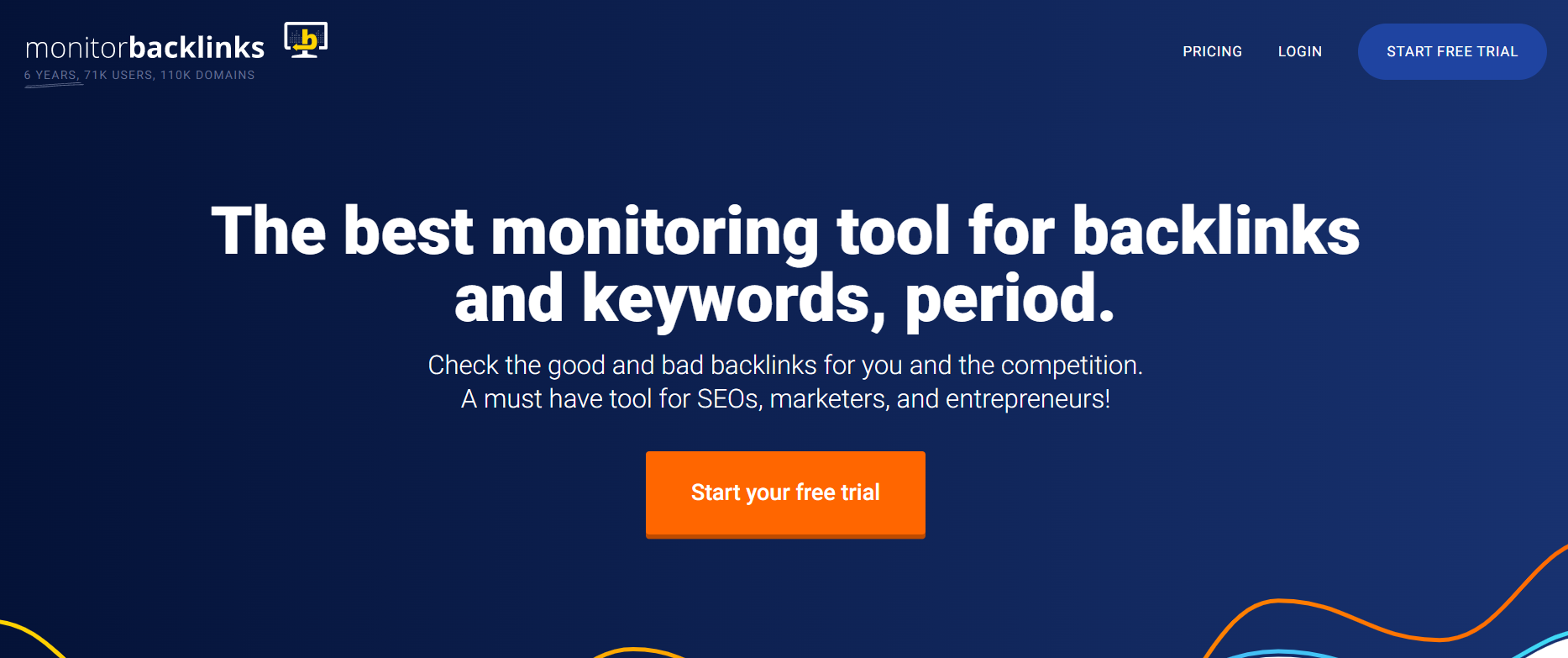
    4. Monitor Backlinks – To Monitor Backlinks and Keywords

    Monitor Backlinks is a tool that allows you to track your website’s backlinks and monitor your competitors’ backlinks.

    Key Features

    • Prominent features offered by Monitor Backlinks include tracking the number and quality of backlinks to your website, receiving notifications when new backlinks are added, and notifying you when a valuable link is lost.
    • It offers an analysis of competitors’ backlinks and sees where they get their links.
    • The disavow tools help remove any toxic or low-quality backlinks pointing to your website and generate reports on your backlink progress.

    Ratings on G2: 3.9

    Visit Website

    5. Originality – Plagiarism Checker and AI Detector

    Originality.AI is an essential tool, especially today when AI-powered text generators, like ChatGPT, are flooding the internet. It harnesses the power of technology, Machine Learning (ML) tech, and advanced linguistic analysis techniques to be precise and ascertain whether the content in question is AI-generated.

    Key Features

    • Originality highlights plagiarized content and comes with an AI detector.
    • Integrations with WordPress, Google Docs, and Shopify simplify the flagging process. 
    • Its team management feature comes in handy, especially if your organization deals with a large number of people to manage access since it comes with a record that keeps track of all activity.
    • Originality is soon expected to add another feature that will aid bulk checking by providing you with a complete scan of the entire site by just entering the URL.

    Rating: 4.11

    Visit Website

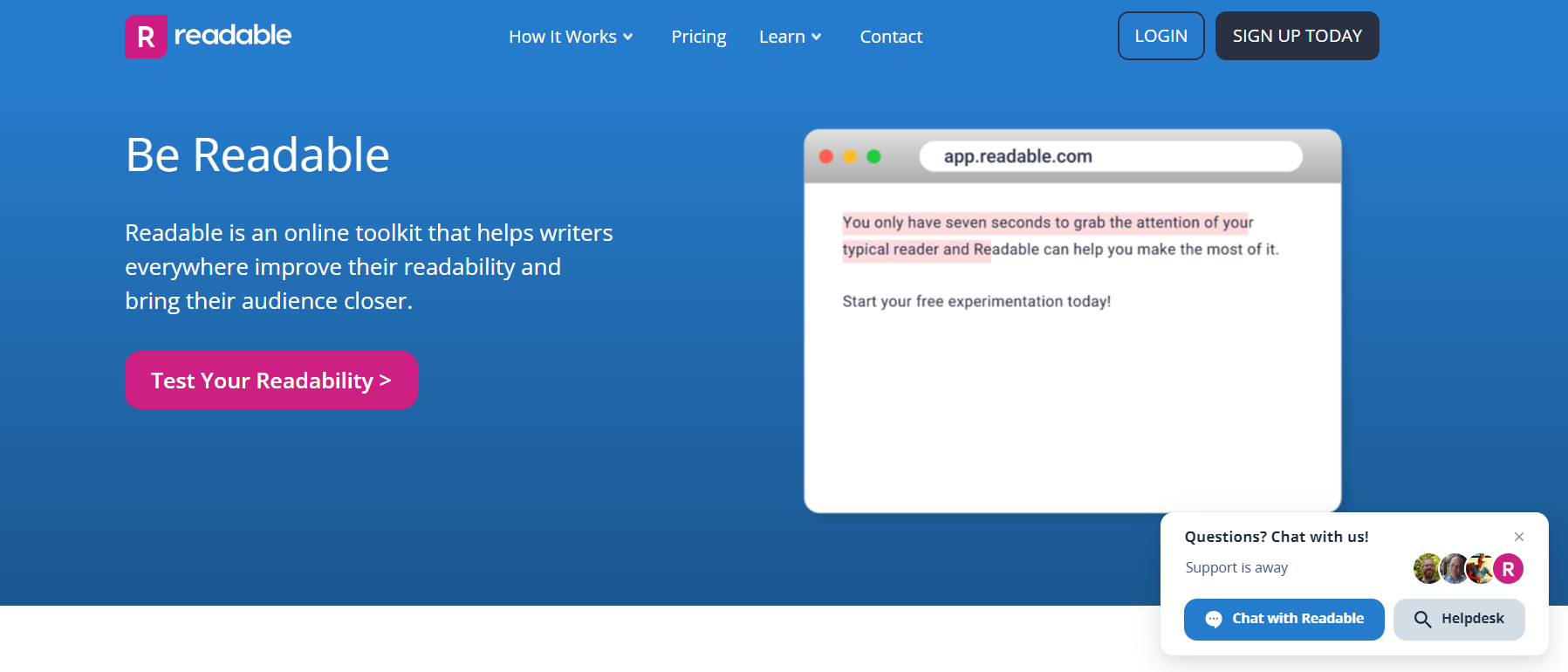
    6. Readable – For Checking Readability

    Search engine rankings improve when users engage with the content or stay on a site for longer. This is where the importance of increasing the readability of content comes in.

    Key Features

    • Readable improves the readability of content by providing a score based on formulas such as Flesch-Kincaid and SMOG or a readability algorithm suggested by the user.
    • It prompts help make the content free of clarity and engagement issues, redundancy, grammar, and other metrics to keep readers engaged.
    • It also increases the chances of the content being shared across different digital platforms, which can lead to backlink generation.

    Ratings on G2: 4

    Visit Website

    7. Ahrefs – Keyword Research 

    Ahrefs is one of the most widely used tools for SEO content writing that helps you find relevant and profitable keywords and target them when generating content.

    Key Features

    • The SERP analysis feature gives insight into the domain authority of a website and the number of backlinks.
    • The Backlink analysis feature on Ahrefs allows you to see the sources of their competitors’ backlinks, which can help identify opportunities for building your backlinks.
    • It also provides a keyword difficulty score, which estimates the difficulty one might encounter when targeting a particular keyword in your SEO efforts. 

    Ratings on G2: 4.6

    Visit Website

    8. Small SEO Tools – Collection of 100+ SEO Tools

    Small SEO is your go-to option if you find it difficult to zero in on one among the several content writing tools for SEO. Small SEO Tools is an umbrella product with all the tools in its arsenal to move up your website on the SERP.

    Key Features

    • Small SEO Tools provide keyword density checkers and keyword suggestion tools to help you narrow down on keywords to target.
    • It offers link-building tools such as a backlink checker and a broken link checker to aid the link-building strategy.
    • Optimization tools like meta tag generator and header checker are another great addition.

    Ratings: 4

    Visit Website

    9. Wordable – Publish Content from Google Docs to Word Press in One 1-Click

    When copy-pasting content from Google Docs to WordPress, you might have experienced the formatting of your document go haywire. This is where Wordable comes in.

    Key Features

    • Wordable makes publishing content from Google Docs to WordPress a seamless experience with just a few clicks.
    • It saves time and ensures consistency while at the same time having SEO benefits.
    • Images can be edited and optimized before publishing on WordPress.
    • The publishing workflow is streamlined as team members working on a project do not have to wait for permission to access members’ drives.

    Ratings on G2: 4

    Visit Website

    10. Keywords Everywhere – A Browser Extension that Shows keyword data within Google

    If you’re looking to boost your online marketing efforts, Keywords Everywhere is a browser extension available for both Chrome and Firefox. With this tool, data such as monthly search volumes, cost per click, and competition data are presented in an easy-to-find format.

    Key Features

    • The site has a host of features, such as access to search volume and CPC data, that can be used to optimize and plan pay-per-click advertising campaigns. 
    • It is a cost-effective solution that does not require you to switch between multiple websites to gather data for a keyword. 
    • It identifies profitable keywords and improves site rankings.

    Ratings: 3.1

    Visit Website

    11. SEMRush – Keyword Research

    SEMRush is one of the most popular digital marketing SEO content tools used to optimize websites for search engines and launch pay-per-click (PPC) advertising campaigns.

    Key Features

    • It helps identify keyword opportunities and runs competitor analysis to gauge which keywords are difficult to rank for and which are not. 
    • The keyword analysis tool gives you a summary of which keywords are driving the most amount of traffic to your website.
    • It provides an overview of the technical issues hindering the website ranking on the SERPs.

    Ratings on G2: 4.6

    Visit Website

    12. Wordstream – Keyword Research 

    There are numerous keyword research tools out there, but Wordstream has some unique features that set it apart from the other tools.

    Key Features

    • The free Bing and Google keyword tool gives information on competition and cost tailored to the industry and country of your choice, making research precise to user requirements.
    • The long-tail keyword research tool allows targeting specific and less common keywords, which in turn drives conversions. 
    • Keyword grouper and keyword niche finder features help organize, optimize, and identify potential niche markets.
    • Apart from providing data on search volume, CPC, competition, and trends, it caters to PPC campaigns and prevents wasted ad spending. 

    Ratings on G2: 4.5

    Visit Website

    13. On-Screen Optimization By Internet Marketing Ninjas – To Check the Important SEO Content on Your Webpage

    The tool aids content optimization by suggesting ways to optimize website content for search engines, including keyword placement and density.

    Key Features

    • The tool provides suggestions for optimizing website elements such as title tags, meta descriptions, and header tags.
    • It gives detailed analytics and reporting on website traffic, keyword rankings, and other key metrics.
    • It analyzes the internal and external links on a website to identify any issues that may be impacting search engine rankings.
    • Common technical issues that can impact search engine rankings, such as broken links, duplicate content, and crawlability issues, are also taken into account.

    Ratings: 3

    Visit Website

    14. UberSuggest – For Domain Overview and Content Ideas

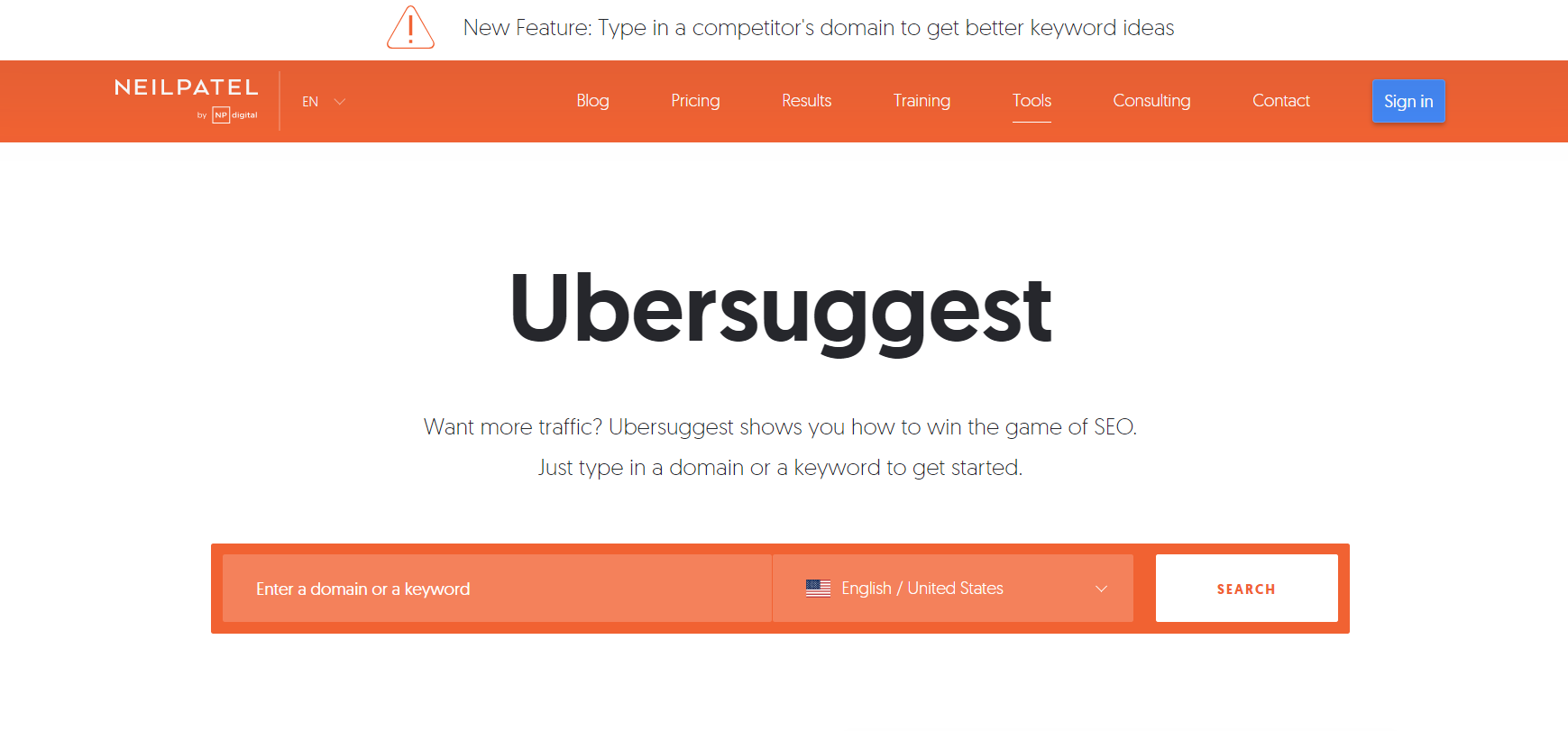
    UberSuggest is one of the most sought-after tools for content writing that provides suggestions for content topics based on the keywords you can input and generate new content ideas.

    Key Features

    • Running a competitor analysis through UberSuggest allows you to analyze the SEO strategies of your competitors and identify areas where you can improve your efforts.
    • The backlink analysis feature provides detailed information about a website’s backlinks, including the number of links, the quality of links, and the anchor text used.
    • It shows you the estimated organic search traffic for a website, helping you understand how well your website is performing and work on areas that require rectification for improved SEO.

    Visit Website

    Ratings on G2: 4.2

    15. SERanking – Keyword Research and Keyword Ranking

    SERanking is an all-in-one SEO software that helps in keyword research and ranking.

    Key Features

    • It enables you to find the best keywords for your website, track your competitor’s rankings, discover new and trending topics, and generate powerful blog post ideas.
    • It finds and fixes broken links on a single platform with a range of other tools for SEO optimization.
    • It tracks and monitors site ranking and the performance of keywords, daily keyword ranking in search results, backlinks, competitors’ rankings, and the like for SEO growth. 
    • It tracks local keywords for SEO with country-specific domain reports.

    Visit Website

    Ratings on G2: 4.8

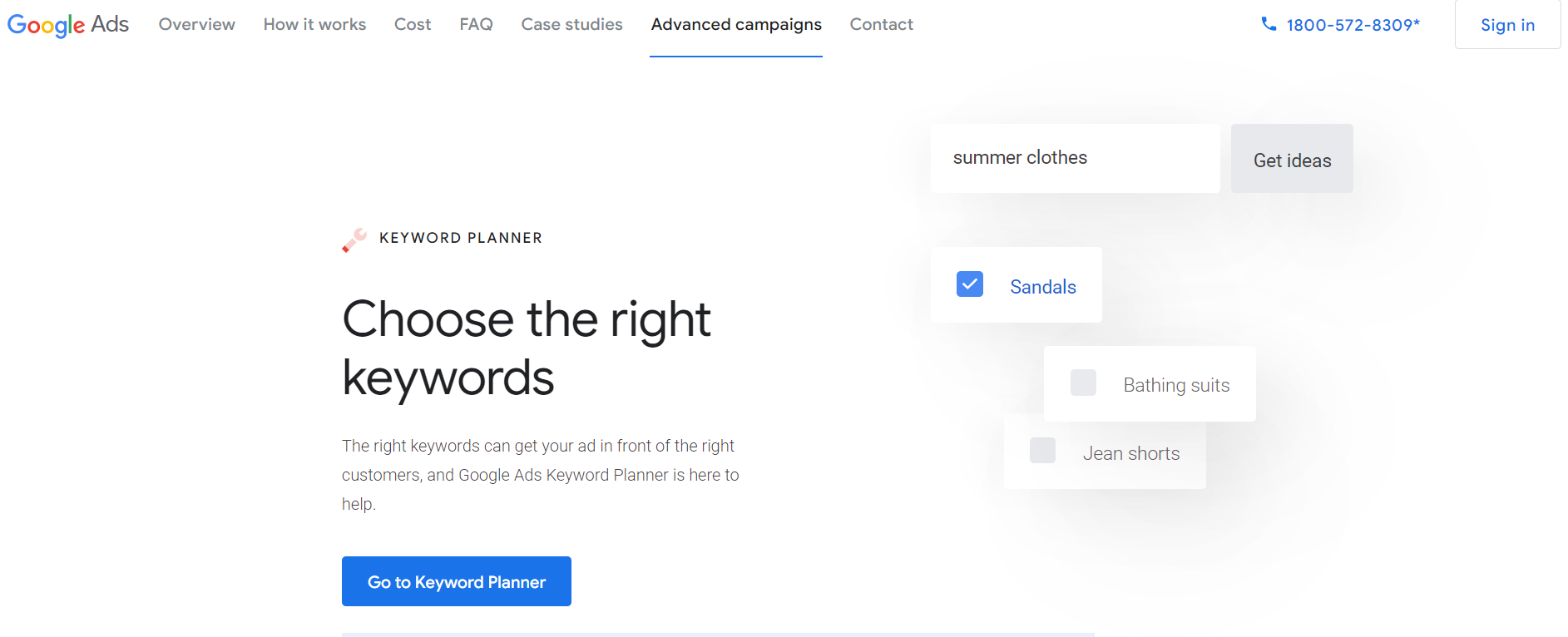
    16. Google Keyword Planner – For Keyword Research

    The Keyword Planner is a free tool that helps you research which keywords might be relevant to your business.

    Key Features

    • The tool offers search volume and cost-per-click estimates, along with suggested bid adjustments for your ads.
    • It provides detailed data on search volumes, traffic estimates, and related keywords so you can identify trends and opportunities.
    • It shows which of your pages attracts the most visitors from a specific search term in your site analytics reports.

    Visit Website

    Ratings: 4.8

    17. Google Search Console – To Check Indexing Status and Optimize Visibility

    Coming from Google itself, the Google Search Console is undoubtedly one of the best tools for SEO content writing.

    Key Features

    • The tool helps you measure the performance of your website and other factors, such as page load time, all of which directly impact SEO. 
    • It analyzes the number of clicks, impressions, and positions on SERP, along with other insights, which can improve rankings. 
    • It monitors and helps resolve security and malware issues. 
    • It can be used with other integrations such as Google Analytics, Google trends, and Google ads to maximize efficiency.

    Ratings on G2: 4.7

    Visit Website

    18. Google Trends – To Analyze the Popularity of A Search Term

    Google Trends analyzes the popularity of search terms using real-time data. It shows you how popular a search term is relative to other search terms and relative to the total search volume in your country or region. 

    Key Features

    • With Google Trends, you can see the latest trends for almost any search term to help you discover new ideas and optimize your marketing strategy.
    • You can easily compare the popularity of different search terms directly to each other or compare them over time.

    Ratings on G2: 4.5

    Visit Website

    19. Answer The Public – For Visual Keyword Research

    Answer the Public is the first visual keyword research tool that allows you to rapidly discover what people search for and why.

    Key Features

    • AnswerThePublic can help you generate new ideas for content based on questions already being asked by your target audience.
    • It helps you discover the most searched keywords in any niche, uncover long-tail keyword opportunities and identify gaps in existing content, making it one of the best tools for SEO.
    • It works by reporting the most popular questions people ask related to your niche, giving you organic search traffic ideas that can be turned into content to improve your SERP rankings and increase organic visitors.

    Ratings on G2: 4.5

    Visit Website

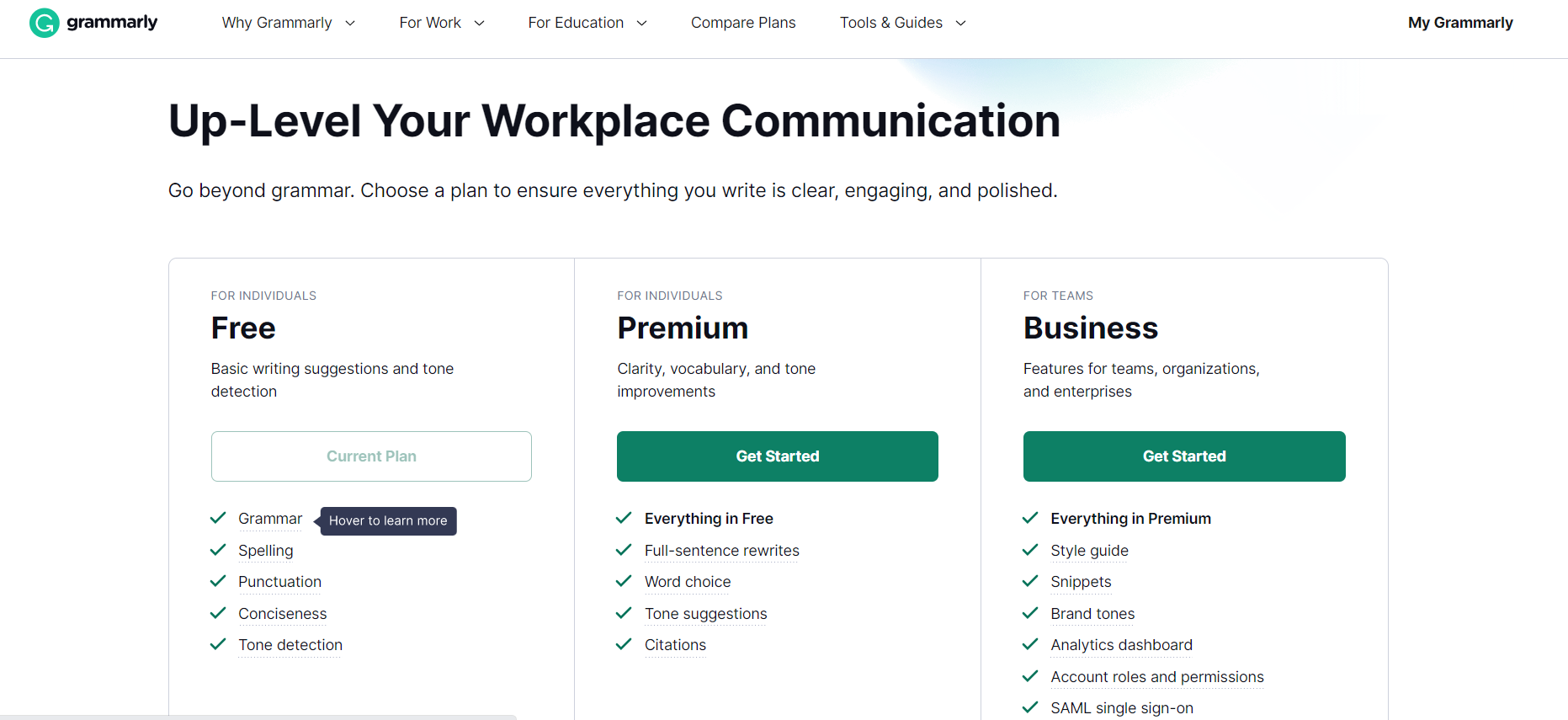
    20. Grammarly – To Write Grammatically Correct Sentences

    Grammarly is an automated proofreader and writing enhancement platform. Grammarly’s free version is a web browser extension that checks over 250 grammar rules and suggests improvements to the text in real time as you type.

    Key Features

    • Grammarly helps by giving suggestions and helping you achieve your goals. 
    • The paid version also offers plagiarism detection, clarity rule checks, score tracking, and more. You can set goals such as ‘clarity’ or ‘fluency’ before you start writing.
    • Plagiarism detection works in the background to spot copied content.
    • It helps generate citations and bibliographies and even speeds up your writing by providing templates and word suggestions. 

    All these features make it a must-have tool for SEO in content writing.

    Ratings on G2: 4.6

    Visit Website

    21. Bitly – URL shortener

    With Bitly, you can customize the appearance of your shortened links with your branding, such as custom domain names or custom link slugs.

    Key Features

    • As an SEO content optimization tool, Bitly can help improve the click-through rate (CTR) of links in search engine results pages (SERPs). 
    • By making links shorter and more memorable, users are more likely to click on them.
    • Bitly’s tracking and analytics features can help you understand how users are interacting with your content, which can inform optimization efforts.
    • Bitly links can be easily shared on social media platforms, and you can track clicks and engagement on their posts. 

    Ratings on G2: 4.5

    Visit Website

    22. Pexels.com – Free Stock Images and Videos

    Pexels offers a wide selection of high-resolution images and videos that can be used for various purposes, such as website design, social media posts, and marketing materials. 

    Using high-quality images and videos can help increase engagement on a website and social media. To that end, Pexels is one of the best options for sourcing images. 

    Key Features

    • Pexels allows you to find the right image or video based on keywords, color, and other criteria. 
    • It can help improve the user experience of a website by making it more visually appealing. 
    • The tool allows you to add alt tags on the images, which can improve the website’s accessibility for visually impaired users and provide additional context for search engine crawlers.

    Ratings on G2: 4.7

    Visit Website

    23. Canva – Blog Banner Designing/Creating Images

    Canva is a great tool for website owners and content creators looking to improve the visual appeal and search engine optimization of their content. 

    Key Features

    • Canva allows you to create and edit images, infographics, and other visual content that can be shared on social media, which can increase the visibility and reach of the website. 
    • You can add alt tags, which help visually impaired users and search engine crawlers understand the context of the image. 

    Ratings on G2: 4.7

    Visit Website

    24. Croppola – To Optimize Images

    Croppola can help improve the visual appeal of images on a website, increasing website engagement and the time spent. 

    Key Features

    • Croppola helps optimize images for different aspect ratios; you can ensure that images are properly displayed on different devices and platforms, which can help to improve the UX. 
    • It allows images to be resized and compressed, which reduces the size of the images and improves the website’s loading time. 

    Ratings: 4

    Visit Website

    Conclusion

    Writing SEO-friendly content can seem daunting and time-consuming, but with the right tools, it can be a breeze. These 23 tools can help you craft content that meets the criteria of search engine algorithms while still resonating with readers. Use them to ensure that your website is seen and authoritative and that your content has the highest potential for success.

  • B2B Content Strategies That Attract Buyers

    B2B Content Strategies That Attract Buyers

    If you’ve been around the content arena for a long, you must have come across Hubspot’s blogs. Their content is propelled by customer-centric, value-driven content that fosters a loyal customer base.

    They don’t just sell products; they sell values, insights, and solutions, crafting a narrative that puts the customer at the heart of every story. In B2B content creation, the stories you craft and disseminate have a remarkable potential to linger in the minds of your audience.

    • It influences perceptions.
    • It drives actions long after the initial encounter.
    • It converts prospects into clients and loyal advocates.

    But crafting a narrative that sticks requires carefully curated B2B content marketing strategies that are grounded in understanding your audience’s psyche.

    In this piece, we unravel the art and science of creating B2B content marketing strategies that not only stick but convert.

    What is a B2B content marketing strategy?

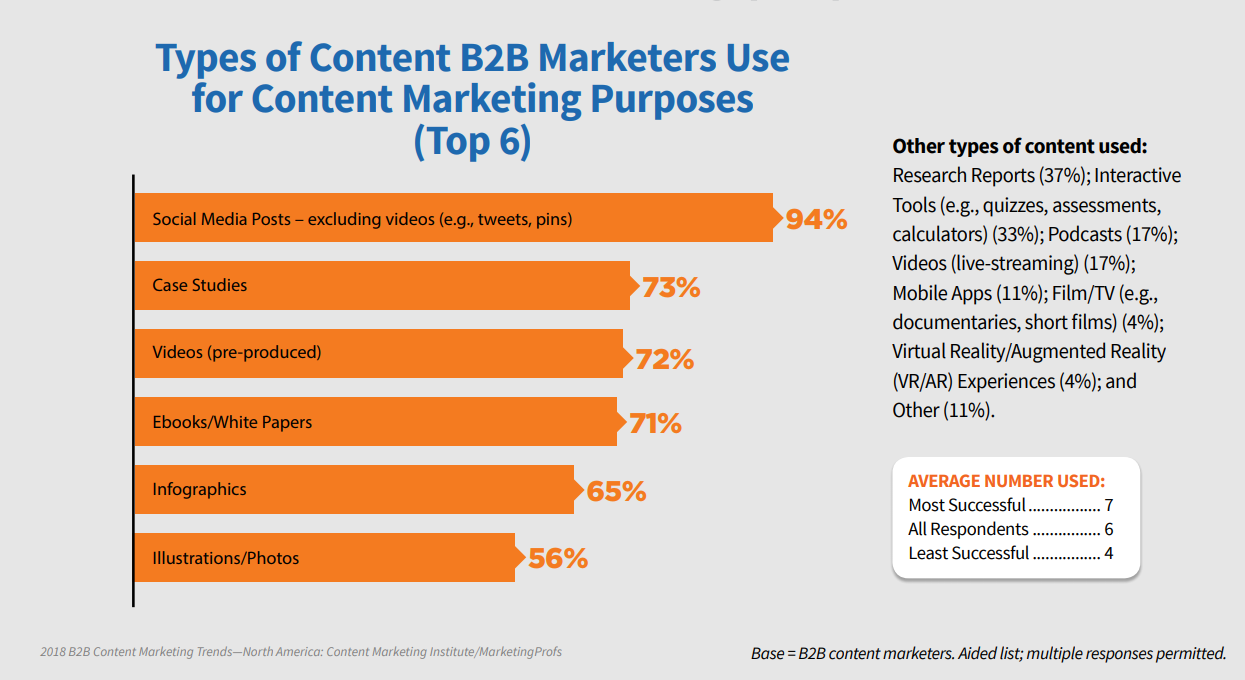
    types of b2b content

    Source

    B2B content marketing strategies guide businesses in creating and distributing valuable content to attract a defined target audience.

    The goal is straightforward:

    Deliver content that solves problems, offers insights, and fosters trust. It should encourage potential clients to choose your services over others.

    It’s about being a reliable voice in your sector, constantly offering value, and building a relationship grounded in reliability.

    Difference Between B2B Content Marketing Strategy and B2C

    B2B and B2C content marketing strategies share the same fundamental principle of leveraging content to build relationships and drive sales. But they cater to distinctly different audiences with different needs and buying processes. The strategies diverge notably in their approach, tone, and content type.

    FactorsB2BB2C
    AudienceBusinesses, decision-makersIndividual consumers
    Buying CycleLonger, often involving multiple stagesShorter, more impulsive
    MessagingProfessional, focused on ROI and problem-solvingEmotional, aspirational, centred on personal benefits
    GoalLead generation, nurturing long-term relationshipsImmediate sales, cultivating brand loyalty

    Why Do You Need Content Marketing Strategy For B2B?

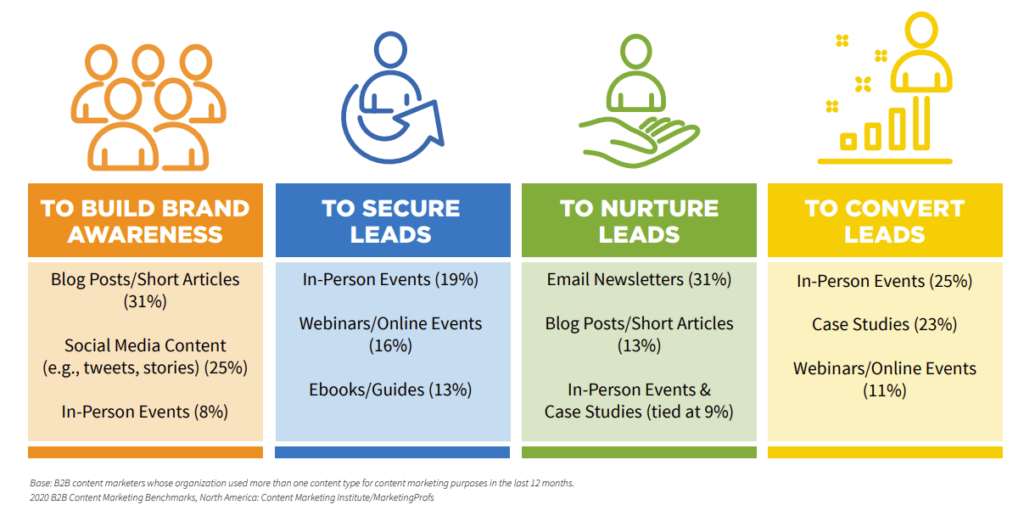
    b2b-content-marketing

    Source

    Well-planned B2B content marketing strategies facilitate a structured approach to presenting your business’s value proposition. Here’s what it brings to the table:

    • Visibility: Standing out in a crowded market.
    • Trust: Building and nurturing confidence in your brand.
    • Education: Informing potential clients about your services, USP.
    • Reach: Enhancing search engine rankings and drawing organic traffic.
    • Lead Generation: Attracting and converting high-quality leads.
    • Cost-Effectiveness: Offering a higher ROI compared to traditional marketing methods.
    • Customer Retention: Encouraging repeat business through continuous engagement.

    Types of B2B Marketing

    What’s the secret sauce to winning at B2B marketing? It starts with identifying the type of marketing approach you want to leverage. These include:

    1. Content Marketing

    Businesses utilise blogs, white papers, webinars, case studies, etc., to showcase their expertise and provide solutions to their audience’s challenges. It is all about creating valuable and relevant content to attract a defined audience. 

    Example: A SaaS company running a series of webinars to educate potential clients on optimising business processes using their software.

    2. Email Marketing

    Email marketing involves sending targeted emails to nurture leads and foster relationships with potential clients. Regular newsletters, product updates, and industry insights are common content types in B2B email marketing.

    Example: A manufacturing company sending monthly newsletters featuring insights on industry trends and showcasing their latest products.

    3. Social Media Marketing

    Even in B2B, social media platforms are essential in nurturing relationships. Platforms like LinkedIn are hubs for B2B engagements. It enables professional connections and allows you to share industry knowledge through posts, articles, and even videos.

    Example: A consultancy firm sharing bite-sized tips and success stories on their LinkedIn page to engage potential business clients.

    4. SEO Marketing

    SEO in the B2B space involves optimising your website and content to rank higher in search engine results, thereby increasing visibility and attracting organic traffic. It involves keyword optimisation, creating quality content, and building backlinks.

    Example: An IT solutions provider optimising their blog posts with relevant keywords to attract businesses looking for IT solutions on search engines.

    How To Develop Winning B2B Content Marketing Strategies

    Astoundingly, while 40% of B2B marketers have a documented content marketing strategy, 27% are operating without any strategy at all. Despite the pandemic escalating content usage by a monumental 207%, only 54% of marketers are taking a step further to analyse their content ROI in 2023.

    This presents both a challenge and an opportunity for businesses. Having robust and well-articulated B2B content marketing strategies can be your golden ticket to standing tall in a competitive industry landscape. Let’s look at the nuances of developing a content marketing strategy for B2B.

    1. Define Your B2B Content Marketing Strategy’s Goals

    Dive into setting SMART goals — Specific, Measurable, Achievable, Relevant, and Time-bound targets to streamline your objectives clearly and practically. Here’s how it works:

    • Specific: Hone in on what exactly you want to achieve.
    • Measurable: Ensure you can track and quantify your success.
    • Achievable: Set targets that are challenging yet attainable.
    • Relevant: Align goals with your business objectives and audience needs.
    • Time-bound: Attach a clear timeframe to each goal to foster urgency and focus.

    Here are some real-world examples of SMART goal setting:

    • Aiming to secure 50 fresh leads through your content marketing strategies from January 1 to March 31.
    • Boost engagement on our LinkedIn posts to a consistent 1000 interactions per post by Q2 end.
    • Increase blog traffic by 30% through organic search by the close of the fiscal year.

    Remember, embarking on the goal-setting journey isn’t a linear process. You will need to iterate your goals and refine them based on insights garnered along the way.

    2. Understanding The Target Market & Audience: Develop your buyer personas 

    Take a step back to understand the audience you are serving. Start with creating buyer personas.

    These are semi-fictional representations of your ideal customers, built based on real data and market research. Let’s say you are targeting decision-makers at companies who are responsible for purchasing a SaaS solution to improve their team’s productivity. Here’s a potential buyer persona for the same:

    AspectDetails
    Persona NameEthan, Efficiency Expert
    Age35-45 years old
    Job TitleChief Operations Officer (COO)
    IndustryVarious industries (Finance, Healthcare, IT services)
    EducationMaster’s degree in Business Administration or related field
    GoalsTo streamline operations, enhance team productivity, and improve ROI
    ChallengesFinding a reliable, user-friendly, and cost-effective SaaS solution
    Pain PointsWasted time due to inefficient tools, difficulty in tracking team productivity
    Decision-making FactorsEase of integration with existing systems, customer support, positive reviews
    Communication ChannelsLinkedIn, industry webinars, trade journals

    3. Understand Where Your Users Are in The Buyer’s Journey

    Trends Of B2B Marketing That You Need To Know - anteelo

    Source

    A typical B2B buyer journey involves three distinct phases: awareness, consideration, and decision. Here we’ve mapped out the types of user behaviour and different content types that resonate well at each stage.

    StageUser BehaviourContent-Type
    AwarenessSeeking information on the identified issueBlogs, ebooks, educational webinars
    ConsiderationResearching potential solutionsSolution guides, comparison charts, expert webinars
    DecisionReady to purchase or engage furtherCase studies, product demos, free trials

    4. Determine your Brand Voice and Tone

    Mailchimp has done an excellent job at determining the tone and voice for their content marketing strategy: Check here.

    The voice and tone will be the backbone of your brand’s personality. It needs to be consistent in every piece you churn out.

    • Start with identifying your voice, which remains consistent across all your marketing avenues.
    • Describe it using adjectives such as “funny,” “warm,” or “edgy”.
    • Carve out the tone — the style that manifests in individual content pieces. Make sure this is influenced by the buyer persona you are targeting.

    For example, when you’re targeting high-level professionals such as product leaders or VPs for selling a CRM tool, your tone should be professional yet dynamic to cater to their sophisticated tastes and busy schedules. Here’s how you can structure your brand voice and style for VP or product leaders from a B2B organisation in different scenarios:

    Content-TypeVoiceToneExample
    Blog PostsProfessionalInformative yet engaging“Leveraging CRM to Drive Product Innovations: A Guide for Leaders”
    Email CampaignsProfessionalDirect and personal“Exclusive Insights on CRM Enhancements Await You, [First Name]”
    Social MediaProfessionalFriendly and insightful” Discover the CRM tool that VPs swear by! #ProductLeadership”
    WhitepapersProfessionalDetailed and authoritative“In-depth Analysis: How CRM is Shaping the Future of Product Leadership”
    WebinarsProfessionalEngaging and educational“Join Our Expert Panel Discussing CRM Innovations for Product Leaders”

    In each content type, the voice remains professional, representing a knowledgeable and reliable brand. However, the tone varies, ranging from:

    • Informative and engaging in blog posts
    • Direct and personal email campaigns
    • A friendly vibe on social media
    • A detailed and authoritative note in whitepapers
    • Engaging yet educational demeanour in webinars

    5. Strategising Content Ideas and Identifying Ideal Content Types

    It’s pivotal to outline channels, brainstorm fresh content ideas, and allocate them appropriately to optimise reach and engagement. Here is how you can go about it:

    I. Determine your channels

    Identify where your audience spends most of their time and focus your efforts there.

    Consider platforms that not only align with your content type but also harbor your target demographic. You can leverage analytics tools to understand user behaviour and preferences.

    II. Think about content ideas

    This includes:

    • Investigating competitors’ best-performing content pieces
    • Monitoring keyword rankings of industry leaders
    • And tapping into what your users would like to read and at what stage

    III. Determine what idea goes where and in which format

    Match the content format with the consumption behaviour typical to a platform. For instance, infographics work great on platforms like Pinterest and Instagram.

    Whether it’s a detailed blog post for your website to nurture SEO, an engaging video for social media, or a persuasive infographic for an email campaign, mapping content ideas to the right outlets can enhance their impact manifold.

    B2B Content Marketing Strategies in Action: Map A Clear Plan Before You Begin

    Always keep your buyer personas in mind to create content that nurtures and retains users/customers. Here’s an example of how (and what type) you can create content for each stage in the buyer’s journey.

    Funnel StageContent-TypeContent Idea
    AwarenessBlog Posts“Top 10 Industry Innovations in 2023”
    ConsiderationeBooks“A Comprehensive Guide to Choosing the Right [Your Product/Service]”
    DecisionCase Studies“How Company X Increased Efficiency by 50% Using [Your Product/Service]”
    RetentionNewsletters“Monthly Tips and Tricks to Get the Most Out of [Your Product/Service]”
    AdvocacyReferral Programs“Refer a Friend and Get Exclusive Benefits”

    6. Execute Your B2B Content Marketing Strategies

    Success in content hinges largely on a well-documented content marketing strategy. Start by creating a comprehensive document accessible to your entire team.

    This should include details about your goals, buyer personas, content ideas, and other critical components of your strategy. Below, we have outlined the essentials of your execution strategy for effective implementation:

    I. Documentation

    Create a Central Document

    • Purpose: To maintain uniformity in communication and strategy
    • Tools: Word document, Google Sheets, Evernote
    • Access: Ensure company-wide accessibility

    Map an Editorial Calendar

    • Frequency: Monthly/Quarterly/Yearly (Recommended: Quarterly)
    • Components of an Editorial Calendar:
    FeatureDescription
    Topic/TitleDefine the focus of the content
    Target KeywordsIdentify SEO-centric keywords
    Target PersonaSpecify the audience demographic
    Publish DateSet a tentative release date
    Offer/CTADetail the call to action
    WriterAssign a writer

    II. Execution

    As you venture into the execution phase, maintaining consistency is key. Leverage project management tools such as Trello or Asana to keep track of tasks and ensure team accountability. Regular meetings to review responsibilities and priorities can be instrumental in steering the team toward the set goals.

    Tips for Consistent Execution

    • Set Clear Deadlines: Establish priority and track progress
    • Avoid Overloading: Start with high-priority tasks, avoid taking on too much at once
    • Feedback Loop: Remain open to necessary adjustments based on real-time feedback
    • Highlight Task Importance: Communicate the relevance of each task to the team

    Remain adaptable and keep making necessary adjustments to your B2B content marketing strategies based on real-time feedback and performances.

    When the workload seems overwhelming, you can also think of reaching out to experienced agencies like Wittypen to help you stay on course. Leveraging their expertise to optimise your content marketing strategy while alleviating many of your burdens.

    B2B Marketing Trends to Watch in 2023

    As we steer further into 2023 amidst a backdrop of economic uncertainties and evolving consumer preferences moulded by “the new normal,” it becomes imperative to remain alert to the shifting trends in the B2B marketing landscape. Here are some predominant trends that are expected to characterise the sector in 2023:

    1. Personalisation Remains Paramount

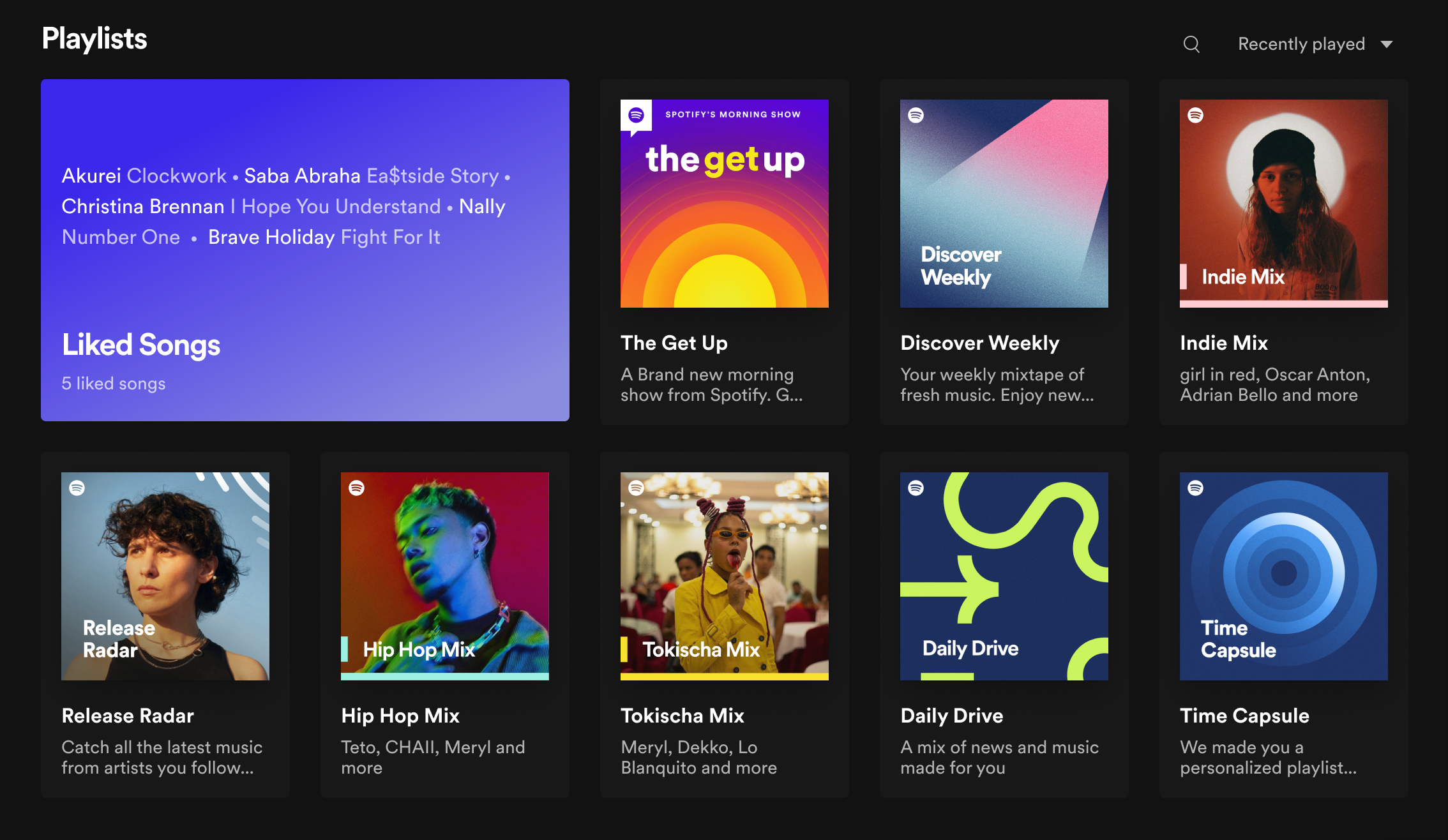
    Targeted content and personalised messaging will be pivotal for B2B companies in the coming years. This is because companies are keen to understand their audience’s unique preferences to tailor content and experiences precisely. Spotify’s Marketing stands as a testament to the potency of personalisation.

    Source

    Its features ‘Discover Weekly’ and ‘Daily Mix’ curate music based on individual user behaviours. This showcases the brand’s proficiency in utilising data to enhance the user experience.

    2. Increased Reliance on AI and Automation, with Responsible Oversight

    2023 is seeing businesses lean more on AI and automation, and here’s why it’s trending: these tools are your ticket to efficient and targeted marketing campaigns. But it’s not just about automation; it’s about smart and ethical automation.

    Picture this – using Salesforce’s AI tool, Einstein, you can zoom in on your customer’s behaviour, predicting their future moves. But remember, keeping it ethical and transparent is non-negotiable. It’s all about striking the right balance to foster trust and efficiency.

    3. Customer Experience as a Focal Point

    Happy customers stick around. If you’re in B2B, it’s time to roll up those sleeves and carve out a customer journey that feels personal and seamless. Think tools that let you tune into what your customers really want, just like what Adobe is rocking at.

    Step into your customer’s shoes, get the full picture, and deliver experiences that not just satisfy but delight. It’s your golden ticket to building loyalty and scoring repeat business.

    Harnessing Success Through Strategic B2B Content Strategy

    Building successful B2B content marketing strategies necessitates collaborative input from every department. Despite the initial extensive effort, developing distinct personas, defining brand voice and tone, and establishing a documented strategy prove invaluable.

    Acting as a roadmap, it unifies the team under a shared vision, facilitating smoother progress. Undertake it step by step to seamlessly weave B2B content marketing strategies that stand robust, fostering business growth. 

    But why traverse this path alone? Wittypen is your companion in this endeavour, bringing to the table AI-powered tools and a network of professional writers to help you accelerate the content creation process with a seal of quality and originality.

    Dive deeper into the secrets of successful B2B content marketing with Wittypen’s seasoned expertise. Let’s work hand in hand to create content loved by your readers, content that drives revenue.

    FAQs

    1. What are the key elements of a successful B2B content marketing strategy?

    Winning B2B content marketing strategies hinges on clearly defined goals, understanding your audience, consistent and quality content production, SEO optimisation, and meticulous performance analysis to refine strategies continually.

    2. How can I identify and understand my B2B target audience?

    Kickstart by researching your current customer base, and exploring industry reports and surveys. Develop buyer personas to outline the typical needs, challenges, and behaviours of potential clients.

    3. What types of content work best for B2B audiences?

    Educational and insightful content like white papers, case studies, and webinars typically resonate well with B2B audiences. These contents provide value and solve specific problems, thereby nurturing trust and expertise.

    4. What metrics should I track to measure the success of my B2B content marketing strategies?

    Focus on metrics such as lead quality, website traffic, SEO rankings, and engagement rates on different platforms to get a holistic view of your B2B content marketing strategy’s effectiveness.

    5. Which tools can help me monitor and analyse the performance of my B2B content?
    Leverage tools like Google Analytics for tracking website performance, SEMrush for SEO analysis, and HubSpot for comprehensive content marketing analysis to stay on top of your B2B content’s performance.