Author: Shreya Srivastava

  • Interactive Content – Harnessing Its Unique Potential

    Interactive Content – Harnessing Its Unique Potential

    Interactive content has the potential to give more value to your customer because it captivates your user’s attention by not just visuals and text, but much more. If you use interactive content in your content strategy then you are bound to get more engagement and action from users.

    This blog covers our interview with Maryada Dhanuka who heads marketing at Cuemath. Maryada sheds light on the importance of interactive content marketing and explains the right way to go about it. Before going ahead to the interview, here’s a little read about Maryada and Cuemath

    About Cuemath

    Cuemath was born with the vision to create thinkers and problem solvers of tomorrow. The team at Cuemath believes that this can be achieved through a robust foundation in mathematics by helping children learn mathematics the right way.

    Learning Math can be difficult for most kids, mainly because of the traditional ways of teaching the subject which encourages kids to rote learn formulae. Cuemath addresses just this through its personalized program that is learning based on discovery and by doing.

    Their multi-format curriculum approaches math in a holistic way; in the sense, the puzzle cards, workbooks, tabs and the math-box are all used to ensure that the children are engaged throughout and covers school math, mental aptitude and creative reasoning.

    This self-paced program also helps students assimilate concepts at their own pace, making them confident in the subject, one session at a time. This essentially ties back to Cuemath’s core vision.

    Cuemath’s a first-of-its kind ‘Mathematical Universe’ which is one of the most extensive gamification exercises undertaken in education. It’s a step towards enhancing the quality and method of math learning and teaching so the subject is seen as a life skill and not a liability.

    About Maryada

    Maryada Dhanuka heads marketing at Cuemath. She is responsible for driving all the marketing activities for Cuemath. Maryada has about 7+ years of living & breathing marketing. Prior to Cuemath, she has led the brand at Xiaomi India and Freecharge. She has also worked with marketing teams of Vodafone and Google in her earlier days.

    Due to her experience of working with marketing teams of great companies in various sectors, she has learned newer ways of marketing to the right audience in each role of hers. Apart from her vast experience in marketing, she loves to travel and learn about new culture.

    She’s always on the lookout for how brands internationally are reaching out to their target audience, be it through outdoor, print or digital.

    What do you mean by interactive content?

    As the term suggests, interactive content is any kind of content that makes the consumers take an action or engage with the content and not simply read or watch the content. It is a two-way dialogue between the consumer and the brand.

    With the advent of the internet, content marketing became popular and with more and more brands focusing on content marketing, interactive content has come into play. We could say that the Internet gave way to interactive content marketing.

    But according to me, interactive content is not limited to just online marketing, there are various ways that brands are making interactive content in the offline marketing space as well.

    Why is there a need for interactive content in your brand’s content strategy

    Interactive content has manifold benefits for the brand. When your consumers engage with your content by participating with it in any way, they build a relationship with the brand. It increases the quality of recall/awareness for the brand, leading to brand affinity.

    Building brand affinity is one of the toughest tasks for any marketer and good interactive content gives you the platform to build this affinity. When brands successfully build affinity, there is higher brand loyalty and therefore greater consideration scores for the brand.

    What type of contents are interactive?

    Any type of content that drives engagement from the consumer is interactive. It could be as simple as a EMI calculator on a bank website, or a social post that is a poll on a current topic, a quiz or brain teaser, a short 1/2 question survey, interactive infographics, interactive videos & emails, and many more.

    Not to forget there is a wave of interactive content coming with the VR (Virtual reality) technology which will make the watchable content a LOT more interactive and will allow for better experience building by the brands. At Cuemath, given the space we are in we use a lot of interactive content like Puzzles, brain teasers, quizzes, etc. to engage with the audience.

    With these puzzles, quizzes we are also able to communicate the Cuemath way of learning math and communicate our product positioning to our audience. Here are some examples

    Here’s a link to the above.

    Here’s a link to the above.

    Who is your target audience here?

    So at Cuemath, our customers are the parents and our consumers are the kids. At the moment we operate in the space of building mathematical thinking in children in class KG – 8th Grade. Our journey of making our consumers (kids) fall in love with math (brand) starts once they begin consuming the product.

    Before that, until sign up our target audience is the parents of these kids. In fact, with the Cuemath way of teaching, the Cuemath kids interact with Math. They learn the logic, pattern behind the formulae and math concepts. Children learn concepts like fractions, subtraction, addition, geometry with our interactive tools.

    When they interact with these tools, they interact with our brands and our customers (parents) passively interact with the brand when they see these activities done by the kids, helping us build brand affinity.

    How can you use interactive content in different stages of your customer buying journey?

    You can make your content marketing interactive at any stage of the customer/buyer’s journey. At the awareness stage, you can work on interactive videos as videos are a great way of filling the top of your marketing funnel.

    They generate the interest in your brand. You can get the interest going once your consumer has signed up by way of email ID or social login by engaging with them through interactive emails, surveys and polls. At the consideration stage make sure that the consumer interacts with the product or the service to strengthen their decision.

    Do you think there are any brands that are doing well in this arena?

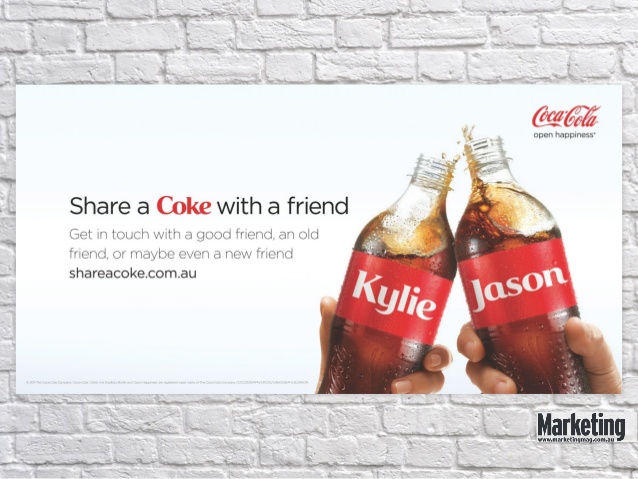
    Not too many brands in India have ventured into interactive content in my opinion. However, one brand which does create great interactive experiences is Coca-Cola.

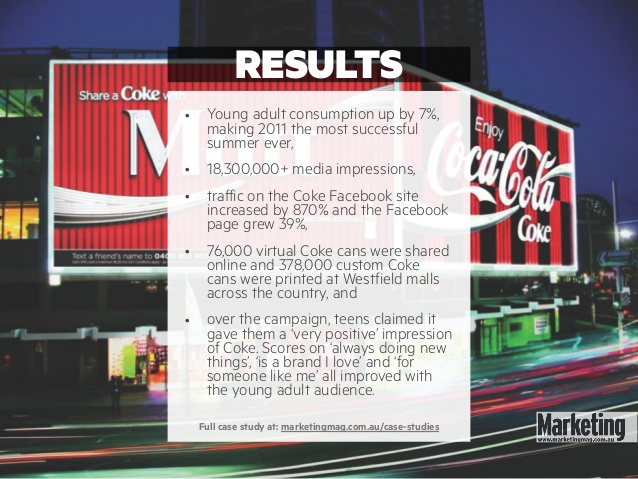
    Their ‘Share a coke’ campaign created millions of conversations around the globe. This campaign was both online and offline. While you can term it as a brand activation, but in my view, every consumer was interacting with the brand.

    Any tips to create good interactive content?

    For creating any type of communication for the consumer – be it interactive or not, the thumb rule is, understand what your consumer wants. Deep dive into what they are looking for. Meet your consumer and understand the problem and how is your brand providing a solution to that problem.

    Gather insights from various data and research results and tap on those insights while making your communication. Any consumer would have three kinds of barriers when they don’t adopt your product –
    1) It’s not for me,
    2) I already have it
    3) You can’t deliver the promise.

    Understand these barriers and create communication to build belief in your product/service. Talking about creating great interactive content – follow this thumb rule ‘what does my consumer want’.

    For example at Cuemath we make the communication to build belief in the Cuemath way of learning Math, where parents understand that our way of teaching math not only makes kids great at math but at mathematical thinking too. When you understand what your consumer wants, you will not fail.

    While meeting all consumers is not easy, meet as many as you can and ask the WHYs and you will arrive at a problem your product can solve. When not meeting formally you would come across a lot of consumer in your daily life, I spend time observing and consuming information and apply that along with research data to build any communication for the consumers.

    Conclusion

    Customers today are actively seeking value from the content you produce. A successful content marketing plan is the one that solves a pain point, answers questions and offers relevant information. Interactive content marketing is a powerful way to give users instant and tailored results. We thank Maryada for helping us understand the importance and relevance of interactive content marketing and sharing some extremely beneficial tips.

  • How to Master The Art Of Video Content Marketing, By Akshatha Kamath

    How to Master The Art Of Video Content Marketing, By Akshatha Kamath

    Video content marketing is becoming popular with each passing day and is the current favourite for so many marketers. Content marketers are able to achieve versatility and virality of their content through different types of videos for marketing.

    In this blog, Akshatha Kamath who heads Content Marketing at Simplilearn talks about the importance of video content marketing. But before we go on to that, let’s learn a little about Akshatha and Simplilearn.

    About Akshatha

    Akshatha Kamath is the Head of Content at Simplilearn. She is a content marketing specialist with close to 12 years of experience in writing, strategizing and managing content for various organizations.

    Before Simplilearn, she’s worked with companies like Vizury and Conzerv (now part of Schneider, India) helping them with content, brand and communication strategies that are aligned with the business goals and brand recall for the digital space.

    She is an avid reader and a traveller who enjoys experiencing the flavors of life from different places. You can check out Akshatha’s social networks here:Twitter Handle,LinkedIn Account

    About Simplilearn

    Simplilearn enables professionals and enterprises to succeed in the fast-changing digital economy. The company provides outcome based online training across digital technologies and applications such as Big Data, Machine Learning, AI, Cloud Computing, Cyber Security, Digital Marketing and other emerging technologies.

    Based in San Francisco, CA, Raleigh, NC and Bangalore, India, Simplilearn has helped more than one million learners and 1000+ companies across 150+ countries get trained, acquire certifications and reach their business and career goals.

    The company’s high-engagement curriculum blends self-paced online learning, instructor-led live virtual classrooms, hands-on projects, student collaboration, and 24/7 global teaching assistants. Simplilearn is recognized by Training Industry as a Top 20 IT Training Company for 2017.

    What’s the role of videos in content marketing?

    There are various reasons why videos are strategically important to your content mix, now more than ever. Videos are the highest consumed content format today. According to Buffer, More than 500 million hours of videos are watched on YouTube every day.

    On social media, videos can help you reach as much as 300% more users and drive upto 150% more engagement. Also, traditional formats such as blogs that contain video content will see a lift in SEO. Videos are more powerful in capturing user attention and keeping them hooked, especially on mobile.

    To sum it all up, video content marketing can help you grow your reach, engagement and the overall marketing ROI.

    Check out Simplilearn’s Blog with an embedded video. To know how to embed videos in our blog, click here.

    Why is repurposing important?

    As content marketers, we mostly strive to create rich and original content that is meaningful to our audience. To create impactful and evergreen content you’ll need to go through the stages of research, topic definition, writing, editing and then distribution – which means, you’ll invest time and sometimes marketing dollars.

    But when you repurpose content, you start with one good idea/theme and then expand that into a different angle or other content formats such as blogs, videos, infographics, slideshare, podcast the list can go on. A strong content repurposing strategy will help you lower costs, reach a wider audience, and extend the longevity of your content piece.

    Repurposing videos and articles from one to the other are popular content marketing practices that work well with the audiences. For example, if you’ve repurposed a blog into a video and then hosted this video on your YouTube channel, you’re doing two things. Firstly, your YouTube users might be different from your blog users, but they will still be similar in demographics. So you’re taking this great piece of content that you’ve created and reaching another set of users who might find this helpful.

    Next, you can embed the video within the article after the first fold. So anyone on the blog who doesn’t want to spend time reading can consume the video content and this will help you increase the average time-on-page for your blogs.

    Who do you target with repurposed content?

    If the underlying theme of the original and re-purposed content are same (which is usually the case), the audience demographic remains similar, but their stage in the buyer’s journey might change.

    For example, let’s say you have an eBook about advanced mobile marketing tips with the original intent of engagement and lead generation. You will be able to repurpose the report and pull-out micro-graphics, blogs, teasers that map out across awareness, engagement and conversion stages.

    How frequently should a brand produce videos?

    As much as you need to. Videos work best for top-of-the funnel engagement and based on your marketing goals and audience you need to carefully weave in videos into your marketing mix. Create a pipeline of videos and do focus on the quality of content and the experience within your videos. Ensure that you have an engaging narrative and most importantly, a story to tell.
    Here are some videos by Simplilearn

    How should you distribute your videos?

    A great video distribution strategy will cover all your major channels such as email, social media, website, blog, YouTube, Slideshare, partner blogs, sales assets, press releases and more. Another interesting use case to repurpose videos is to use a video still and pin it to your Pinterest handle. The key, however, is to reach out to the right audience and use contextual videos across your buyer’s journey.

    What tools do you recommend to create/repurpose videos?

    Not all content marketers are video editing experts. But tools such a Lumen 5, Rocketium have simplified video production. With these tools you can create highly engaging videos that can be used across your website, YouTube or social media. You can use Animaker, VideoScribe to create animated or whiteboard content. But you’ll need some more time and design skills to build these videos.

    Do you promote your videos or do you rely on their organic growth?

    Both are important. If you have good content, you’ll see higher engagement and traffic. But why shy away from promoting it? Organic reach is typical to users who have already consumed your content in the past or are searching for a related topic – these are users who are viewing your videos because they want to.

    But with paid promotions, especially on your social networks, you’ll be able to reach out to new but relevant users. In the case of B2B companies, videos can be used for account-based marketing via paid social ads.
    Promotional Ad by Simplilearn.

    Any video content marketing initiatives that are running currently and previous campaigns that you would like to share?

    Yes, there are two ways in which we’ve leveraged videos in our your content marketing campaigns at Simplilearn.

    1. Video teasers on social media: We’ve implemented video marketing for our blog and webinar promotions across various marketing channels and this has helped us expand our audience size and also keep them hooked for a longer duration when compared with banner posts. Here’s an example.
    2. Video to blog repurposing: Repurposing helps us reach our audiences across our blog and YouTube with engaging content. Here’s an example of a video to blog conversion.
    Simplilearn Content Marketing Strategy

    The article above is repurposed into a video that you can see below.

    Tips for content marketers

    Understand your buyer personas and create targeted videos that solve a problem for your customer. Similar to blog content, follow the 90-10 rule (The first 90% of your video should talk about the user’s problem and a likely solution.

    The last 10% can be reserved to talk about how your offering can help the user.) Focus on the overall experience and the narrative. Choose the most effective way to tell your story. For example, explainer videos are best described with screen grabs and whiteboarding techniques, teaser videos can be stock-heavy, choose talking head videos for influencer content and so on. But above all, tell a story that the user wants to hear.

    To Sum Up

    The growing need for video content -whether it’s a short or long, animated or love, scripted or real has increased. Human beings are more prone to interacting with visuals as opposed to text.
    Since visual content is at it’s highest peak, is easy to create and is highly engaging, content marketers should invest more time and efforts in aligning their content strategy with video marketing.

    Acknowledgement

    We would like to heartily thank Akshatha for taking out the time to answer our questions. These insights on video content marketing are very beneficial and would surely help many individuals and brand take a positive stride.

  • Comprehensive Guide To B2B Content Marketing By Amit Kapoor

    Comprehensive Guide To B2B Content Marketing By Amit Kapoor

    B2B content marketing in simple terms is an art of developing and distributing curated, relevant and valuable content. But B2B content marketing isn’t an easy task, it requires a strategic approach. Amit Kapoor who heads content marketing at Cigniti has answered some of the most significant questions about B2B content marketing. He has also has spoken about a useful approach for creating an effective B2B content marketing strategy. Before proceeding ahead to that, here’s a little read about Cigniti and Amit.

    About Cigniti

    Cigniti is the world’s first Independent Software Testing Services Company to be appraised at CMMI-SVC v1.3, Maturity Level 5, and is also ISO 9001:2015 & ISO 27001:2013 certified. Cigniti’s test offerings include Quality Engineering, Advisory & Transformation, Digital Assurance, and Quality Assurance solutions. It is headquartered at Hyderabad, India. Cigniti’s 2200+ career testers are spread across US, UK, India, Australia, and Canada.

    About Amit

    Amit Kapoor has 17+ years of in-depth experience in the field of technical writing, content, and digital marketing for global organizations. Amit has been awarded as the ‘Most Influential Content Marketing Professional’ by the World Marketing Congress and recognized as a Global Top 200 Content Strategist by MindTouch, and India’s Top 100 Content & Brand Custodian by PaulWriter.

    A mentor & social media influencer, he is a regular speaker on topics pertaining to communication, content and digital marketing. He has been a Speaker and a Guest Lecturer at the TAPMI-Manipal, IBS-ICFAI, Information Developers Conclave 2017, JNTU TechFest 2017, and STC Annual & Regional Conferences 2016-17. He also has been a Panelist at events as National Level Innovation Summit “Prerna-2018”, Tata DocoMo DoBig, and more.

    He writes articles for ET pertaining to MSMEs, and has edited articles published on IEEE. His articles have also been published in magazines & portals such as Hakin9, Industrial Automation, IIT Mumbai (TechFest), and Inc500. A published Poet, two collections being ‘The Waves Flowed On.’ (Amazon.com: https://amzn.to/2sQ7laP) & ‘We Shall Grow’ (Trafford Publishing, SKU-000128736), he is reachable at amitwritesat@gmail.com and www.akwrites.com. He currently heads the content marketing initiatives at Cigniti where he has helped generate content leading to a 1000% increase in visits from search engines at Cigniti.

    aMIT kAPOOR

    The Interview

    What is the definition of content marketing according to you?

    According to me, content marketing is the act of sharing and spreading content that has been created about an organizations’ products and services. It involves understanding the buyers’ persona and their needs so that relevant, clear, and useful content is created and shared across multiple social media platforms. This creation and promotion of targeted content generates awareness and interest about the products being offered. This helps in bettering the brand image, and also leads to higher number of ambassadors and clientele. A very critical aspect of the content being generated is that it should not have a sales-pitch. Rather, it should be written in a manner that is informative and helps the readers get an overview of the challenges facing them, and the solutions available. Today, most organizations wish to have a global presence. While marketing the content in its different formats (blogs, case studies, emailers, infographics, videos, white papers and more) across the social media, one must also ensure the best days and time for publishing the content for a particular region.

    What drives successful content?

    At a high level, relevancy of the topic being covered, information that helps resolve issues, timeliness, ease of readability, consistency and a disciplined approach to publication of content (for example, at Cigniti we follow 2 blogs a week policy – without fail!), and more.

    Blogs

    Keeping an eye on the trending news about what is happening in the world relevant to the services offered leads to well-timed information that is much appreciated. If as content writers and marketers we are able to understand the thought process of our readers and perform in-depth research about the topic being written, the written content will surely be successful! Having a crisp, strong headline/title for your content, adding a call to action (CTA) in your content, having some visual content (images), etc. are a few good ways to increase the success rate of your content.

    Who is your target audience?

    As Head of Content for Cigniti, a global leader in Independent Software Testing Services, my target persona is the person who is at the helm of affairs of technology in an organization that has software testing needs. Usually, it is the CTOs, CXOs, CEOs etc. who are looking at how best to use Quality Engineering, Advisory & Transformation, Digital Assurance, and Quality Assurance solutions to enjoy growth and sustainability of their organizations. If I am able to make these decision makers understand the services that Cigniti can provide, they might come back as possible prospects and even clients. As an individual content contributor, my target persona is anyone who can make successful use of the content I am creating and marketing. And then, based on the satisfaction achieved, come back for more content related activities as a client.

    What’s the style, tone and voice that you use to address your target audience?

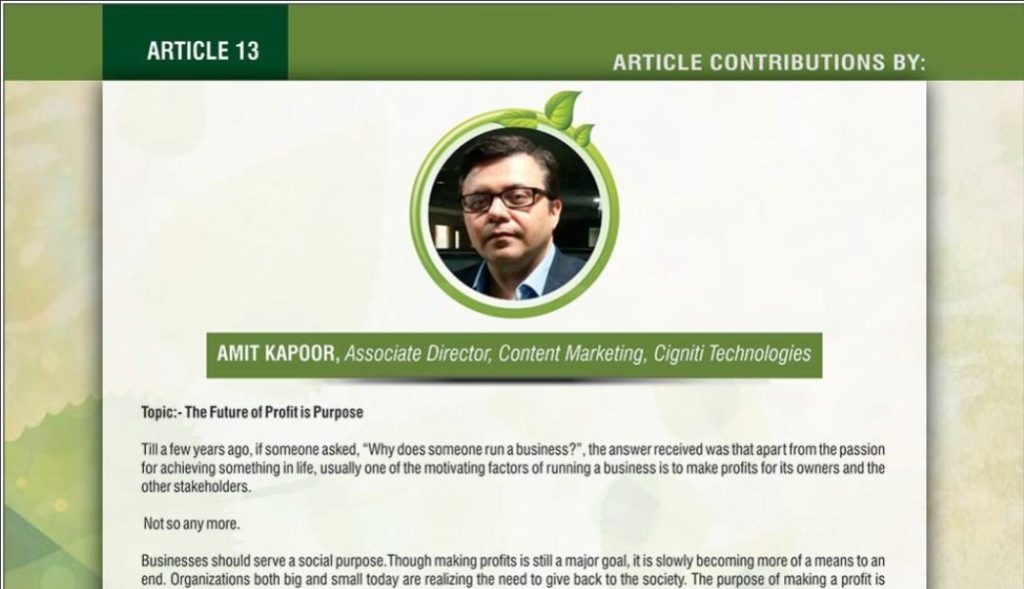
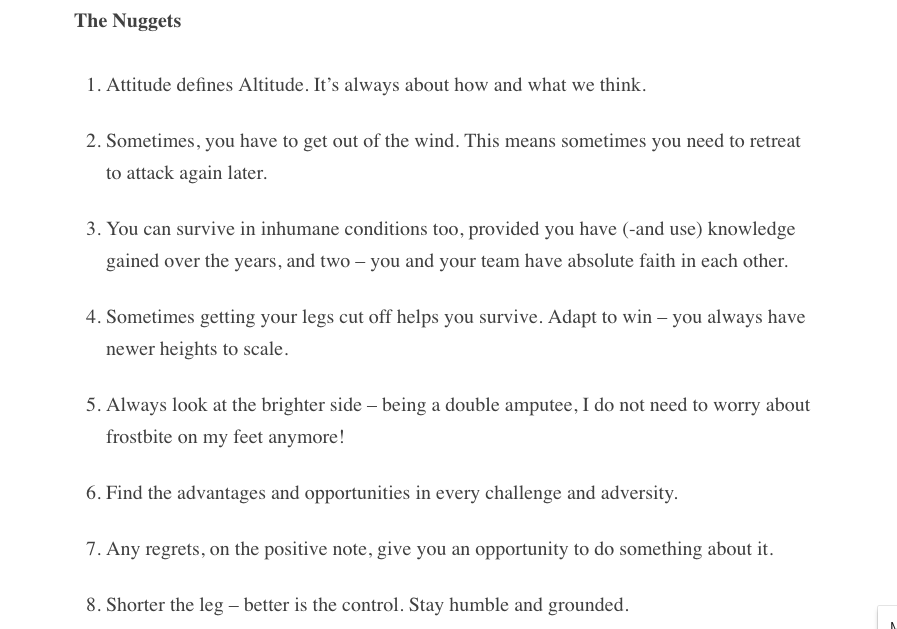
    Depending on the topic that I am writing on, I try to experiment with the style, tone and voice to address my audience. However, as a basic rule, I like to use simple words and avoid jargons and provide an easy, user-friendly flow to my content. I usually address the reader directly in 2nd person (you), and the voice active – unless the situation or topic decides otherwise. An example here is a content piece captioned – Lost Your Legs? Don’t Crib. Find, And Climb Your Own Everest.

    Amit kapoor's article

    An understanding of the target audience plays a critical role in deciding whether to keep the tone conversational or formal. In either case, though, there has to be consistency, clarity of thought, and the feeling of connection with the reader. In case I am writing a blog that intends to inform my audience about something, I would like to keep it informal. But when writing Sales driven marketing collaterals (such as blogs, white papers, case studies), external articles on various authority sites (for Forbes, StickyMinds), or other marketing content, I prefer to keep it formal. An example here is an article on Why SME’s should take digital marketing seriously that I wrote for ET.  Of course, on a lighter note, when writing poems, I just let the words flow!

    How do you go about planning the content strategy for your brand?

    For a brand like ours to succeed, it needs to have a robust B2B content marketing strategy in place. There has to be complete clarity regarding who is the audience, how will it help them overcome their challenges, the multiple formats and platforms that can be utilized for sharing the content, and setting up the schedule of the dissemination of the created content. After deciding the above factors, we also need continuous discussions on how to keep improving the strategy. One of the factors that help ensure the success of a B2B content marketing strategy is to keep the content aligned with the current trends. Another one is to provide a constant, positive push of relevant content on multiple social media platforms. There is also a need to consistently track how the pages are ranking on Google, and how many visitors are landing or bouncing off. While planning the content strategy for Cigniti, we analyze how the keywords that we want to rank are performing based on Google analytics. Once the keywords are finalized, we perform a thorough research on the trending topics around software testing – and in what ways can software testing help organizations. Based on the outcomes, we identify the areas we can publish more blogs, white papers, case studies, infographics, and more, and keep doing it consistently. Apart from this, we also keep refreshing our website content as required.

    What has been the most successful content format for your brand?

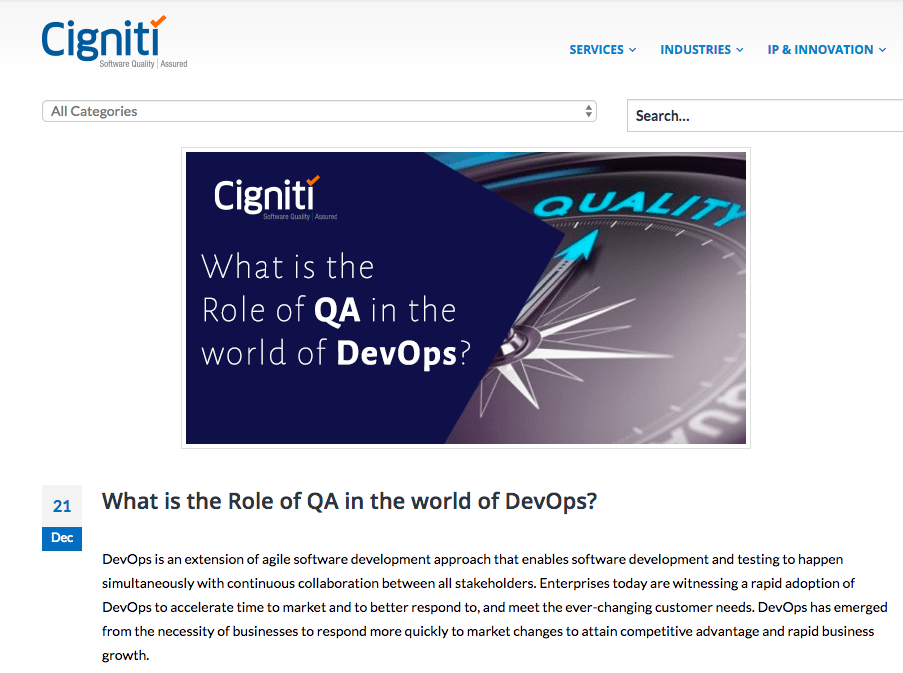
    We have seen great results with blogs which are mostly a combination of text and images. You can check some of our blogs here. What is the role of QA in the world of DevOps?

    Cigniti Blog

    10 Emerging Trends in Software Testing: Predictions For The Next Decade

    Blog Cigniti

    Also, we have seen moderate to reasonable results with videos.

    The most successful content format which we have seen till now is webinars where there is a lot of participation from our users. This helps us to address queries faster and explain better since there is a definite time(an hour) for the webinar. Also, the audience is engaged since they witness a demonstration of capabilities from the delivery rather than the Sales team!

    Have a look at a few of our other concluded webinars. Apart from these formats, we also write case studies and e-books.

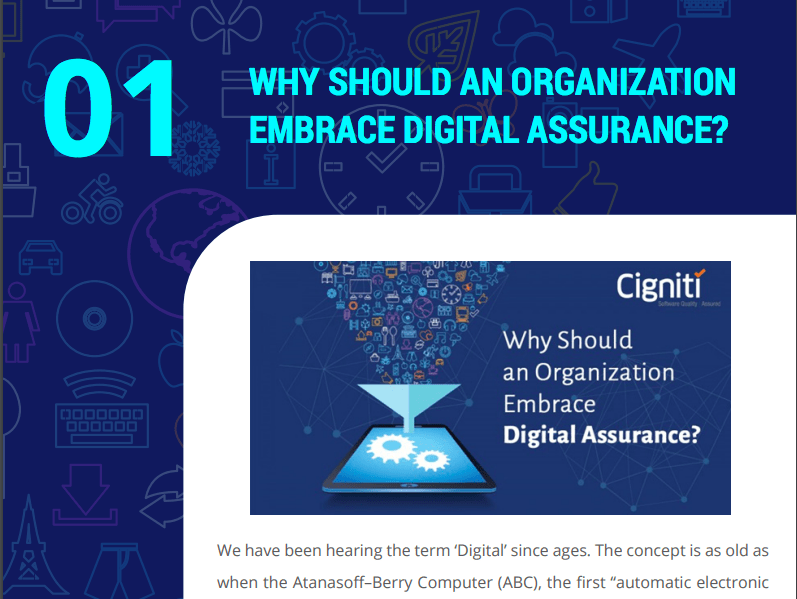
    E-Book: The need to embrace digital assurance and digital testing.

    Case Study:North America’s Leading Tire Distribution Provider Leverages Cigniti’s Expertise to Achieve 90% Reduction in Test Execution Efforts.

    Case Study Cigniti

    Why is it necessary to maintain a consistent supply of quality content?

    In all earnestness – there’s probably no other way to be successful. A consistent supply of quality content reflects that there is enough thought leadership and experience that the organization can provide. It is a must-perform task as it helps keep the brand visibility alive. Research by TechiPedia established that consistent brands are worth up to 20% more than those that aren’t. If we also add ‘Engaging content’ to the equation above – along with Consistent Supply and Quality, the reader retention and decision making will surely move up the ladder – not to mention the growth and success of your business. While high quality ensures customer satisfaction, consistency ensures guarantee to our readers who become used to reading a new blog, say, every Monday. This creates a better connect with our readers. Internally, within the team, it helps improve team morale, performance and efficiency as fixed tasks help us plan better, and reduce any confusions regarding lack of direction.

    Are there any tips that you would want to give to the B2B content marketers of today?

    There are some that I personally follow and would advise the marketers of today to follow.

    1. Don’t stop reading, writing, learning, measuring, and experimenting with newer tactics and social media marketing tools, platforms, and channels in this world of digital transformation.
    2. Try to know as much about your customers and competition as much as you do about your company.
    3. Maintain a Consistent Supply of Quality Content.
    4. Keep measuring and analyzing the success or failure rate of your content.

    Conclusion

    There are n number of experiments that you can have with B2B content marketing. There are innumerable benefits of B2B content marketing. But what is important is to recognise content marketing B2B lead generation, following B2B content marketing white paper strategies that are highly actionable, engaging and focused on your audience. The content marketing interview was enlightening and the content marketing tips given by Amit are truly beneficial and we sincerely thank him for taking out the time to answer some of the most significant questions in B2B content marketing.

    Check out our website for other interviews that offer tons of value and information! 

  • How Brands Use Customer Reviews to Boost Their Content Strategy?

    How Brands Use Customer Reviews to Boost Their Content Strategy?

    Last Updated: 04-02-2020

    You have seen something amazing online and want to buy it. But before you do that, you automatically click on the customer reviews for the product and start reading through them.

    This scenario must be immensely familiar to you.

    While buying something online, we often look at the product reviews. And why not? If something is used by many others and has also been recommended by them – then it’s a must use.

    Importance and Impact of Customer Reviews

    Word-of-mouth is an immensely powerful tool in the era of e-commerce and digital marketing. Customer reviews are honest feedback provided by people who have had prior purchases on the website. They offer potential buyers with the help they need in making decisions. There are chances that any question a potential customer has, it has already been questioned by someone else.

    With social media being a powerful tool of communication, customers do not hesitate in sharing their opinions. Brands thrive these on customer reviews. Reviews on their products, whether positive or negative, are the fruits of labour to the companies that make them. The direct feedback between brands and their customers is a useful tool in content marketing.

    Dealing With Customer Feedback

    People are happy when the opinions they post to a brand’s page get a response. Even a simple thank you reply on a positive review improves customer satisfaction and drives repeat sales.

    Positive reviews play an essential role in driving sales for brands. Even a few reviews on a product as compared to no reviews on a similar product are the deciding factor for customers. With multiple brands providing quite identical products for sale, customers often go with those brands that have a higher star rating and positive reviews.

    Dealing With Negative Reviews

    Negative reviews are nothing to scoff about. Studies show that any product with only positive reviews and a perfect 5-star rating is suspicious and that customers would usually pass over such products. To be convinced to buy any brand’s product, the customer would usually see the negative reviews and the response the review garnered.

    Acknowledging a negative review does not mean changing the marketing strategy. A simple agreement about the shortcomings and rectifying the same helps in improving customer views. Studies show that brands that acknowledge their negative reviews tend to have plenty of customers who become regulars.

    How brands utilize customer reviews?

    Word of mouth digitally works wonders for brands, especially in this age of social media where our buying decisions are influenced by social proof. Customers now have also become more vocal and opinionated about their choices. So it is important to shed some light on how brands today can utilize customer reviews for boosting their content strategy.

    Not only do reviews and feedbacks help customers make a choice, but they also help brands to improve themselves. Here’s are some examples of customer reviews and how brands get them. Keep in mind that these brands also make amazing use of AI in content marketing and use their content marketing resources to the fullest.

    Amazon’s example:

    I ordered a toy for my pet from Amazon. After delivery, I got an email from them asking for an honest feedback.

    Uber’s example:

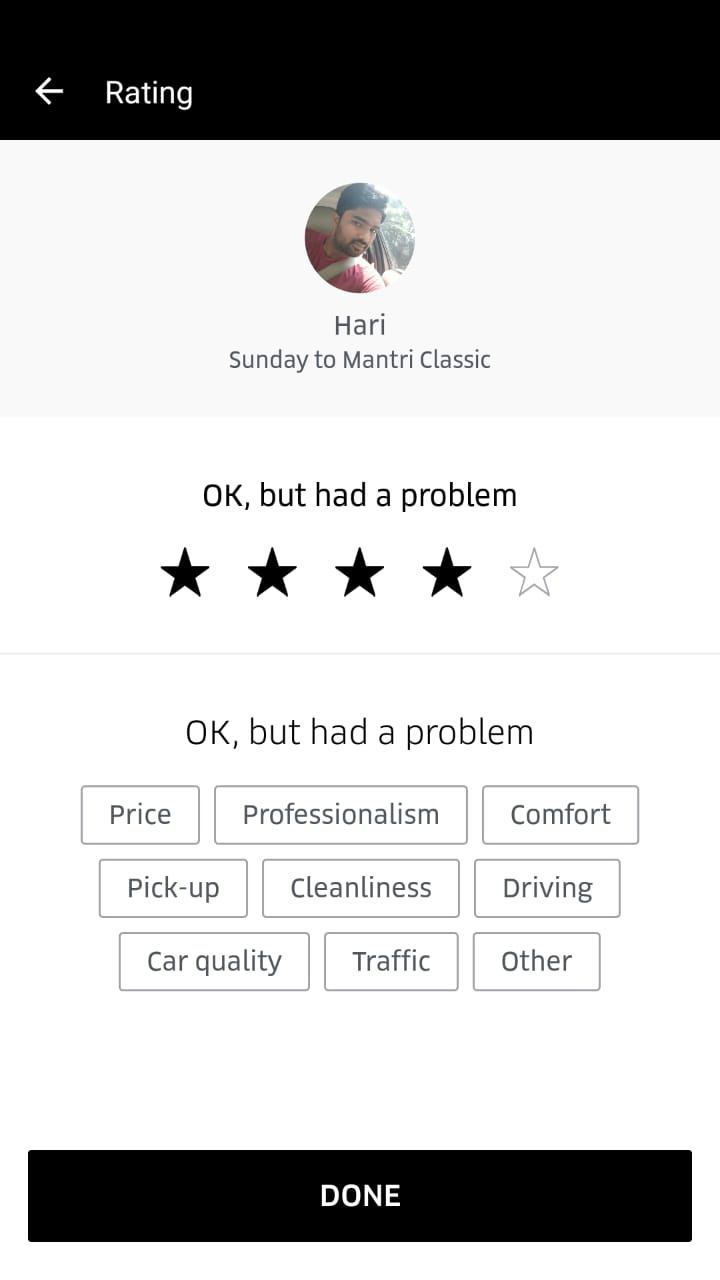
    Similarly, my Uber trip with the driver was asked to be rated by the app. Customer ratings would help Uber in improving their customer experience.

    Uber Feedback

    Let’s look at examples of customer reviews to boost content distribution strategy

    Using customer reviews in emails

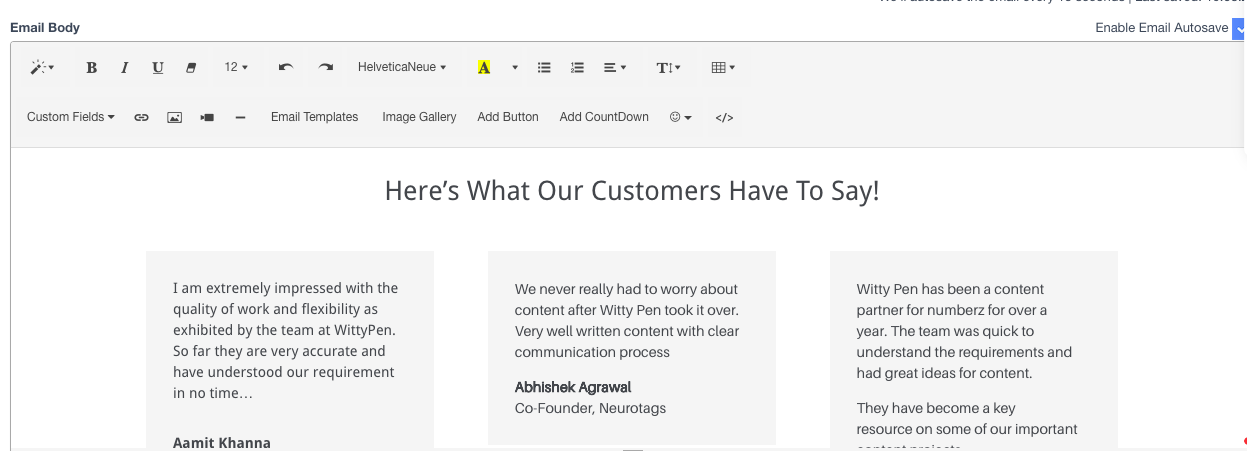
    You can add customer testimonials to your emails. Your potential customers are most likely to engage with your brand after they read reviews online by others Have a look at what we have done with our email at WittyPen.

    WittyPen Send X

    Use customer reviews under the product

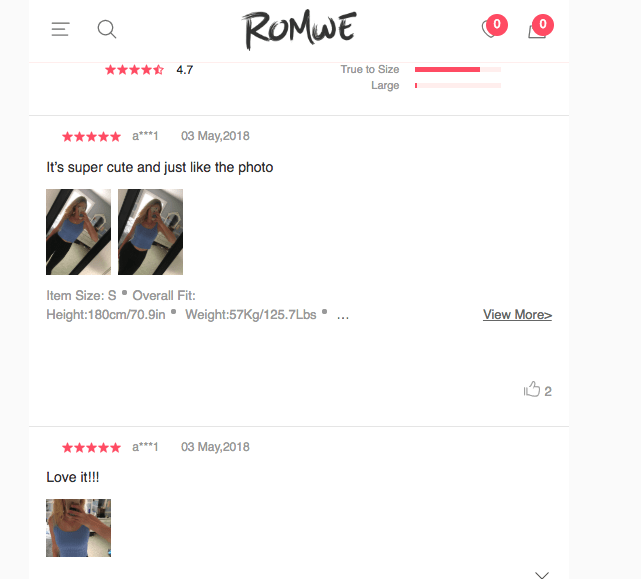
    A brand like Romwe employs its user-generated content to influence others. I bought a top from them after I read some rave reviews about its fit and comfort.

    Romwe’s example:

    Romwe

    Collaborate with bloggers/influencers

    Influencer marketing is on the rise, and everywhere you look, you can see brands utilizing the social media savvy salespeople to push their products and services.

    Limeroad’s example:

    Limeroad’s collaboration with an influencer (who’s also their user) is a great way to increase awareness big time!

    Limeroad coustomer review marketing

    Use customer reviews on social media

    Most of your users are social media buffs, and they come across many brands while they scroll up or down their screen. It’s important to be visible to their eyes while they indulge in their scrolling behaviour. Here are some examples of customer reviews on social media

    AJIO’s example:

    While scrolling up my Facebook feed I chanced upon this ad by AJIO, and I saw that the brand has been liked by my friends. Now I have heard of Ajio before, but my friends vouching for the brand compels me to check it out.

    Customer reviews on social media

    Use the referral technique

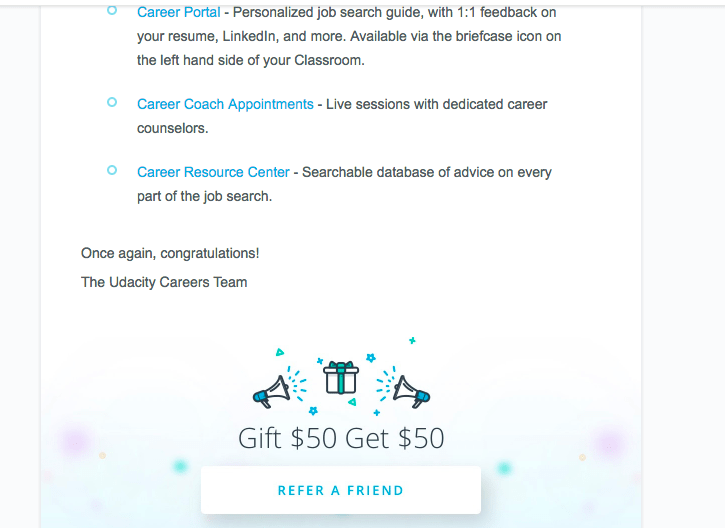
    I recently completed a course in Udacity. They sent me a “congratulations email”  which also said the following.

    Udacity’s example:

    Udacity Referral

    Now I was satisfied with the course and was also happy that they had been following up with me to give me career guidance post the course. And also complementing to that is the fact that I might get 50 dollars if I refer the course to someone.

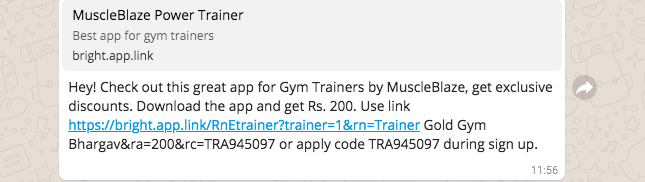
    It’s like a reward to me. So, I won’t really mind doing my bit of referring this course to others who might be potential candidates for it. And when my friends see this, they would also not mind taking a look at this since it has come from me. Similarly, most of the apps use messenger apps like WhatsApp to share “Referral schemes”.

    MuscleBlaze app’s example:

    example

    So it is extremely important to be creative about using testimonials and reviews on different platforms. We have two experts here – Zain from Digital Vidya and Anshuman from Upgrad – who will share their views on how you can use customer reviews for boosting content strategy. Zain Siddiqui
    Zain is a trainer at Digital Vidya and he loves conducting online marketing workshops for entrepreneurs and corporates under Startup Nebula. He is also the co-founder of Wicked Broz which is India’s premier graffiti agency.

    Zain’s take on using customer reviews for boosting content strategy

    Getting a customer to write a review for you means not only that your product and service rocks. Following up with them immediately after they have experienced your service is the best way to go about it.

    That’s a science in itself altogether. Here are two ways that I personally think should be used to blend customer reviews into your content strategy.

    Turn that testimonial into a storytelling tool

    Your consumer review gives you leverage. However, don’t forget that you are putting your customers in the spotlight. You are sharing part of your success with them by celebrating them on your website/marketing. Don’t just use a standard testimonial functionality. Make an effort to introduce the customer to your audiences. Design their hero journey. Don’t forget your customer is always the hero in the hero journey.

    Your product is usually the herald or if you are a consulting business, you are the mentor. When you write a blog or case study about them, think hard about how did you turn them into a hero? What does their business usually do? Write a short write up on your relationship.

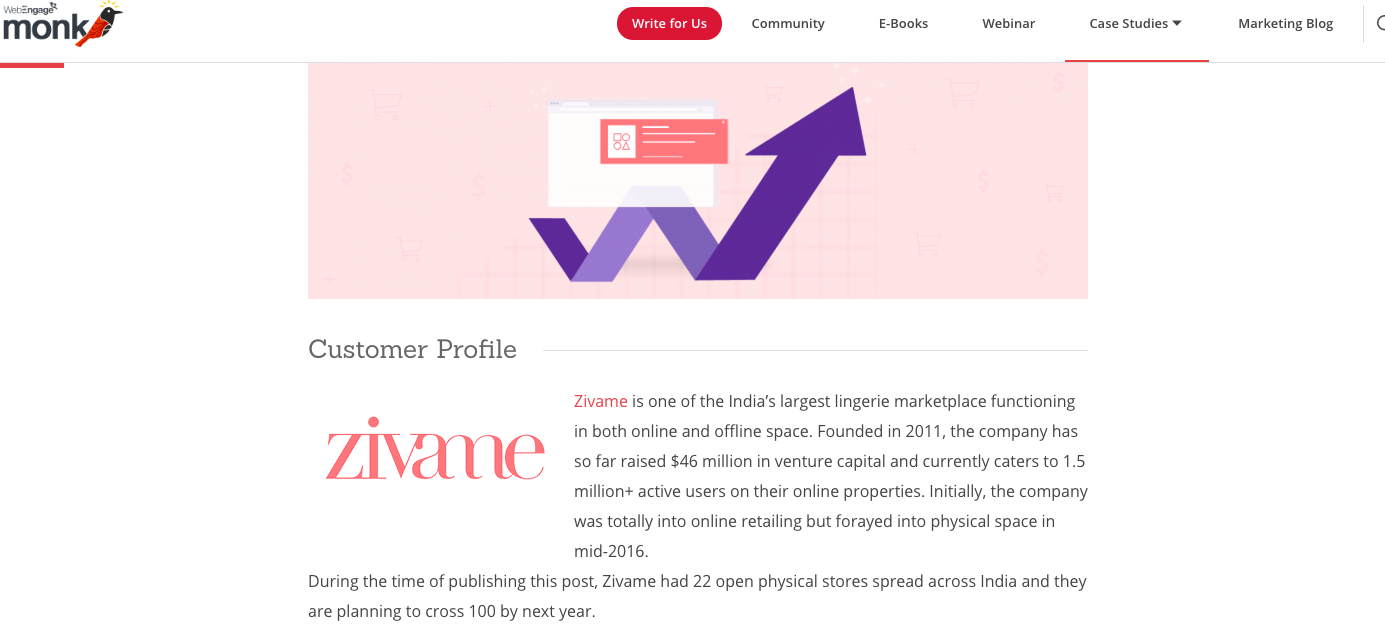
    Use their logo or pictures if possible. Any moments when you thought this might not work out? What were the challenges? What happened when you finally won? How did you come to know? Read this case study on Zivame by WebEngage to get an idea of what I’m saying.

    WebEngage’s example:

    Zivame

    Explore different facets of your story with them in different forms of content. A single customer review can be faked, multiple touch points in a story cannot. Repeat the template for other customers.

    Get your customer to talk about you in their channel

    Anshuman’s take on using customer reviews for boosting content strategy

    Make use of social validation and relatability

    Content marketing is all about giving value and helping others. Think from a human perspective. Once you have made an all-out effort to celebrate your customer’s genuine hero journey using your tool or service, they would be more than happy to share your case study on their social channels or refer you to their friends.

    It completes the cycle of trust. If your customer is a big multi-national or an emerging startup, maybe, just maybe, a teeny bit backlinking from their site would more than help your SEO.

    But even if they don’t, don’t worry. Google’s Panda update counts brand mentions as implied links and that itself should suffice. That customer review is a powerful tool.

    Don’t just look at it as a way of building trust and credibility and waste it in using it as a sticker on your Emails or at the bottom of your landing page. Whatever you do, think long-term and think creatively. Turn that trust into belief. Anshuman Agrahari

    Anshuman currently works as a Content Marketer at Upgrad. He previously co-founded and headed marketing at InternStreet a platform to connect students with mentors in the industry in various Tech, Design and Marketing courses.

    Make use of FOMO

    Fear of Missing Out (FOMO) is an anxious feeling when you think of exciting or interesting prospects happening elsewhere with others.

    Customer reviews act in the same way – If a product is being liked, talked about or recommended by many of your friends – then you are bound to find out more about it. As a content marketer, you must be able to tap into this emotion at the right time.

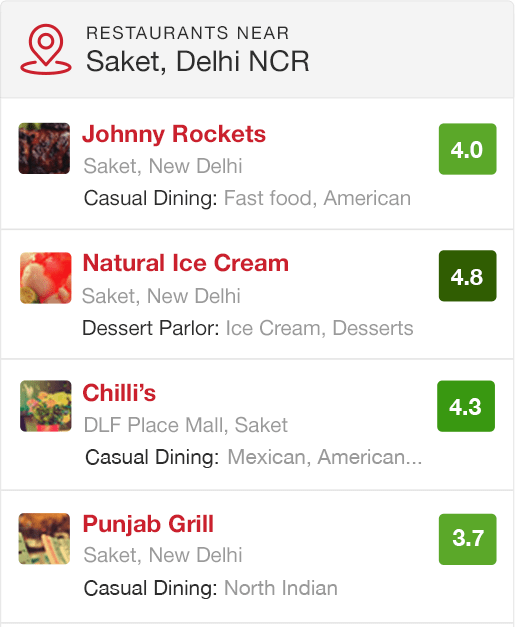
    Zomato’s example:

    For example, in Zomato’s ratings, Natural ice cream tops the list. People who look at it would be curious to know about the high rating of this place and would check it out.

    Zomato review

    Final thoughts

    Positive reviews can play a huge role in shaping a business’s content marketing and content marketing strategy. Potential buyers place massive weight on the opinions of others before making a purchasing decision.

    Just drafting a plan is not enough. To remain ahead of the curve, a brand’s content marketing team needs to always be on the lookout for customer reviews and respond to them at the earliest – whether they are positive or negative.

    So by nurturing customer relationships and gathering positive feedback you can successfully drive sales and brand growth and help in a content marketing campaign. With this, we have come to the end of our blog on examples of customer reviews.

    We want to thank Zain and Anshuman for giving us some valuable inputs on the topic. Hope you use these insights to boost your content strategy.

  • Key Steps to a Successful Content Marketing Campaign [Updated]

    Key Steps to a Successful Content Marketing Campaign [Updated]

    Last Updated : 28-01-2020

    Content creation helps in distributing information to the end-user that solves their problem. But content development is just one part of a good content strategy . What’s more important is to have a well- planned robust content marketing campaign – that reaches out to the right customers at the right time in their customer journey.

    Vishwas Anand from Aspire Systems has given us some valuable advice on how to go about creating a successful content marketing campaign.

    About Aspire Systems

    Aspire Systems is a global technology services firm serving as a trusted technology partner for our customers. We work with some of the world’s most innovative enterprises and independent software vendors. And we help them in leveraging technology and outsourcing in our specific areas of expertise.

    Our services include Product Engineering, Enterprise Solutions, Independent Testing Services and IT Infrastructure Support services. Our core philosophy of; Attention. Always” communicates our belief in lavishing care and attention on our customers and employees. Aspire has been featured as a Great Place to Work for 8 consecutive years in a row!

    About Vishwas Anand

    Vishwas Anand is an award-winning Content & Brand Leader who believes in the magic of a Great Content  Narrative to script a brand’s success journey. After his MBA from IIM Kozhikode, he’s started working as the Head of Content & Thought Leadership at Aspire Systems.

    Vishwas is rated one of “The Greatest Marketing Influencers” by ET Now and The World Federation of Marketing Professionals, among Asia’s “Most Influential Content Marketing Professionals” by the World Marketing Congress and CMO Asia: He was a Role Player and Speaker at the 2017 Congress.

    He is also a Speaker at BrightTALK webinars, a Jury Panel member at DMAasia, and an active Participant at Business Summits like the Gartner Summit (2015), the Futurist Business Conclave (2017), CMS Asia (2018) among others. He’s published White Papers and Articles covering industries like Retail and BFS for leading publications.

    These include Tech Republic, Tech in Asia, Finextra, The Indian Retailer among others. His 3A Content Model has been featured by a Forbes Columnist as a go-to-model for Content Score evaluation of global businesses.

    What do you think is content marketing and how important is it for your brand?

    To me, Content Marketing is more about the Content and less about the Marketing. It stands to reason that if the Content is powerful enough, it would serve the purpose of Marketing itself in this digitally connected ecosystem.

    Although it is easier said than done, this is what I’d call True Content Power. For our brand, this would translate into Thought Leadership Content. I strongly believe in True Content Power built around my 3 A Content Model for Content Score evaluation: Authenticity, Accuracy and Agility. For our brand, since a dedicated Content Marketing Practice was set up in early 2016, I’ve seen our blog grow by close to 450%.

    I’ve considered just one Content type, i.e. blogs, so we can imagine the kind of outcomes when we look at diverse collateral, some of which have gone on to positively engage with potential customers. We went from ad hoc content creation to cascading content synergies with a structured Content Marketing Practice in just 2 years! This, in a nutshell, is the importance of True Content Power.

    I’ve coined this term to underscore its importance in a world that’s seen how People Power can spark revolutions! At the 2017 Content Marketing Summit hosted by the World Marketing Congress, in a panel discussion on the topic “The Present and Future of Content Marketing” I made the point that the future of Content Marketing would be a superior blend of technology and human creativity.

    Who is your target audience?

    Our target audience ranges from executive level CXOs, IT Directors or other senior IT executives depending on the type of Service Line, Practice, Geography or Vertical. Basically, anyone who is a key decision-maker in the IT space!

    What’s the style, tone and voice that you use to address your audience?

    I believe every writer has a unique style and shouldn’t be constrained in this regard. I like puns and catchy phrases and see the value of knowing when to alternate from a conversational tone of a blog to a more serious tone of a White Paper.

    Since we need to grab the attention of a top CXO, our Thought Leadership Content needs to have a voice that is prescriptive, authoritative and yet emotionally appealing. We constantly strive to keep an active, credible persona in our Content that can engage with a respectable Thought Leader in their respective field.

    How do you go about planning a content marketing campaign for your brand?

    Content marketing campaigns are planned during March of every year. These are split by Marketing themes for every quarter of the subsequent year. This is done during the yearly planning meeting chaired by our CEO and involves the Delivery Owners, Marketing & Sales Heads, Marketing Partners, and me.

    This is done for every Service Line/Practice across Aspire’s service offerings: Software Engineering, Digital Services, Testing and Infrastructure & Application Support. The messages and themes span our targeted industry focus areas: Retail, Banking & Financial Services and Insurance. A Content marketing calendar is conceptualized around specific topics for the chosen Marketing themes and designated Content Writers positioned as Research Analysts are assigned collateral based on this calendar. The Research Analyst collaborates with the Subject Matter Expert for inputs and also conducts extensive research through leading research firms like Gartner, Forrester, IDG and so on.

    We also conduct primary research in a few cases. The Research Analyst then writes a compelling story that captures the essence of the subject and stitches it to suit the type of collateral: Blog, Article, White Paper, Case Study, Infographic, Video, Webinar and so forth.

    What is more important SEO or SEM for your organisation?

    Both components of the digital marketing strategy are equally important for our organization. We create our content to be SEO-friendly and for Google to rank it high for related keywords. We also do SEM to increase the visibility of our content for our targeted audience.

    What content formats work well for you?

    I don’t think we can really put it down to one format since we’ve had good success with White Papers, Webinars, Blogs and so forth. There are a number of occasions when different formats work in tandem to serve as topic clusters around our Marketing themes.

    This helps us rank well and also connect the dots in our Marketing efforts in building a Thought Museum that will stand the test of time. I’ve always dreamt of a Thought Museum where structured thoughts craft unique Content Pillars, Forms and Structures serving as keystones in the architecture that anchor the museum together.

    Which companies/brands do you think are doing well with content?

    Intel is doing well with Content Marketing. The way they’ve become a Content Brand and redefined Digital Governance is an impressive case study in itself. From having chaotic user journeys, inconsistent brand experiences and an under-optimized marketing-technology stack to bringing about a transformation through self-governing business units with a strong Digital Governance strategy, Intel was actually able to do more with less.

    Their webpages dropped from 12,500 to 10,800 and microsites shrunk to 494 from 715. As a result, their upstream content engagement rose by 250%. Capital Group, GE and Red Bull are other brands that come to mind, who think like publishers and are setting new benchmarks with their Content.

    content marketing campaign

    content marketing campaign examples

    Do you think a content marketer is a multi-tasker?

    I feel Content Marketers must focus on creating powerful, compelling stories. Anything that comes in the way of their story-telling is a distraction. This can even be the Analytics that don’t paint a rosy picture. This is because one story that underperforms today could make a great one in the future.

    Let me draw an analogy with disruptive technologies that need to do well in emerging markets before coming into the mainstream. So, yes a Content Marketer is a multi-tasker: who would do well handling Dedication, Frustration and Patience with the Grit that the future demands.

    What all people play an important role in your content marketing team?

    In our organization, we have a structured Marketing team with our Marketing Partners who own the theme/message, our Content team that tells the story and a Digital Marketing team that makes this story visible. Every single person plays a vital role in seeing to it that the right message is driven to the right person at the right time!

    Do you have any tips for the marketers of today?

    In my opinion, marketers that spend time in building a Thought Museum will be the ones who will see good long-term ROI in their marketing efforts. Marketers who go beyond content marketing campaigns would do well, as those are just time-bound but Content is never time-bound.

    They could be repurposed in certain cases but if they’re written with a passion for excellence, then it will still stand the test of time. Marketers need to strive to be trendsetters and this is where the courage of conviction comes into play, as analytics will only tell you one part of the story. In the quest for a competitive rivalry, please orient ideas around ethical practices as this is what you’d be known for in the long run.

    Some notable work by Vishwas

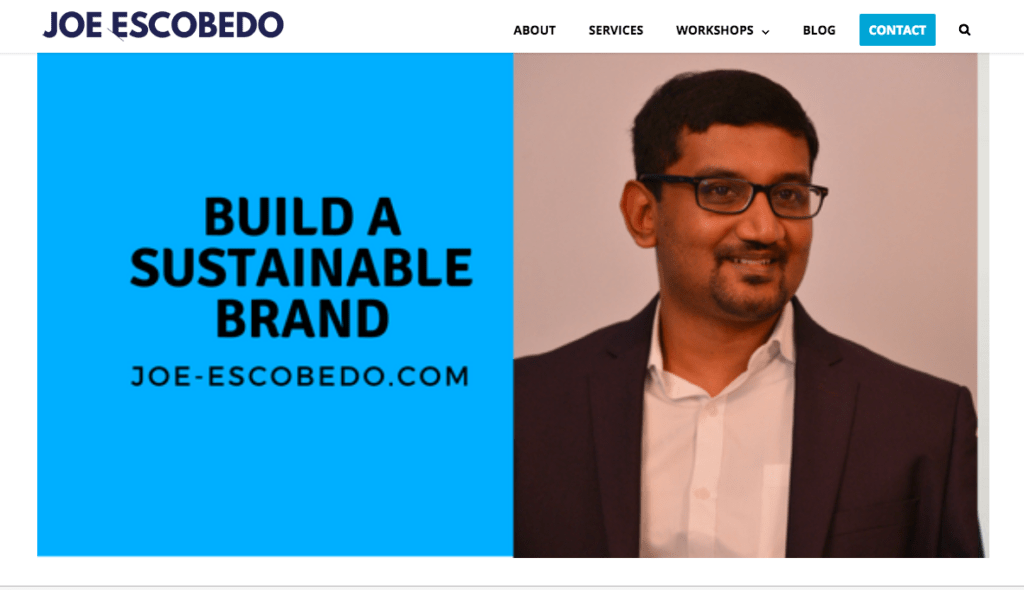
    Why Sustainable Brands Must Build True Content Power

    why sustainable brands must build true content power

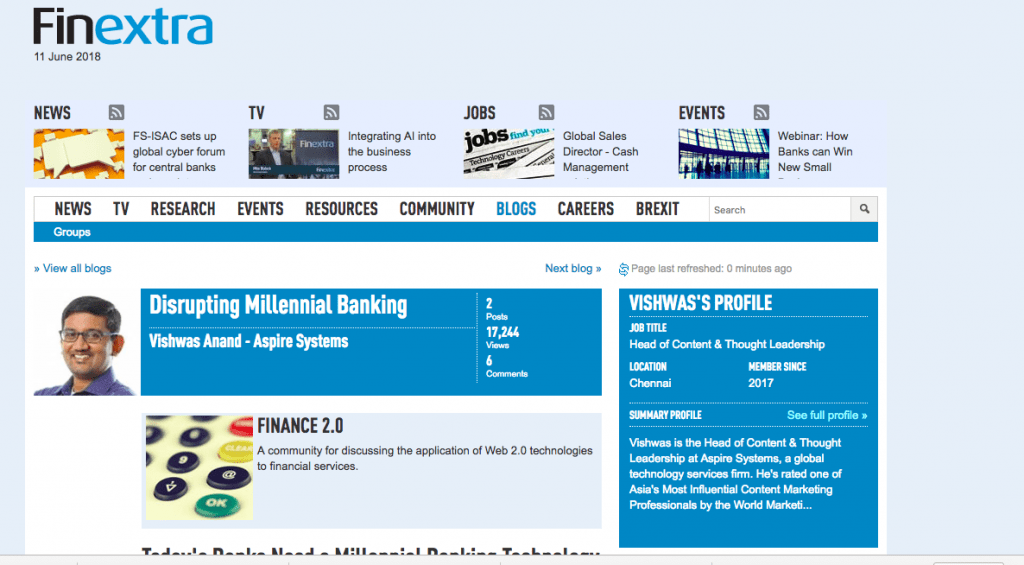
    Finextra’s Top Blog Post of the Month (January 2018)- Today’s Banks Need a Millennial Banking Technology Framework

    Finextra’s Top Blog Post of the Month (January 2018

    TECHINASIA post on Meaningful conversations with chatbots? Nah.

    Tech in Asia Post

    White Paper published on Tech Republic- Multidimensional Digitization Framework for Digital Transformation

    Conclusion

    With this, we have come to the end of our blog with Anand. We would like to thank him for giving valuable tips on content marketing. This surely will help content marketers move towards a positive direction!