Author: Shreya Srivastava

  • How to Maximize Your Content Value with the Help of Online Tools

    How to Maximize Your Content Value with the Help of Online Tools

    Content marketing is a booming field, and that means there is a lot of competition. However, that doesn’t mean that your efforts will not bear fruit. You just need to nudge them in the right direction.

    Currently, value-added content commands the highest demand due to its incredible success-to-failure ratio. But you may ask, ‘what is value-added content anyway?’ Well…in short, any type of content that is: a) unique, b) exclusive to your site, and c) useful for the intended readers is considered value-added content.

    Creating this kind of content is not very easy, and you should use all the help that you can get. Of course, that means relying on tools of various kinds. In this article, we will check out how you can use certain types of tools to maximize the value of your content.

    Tips for Creating Value-Added Content Using Tools

    These are some tips that can help you create useful content with the aid of tools. 
    1. Utilize Keyword Research Tools 

    Keywords are the single most important aspect of your content marketing. They are what search engines use to detect what is the search intent of your content. But guess what? You can also use them to weed out the type of content your visitors are looking for.

    To learn this information, you need to  first find a keyword research tool. There are plenty of tools available online. However, beware that most research tools are paid or follow some sort of subscription plan or the other. So, you may have to dish out a pretty penny to use them.

    As you already know, one of the qualities of value-added content is how useful and informative they are for the reader. With keyword research tools, you can find  long-tailed keywords. Long-tailed keywords provide you with a much better idea of the search intent. An example of a long-tailed keyword is as follows:

    ” How to install a motherboard in your legacy PC case?”

    This is an incredibly specific keyword and it instantly tells you what the user is looking for. With keyword research tools, you can find out all the long-tail variants of your primary keyword. Then you can shortlist some of them based on their search volume. The words with the highest search volumes are what most people are interested in.

    If you write content that targets such words, it will ensure that your content has a certain amount of success.

    1. Write  Easily Consumable Content with the Help of Tools

    Value is added by making content accessible to a diverse spectrum of people. You can make your content as informative as you want, but it will be useless if people cannot understand it and engage with it. 

    As such, you need to make sure that your content is easily consumable. However, that is actually not an easy problem to solve. Writers get used to their own style of writing and feel that it is flawless. But that is not the case; other people can have quite a bit of trouble understanding certain phrases and words that may be common to you.

    To get an unbiased opinion, it is paramount that you use a readability grading tool. Tools like these can use a number of metrics to grade the readability of your content.

    If you do end up writing something with a low readability score, you can use another type of tool to improve it; i.e., a paraphrasing tool. Paraphrasers, especially those that utilize AI have options for improving the readability of the given text. They can replace uncommon words and phrases with more commonly used ones. 

    Ultimately, this makes your write-up easier to read. Consequently, more people are able to engage with your content. As such, its value significantly levels up.

    1. Ensure Your Write-up is Unique with the Help of Plagiarism Checkers

    One part of the definition of value-added content is that it must be unique and exclusive to your platform. That is why duplication of any sort is only good for reducing the value of your content. 

    Plagiarizing content also has several disadvantages, such as getting a rank reduction in the SERPs (Search Engine Results Pages) or even getting de-indexed. Another disadvantage is that people do not engage with stuff they have read before. 

    So, to maximize your content value, you need to ensure that there is no plagiarism in your work. Now, don’t take that in an accusing manner, because plagiarism can occur without your knowledge. So, it is always a good idea to check your work for it.

    Plagiarism can be reliably detected only with tools. Human beings are not good at  figuring out whether content is duplicated or not. With a free plagiarism checker, that is no longer a concern. 

    A free plagiarism checker can compare your content against a ton of online sources. Most checkers that are free have a word limit. However, to deal with that, you can  purchase their premium versions which have a much higher word limit.  It is worth noting that free checkers are good enough for standard blog posts.

    Once you have  figured out the extent to which your content has been duplicated, you can start working on editing it. This way, your content will remain unique and exclusive, thereby maximizing its value.

    1. Use Analytical Tools to Get Ideas About Future Content

    Analytical tools that measure the performance of your content are really good for creating value-added content. With their help, you can find out what type of content performed well and which type did not.

    Sometimes, a piece of content may perform very well at the beginning but its performance will drop with the passage of time.

    Other times, some content will not have any groundbreaking performance, but it will have consistently high views. Now, depending on what you want more, i.e., a one-hit wonder or a consistently good performing piece, you can consult your previous records to see which types of content performed well. 

    The good thing about analytical tools is that you can find quite a lot of them for free. One such tool is Google Analytics. You can use it to find out which pages get a large amount of organic traffic. 

    Then you can create similar content. Here, ‘similar’ does not mean copying the content itself, but only copying the style and format. For example, if you had an article called:

    How to Build a Table

    And it had a lot of views, then you can also create an article about how to create chairs. That’s because you know that your readers are interested in learning how to build furniture themselves. So, you can keep writing articles that cater to that need. 

    Wittypen-Blog-Banners-01

    Some Suggested Tools to Help You Along

    These are some tools and platforms that you can get help from when trying to maximize the value of your content.

    Wittypen

    This is an online platform that helps you to create value-added content by hiring competent and experienced writers. This platform has several plans which allow you to hire writers with different experience and expertise levels.
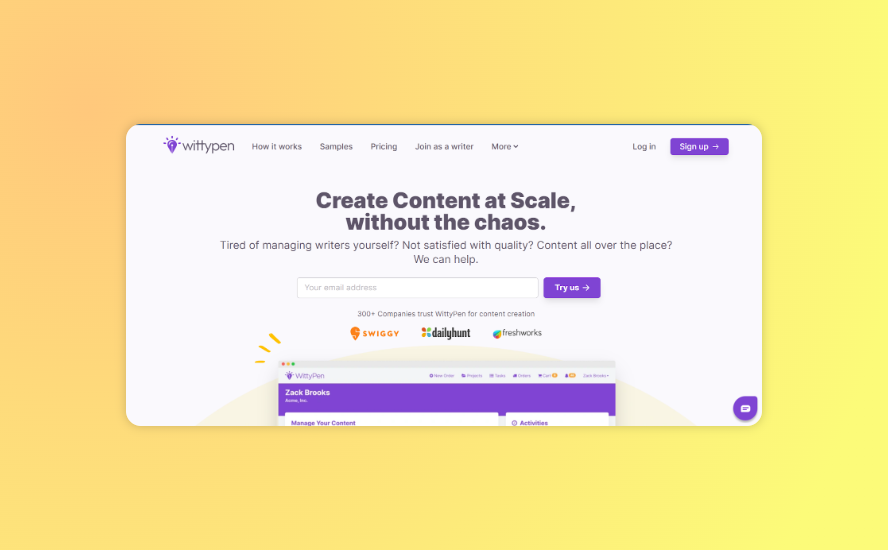
     Wittypen also provides you with a  user-friendly dashboard that lets you keep track of all your articles and projects in one place. You can start availing of its services for as little as 15 USD per article.

    Visit website

    Prepostseo

    This is an online toolkit mostly known for its content optimization tools. It has a paraphrasing tool with a readability-increasing mode. That mode is called “Fluency”. 

    It also has a great plagiarism checker that can help you find any duplication that may be present in your work.
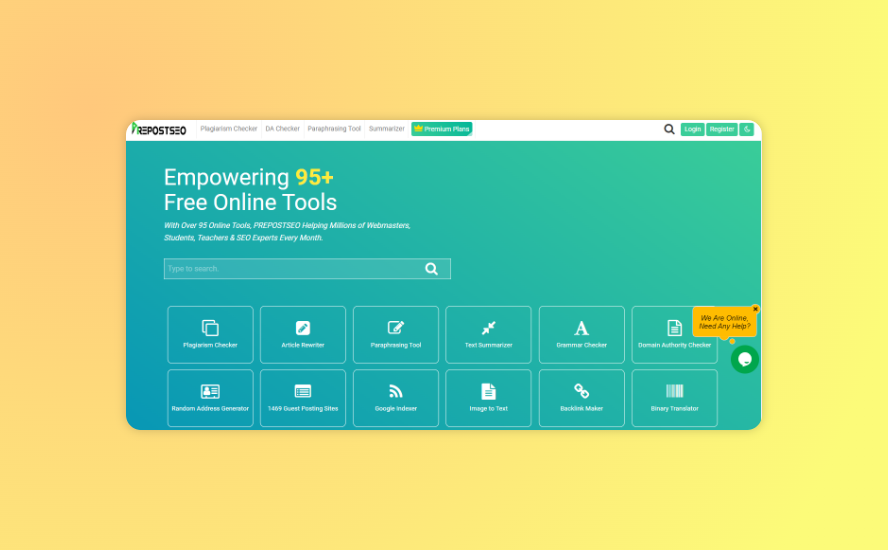
    It also has other tools like a summarizer and grammar checker that can generally assist you with writing.

    Visit Website

    Ivypanda

    This is a platform that provides not only tools such as a paraphraser but also professional help from field experts. If you want to write some content but have no idea where to start, you can go to Ivypanda and pay to meet an expert that can help you write your content.

    Visit Website

    Conclusion

    Tools are good for supplementing your own writing. They can fill the gaps in your work, and provide insights that weren’t obvious to the naked eye.

    In this article, we discussed how four types of tools can help you in creating value-added content. We also mentioned that if using tools does not work,  you can rely on external help as well.

  • Unique Ways to Generate Blog Ideas To Attract More Traffic

    Unique Ways to Generate Blog Ideas To Attract More Traffic

    As content marketers, one of the biggest challenges that we often face is to generate blog ideas to write about. We can’t shy away from our responsibility of producing quantity and quality content.

    Producing good content on a regular basis is very important as it helps any brand build authority and gains trust amongst its user base. Consistent content creation also helps a brand maintain healthy traffic. So how can one generate “good” blog post ideas on a day-to-day basis?

    Sit Back, Relax and Read on. Here are some tools to solve your query on how to become the best content writer.

    Ways to generate blog ideas

    Know your users better

    Your users would love you if you write about solutions that solve their problems. How can you know about their problems and get blog post ideas? Well, It’s easy. ASK THEM QUESTIONS AND TAKE THEIR FEEDBACK.

    Quick call

    A quick call to your users can help you with tons of blog ideas in almost no time. Knowing the pain points they would be hearing from the horse’s mouth. And, while you answer them, you can form a better bond with them, and also answer questions from others with a similar problem.

    Quick survey

    Taking feedback from a tool like Typeform or an email can help you too. You can create a list of questions that you would want to ask, and their responses would be the doorway to new blog topic ideas.

    Here is an example of how you can create a survey on Typeform.

    Typeform

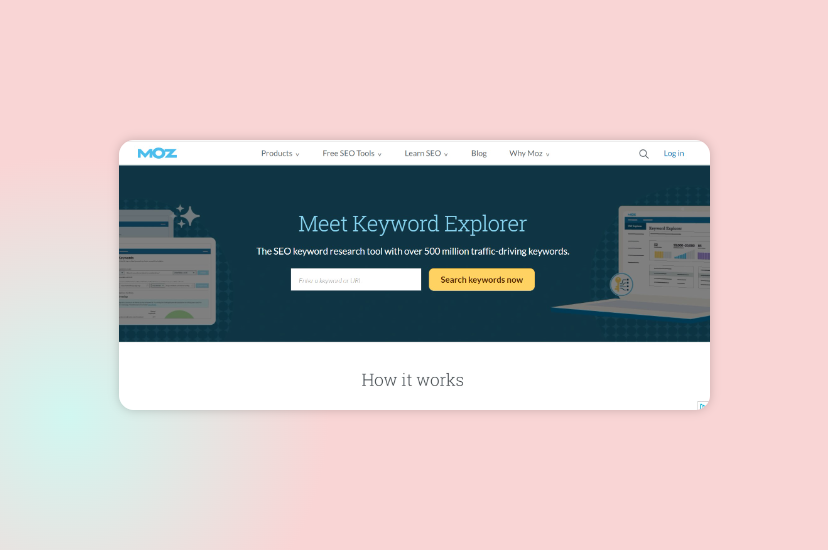
    Moz Keyword Explorer

    Moz Keyword Explorer is a great way to explore ideas. How this works is really easy. Follow the steps to understand

    Type your target keyword related to your website or area of work.

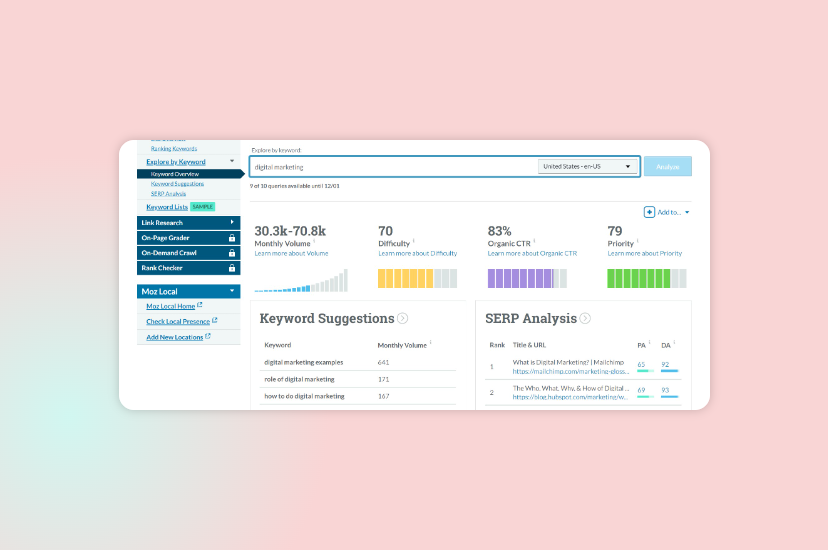
    Moz Keyword Planner

    You will see keyword suggestions by Moz. Click on that to proceed ahead.

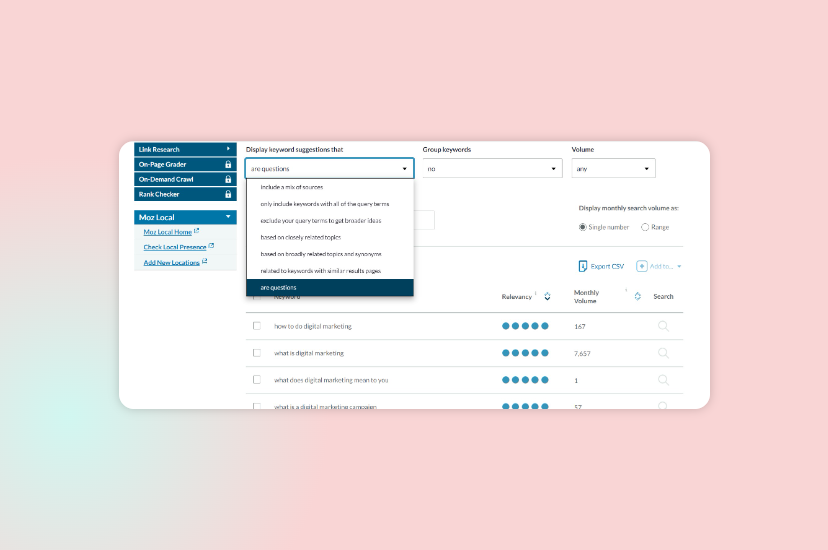
    Keyword Analysis

    Inside the page, click on “Display keyword suggestions that” and you will see a dropdown list. Select “are questions”.

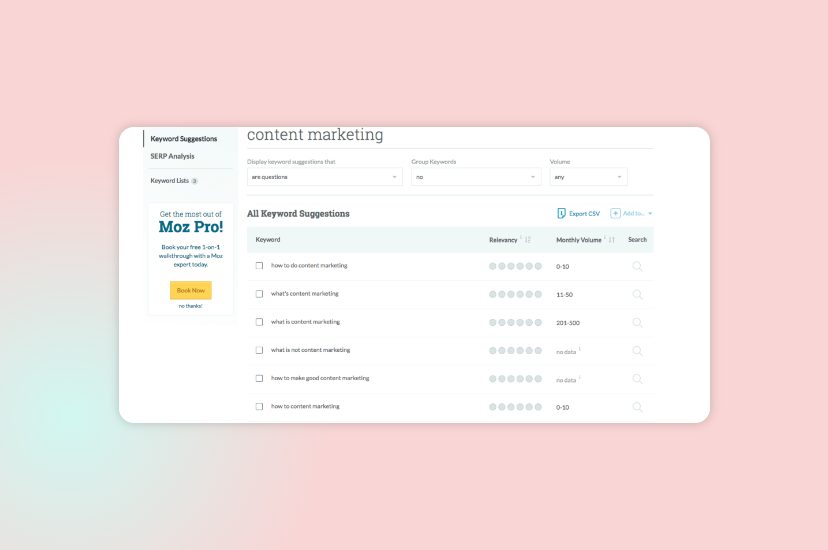
    Moz keyword Suggestion Questions

    Voila! You have so many questions to choose from based on the monthly volume and relevancy.

    keyword questions suggestions

    Google Keyword Planner

    Though originally meant for complementing Google Adwords, Google Keyword Planner also acts as a friend in need to content marketers when it comes to finding new blog topic ideas.

    It tells you the monthly searches made for that particular keyword, and you can craft questions/topics around the same. For example, keyword planner has monthly searches of 100K -1 M, meaning that it’s quite searched for. Sift through your keyword suggestions accordingly.

    Your topics could be –

    • This the most incredible article about keyword planners you’ll ever read
    • 3 reasons why you should embrace keyword planner
    Google Keyword Planner

    Use Forums Like Quora and Inbound.org

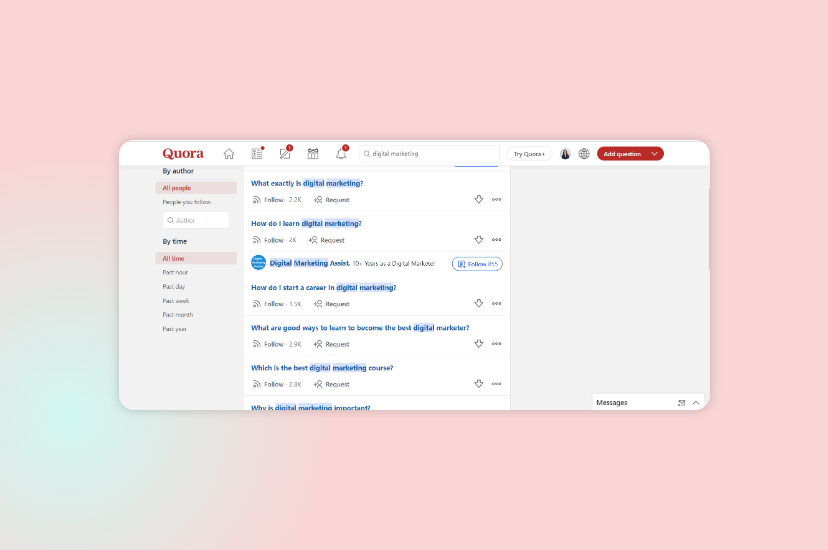
    Quora is a popularly used site for questions and answers. Millions of questions are asked, and millions of responses are posted. Which makes it a perfect place for you to hunt down your content marketing topics and content ideas.

    How? It’s easy. Type in your “keyword” in the search box and you will see many questions related to your keyword. You can generate blog topic ideas from those questions. These questions are popular and are asked by so many, and this makes them the perfect choice for your next blogs.

    Quora keyword research

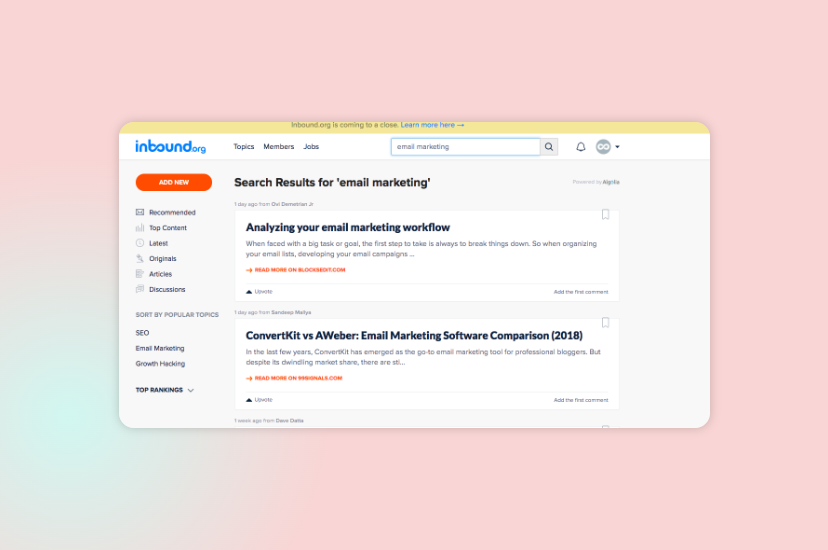
    Inbound.org is a close-knit community of inbound writers that constantly share the best new ideas, events, and jobs related to content marketing.

    You can find cool things to blog about from the hottest topics or from the articles that are gaining popularity and lots of upvotes

    inbound

    Use Google Autosuggest Results

    You can use Google autosuggest results to generate blog post topics for your next post. You need to open an incognito window in your browser and do a google search of topics that you want to write about or are related to your field of work.

    When you type in your keyword, Google automatically auto-suggests the phrases (containing that keyword) that people are already searching for. The example below will make things clearer for you.

    Use UberSuggest

    A powerful tool and Neil Patel’s Baby – UberSuggest is a great support system when it comes to generating blog ideas. All you have to do is enter your choice of keyword, and it gives you back multiple topics instantly.

    Follow the example to understand.

    Ubersuggest

    Use BuzzSumo

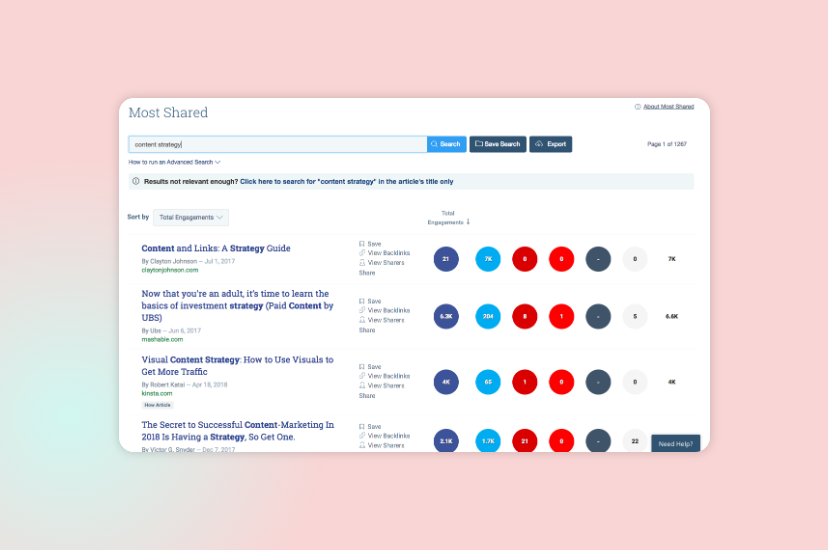
    Buzzsumo helps in generating topics, and also displays the number of shares and backlinks that a particular topic receives. By focussing on the trending topics of Buzzsumo, you can create truckloads of blog posts for the coming days!

    Buzzsumo

    Do some competitor research

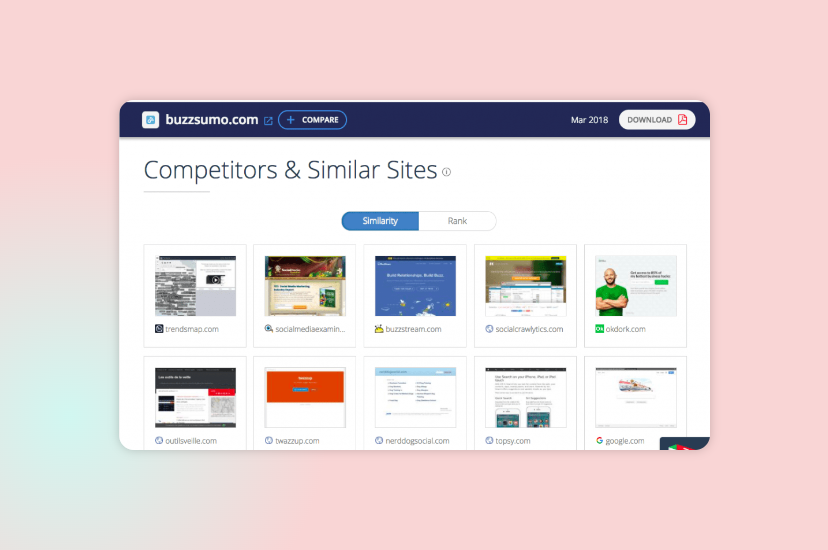
    A little bit of competition is always healthy in the longer run. You must always keep an eye on how the competition is doing. Using Similar Web you can easily get to know your competitors.

    Look at the blog ideas that they write about and see if they are relevant to you. You can maybe write a much better and more comprehensive article on the same topic!

    Buzzsumo keyword research

    Once, you have decided on the topic that you want to write about, you might also want to come up with an attractive blog title. For those reasons, I recommend you a couple of tools to check out.

    Suggested Reading: 25+ Trending Topic Ideas for Content Writing to Rank #1 on SERPs

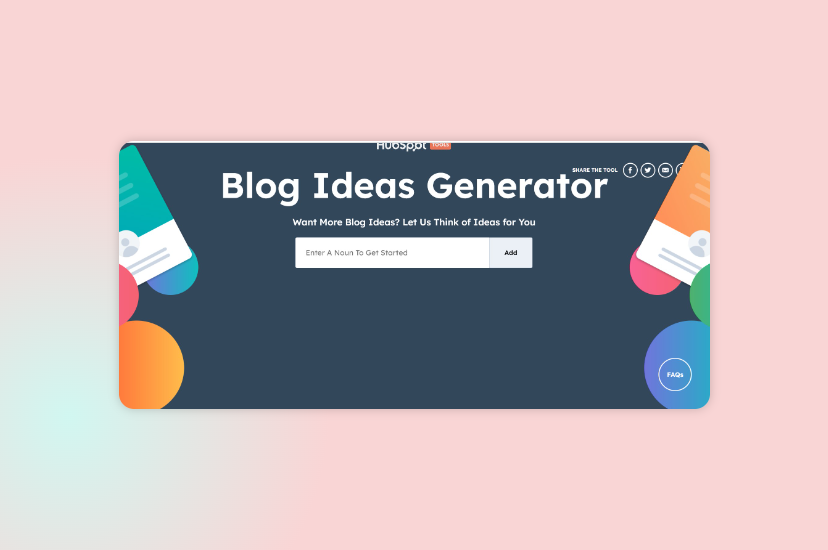
    HubSpot’s Blog Topic Generator – This is a handy tool. All you have to do is enter your choice of nouns in the search boxes and the blog title generator gives you blog ideas for your next blog post.

    Hubspot heading generator

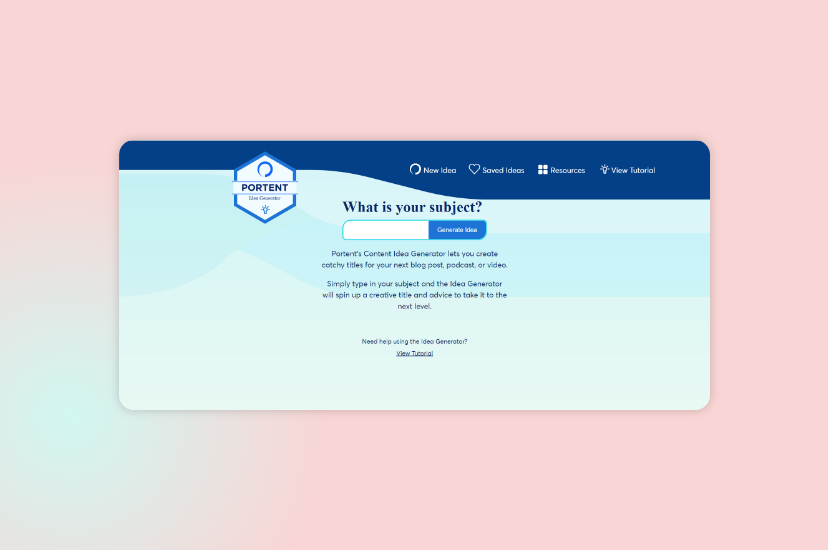
    Portent’s Content Idea Generator – A free blog content generator. The blog post titles generated have a funny bone in them, and can easily strike a chord with the audience. Find interesting topics to blog about using this.

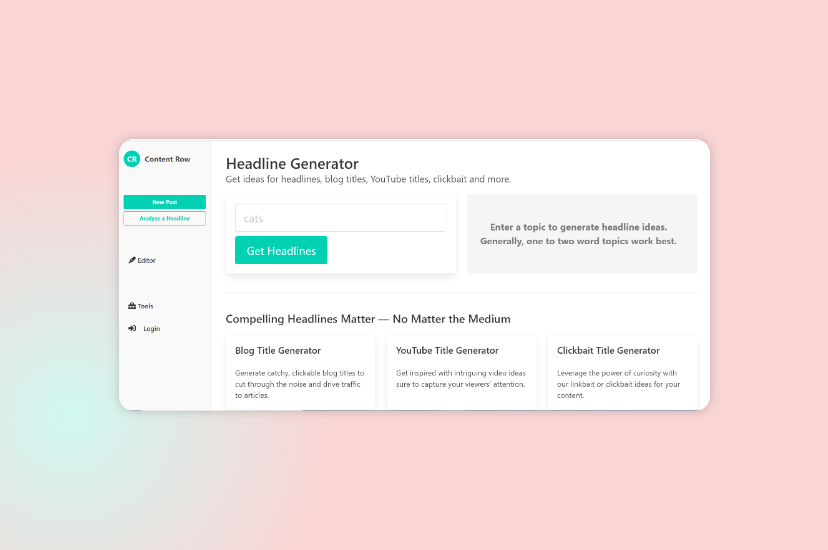
    Linkbait Title Generator –Yet another tool that can help you write catchy headlines for your next blog post. Check it out for yourself.

    Headline generator

    You might also want to look at the kind of headlines that drive traffic, engagement, and conversion. Here’s the link to the full blog.

    Conclusion

    Blog regularly, and follow these tips to generate blog ideas to have your users glued to your content. To get some awesome content yourself, download the e-book below!

  • How to Create Viral Marketing Campaigns For Great Success

    How to Create Viral Marketing Campaigns For Great Success

    As content marketers, we strive to create content that our audience likes and shares. In other words, we would do whatever it takes for viral marketing campaigns. However, creating content that gets viral doesn’t come easily to most of us. The reason –  we often fail to create content that is worthy of being shared.

    So, How Do You Create A Viral Marketing Campaign?

    We will talk about 5 ways that can help you in viral content marketing in India.

    1. Long-form Content Works in the Longer Run

    According to a study by Buzzsumo, long-form blogs have a tendency to work better as compared to short-form blogs. Another study by Google also says that long-form blogs up to 1900 words find themselves on page 1 search. The reason is for their popularity is that the long-form articles build trust and also create an authoritative presence.

    Your audience will be more engaged with it and will share it in their circles.
    Apart from getting shares and views, the average time spent by a user on your blog post also increases, because the users find value in reading it. Blog platform Medium conducted an interesting analysis on its own platform.

    They measured the average time spent by users on their blog in relation to the post length and the amount of time it takes the average user to complete the post. Based on the analysis, they found out that – a user takes about 7 minutes to read a blog post of about 1600 words

    Analysis based on reading

    Take a moment and look at the analytics by Buzzsumo for this blog post by Rob Garner. It has got 2,400 shares and 8,400 reads. The reason for its crazily high popularity is that a) It provides valuable and in-depth information to the user and b) It solves a problem that the users might be facing.

    Facts and figures

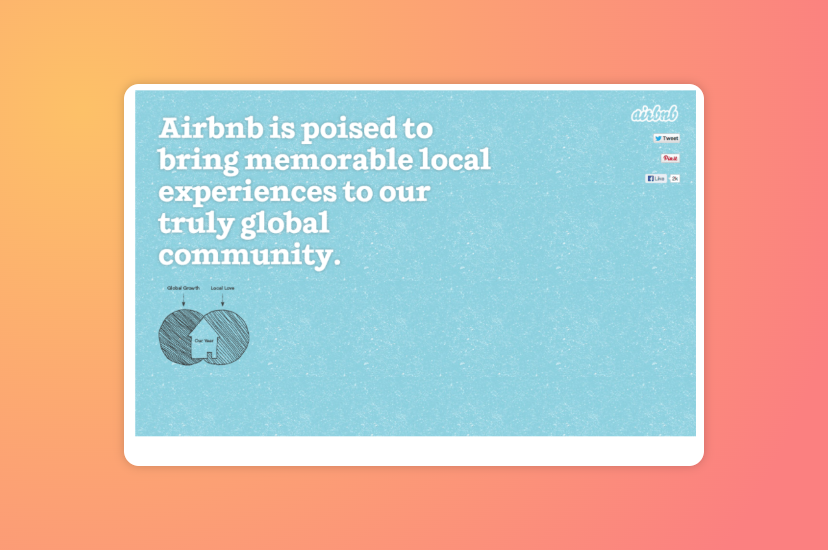
    Another example of a successful long-form content marketing strategy is Airbnb. The corporate collateral, especially the annual report is so dull that it would put the color grey to shame. However, Airbnb, made brightened up its annual report by making it very interactive.

    Because of this, in the year 2012, they grew from 1,20,000 listings to 3,00000 listings.

    Airbnb

    We at Wittypen also largely focus on long-form articles. For example, our blog post on content audit is comprehensive and well-researched.

    We did this because we want our users to feel benefitted when they make an exit from the blog-post. Our purpose is to not have a click-bait headline that does draw the user to the page but makes them leave at the same time.

    2. Connect with Your Audience on an Emotional Level

    It is simple. Human beings react to emotions. If an external stimulus strikes an emotional chord with you or influences your behavior then you are bound to react to it.

    For example, a film like Bhaag Milkha Bhaag might leave you motivated and teary-eyed at the end, or a movie like Munna Bhai MBBS will unfailingly crack you up. Psychologist Robert Plutchik is known for his wheel of emotions concept.

    The wheel highlights eight primary emotions that guide human behavior:

    1. Joy
    2. Trust
    3. Fear
    4. Surprise
    5. Sadness
    6. Anticipation
    7. Anger
    8. Disgust
    Wheel of emotions

    Here is a perfect example of a successful viral marketing campaign in India, that catered to the emotions of its audience at the right time. Amul is one of the best examples of successful viral marketing campaigns in India.

    They did a brilliant job in garnering the desired response(anger) from the audience on an already trending topic “Net Neutrality”. The quirky creative with the equally quirky content went viral because it was around a topic that evoked millions of angry reactions.

    Amul Example

    3. Create Kick-Ass Videos

    Measures for Video marketing content if crafted smartly can easily become viral marketing campaigns. Below is living proof of this. In 2016, Ixigo launched an innocent little content experiment. The experiment works really well as the case study for a successful and viral marketing example.

    This video hit 50 million views organically and sky-rocketed their app installs on both iOS and Android. The CTA to use the app on the Ixigo Facebook page drove app downloads too.

    Aashish Chopra, Ixigo’s star content marketer was responsible for this powerful strategy.
    Aashish was quoted saying”I prefer videos as it’s a more immersive experience. According to him, you should do the following if  you want to practice effective video marketing,
    1. Pick kick-ass topics
    2. Find a video from around the world, which comes close to what you want in terms of sensibility
    3. Get your video guys or film-making students (Keeps costs low. They are a passionate and skilled bunch! I love them) to shoot it.

    Youtube is also considered to be the best channel to create viral content for the brand by many content marketers.

    Vogue continues to be an industry expert in lifestyle and fashion, however, at the same time, it touches on social issues as well – such as women’s empowerment against violence.

    #VogueEmpower was one such initiative by the brand that represented women’s empowerment. The reason for its virality was on – the topic, and two – its powerful storytelling.

    4. Listicles Work Wonders

    Pick some of the successful viral content marketing campaign examples, and listicles easily make their way in all these campaigns. There are many reasons why listicles still work.

    1. The headlines are straightforward
    Headlines show the potential readers what the content is all about, thus setting the right expectations.

    2. They use beautiful images
    Images that are visually appealing to the readers. Look at the example below and you will understand what we are saying.

    Use images in content

    3. The content that they share is helpful.
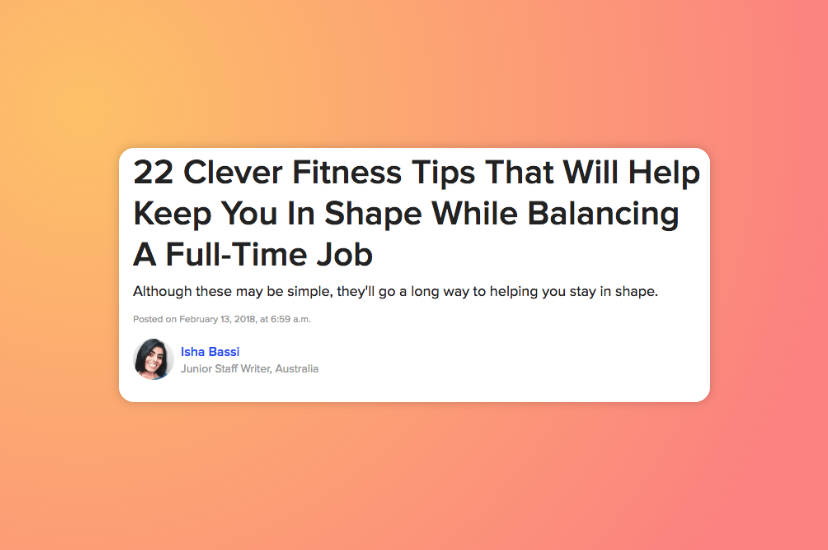
    For example, a Buzzfeed listicle like the one below will be labeled as helpful by many working people who want to stay fit, but can’t because of their work schedules.

    Helpful content

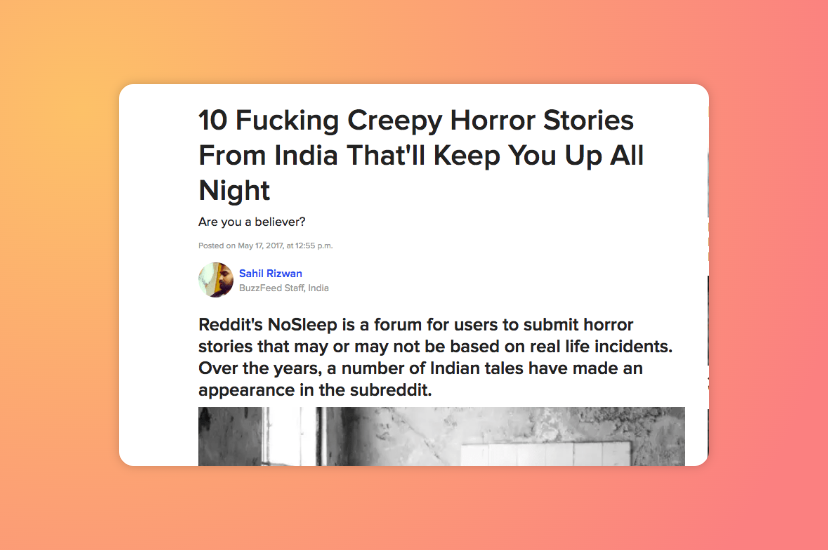
    4. They appeal to human emotions like fear, amusement, joy, sadness, etc.

    For example in the post below, half the readers while just casually skimming through the post only would have felt the jitters.

    emotional headings

    5. Focus on User-Generated Content

    User engagement is the perfect answer to –  how to create a successful viral marketing campaign.  User-generated content takes engagement beyond sharing and makes it interactive.

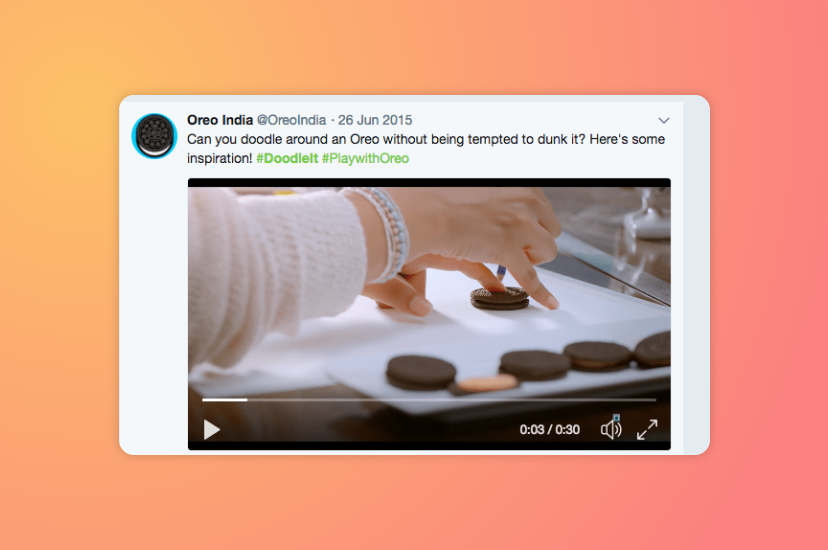
    An example of this is Oreo India’s #PlayWithOreo Campaign: This global social media campaign was rolled out by Cadbury Oreo in 2015 to inspire the imagination of Oreo Lovers in India with the world’s favorite cookie brand. Many interesting contests were carried out as a part of this playful social media campaign.

    Suggested Reading: 25+ Content Marketing Tools – Drive Growth For Your Business

    What’s more?

    All user-generated content was captured by a micro-site. For example, #DoodleIt was a doodle-making contest where Oreo lovers were invited to make doodle art using an Oreo sandwich cookie, click a picture of the doodle and share the image on Twitter or Facebook using the hashtag #DoodleIt.

    Oreo India

    The Takeaway

    Not every piece of content that you create will immediately go viral. Viral marketing campaigns take some time to show results. It takes perpetual efforts, thorough analysis, and a good amount of patience to get to that level.

    Make proper use of content marketing resources and use AI in content marketing to have maximum impact. But, by taking note of these tips and implementing them in your content marketing strategies, you will certainly increase the chances of your content getting viral.

    We at Wittypen can help you get started with content that can go viral. Download the E-book below to get some great content delivered to your account.

  • Microtargeting: How Can You Boost Your Content Strategy?

    Microtargeting: How Can You Boost Your Content Strategy?

    In an increasingly evolving market, brands are spreading themselves thin in every sector. All they want is a fierce and competitive global presence. Very few brands which treat marketing as a sidebar and a solid foundation as a primary aspect are sitting on the exponentials in the long run.

    Esha from KnowledgeHut sheds light on how to build this strong foundation with the right mix of microtargeting and content marketing. But before the deeper talk, here are a few trivia about Esha and KnowledgeHut.

    About Esha

    Esha is presently working as a Content Marketing Manager at KnowledgeHut Solutions. She is responsible for the end-to-end development, delivery, and marketing of brand-centered content.

    Holding a significant position in the digital marketing team at KnowledgeHut, Esha primarily mentors a team of technical content developers and actively coordinates between Paid Marketing (Social Media and PPC Adwords) and SEO teams to deliver content that caters to the niche sectors in the education industry.

    A passionate marketing enthusiast, Esha started her career as an Engineer. After graduating from one of the reputed universities in the USA, Esha decided to make a massive career shift and pursue her true calling.

    Today, she is a writer-turned-marketer. In her leisure hours, when she isn’t either writing or marketing, Esha indulges in painting, watching movies or listening to music.

    isha

    About KnowledgeHut

    KnowledgeHut is one of the leading education service providers in India. We offer certification training programs to the software professionals in a bid to take their career curves a few notches above their peers.

    Our vibrant team of industry experts, marketing professionals, sales personnel, engineers, and designers offer integrated solutions to the customers. One of the pioneer providers of e-learning and classroom training programs in popular IT domains like Project Management, Agile and Scrum, IT Service Management and a few more, KnowledgeHut has become a prominent name among IT professionals.

    How important is content in your marketing strategy?

    Speaking of small to large scale marketing and branding strides, content is everything. Content, in fact, is more than just the “king”! It is the building block of marketing, and being a content architect and marketer at the same time, I constantly strive to make the perfect blend happen.

    Contrary to the common perception, I strongly believe that a one-size-fits-all content approach is the biggest blunder committed by a sizeable cohort of marketers. Rather, a targeted content fed to the right sub-set of customers can have an outsize impact on your brand’s future.

    What exactly is microtargeting?

    Simply defined, microtargeting is a way to create customer segments based on definite demographic and psychographic patterns. This makes it easier for content marketers to target individual consumer segments and sell useful products to the relevant buyers.

    Though widely treated as a content marketing jargon, microtargeting is a simple concept. You need to have a focused customer behaviour analysis (strategy) in place to identify and categorize their buying patterns. As opposed to the common perceptions of mass outreach, microtargeting helps to reach out to your potential prospects and ensure a better conversion.

    How do you use microtargeting in your content marketing strategy?

    Here’s the caveat and also a big catch! There is no single microtargeting marketing strategy in existence that went exactly as per the plan. It has either overachieved or failed miserably, or perhaps, fetched mediocre leads. This is exactly where a targeted approach comes into the picture.

    The first big step to micro target your audience is to segment them into discrete chunks based on unique demographics and psychographics (the latter is widely overlooked by small and mid-scale brands). Next, compare and contrast these consumer subsets and identify the unique features of each. At every stage, ask the following questions-

    1. Who are my present and prospective customers?
    2. Do they exhibit certain common buying traits?
    3. Which are the potential customer areas I can expand based on the generic and specific traits?

    An effective heatmapping clearly highlights the product segments your customers are interested in. This applies everywhere. Be it your landing page, blogs, sponsored social media content or e-mail content, individuals who have demonstrated a certain degree of interest in your product(s) should be your primary targets. Dig the goldmine!

    What are some of the best tools for microtargeting?

    There are no fixed set of tools for a granular targeting. Without a deeper delve into core technicalities, there are certain popular predictive analytics tools widely used by online marketers, such as Google Analytics and Google Adwords.

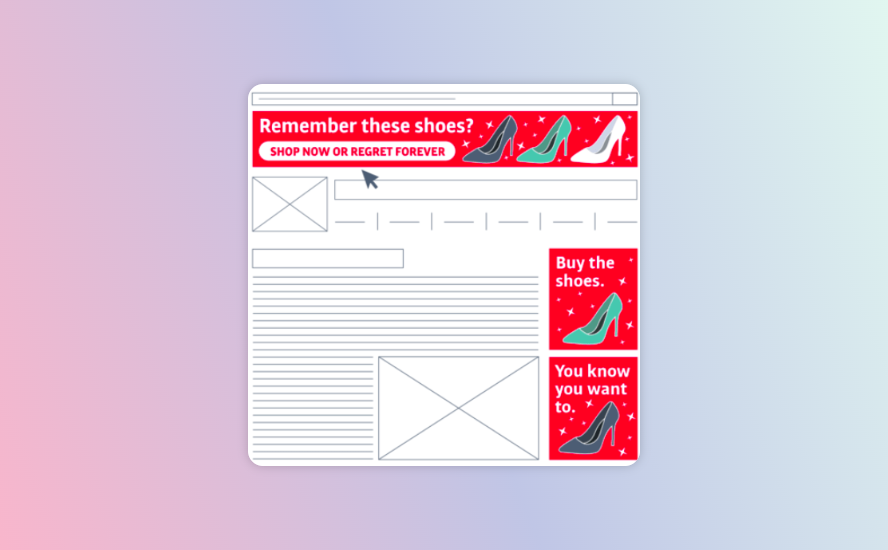
    Let us also not forget the power of social media channels, retargeting Ads and campaigns, where content plays a key role. It is equally safe to say that this is not your garden-variety content. Rather, it is a more focused, personalized and individualized content platter that creates the much-needed appeal.

    Any recent campaign in your organization that employed microtargeting and worked really well?

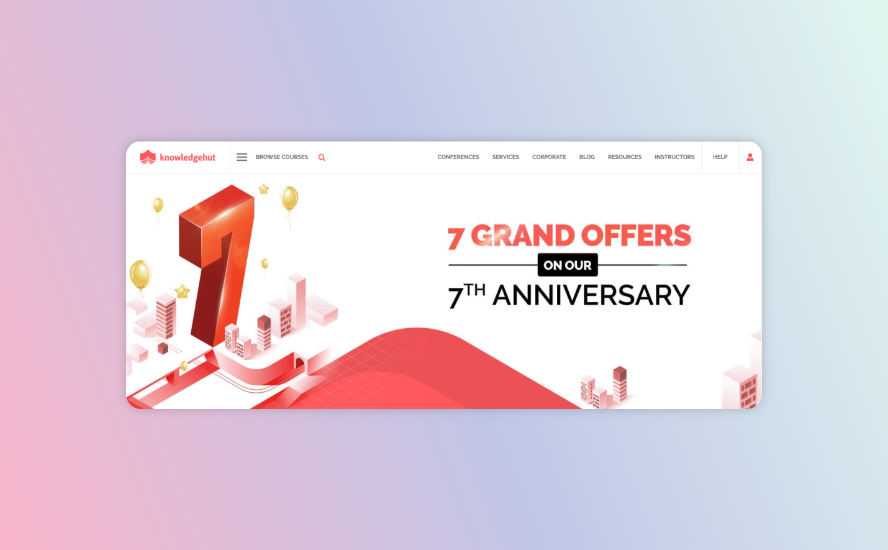
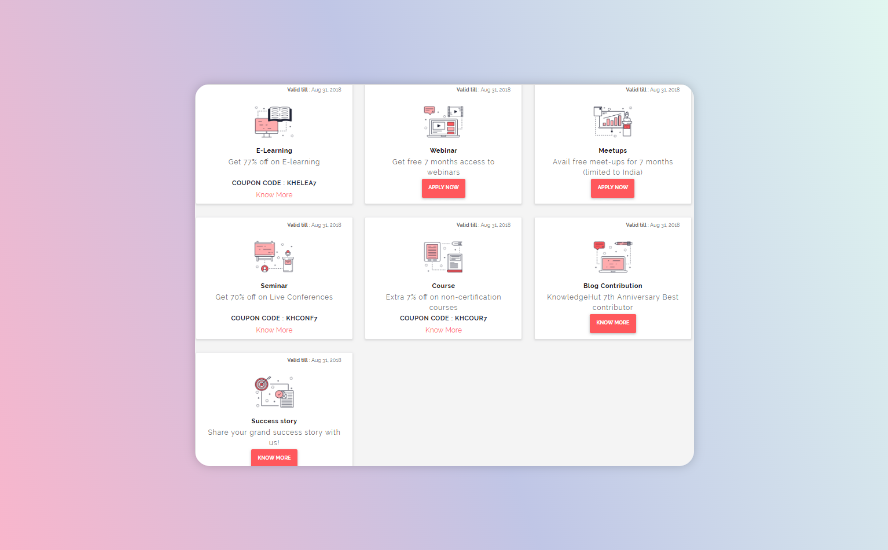
    Yes, and it did not just work, it was a massive success. On the occasion of its 7th year anniversary, KnowledgeHut initiated a “7 grand offers” campaign that turned out to be an overnight success. Combined with other microtargeting marketing efforts like relevant internal linking and external linking for blog posts, this was a remarkable attempt to engage the right section of the audience.

    You may take a quick glimpse at the campaign here.

    KnowledgeHut

    KnowledgeHut

    Coupled with the above, we also came up with an integrated infographic (first of its kind in the e-learning industry) presenting the perfect learning roadmap for the IT professionals. It not only combines industry-endorsed courses from the top accreditation bodies, but also helps both the entry-level and experienced professionals gain clarity of the career path ahead.

    The following graph will help understand the traffic surge we have seen in the preceding months by employing simple yet powerful microtargeting techniques in our regular blog posts. These envelope but are not limited to-

    1. Educative illustrations
    2. Internal and external links
    3. Relevant blog snippets shared on social media
    Blog traffic

    Post implementation, we saw a nearly 14% increase in traffic to the blogs, which was approximately 2.3X the traffic observed in the previous months.

    We were also elated to see a 6X increase in overall reach by virtue of the recent gmail campaigns and social media Ads.

    Are there any other brands that you think are doing well with microtargeting?

    In the present market, Amazon is the power player in terms of strategic microtargeting. It has successfully made itself the second home for its buyers. What more can you ask for when there is a brand that remembers your preferences and helps you make quick decisions on your future purchases!

    Find a brilliant example of microtargeting below-

    knowledgeHut

    There are absolutely no textbook approaches to microtargeting or marketing in general. However, a few essentials tips can help you stand out in the ever-competitive, dynamic market.

    What are the top tips on microtargeting that you would like to share with fellow marketers?

    Tip 1: Rightly leverage the “FOMO” mindset

    More popular as the acronym FOMO, Fear of Missing Out is a commonly observed buyer trait. While some of the brands have diluted the FOMO practice through overused phrases like “Hurry up before the offer ends” or “Only x items in stock”, marketing giants like Amazon and Flipkart have rightly struck the chord. The best route according to me is to treat FOMO as a buyer mindset through strategic microtargeting.

    You may-

    • Make your content (offer) exclusive
    • Evoke the competitive spirit
    • Present social (read social media) proofs

    Have the courage to let your content (say limited offers) expire and emphasize the “missed opportunities” in the future e-mails or offer alerts you send to your customers. This enhances your credibility as a brand.

    Tip 2: Busting the myth- Microtargeting limits your opportunities

    In reality, it does the polar opposite. While massive branding initiatives (macrotargeting) boosts your customer outreach manyfold, microtargeted content brings you closer to your niche and relevant prospects. What would you prefer as a marketer- a 10/1000 or a 30/50 conversion rate?

    This could be the ideal way to eliminate the consumer segment that is mostly cold to your offers and updates.

    Tip 3: Do not “over” microtarget

    Simply put, do not overdo it. Marketing to niche customer clusters often entails handling sensitive (though usually harmless) user details like their age, interests, job titles, general activities and pursuits. But choose to tone it down in your retargeting campaign contents.

    An example would be better. It would really scare the world out of me if one fine morning I receive an over-personalized inbox content that says-

    “Hey there, 28-year old from Bangalore! We know you love trekking and you miss the XYZ brand sneakers you wore to your road trip to Niagra in 2015! Want to check out the newest shoes we have in store?”

    Of course, I have volunteered this information on my social media profiles. But this degree of details is enough to make me feel vulnerable. The same content, scaled down to a more subtle tone may actually nudge me to go ahead and make a purchase.

    Read More: 10+ Best Grammar and Plagiarism Checker Tools (Free & Paid)

    Conclusion

    Esha has given us some really valuable insights on microtargeting and we would like to heartily thank her for the same. We now understand that making Microtargeting a part of one’s content marketing strategy is a smart move. It helps in reaching out to like-minded individuals and can easily influence their actions and thoughts.

  • A Mobile App Marketing Strategy That You Can’t Live Without

    A Mobile App Marketing Strategy That You Can’t Live Without

    To stand out as a brand, you need to have winning app marketing strategies that can guarantee success. It is imperative to define your audience segments before you venture into app marketing.

    If you try reaching out to everyone through mobile app marketing, then you will not be able to sustain growth through

    To know more about what mobile app marketing is, and the strategies that follow, read the interview by Jyoti Mali from WedMeGood who gives deeper insights on the topic. But before that, here’s a little read about Jyotiand WedMeGood

    About Jyoti

    Jyoti currently heads Digital Marketing at WedMeGood. She oversees overall online marketing campaigns across SEO, SEM, Social Media Advertising, Lead Management, CRO, Content Marketing, App Promotion & Analytics, etc. Previously as a digital marketer, she worked with a Digital Agency and led a team of 8-10 Account Managers across Fashion, E-commerce, Finance, IT, Travel, and more.

    About WedMeGood

    WedMeGood is a tech startup changing the way weddings are planned in India. The online wedding planning site and app has been started with an aim of helping users plan their wedding on their own. With more than 1.5 lac downloads, the WedMeGood App is currently India’s #1 Wedding Planning App.

    Who Is Your Target Audience?

    As the App helps with wedding planning, our primary focus is newly engaged people from metro cities and of the age group of 24-35 years.

    What Is App Marketing?

    Mobile Apps are now an essential part of the digital outreach. With increasing usage and better user engagement, Apps have become responsible to generate a major part of the revenue for customer-centric businesses. And hence, there is a huge competition in the app market leading to bigger challenges for businesses to get their apps on the top of the App search.

    Therefore, there is a need for Mobile App Marketing. App Marketing is a set of techniques that are used to improve App’s visibility by ranking them to the top of App search and by reaching the potential audience through Ads, banners, popups, social media and more. Not only increasing downloads, App Marketing also aims at retaining the app users and making them perform actions on the app that lead to the business goals.

    How Can You Use Content to Leverage App Marketing?

    Content plays an important role in every type of Marketing. Through blog posts, app reviews & earned media, we can tell our potential audience how our app can help in solving their problems, what features it has and why they should download it.

    Article

    We all run app install ads and we have only a few words to say about our app. With an interesting article, you can connect with your audience, pass on some great tips that add value to them, tell them more about your app and its features, and let them understand how it can help them make their life easier.

    There are many articles over the web on choosing the right wedding planning app like this – mentioning WedMeGood among one of the best apps every bride-to-be must have.

    Video

    A short 3-5 seconds video can do wonders in capturing a user’s attention and pass on what you want to say in the short span of time. Video ads are proven to do better on social media and are more engaging.

    Landing page for web users

    You should not underestimate the importance of a web page to promote your mobile app. If you have a good presence on web, you should create a landing page for your App mentioning its features, download link etc.

    What Is the Best Way to Get Your App Found?

    ASO

    Your App’s content on the app/play store like its title, sub title, description, screenshots & keywords have a huge impact on its visibility for related terms searched on app stores. Thus, optimizing your app’s content is remarkably important.

    Reaching Your Target Audience

    Know your target users and target them through various channels like social media, SEM, etc. Use the right messaging and use videos, content, images, etc. to define what your app really does.

    Social Media

    Social media channels like Instagram, Facebook, Twitter are the most popular app acquisition channels for acquiring new users. If you already have a good following on social, leverage that to convert your followers to your app users. If not, advertise on these platforms to reach the right kind of audience for your mobile app.

    App Referrals

    Once your app has traction, asking your existing users for referring your app is a very effective medium to acquire more users. Word of mouth leads to better conversions and hence, takes minimal effort to improve downloads without costing much.

    Describe the Various Methods for Marketing Your App

    Different app marketing techniques for different stages of marketing:

    Acquiring New Users

    New users can be acquired through:

    • Search Ads
    • Social media Ads
    • Display Ads
    • Video Ads
    • App Store Optimization
    • Email Marketing
    • Web Popups

    Retaining Existing Users

    Activating and retaining existing users is equally important. Keep your users engaged with the app, inform them about app updates, offers, promotions, etc and entice them to convert. To bring users back to the app, you can use:

    • Push notifications
    • Mobile in app banners
    • Email Marketing
    • App Engagement Ads

    Leveraging Past Loyal Users

    Run an App referral program to bring in more users through your existing users.

    What Sort of Content Do You Use at WedMeGood for App Marketing?

    At WedMeGood, being a wedding planning platform, we have users retained only till they get married. So, concerning this short lifespan of the users, we have used all possible app marketing channels to target a specific audience and engage them during their wedding journey. We have always valued the user’s experience the most.

    Hence, we update the app frequently to provide the best user interface, faster loading, minimized app size and uptime app support. This brings us loyal users, good rating, positive reviews and high retention time for our users compared to the industry standards. We have used multi-channel marketing to ensure that the users have a seamless experience when they are on the web and then go to the app and then browse through web again.

    What Are the KPI’s That You Focus on During App Marketing?

    Organic Downloads Cost per app install Downloads from each marketing campaign Retention rate Daily/monthly active users Avg session duration Screen flow Lifetime value

    How Do You Measure Them?

    We have used various tools for App analytics like Firebase, Mixpanel and Google Analytics

    Tell Us About Other Brands That You Think Are Doing Well With App Marketing

    Ajio.com, an online fashion retail brand is one such example of great app marketing. The team at Ajio has leveraged their web traffic to drive app downloads. And they show the following banner with an irresistible offer as soon as you visit their website.

    Another great thing is, that they have also focused greatly on ASO and user reviews: They have nearly 9.7K reviews for their IOS app and 105K for the Android App.

    They also send Push notifications and Emailers almost daily with different offers and updates to bring users back to the app.

    Any Tips for Marketers on Mobile App Marketing

    Multiple studies reveal that users abandon 1 in 4 apps after a single use. It takes a considerable cost in acquiring new users. Therefore, retaining App users should be the main focus of App Marketing. Leverage your existing users, give them the best experience, engage them with your app, solve their problems, make them your loyal users and they will also contribute to promoting your app.

    Conclusion

    We thank Jyoti for giving us such useful tips on app marketing. We now understand that while marketing for an app, it is important to always keep your users and their needs as the priority. The stage where we are able to fulfil their requirements is the stage where we can deem our mobile app marketing strategy a success.

    If you’re looking to expand your app marketing strategy and are in need for content, reach out to us at WittyPen!