As content marketers, one of the biggest challenges that we often face is to generate blog ideas to write about. We can’t shy away from our responsibility of producing quantity and quality content.
Producing good content on a regular basis is very important as it helps any brand build authority and gains trust amongst its user base. Consistent content creation also helps a brand maintain healthy traffic. So how can one generate “good” blog post ideas on a day-to-day basis?
Sit Back, Relax and Read on. Here are some tools to solve your query on how to become the best content writer.
Ways to generate blog ideas
Know your users better
Your users would love you if you write about solutions that solve their problems. How can you know about their problems and get blog post ideas? Well, It’s easy. ASK THEM QUESTIONS AND TAKE THEIR FEEDBACK.
Quick call
A quick call to your users can help you with tons of blog ideas in almost no time. Knowing the pain points they would be hearing from the horse’s mouth. And, while you answer them, you can form a better bond with them, and also answer questions from others with a similar problem.
Quick survey
Taking feedback from a tool like Typeform or an email can help you too. You can create a list of questions that you would want to ask, and their responses would be the doorway to new blog topic ideas.
Here is an example of how you can create a survey on Typeform.
Moz Keyword Explorer
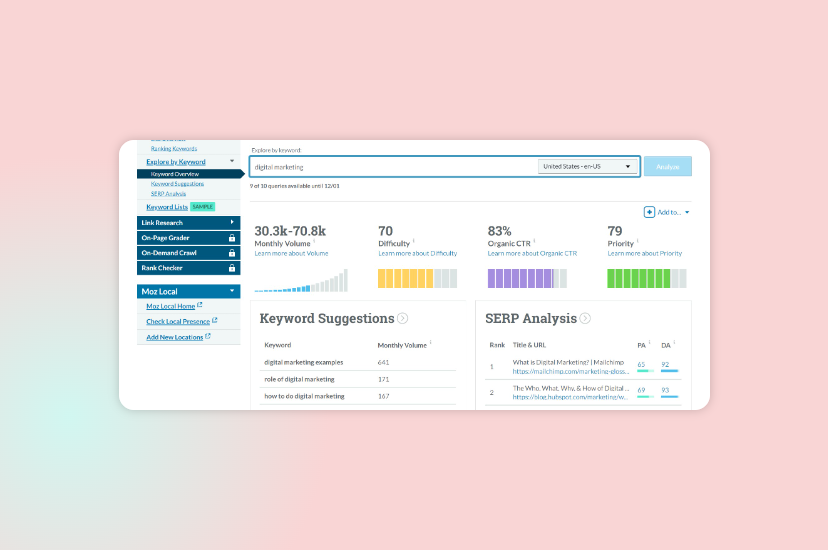
Moz Keyword Explorer is a great way to explore ideas. How this works is really easy. Follow the steps to understand
Type your target keyword related to your website or area of work.
You will see keyword suggestions by Moz. Click on that to proceed ahead.
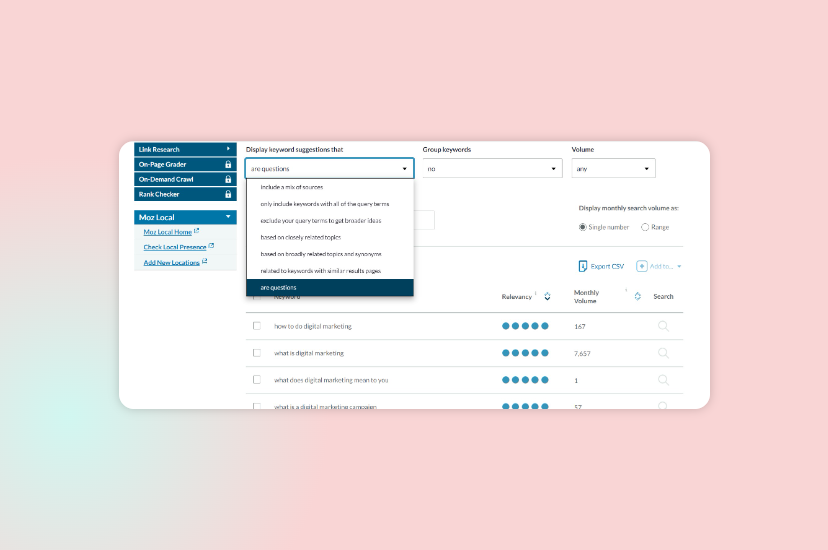
Inside the page, click on “Display keyword suggestions that” and you will see a dropdown list. Select “are questions”.
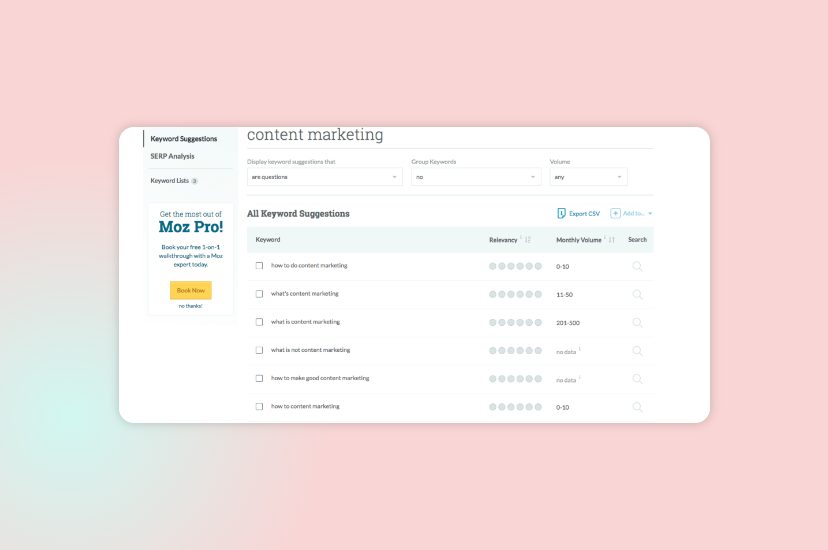
Voila! You have so many questions to choose from based on the monthly volume and relevancy.
Google Keyword Planner
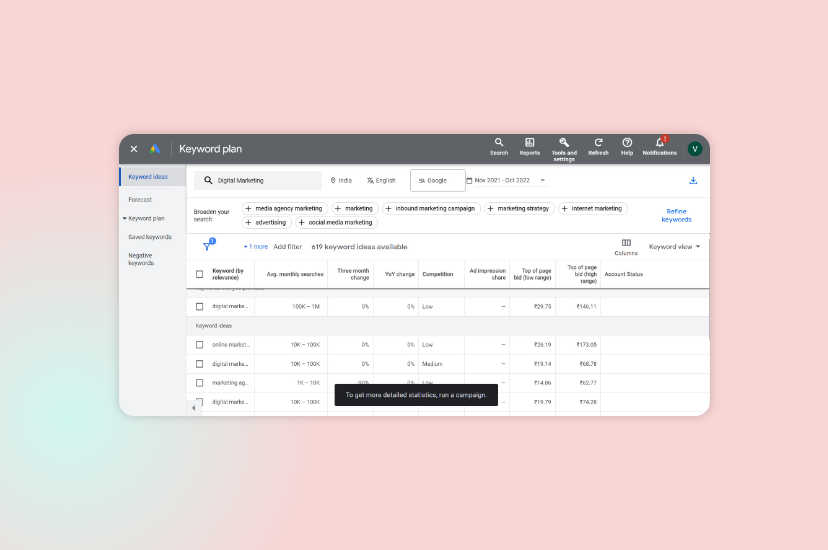
Though originally meant for complementing Google Adwords, Google Keyword Planner also acts as a friend in need to content marketers when it comes to finding new blog topic ideas.
It tells you the monthly searches made for that particular keyword, and you can craft questions/topics around the same. For example, keyword planner has monthly searches of 100K -1 M, meaning that it’s quite searched for. Sift through your keyword suggestions accordingly.
Your topics could be –
This the most incredible article about keyword planners you’ll ever read
3 reasons why you should embrace keyword planner
Use Forums Like Quora and Inbound.org
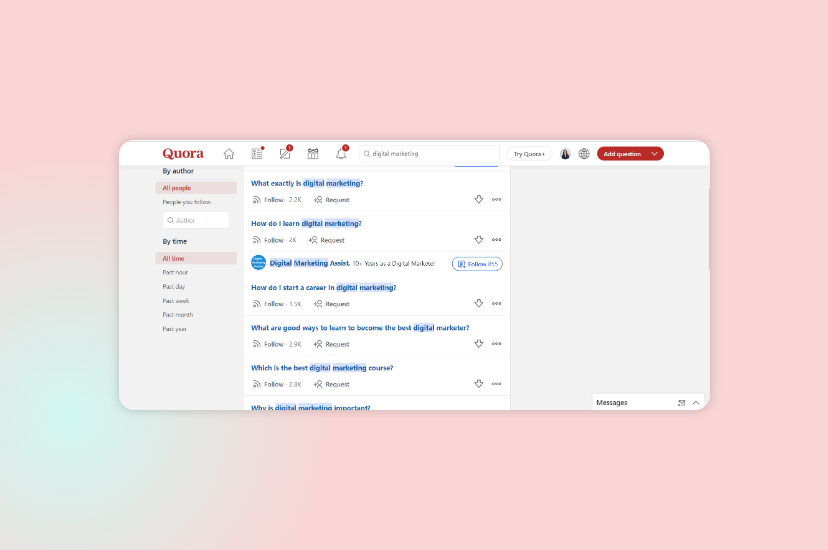
Quora is a popularly used site for questions and answers. Millions of questions are asked, and millions of responses are posted. Which makes it a perfect place for you to hunt down your content marketing topics and content ideas.
How? It’s easy. Type in your “keyword” in the search box and you will see many questions related to your keyword. You can generate blog topic ideas from those questions. These questions are popular and are asked by so many, and this makes them the perfect choice for your next blogs.
Inbound.org is a close-knit community of inbound writers that constantly share the best new ideas, events, and jobs related to content marketing.
You can find cool things to blog about from the hottest topics or from the articles that are gaining popularity and lots of upvotes
Use Google Autosuggest Results
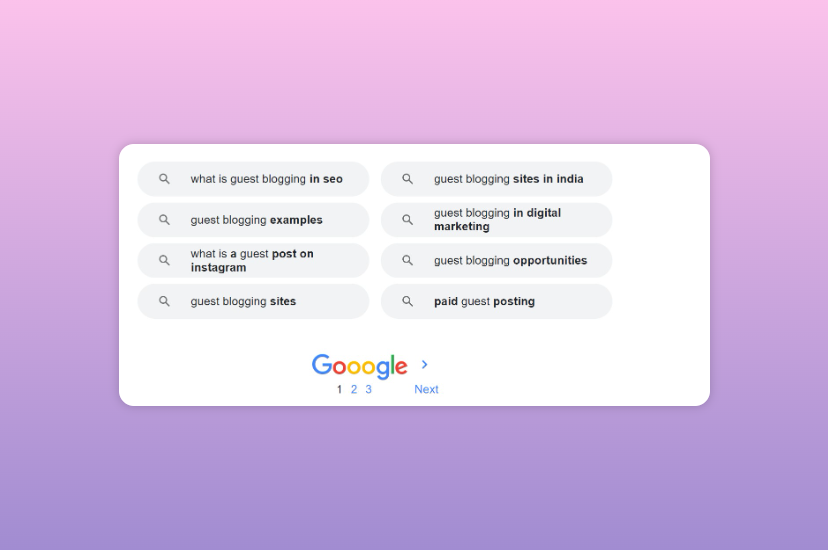
You can use Google autosuggest results to generate blog post topics for your next post. You need to open an incognito window in your browser and do a google search of topics that you want to write about or are related to your field of work.
When you type in your keyword, Google automatically auto-suggests the phrases (containing that keyword) that people are already searching for. The example below will make things clearer for you.
Use UberSuggest
A powerful tool and Neil Patel’s Baby – UberSuggest is a great support system when it comes to generating blog ideas. All you have to do is enter your choice of keyword, and it gives you back multiple topics instantly.
Follow the example to understand.
Use BuzzSumo
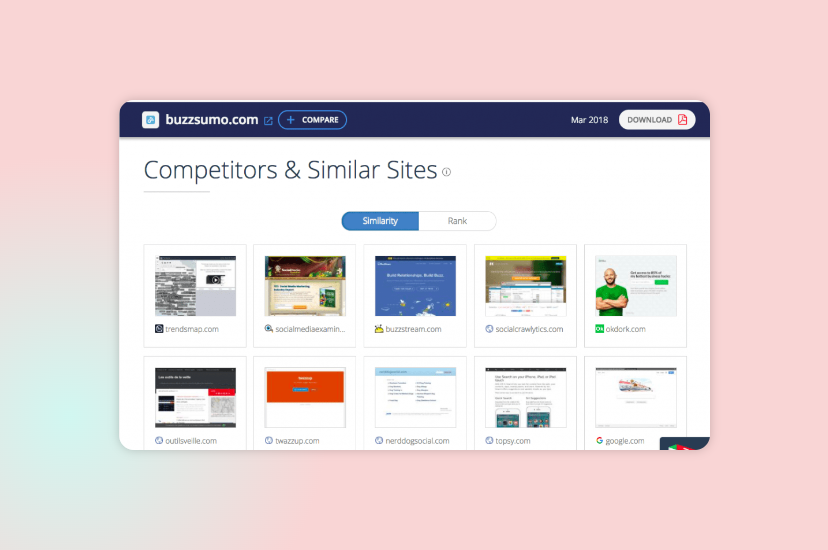
Buzzsumo helps in generating topics, and also displays the number of shares and backlinks that a particular topic receives. By focussing on the trending topics of Buzzsumo, you can create truckloads of blog posts for the coming days!
Do some competitor research
A little bit of competition is always healthy in the longer run. You must always keep an eye on how the competition is doing. Using Similar Web you can easily get to know your competitors.
Look at the blog ideas that they write about and see if they are relevant to you. You can maybe write a much better and more comprehensive article on the same topic!
Once, you have decided on the topic that you want to write about, you might also want to come up with an attractive blog title. For those reasons, I recommend you a couple of tools to check out.
HubSpot’s Blog Topic Generator – This is a handy tool. All you have to do is enter your choice of nouns in the search boxes and the blog title generator gives you blog ideas for your next blog post.
Portent’s Content Idea Generator – A free blog content generator. The blog post titles generated have a funny bone in them, and can easily strike a chord with the audience. Find interesting topics to blog about using this.
Linkbait Title Generator –Yet another tool that can help you write catchy headlines for your next blog post. Check it out for yourself.
You might also want to look at the kind of headlines that drive traffic, engagement, and conversion. Here’s the link to the full blog.
Conclusion
Blog regularly, and follow these tips to generate blog ideas to have your users glued to your content. To get some awesome content yourself, download the e-book below!
If you wish to drive more traffic to your website, it is imperative that you implement the right search engine optimisation (SEO) strategies in your blog. Any proactive blogger or digital marketer knows that keywords play a crucial role in boosting a site’s ranking on search engines, such as Google, Yahoo, Bing, etc. However, you cannot insert keywords the way you please.
You have to find relevant keywords and then insert them in different places in your blog. Keep in mind that you should avoid overstuffing keywords because it is a black-hat SEO practice and can get you penalized. If you don’t know the most relevant keywords for your blog content, you can always rely on keyword research tools to find them.
This article will provide a detailed review of how to smartly insert keywords in your blog to help increase its SEO rankings. But first you need to understand what is SEO ranking.
What is SEO Ranking?
SEO ranking refers to the position of a website on search engine results pages (SERPs), determined by various factors like content relevance, user engagement, and keyword optimization. Optimizing these factors improves a website’s visibility and increases its likelihood of appearing at the top of search results.
Understanding and improving your SEO score, which quantifies how well your site adheres to best practices recommended by search engines, is crucial. This score is typically calculated based on aspects like page speed, mobile-friendliness, and the quality of backlinks. By focusing on enhancing your SEO score, you can directly influence your site’s ranking. Regularly monitoring this score allows for real-time adjustments to your SEO strategies, ensuring ongoing optimization and a higher return on investment compared to traditional marketing methods. This proactive approach to SEO not only boosts your site’s visibility but also enhances overall digital marketing effectiveness.
With understanding of how SEO score works, one can proceed with understanding of keywords and how to rank for those keywords.
8 Effective Ways To Insert Keywords In A Blog
1. Insert Keywords in Your Headings and Content
One of the smart ways to insert keywords in a blog is by placing them in your headline and content. When inserting a keyword, you have to make sure that their usage isn’t forced and they fit the bill naturally. Don’t make it seem as if you want your readers to focus on the keywords instead of your content.
To enhance the visibility of your blog on search engine results pages, it is essential to incorporate keywords strategically within your headings and subheadings, specifically using the <h1>, <h2>, and <h3> HTML tags.
Lets consider the above blog: Only On-Page SEO Guide to Read in 2024. The keyword ‘On-Page SEO’ is very evidently used, multiple time, in the H1, H2 etc and smartly placed wherever possible.
This practice helps search engines discern the subject matter of your content. Ensure that these keywords are integrated seamlessly to maintain the natural flow of your writing.
Additionally, embedding relevant keywords throughout the body of your text is crucial. This not only assists search engines in understanding the context of your blog but also avoids the pitfalls of keyword stuffing. To further optimize your content, consider using Latent Semantic Indexing (LSI) keywords. These variants help prevent penalties from search engines for excessive keyword repetition and broaden the thematic reach of your posts.
When crafting a new blog entry, it is advisable to include pertinent keywords in both the introductory and concluding paragraphs. Search engines prioritize these sections when indexing content, which can significantly enhance your blog’s search rankings.
The overarching objective is to make your content SEO-friendly. Utilizing LSI keywords throughout your articles supports high rankings for a variety of search terms, thereby increasing traffic to your blog and improving its competitive edge in search engine rankings.
2. Image File Names
To boost your blog’s visibility, incorporating relevant keywords into the images you use is crucial. Utilizing alternative text, or “alt text,” for images is a strategic approach that can significantly improve your blog’s search engine rankings.
It’s common to find that images can lead to relevant content during online searches. By applying the same method—optimizing images with appropriate keywords—you can enhance your blog’s search engine visibility.
Additionally, before uploading images to your blog, make sure to optimize each image by including targeted keywords in their file names. This step is essential for improving the SEO potential of your visual content, making it more likely for your images to appear in search results and drive traffic to your site.
3. Title Tags
Before writing your blog post, you spend a significant amount of time coming up with a creative title that will captivate your readers. Why? That’s because the title plays a significant role in your blog posts. It informs users what your content is all about.
As a result, you should ensure to incorporate relevant keywords in your titles. Title tags should have long-tail keywords because they not only help to improve your blog’s SEO rankings but also bring more organic traffic.
Title tags that feature the relevant keywords intrigue people to read your posts and they also help to increase the time spent by viewers on each of your posts. When you’re adding a title tag, you should write terms that are related to the content you post.
Do not try to trick people into reading your content by writing a title that is unrelated to your content. Relevant titles help in retaining loyal readers and they also attract new ones. If you don’t know the most appropriate titles to use for your blog posts, you can always rely on title generating tools to come up with suitable titles.
4. Meta Description
Every blogger or website owner finds it struggling to get their content to rank at the top of the first page of search engines. One of the tactics that can help you achieve that is optimising keywords, and one of the places that you can insert these targeted keywords are in the meta description.
The meta descriptions are short descriptions that appear under each search result that a search engine throws up. They can enhance the click-through rate of your site and that’s why you should ensure to have relevant keywords in the meta descriptions.
Frankly, when people conduct a specific search online, they have to skim through the meta descriptions to ensure that they click on the most relevant results. A well-written description should captivate the users and motivate them to click on your blog.
When writing the meta descriptions, incorporate the right strategies so that you can optimise your content. Including keywords in the descriptions will increase your blog’s rankings and generate more organic traffic. Bloggers use this as an effective digital marketing strategy to ensure that their posts rank on the first page of Google.
5. The URLs
Another way to smartly insert keywords in a blog is to include them in the URL. Why should bloggers do that? It helps users to locate links much easier. Instead of rewriting your URL with numbers and letters, you should rewrite it with a readable content.
People tend to trust links that have readable content that is related to what they were searching for. When writing your URL, you should not only focus on the search engines but also on the users. Inserting keywords in the URL informs the users what your blog post is about, but you shouldn’t stuff them.
6. Blog Post Comments
The majority of blog posts have a comment section, and this is one part that you should not ignore. It can help drive organic traffic to your blog and increase SEO rankings alike. Readers will most likely return to a blog where there is some interaction, and where their questions are answered or responded to.
When you reply to your readers’ comments, you should optimise the keywords. Ensure to incorporate relevant keywords in every comment that you respond to, but don’t fix the terms for the sake of filling them and make that they are as natural as possible. Using long-tail keywords in your blog’s comment section could also help to boost your SEO rankings.
7. Use One or Two Keyword Phrases in Every Blog Post
If you wish to maximize your blog’s traffic using keywords, you should only use one or two keyword phrases per post. You should not add too many keyword phrases because your content may end up not making too much sense.
Too many keywords make your blog post seem out of context and they can make your content look like spam to search engines. You wouldn’t want that now, would you? One or two keyword phrases are enough to generate more traffic to your blog and boost your rankings.
8. Blog Post Labels
Your post labels can also help improve your rankings and bring more traffic to your blog. You should not look at your blog labels as if they are only meant to optimise your posts. You can incorporate targeted keywords in the labels to help optimise your blog posts.
Interestingly, even if you forget to incorporate relevant keywords in your labels, it is possible to rename them to include the relevant terms.
How to Select Better Keywords for Your Blog Posts
Optimising your blog posts using keywords does not simply mean using them strategically with the help of the above practices. You also need to learn how to select better keywords to use. The more relevant the keywords are, the better the chances of your blog gaining more traffic and ranking higher on search engines. Here are some of the skills that come in handy.
Get Keyword Suggestions from the Source
When searching online, using search engines like Google, Yahoo, and Bing is a common practice. Typing a topic into the search bar often prompts the engine to suggest potential matches, which not only streamlines your search but also reveals what keywords and phrases are currently trending or relevant.
This feature of search engines can be leveraged to identify keywords that are pertinent to your blog content. By observing these suggestions, you can refine your keyword strategy to better target your audience.
However, if manually searching for keywords seems too time-consuming or less effective, consider utilizing a keyword research tool. These tools are designed to provide detailed insights into which keywords to focus on. They help determine the relevance of keywords, optimal keyword density, and even suggest the appropriate length of your content to enhance SEO effectiveness.
Using a keyword research tool not only saves time but also assists in finding keywords and phrases that integrate seamlessly with your content, enhancing your blog’s search rankings and driving organic traffic. With numerous keyword research tools available online, selecting one that suits your needs can significantly improve your content strategy.
Ahrefs, Google Analytics, SEMrush, SurferSeo are some of the top tools one can use to get started with keyword research.
Look into Related Searches
Another effective way to find better keywords for your blog is by looking into related searches. Don’t get it wrong, this is not the same as Google Suggest which comes up when you type in related words in the search bar. No.
If you scroll down the search engine, you will find ‘searches related to’ a particular topic that you searched for.
You can use the related search results to select a focus keyword for your blog. You can also use the phrases you see in your blog for semantic search purposes and you can also use the words or phrases to dig deeper to find other relevant keywords.
Rely on Google AdWords Keyword Planner
Google Keyword Planner is an effective tool that bloggers can use to find related keywords or the approximations of the search volume for the terms you type in. The tool is not hard to use, but you have to create an account first.
The tool can be beneficial to your blog because it offers plenty of valuable data. You only need to type in a keyword or a keyword phrase and then Google AdWords Keyword Planner will give you tons of suggestions that it obtains from Google’s database.
Look for the Questions People Ask That Are Related to Your Blog’s Content When users conduct an online search, they mostly ask questions because they want to find answers to something they are curious about.
Users usually ask the how, the when, and the why of it. Therefore, if you want to be successful in your blog’s keyword planning strategy, then you need to find out the questions your target audience asks.
By discovering the questions, you can tailor your blog posts to answer the most relevant questions. Keep in mind that you’re supposed to answer questions that are related to your topic and ensure to incorporate the keywords so that users can find them.
This might not be a popular option among bloggers, especially those who are just starting up their blogs. Why? Because it is not free. However, it would be wise to consider the option even if you don’t want to. You can consider it as an investment because it will give you clear insights into the keywords that generate the most traffic.
Pay-per-click advertising can give you the actual data concerning high-quality keywords and keyword phrases. When you have a clear grasp of the keywords that generate more organic traffic, you can start incorporating them into your articles. They could help improve your SEO rankings.
Look for Hack Books and Courses
If you would like to know the most relevant keywords that are related to your topic, then you can obtain them from hack books and courses. The online world is filled with plenty of instructors and authors. The books are comprehensive and they have plenty of topics. You can select a topic or two and see keyword ideas that might work for your blog.
Link Your New Blog Posts to Your Old Posts
Another effective strategy is adding old links from your blog to your recent blog posts. As a blogger, you should ensure that you regularly review your old posts to try and find target keywords that you might have used. When you find similar keywords to the new content you’re creating, consider adding the link.
Discover Trends
One of the best things about Google is that it has Google Trends which looks at historical search data to show the searches that users have made over time. You can use the tool to filter searches based on the region, categories, time frame, and much more.
Uncovering the trends can be very helpful, especially to bloggers that create content for the local community. By reviewing the historical data, you can customize your articles to incorporate the keywords that your target audience has looked up most.
Double-Down on Your Keywords
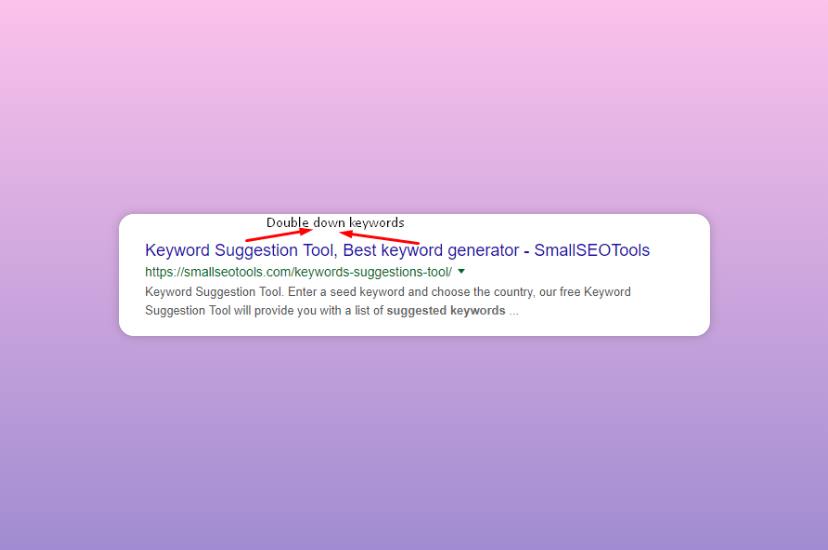
The key to making your blog successful is ensuring that your keywords work for you double time, if not multiple times. What does this mean? It means that you should optimise your blog titles to have numerous keywords or overlapping keyword phrases.
You should conduct your research and find a two or three-keyword phrase related to your topic that demonstrates a high level of search activity. You should then expand it to form a long-tail keyword. Alternatively, you can create an article that focuses on two keyword phrases. That way, you make it easier for search engines and users to locate your content.
Plan Your Keywords Semantically
Keyword planning for your blog should always be done semantically. As Google’s algorithm continues to advance, it has become a semantic search engine. What does this mean? It implies that Google considers the relationship between signifiers in phrases and words in SEO rankings.
When users search for a specific topic on Google, the results displayed will not only indicate the exact word(s) that has/have been typed, but it will also show the results of what it considers relevant to the search conducted.
Therefore, if you wish to optimise your blog posts using keywords, ensure to focus on topics instead of exact phrases. Doing so will rank your blog higher in search engines and it will make it easier for users to find your content.
For easier audit you can check out Wittypen’s On-Page SEO Checker to have a better understanding on what all you can implicate while diving deep in your SEO exercise.
Conclusion
Keywords play a vital role in boosting your blog’s SERP ranking. They also help to generate more traffic, which is what every blogger wishes for. However, you cannot achieve positive results if you fail to employ viable strategies. Your main focus needs to be optimising your blog to search engines.
Search engines will rank blogs with relevant keywords that are well used higher than blogs that omit targeted terms. You may consider implementing some if not all of the strategies mentioned above to generate SEO rankings.
Gone are the days when people found joy in 9-5 jobs and spent their lives working at only one organization. They were satisfied with doing the same thing every day. The generation of today wants more from life. Fortunately, technology has enabled careers that allow you to be in charge. From your work timings to projects to pay, you get to decide everything. Many youngsters are going for freelance content writer jobs as it is flexible and has a great future.
The freelancing economy is growing in India and how. As per a report by Payoneer, India is the world’s second-fastest-growing freelance market, with an estimated 15 million freelancers in this workforce.
While freelancing opens up different avenues for skilled individuals who want to explore this style of work, a few freelance jobs have a particularly high demand in the market. For instance, as a freelance writer in India specifically, you will see good traction with more and more businesses opting to work with freelancers. Not just that, international clients also prefer collaborating with Indian writers for their high-quality work.
Have you been thinking of giving freelancing writing a shot? How do you know if it is the right step for you?
We have charted out all the details you may need to identify if freelancing as a content writer is the right step for you.
How To Know If Freelance Writing Is A Perfect Fit For You?
Working as a freelancer in India is tougher than it comes across. On the one hand, freelance writers are always on the hunt for potential clients. On the other, you will have to ensure that you submit your current tasks on time after conducting proper research and writing as per the client’s guidelines.
Deadlines are sacrosanct, and rework may disturb your planned timelines. However, if you enjoy writing and are looking for a creative outlet, freelance content writing is one of the best career options that can get you a decent living.
Content writing requires several skills, and understanding them can help you determine if you should pursue it and earn money by writing.
Let us see what these skills are.
1) Curious
As a writer, you can expect to work on multiple topics. Best content writers are the ones who can borrow examples from several aspects of life and correlate them to weave a story worth telling.
When you are curious, you are intrinsically motivated to learn as you carry about your day. Moreover, it drives you to research well to write quality pieces.
2) Meticulous
In your content writing skills, there is no space for mistakes. Even the smallest errors, like misspelled words or missing punctuation marks, can make you appear inexperienced.
Moreover, you will have to follow the guidelines of your client. Writing as per the prescribed guidelines and reflecting the brand’s voice requires great attention to detail.
3) Hard-working
Freelancing as a writer is hard work. Online freelance writing jobsrequire you to follow strict guidelines.
As the work is time-consuming, you may have to work round the clock to submit your piece within the deadlines. One cannot succeed in this profession without a strong work ethic.
4) Committed
Working as a freelance writer is a job of high commitment. You will have to ensure that you deliver on time and do not back off after accepting a project. Besides, there will be times when you will not get work as per your expectations.
However, being committed is the only way to sail through such times.
The more experience you get, the better you become. Besides, developing long-term relationships take time, and with your commitment, you will definitely reach there.
The Step-By-Step Approach To Pick A Domain
Most people figure out they want to pursue content writing after starting blogging on the side. More often than not, it is in the fields of travel, entertainment, food, or home decor. However, these are generally not the genres that can help you grab freelance writing jobs because of high competition.
Here are the steps you can follow to pick an appropriate domain that will help you build credibility and get work that pays well.
1) Make a list of niches that match your educational qualification, interests, or work experience. Try to explore niches such as technology, finance, HR, or marketing to make a place for yourself in this competitive market. These are the genres that also pay well.
2) Start reading up on the latest news in these niches to enhance your knowledge.
3) Make a portfolio by writing 4-5 high-quality blog posts, guest posts, or articles on trending topics. You can show this portfolio to clients who wish to see your previous work.
4) Once you get a headstart, try to gain experience in other categories gradually to expand your work area.
How to become a freelance writer in India?
Once you know that your true calling lies in working as a freelance content writer, the most obvious step is to find work. Well, the good news is that in today’s times, there are multiple avenues through which you can explore opportunities.
Here are a few ways in which you can find work.
1) Approach clients on LinkedIn
LinkedIn is a forum that can help in finding writing gigs. As it is a social platform, you can write content and share it to build your audience network. With your portfolio already there, it will be easier for the clients to see your quality of writing and offer you work.
Remember to write on the most current topics and add a personal opinion or examples to differentiate your content.
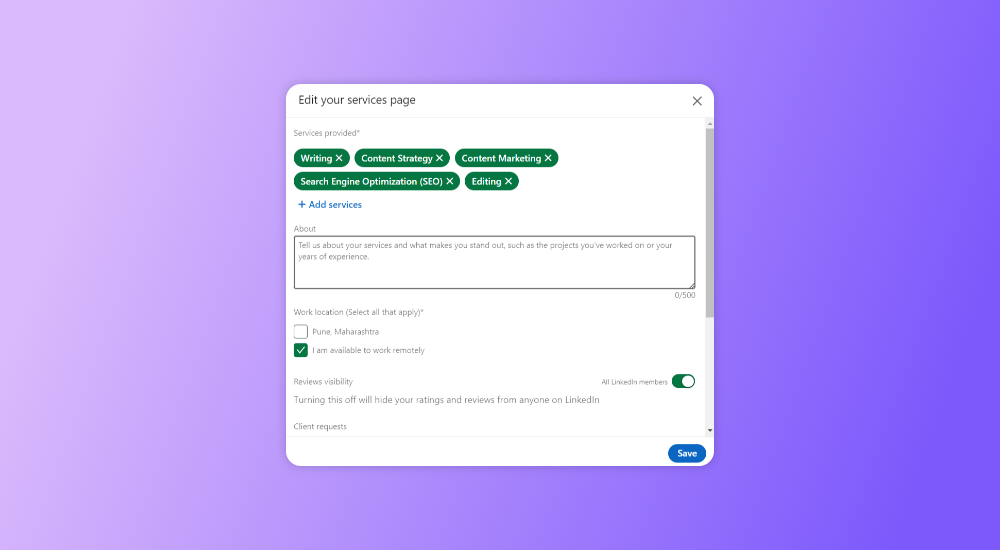
Also, try to connect with content marketers and share links to your work. Add content writing services as one of your services on Linkedin. You can do so by visiting your profile > Add profile section > providing services to clients
2) Make an account on freelance platforms
A freelance marketplace works as a bridge between writers and clients. For instance, at WittyPen we help you get content writing projects across domains. This helps you find regular freelance work in multiple niches and earn well in the process.
Some of the writers have been earning upwards of INR 50k every month by creating quality content for some of the largest brands.
3) Join groups on social media
Facebook has several content writing groups where you can find work. You can share a post that you are looking for work or even share some of your work.
4) Cold emailing
If you have a database of content marketing professionals or content managers, you can always write cold emails and send snippets of your work to pique their interest in your work.
How Much Should You Charge For Content Writing Services?
One of the most tricky parts of a freelance writer’s profession is to decide your charges. You will find several clients and sites that pay for writing, which pay as low as Rs 20-40 per word. However, if you think the quality of your work deserves better, don’t be afraid to demand the right price.
Have a reasonable discussion with your clients about money and give them an idea of the approximate time it would take to finish a task. Researching and fulfilling SEO content writing as per the given guidelines are time-consuming activities.
Also, fix your charges per hour to inform your clients of the cost of each task; you can always take suggestions from a fellow writer. If it is a long-term relationship with a client, you can offer discounts for continued work. Charge more for thought leadership tasks and lesser for SEO articles.
Another way to earn money through a freelance writing job in your early days is by taking on bulk projects. Such projects come at a discounted rate. However, they assure continued work.
You can look at it through the lens of time vs money. If you spend 20% of your time connecting with new customers and finding new work, bulk projects can save you that time and pay for it too. Thus, it makes sense to take a project that comes at a 20% discount rate.
3 Ideas To Improve Your Income As a Freelance Content Writer
1) Add to your skills
Reskilling will enhance your income by helping you pitch as a retainer to a client. The easiest thing you can do is learn content marketing, digital marketing, and SEO to offer a package deal to the clients. After you do this, you can charge a fixed cost for SEO research for each article and optimize on-page content.
2) Expand your horizon
Read up about other niches to expand your work area. Take up work even if it pays low if you are inexperienced in those areas. Apart from writing blog posts, there are other avenues like technical writing, medical writing, sop writing, web content writing, etc.
3) Learn social media marketing
You can charge extra to drive more traffic for your customers as you share social media copies. Another option is to design images on Canva to enhance the value of the content. This will help you think more as a brand and also improve your writing style.
How To Avoid Fraud?
One of the most common challenges in the Indian freelance industry is when writers do not get paid. Several freelance writers have faced this and learned to be more cautious the hard way.
To protect your interests, you can take partial payments before you start work on freelance writing jobs. You can also submit half your work and request payment before sharing the complete write-up.
When working on bulk projects, you can sign contracts with funded or large corporates. Carrying out a background check of a new client on LinkedIn, Google, or their professional website can also save you from any unpleasant situations. Freelance marketplaces usually save you a lot of hassle in closing payments as they work with the finance teams to close payments timely. They take more time to pay out, but you get the benefit of payment assurance.
Remember Some Finance Basics
When working with companies, you will need to raise invoices to get your payments. That requires discipline as companies may object to seeing invoices for work that you did months earlier. Keep track of the invoices from online platforms and maintain a spreadsheet to quickly tally your payments.
Taxation is another aspect that you will need to consider as a freelancer. You will have to file your yearly IT returns. Understanding your income and keeping your finances in check is essential for your financial well-being.
Working as a freelance writer can be a good career choice if you are a creative and committed individual. If you have decided to be one, we hope you like the suggestions above. And to know more about how you can join Wittypen as a freelance content writer, apply here.
We all have great content ideas. Sometimes, these hit us over a breakfast table conversation and sometimes, while we ponder under a warm shower. However, great ideas without a structure or strategy to materialize them are futile. Finding the best content writing tools in the market becomes a tedious process.
To make sure that our content creation strategy hits the bull’s eye, along with original content, it’s necessary to streamline our ideas. This will help us with the actual implementation of those thoughts as opposed to them fizzling out in an unstructured ecosystem.
So, we are here to help you with some of the online content writing tools for researching, curating, and writing great content.
Content Writing Tools To Create Ranking Content
Now that you’ve done your research, you’re ready to slam your keyboard and pour out all your thoughts and theories (well, don’t literally kill your keyboard).
1. Wittypen
This is a content creation platform driven to bring better results to publishers, give a voice to a huge pool of writers, and ultimately, satisfy the end user out there by providing professional content writing services.
They partner with a huge number of freelance content writers with years of professional experience to bring to you the best-brewed content for your specific needs. They also provide solutions and suggestions for your content marketing strategy. Need fresh and original content; talk to Wittypen – hello@wittypen.com
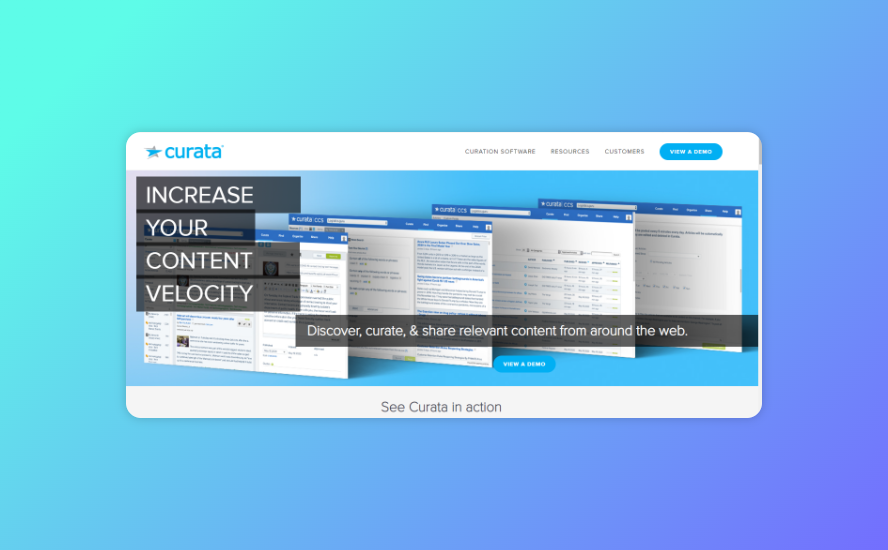
This is an excellent platform for you as a content marketer since they provide a forum to discover and share content to blogs, newsletters, etc., specific to the industry. Curata admits that one of the keys to fresh and original content creation is content curation.
They won’t let you burn out in an attempt to endlessly generate new ideas, but let you relax those nerves a little, and create strategically, with support. Relied upon by some of the biggest companies and industry experts in the world, Curata is one content marketing platform that you must definitely consult before content creation.
ClearVoice is a database to organize, regulate, and simplify your content workflow. You and I, both know that content marketing is the new solution now. But, it won’t be effective if you’re all over the place.
ClearVoice helps you with exactly this – streamlining your work into an organized system. Your process of content creation and curation, thus, made simpler.
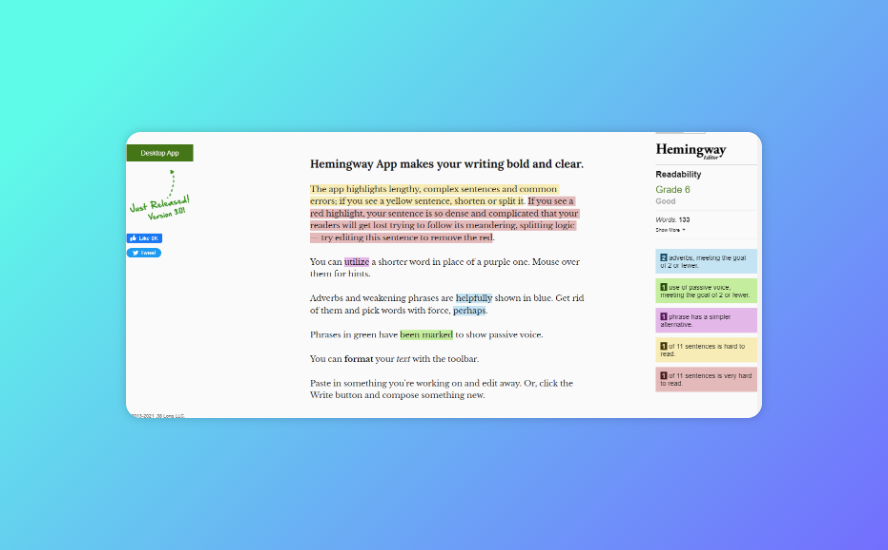
One of the best content writing tools, Hemingway is just what you need whether you’re a starter or a professional. This is a distraction-free writing app that lets you remain focused on your idea and put them down on paper (or screen, rather) without having to stop to look left or right.
While you’re in the zone and racing your fingers over the keyboard, looking out for the comma in that complex sentence is something that you might miss or could break your flow. This is why you choose to write in Hemingway which does the job for you.
‘Pure writing flow’ Yes, Ilys guarantees this because it is programmed like this. Ilys is a very effective writing tool for practically everybody but is probably also harder on you than your gym coach. You are, however, grateful to them for keeping you in that routine when you see results, right?
You will be grateful to Ilys too. You have to feed in your target word count, which Ilys will lock, implying that you cannot stop writing until the word count is reached. It does not allow you to delete, go back, or edit before you reach that target.
Once done, you have complete freedom to edit as you like. Ilys does this so that you can form a good habit, dear writer, to keep the processes separate and improve your flow, helping you create long-form content and time management skills.
SEO storytelling for content marketing is an art form. Whether you’re a college student writing a research paper, or the CEO of a thriving content agency who’s mastered the art of writing, your key tool before you write is to read. I know it because I read it before I wrote this piece.
The same piece is now furnished properly and is at your disposal to scroll through. That blank page holds umpteen possibilities for different writers, but more often than not, it starts in a similar way for most of them, with the constant blinking of that intimidating cursor. There are various challenges that you must have faced and probably continue to face as you sit down to write.
This becomes very creatively draining since it is not easy to generate new ideas on a regular basis and to create spot-on content for your user. However, you and I, both know that this is no excuse either. So, here are some of the best content writing tools that industry experts stand by to improve content writing skills to keep you well informed and ideating.
6. Feedly
Like they say, ‘Be in the know.’ Feedly is a news aggregator application that operates across various devices running on Android and iOS and also has a cloud service. This tool keeps you up-to-date with everything from the latest blog post of your competitor to the newly uploaded YouTube video of your favorite channel.
With its easy availability and accessibility, you can go through important feeds and trending topics to know what you should be creating your content on, next.
This is what your display will look like. You have the selected categories and other user options along the left column and your daily digest will appear on the main screen.
An extremely useful tool with omnipresence on the Internet, RSS Feed Reader monitors a massive range of online information sources to see what is changing and constantly being updated.
It allows a user to monitor news sites, blogs, Twitter or Facebook pages, financial information, daily deals, classified sites, and government alerts, to name just a few. It is, however, often misunderstood for its purpose. So, consider this – RSS is basically your personal spy.
There is no point in subscribing to all those web sources if you cannot keep track of their new updates/posts. By subscribing to the RSS feed of a website, you take that extra step ahead. The browser monitors the site and alerts you every time there is an update while keeping your private information safe.
So, be it a conversation with your friend over a coffee or your next content topic, you are soundly prepared.
What the Internet is about right now.’ Clear from its tagline, Digg is another news aggregator website that is designed to keep up with the most trending topics for an Internet audience. This is one of the best apps for social news.
By following Digg, you are making sure that you never miss out on the most happening and potential topics that your content can cover.
Yes, they have an exclusive section on Donald Trump too.
The name sounds simple, doesn’t it? Well, what this tool does is incredibly helpful. It analyses how trending a particular topic is on the basis of the frequency of Google searches made around the world.
It calculates and gives you results based on time (year-wise), location, and also by category. For instance, the most searched topic currently, across most parts of the world, is the FIFA World Cup. Makes sense, doesn’t it?
Google Trends also provides a feature to compare the trends of the different keyword(s) or topic searches against each other to get a sense of their popularity or similarity and differences among those.
Modify your target keywords and seed keywords and you can strategize on the basis of these trends and fill the existing gaps with your content. So, here you know which medium of marketing is better preferred.
This is your analytics tool to analyze social networking sites for specific hashtags, keywords, posts, etc.
Keyhole does a complete timeline check to show you the popularity of a particular topic. It also gives you related topics, top user postings, location-based results, and so on.
Researched and written, your content piece is now ready. But, the process does not just end there. You need to publish and ensure your landing page has an effective reach, right?
For this, we have compiled a list of platforms that help you publish your content online in a user-friendly and optimized manner, so as to strengthen your current user base and attract new ones.
These people have taken content marketing to a whole new level with a will to genuinely interest their users, and not impose upon them. Outbrain taps into the user’s mind and actually engages them with content that is appealing and engrossing.
Theirs is a content recommendation platform that puts the word out about your brand on many web publishing sites.
Their key focus is to keep the user/viewer engaged and on-site for as long as possible. In the words of David Sassoon, the Founding COO, “Algorithmically, at Outbrain, what we’ve really been trying to tackle is how do you… power serendipity through data.” Sounds amazing, doesn’t it? They are your go-to people to help you spread the word.
“Don’t just promote your content, use it to build relationships.” Like Outbrain, OneSpot has a similar agendum – engage with your user repeatedly to build a relationship.
They believe in not only distributing content as far and wide as possible but also in holding on to your existing customer base by delivering personalized and preferred content. They “remarket” content recommendations across digital devices, making you the user’s favorite stop for relatable and desired content.
“CodeFuel is a key ingredient when it comes to content marketing, in making the Internet accessible for everyone through intelligent advertising.” Makes it clear what they do, does it not? CodeFuel is another one of those big names in this domain that helps brands and organizations scale their product by laying emphasis on user needs.
Adam Goodvach, the company’s business development VP, says, “What we’re focusing on is the intent of the user.” By providing relevance, they draw on their user’s interests, and by delivering analytics that wraps ad units in a simple manner, they keep the publisher updated with how they’re being interacted with.
Acrolinx is the only software in this domain that is powered by AI and uses techniques like natural language processing as part of the larger process of machine learning. It understands your content, evaluates it, and then guides you to optimize it in a way to reach a user base that will find applicability in your content.
From guiding the writer with grammar and tone to ensuring ROI, Acrolinx is an SEO tool that heavily enhances your entire content marketing and content writing process. Acrolinx has been chosen by some of the world’s most powerful brands and organizations, creating suitable and high-performing content for them.
Similar to Acrolinx, Percussion is a content management and development system that helps you boost your strategy and take control of your website. Helping you to revamp your website without you having the technical skills for it, they “focus on getting the right digital content to the right channel at the right time.”
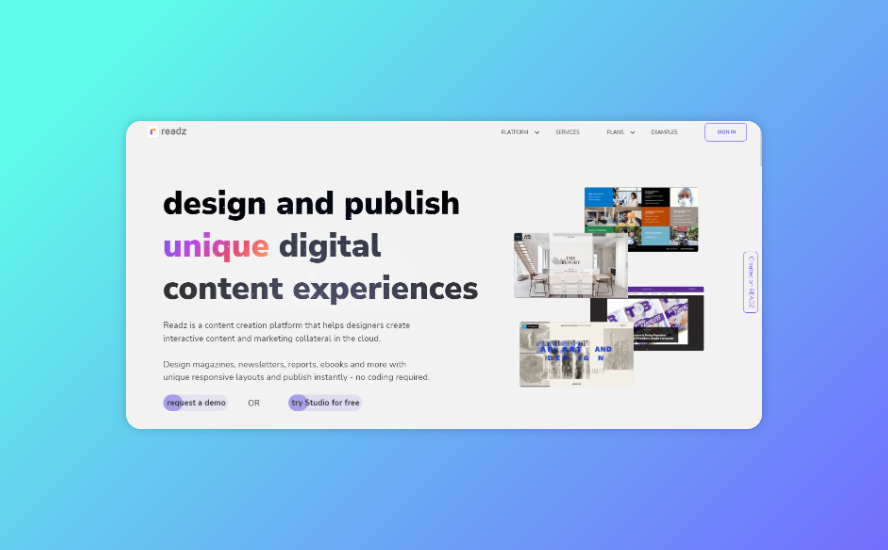
This is a digital publishing software that helps you create and publish your content with the right visual appeal. Like they say, ‘Experience limitless web publishing.’ They do not restrict you with templates; they allow you all the free space you need to create your design.
Their main goal is to help you build and publish effectively and consistently, gaining the desired results.
So, these are the best content writing tools for researching, curating, and writing great content. We hope that these state-of-the-art tools equip you to upgrade your methods and get better returns. Happy marketing!
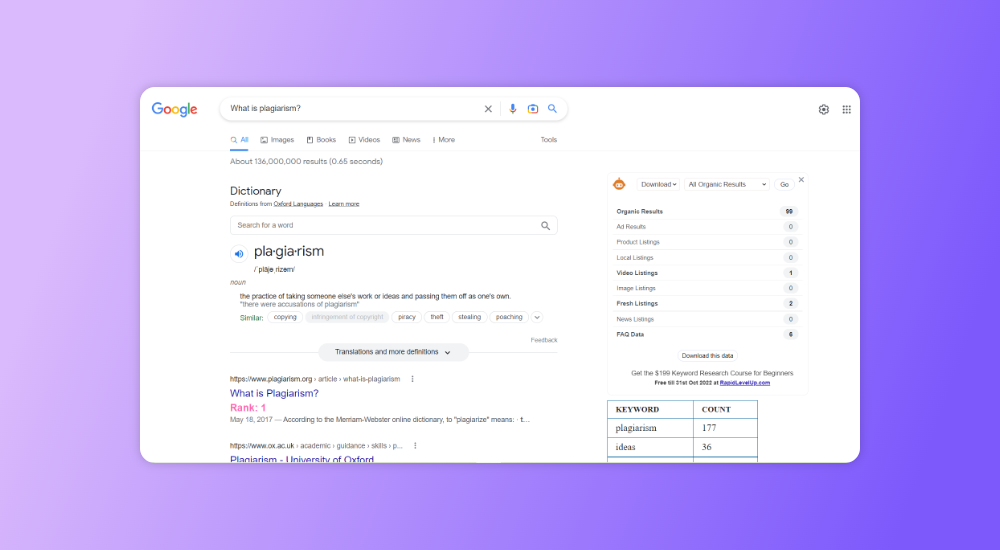
Plagiarism is the easiest way to have your content dismissed. It’s when you take others’ words or ideas and pass them off as your own. When you plagiarise an article, you take full credit for its originality rather than crediting its author. However, to know how to avoid plagiarism, you should be aware of the different types of plagiarism.
In essence, it is a type of intellectual theft, and be it academic writing or website content, it is also considered an offense that is punishable by law.
Duplicate content is thus something that must be avoided at any cost while creating content. Read on to find out more.
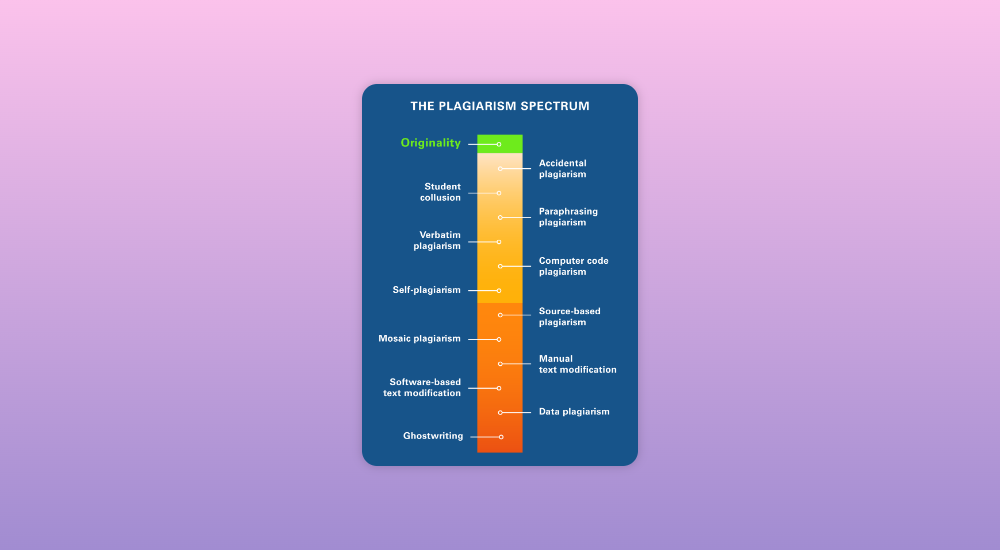
Types of Plagiarism
There are different types of plagiarism that occur these days like:
1. Complete Plagiarism
This is when you simply copy-paste an article word-by-word. It’s basically stealing someone’s work in its entirety and putting it under your own name without editing it, and without any change to its language, the flow of the statements, or any other part of the article.
2. Partial Plagiarism
Partial plagiarism is when you copy sections of information or data from different sources and combine them to make up your own unique article. It’s taking ideas from various sources instead of a single one, unlike complete plagiarism.
It involves changing up the flow of the content, but without any change to the sentence structure, all in an attempt to make your content seem ‘different enough.’
3. Lazy Plagiarism
Lazy plagiarism is sloppy plagiarism. An excellent example of this is when someone takes notes directly from a lecture and doesn’t put the footnotes in quotations or cite the sources.
5 Reasons Why Writers Opt For Plagiarism
When we’re talking about article writing, it is easy to fall into the trap of plagiarism for several reasons. The most common reason is a lack of confidence, which translates into a lack of originality.
This is how writers fall into the trap of using the ‘skyscraper technique’ where they use the original content as the baseline for their research and try to improve it.
Some of the other reasons why writers fall into the plagiarism trap are-
• Lack of time management skills – They simply don’t know how to manage their time and rush through deadlines.
• Laziness – Some writers are lazy and unwilling to put in the work required to curate an original content piece. This is where hiring content writing services can help.
• Pressure to Succeed – If the article is written meant for the purpose of a grade or meeting a milestone, the pressure to write can become too daunting. This is why some academic writers don’t thrive under pressure and end up plagiarising content.
• Too many resources – The internet is filled with many websites and resources from where writers can gather info. Sometimes this can become too much, and writers end up not knowing what to pick or ignore.
• They just didn’t know– If the writer is new to academic writing or citing sources, they may plagiarise information without even knowing that they’re doing it and that it’s an unacceptable practice.
Know How to Avoid Plagiarism For Getting Better Results
If you’re not blatantly paraphrasing someone’s work or stealing ideas but using their material for research purposes, you’re doing okay. What this means is you write in your own words, without copying other’s ideas line-by-line, nor taking apart their flow.
If your new article looks completely different from the piece you’re relying on for your research, then that won’t count as duplicate content.
We get into more about how to write unique content without plagiarism below. Here are some tips and tactics.
1. Understand What You Write About
Understand the topic you’re writing about. Don’t simply copy-paste ideas or rip them off. Make sure you cite your sources if you’re taking out any quotes or passages from your research papers.
2. Use Content Writing Services
You can consider freelance content writing services as a great of providing you with content while saving you a great deal of time and stress. While it will cost you, you can be assured of the quality of the content you receive – it will be edited, checked for plagiarism, and thus absolutely original.
3. Use A Plagiarism Checker
Using tools like Copyscape and Grammarly is a great way to ensure what you write is truly original and not plagiarised.
4. Mention Your References
If you end up taking someone’s ideas, it’s an accepted practice to cite them in your list of references. By doing this, you ensure that you’re crediting the author of the content you’re relying on for their work.
Content writing in India is a growing niche, and there are many talented content writers who are well-versed in plagiarism laws these days. Hiring content writing services can make researching your papers a lot easier and save you money too. Because at the end of the day, blatant copying can end up getting you sued and your content dismissed.