Category: Content Marketing

  • Lifestyle Content Marketing: 7 Best Examples To Learn From

    Lifestyle Content Marketing: 7 Best Examples To Learn From

    Lifestyle marketing is a powerful approach that resonates deeply with consumers by aligning products and brands with their personal aspirations and values. This method goes beyond traditional marketing, which often focuses solely on product attributes or price, to create a connection that encompasses the consumer’s entire lifestyle.

    Understanding Lifestyle Marketing:

    Lifestyle marketing builds on the idea that a brand can become an integral part of a consumer’s identity—reflecting their hobbies, beliefs, and societal values. It aims to celebrate and enhance the desired lifestyles of its audience, positioning the brand as a key component in achieving those aspirations.

    For instance, the global wellness industry, encompassing lifestyle products and services, is expected to reach $1.5 trillion by end of 2024, according to McKinsey. This growth highlights the increasing importance of lifestyle choices in consumer behavior. Factors like geography, demographics, social norms, and personal values play significant roles in shaping these choices, making them key considerations in lifestyle marketing.

    Modern Trends in Lifestyle Marketing

    Today’s consumers are looking for brands that not only meet their aesthetic and functional needs but also mirror their ethical and environmental values. About 88% of consumers express a preference for brands that promote environmental friendliness and ethical practices, underscoring the shift towards more socially responsible marketing.

    Accenture’s report supports this trend, noting that 63% of consumers are more likely to purchase from brands that reflect their own beliefs and values. This connection suggests that modern lifestyle marketing should focus on establishing an aspirational lifestyle that appeals to the brand’s target audience, supported by products that embody these ideals.

    Successful Examples:
    Brands like Nike and Adidas exemplify this approach by encouraging a healthy, active lifestyle through their stylish, functional athletic wear. By doing so, they do not just sell products; they promote a way of life that is attractive to their customers, thereby fostering a deeper brand connection and loyalty.

    In summary, lifestyle marketing offers a strategic advantage by integrating a brand into the consumer’s personal and aspirational lifestyle, making it more than just a choice of product but a part of their identity and daily life. This marketing approach not only elevates brand perception but also enhances customer loyalty and advocacy.

    Top 7 Lifestyle Content Marketing Examples You Should Know

    1. Vogue

    How do they do it? : Their content is relatable and engaging

    What kind of content works for them? : Blog posts and videos

    Why it’s a hit? : The readers can apply the content to their life

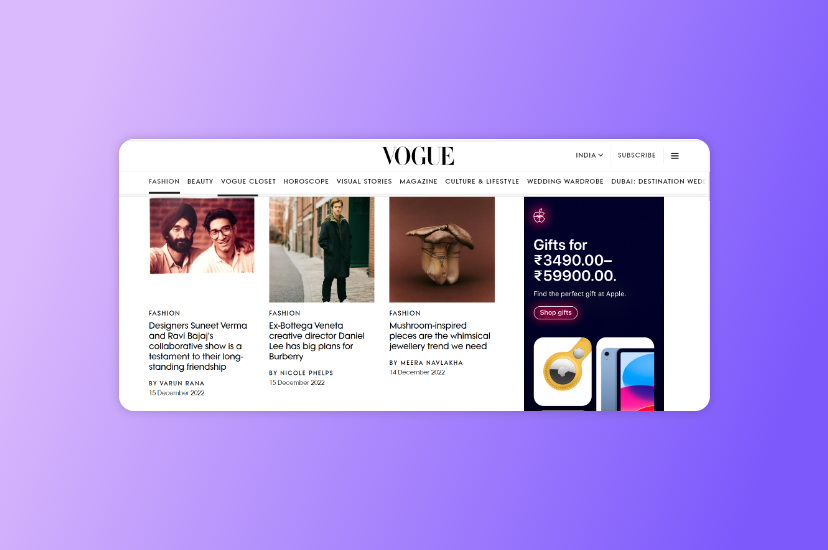
    Vogue, the fashion bible, has managed to keep its magazine brand sailing afloat in this digital age with the help of the right content marketing. Their website is intensively Search Engine Optimized (SEO) which gave them 40% of their visitors.

    Vogue, through its blogs and articles on its website, targets its readers with its daily dose of content. The content is relatable and keeps the readers asking for more. A special column dedicated to “How to” for readers to learn trends they can apply to their daily lives.

    Apart from the blogs, they have also been asking their subscribers for stories of the experiences they had when they first got their Vogue issue keeping their readers engaged.
    Vogue

    2. Apple

    How do they do it? : Selective Content pieces

    What kind of content works for them? : Chic, tech-driven and UGC

    Why it’s a hit? : The content is backed by powerful legacy brand name, a new design language
    Apple

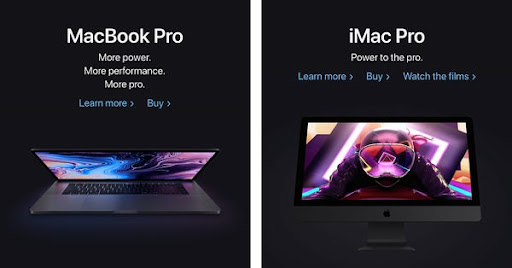
    Apple products have transcended their original status as mere gadgets to become symbols of prestige and innovation. This transformation is largely due to Apple’s customer-centric approach, which prioritizes a clean, ingenious, and innovative technology environment. Apple’s marketing strategies and product design philosophies focus not just on functionality but also on the empowerment of its users.

    There branding strategy not only differentiates Apple from its competitors but also cultivates a loyal customer base that views Apple products as essential to a lifestyle that values creativity and empowerment.

    3. Zomato

    How do they do it? : Content based on trending topics

    What kind of content works for them? : Funny and Quick-witted content

    Why it’s a hit? : The content has a powerful SEO and is very interactive

    Zomato, an online directory to find restaurants around you, operates in 23 countries. Zomato is acing at the Content Marketing game with its Bold, Quirky, and Quick-witted content.

    It is ranked 175 in India’s Alexa rating with a strong Search Engine Optimisation (SEO) that gets 60% of its visitors to the website.

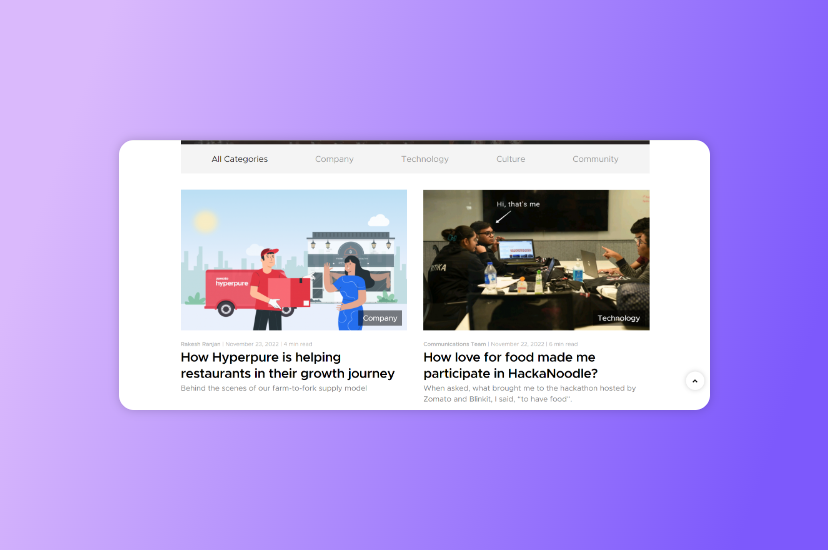
    The content is usually about trending topics & news, making it relatable to the audience. They understand their audience; they keep them engaged by reaching out to them & with their creative content by giving them exactly what they need.

    Tempting pictures of delicious food, quirky blog posts, and witty comebacks have made them one of the best. Zomato’s strategy focuses on using more images on all social media channels. Their content is entertaining, fresh, and relatable. It engages the audience. They make use of every opportunity.
    Zomato Blog

    4. Red Bull

    How do they do it? : Appeals to the audience through content on great adventures

    What kind of content works for them? : Blogs, videos, and extreme sports

    Why it’s a hit? : There is no other close competition to their content genre

    Red Bull’s level of content marketing and its strategies have been unmatched for a while now. They took the highway and made their way with adrenaline-pumping content on adventure sports.

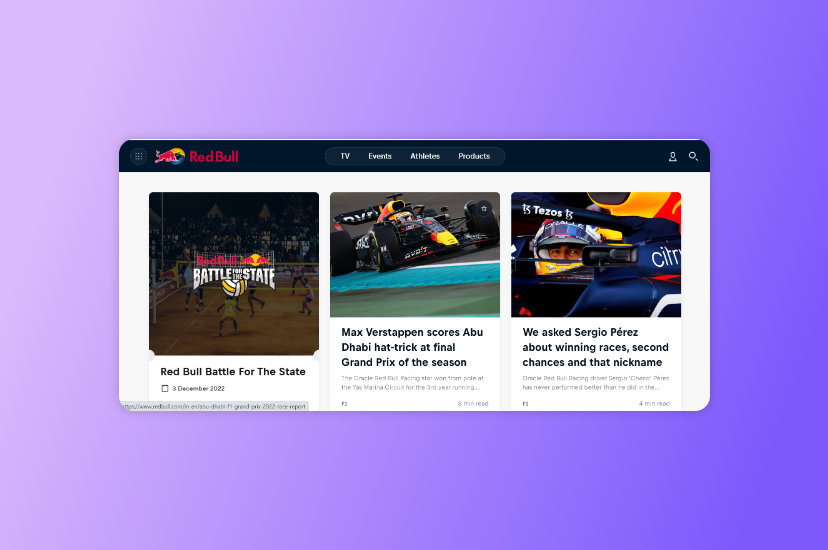
    The content on their website focuses on blogs, articles & videos with trending events and news about athletes and risk-takers on their website.

    They have followed their tagline in all their content creation “Red Bull gives you wings,” giving wings to Felix Baumgartner for his jump from the stratosphere.

    Red Bull also has a content pool, a website that provides high-quality stock photos and videos for editorial use by publishers, news agencies, TV stations, etc., often using a Red Bull logo somewhere in the content. This widens their marketing for their brand to other sources.
    Redbull stories

    5. Tanishq

    How do they do it? : By Building trust in their customers

    What kind of content works for them? : Blogs & videos focusing on togetherness and showing love through their products

    Why it’s a hit? : Powerful SEO brings 66% of their visitors

    Tanishq’s content marketing strategies shine out with their uniqueness, like their jewelry. They have experimented with their content but mostly cashing in on the emotions and trust of their customers through videos with stories.

    Their aim has always been to build a connection with their audience by engaging them through storytelling or by asking them to share their story.

    Their jewelry brand Mia also had a campaign along with a contest where they encouraged women to share stories of their work life on various social media platforms. The content comprised some DIY tips and short films.

    The content that excelled the most on their website was the ‘Tanishq Promises’, where they got their employees in front of the camera sharing their stories, and experiences along with answering questions that every customer has in their mind about the quality, purity, clarity, craftsmanship, and more. This content eventually helped in building trust in their audience.
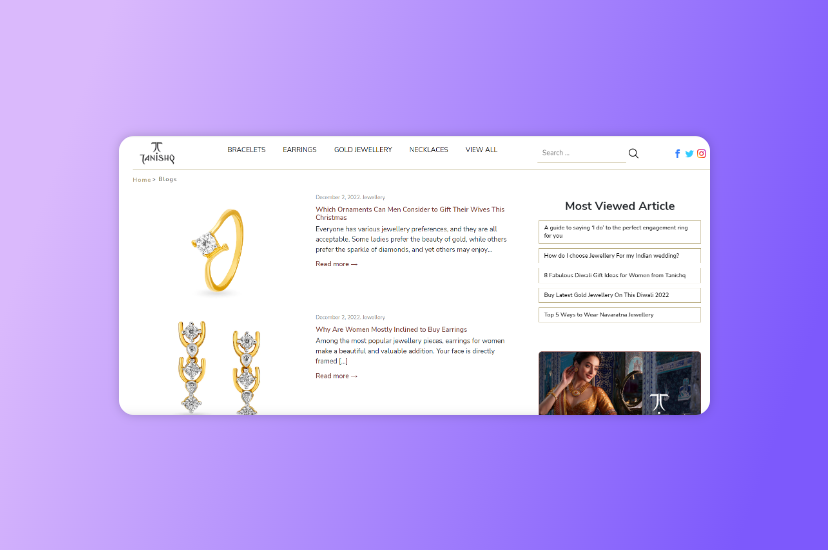
    Tanishq Blogs

    6. Koovs

    How do they do it? : Makes their product more appealing with the content

    What kind of content works for them? : Blogs and social media posts

    Why it’s a hit? : Refreshing ideas and blogs

    Koovs, an online fashion store, has been trending in fashion in India with its content marketing. They have collaborated with many Fashion Bloggers on social media who create content in styling and DIY.

    Their onsite blog gives ideas on how to wear an outfit, Mix & Match, and Places you could get similar celebrity outfits, as well as blogs with attractive titles like “NYE Looks to Die For,” which has led to its Alexa ranking in the Top 1000 in India.

    Koov’s latest campaign #Koovsxyou, is an interesting one, where you upload a picture wearing an outfit from Koovs on your Instagram while tagging them, and they put it up on their website engage the audience.
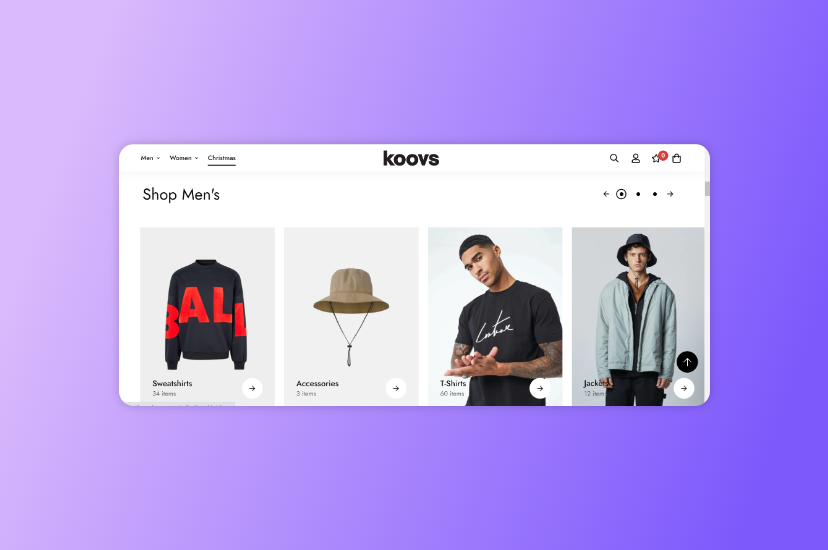
    Koovs

    7. MakeMyTrip

    How do they do it? : Storytelling

    What kind of content works for them? : Blogs, articles, and videos.

    Why it’s a hit? : The content is easy to very access and categorized

    Make My Trip an Indian Online travel company aligned all its content marketing to fit the three pillars, which are: Inspire, Travel Discovery, and Demonstrate. They have an Alexa ranking of 64 in India.

    Their blog posts are rich in content and attractively titled, such as “10 Laid-Back Weekend Road Trips from Delhi” They made their content for all sorts of trips that you will be tempted to read or watch even if you aren’t going on a trip

    Suggested Reading: Top 10 Content Writing and Marketing Courses With Certifications

    Their storytelling captures ‘Customer First Stories’ with the happy stories of customers, where they address specific hurdles that MakeMyTrip sorted out, enabling a hassle-free journey.
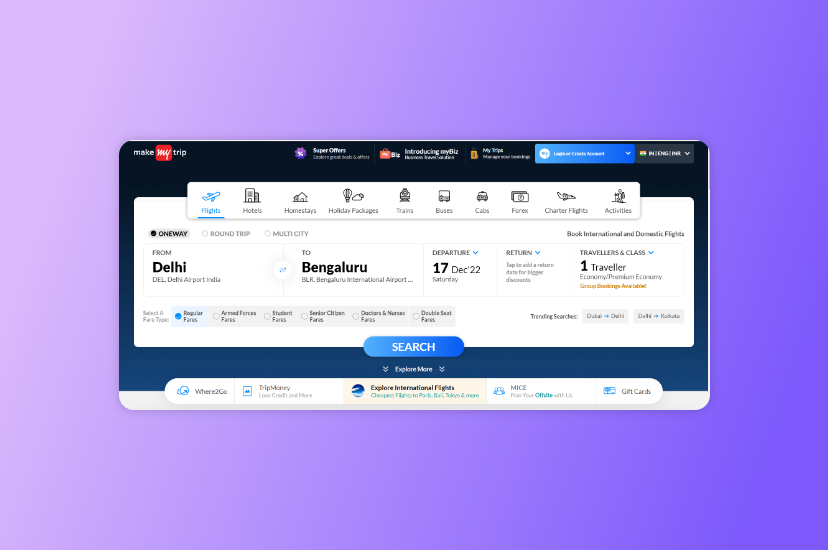
    MakeMyTrip

    8. Ixigo

    How do they do it? : Creative budget content

    What kind of content works for them? : Travel stories and visuals

    Why it’s a hit? : They give importance to their content

    Ixigo, is a travel search marketplace connecting over 70 million travelers with content & deals. They have achieved 46% visitors because of a good SEO.

    Ixigo has been a leader in content marketing for creating viral content out of shoe string budget, and if they can, so can you. The content marketing team has been using creative content, visuals, and videos to increase their user base.

    As Aashish Chopra, Head-Content Marketing, ixigo.com said, “In today’s fast-evolving digital landscape, social media strategy for any brand revolves around remarkable content. Content must be compelling and share ­worthy, period. Every brand today is turning into a media company,”

    ixigo

    Over to you

    The businesses in Lifestyle, most of them are aware of what the audience wants, and they provide them with that, but the reason that these brands are doing much better than any of the others is that they are doing it differently.

    They have experimented and included their product as well as their brand’s personality in their marketing and the way they want to present it. Strategic content marketing is the key to getting better at it.

  • 9 Best Content Marketing Ideas to Inspire You

    9 Best Content Marketing Ideas to Inspire You

    The power of content marketing is undeniable. 

    According to research, 77% of companies that succeeded the most in content marketing plan to increase their budgets in 2023. This proves that content marketing is incredibly effective when done right. 

    However, you need a competitive edge along with consistent efforts to dwell in today’s industry. 

    In this blog post, you can learn from some of the finest content marketing ideas. Let this be the year you stand out from the crowd in the content ecosystem.

    Importance of Content Marketing 

    1. Brand Awareness: Providing valuable and beneficial information that addresses customer needs and pain points helps increase brand awareness.
    1. Customer Engagement: Content has the potential to create a conversation and, therefore, enhance customer engagement. 
    1. Search Visibility: Creating optimized content improves search visibility, rankings, and traffic.
    1. Lead Generation: Compelling content can also drive leads. Once you provide them with the knowledge they need to make an informed purchase decision, guiding them with a call to action is almost effortless. 
    1. Thought Leadership: High-quality and authoritative content can position your brand as a thought leader in the industry. 

    Cost-effective: Finally, in terms of budget, content marketing is much more cost-effective compared to other forms of marketing.

    Let’s take a look at some of the most influential content marketing ideas. 

    9 Best Content Marketing Ideas For the Marketers

    Whether a small business or a large, well-established firm, your content marketing strategy must be efficient enough to reach the right audience. 

    1. Atlassian – Inspiring Work Life Content

    Atlassian’s team collaboration software, like Jira, Confluence, and Trello, aids teams in organizing and managing work.

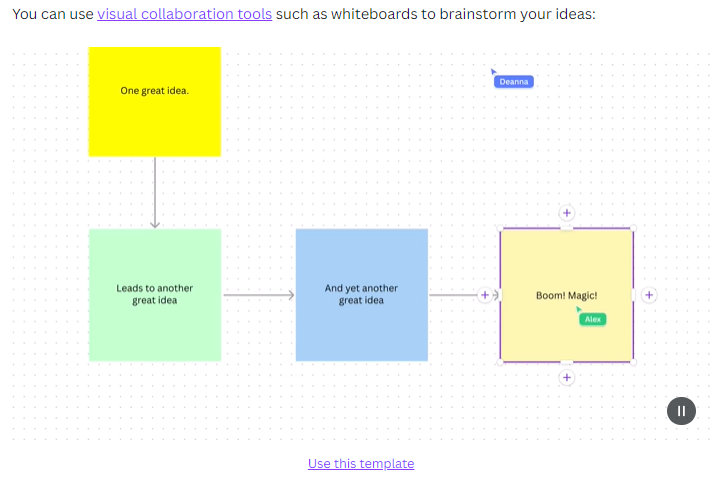
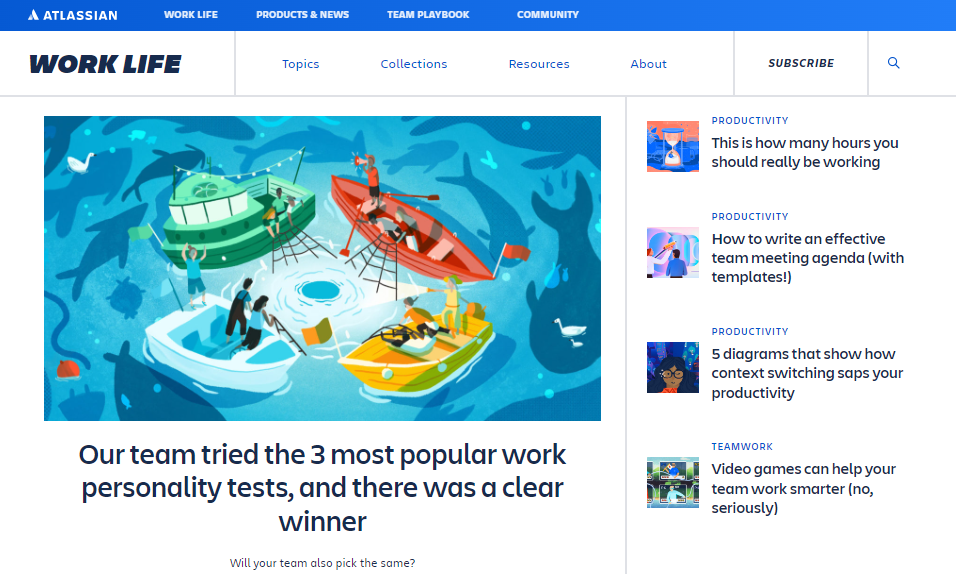
    The blog Work Life by Atlassian is an interesting space that examines vital aspects of teamwork, leadership, strategy, productivity, etc. It goes deeper than just tips and trends. The blog brings out real work scenarios and even takes on a storytelling approach in several articles. 

    Atlassian

    It offers more than you would expect by sharing content about productivity on topics like This is how many hours you should really be working.

    Neither does it hold back when it comes to the leadership category by bringing forth articles such as When a healthy ego goes rogue, hubris syndrome lurks. 

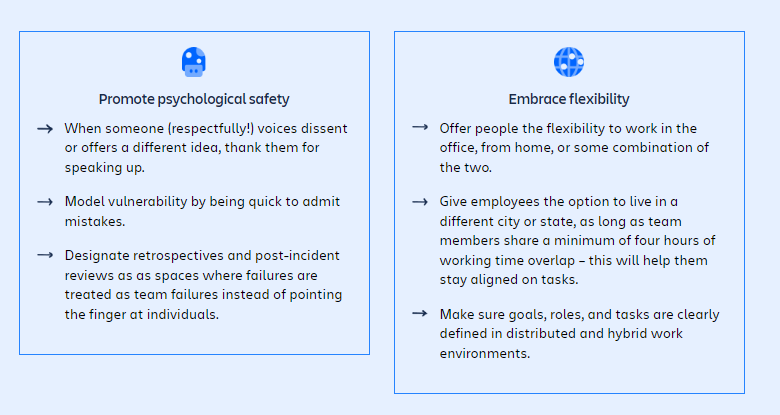
    It also presents intriguing reports and guides. One such is The State of Teams 2022, which shares data-driven insights for leaders to cultivate more satisfied, higher-performing teams. The research recommended various factors such as psychological safety, workplace flexibility, ways to prevent burnout, etc. 

    Source

    Additionally, it shares podcasts such as Teamistry and Work Check. While Teamistry talks about stories of inspiring teams who work behind the scenes to deliver outstanding results, the latter debates workplace practices. 

    Atlassian addresses some of the most pertinent issues of work-life today through its content. 

    Source

    1. Google Web Stories – Interactive Content 

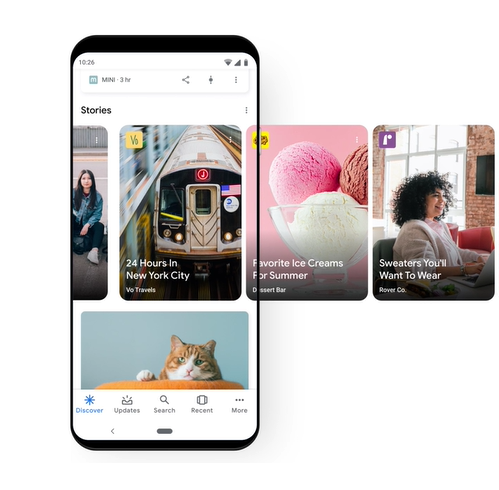
    Google Web Stories lets content creators make short and interactive stories. It is the web-based version of the famous Story format.

    By leveraging Web Stories, marketers can engage their audience with their product or service in a more appealing way. The stories are customizable, and creators can explore various design aspects to create immersive experiences for the viewers. 

    The best part is that they can publish it on their own site. The stories also appear in Google Search results and as carousels in Google Discover. 

    Moreover, web stories can be monetized, and they can include ads as well as affiliate links.

    Google Web Stories provides a unique way for marketers to create content that engages their audience. 

    Source

    1. HubSpot – A World of Credible Content: Blog Posts + Videos + Ebooks & More

    HubSpot is a marketing, sales, and customer service platform that helps companies grow efficiently. It can be considered somewhat of an all-rounder when it comes to a content marketing plan. It has a diverse portfolio of various forms of content, such as blogs, videos, podcasts, newsletters, and resources. Let’s take a quick look at a few of these. 

    The HubSpot Blog 

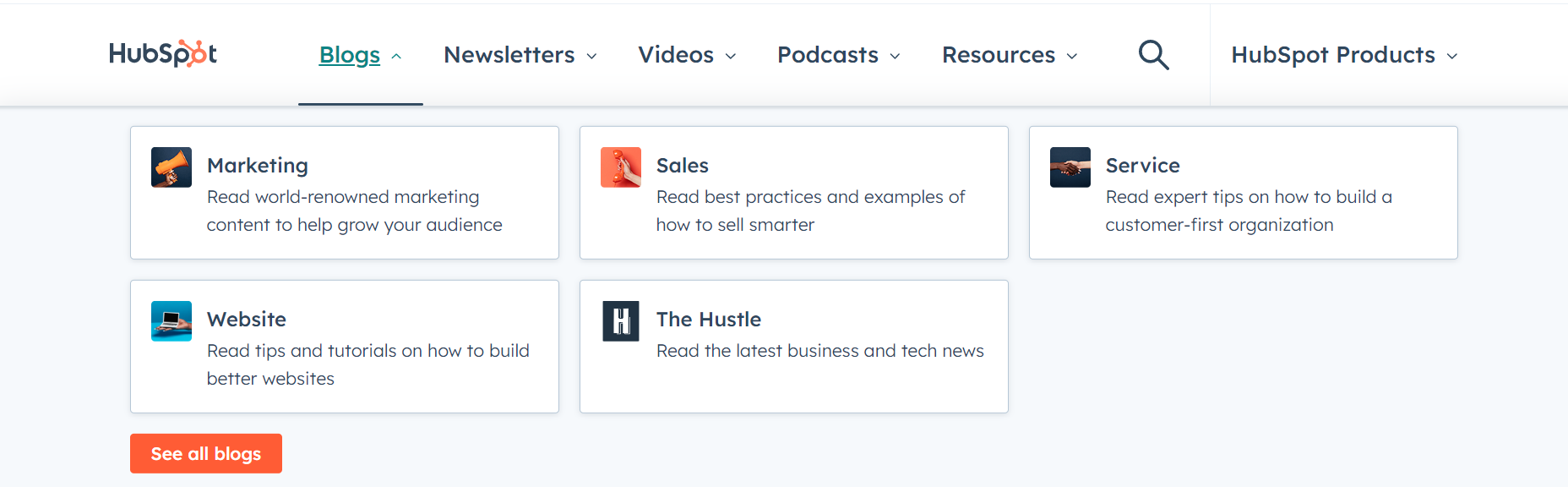
    The blog is segregated into the following categories: Marketing, Sales, Service, Website, and Business and Tech news. This segmentation enables HubSpot to capture leads from different segments of its readers. HubSpot has products for each of these categories. Therefore, based on which lead engages with which category, it can generate a suitable strategy for pursuing them. 

    Hence, the blog is not only providing valuable information but also raising their chances of converting lead into a customer.

    hubspot blogs

    Apart from this, each blog post is well-researched and skillfully written, from how-to articles to listicles to detailed guides.

    Most importantly, HubSpot employs a thought-leadership approach. The HubSpot Blog is one of the most trusted resources of information for marketers. It explains elaborate concepts in simplified ways and terms with insightful data. 

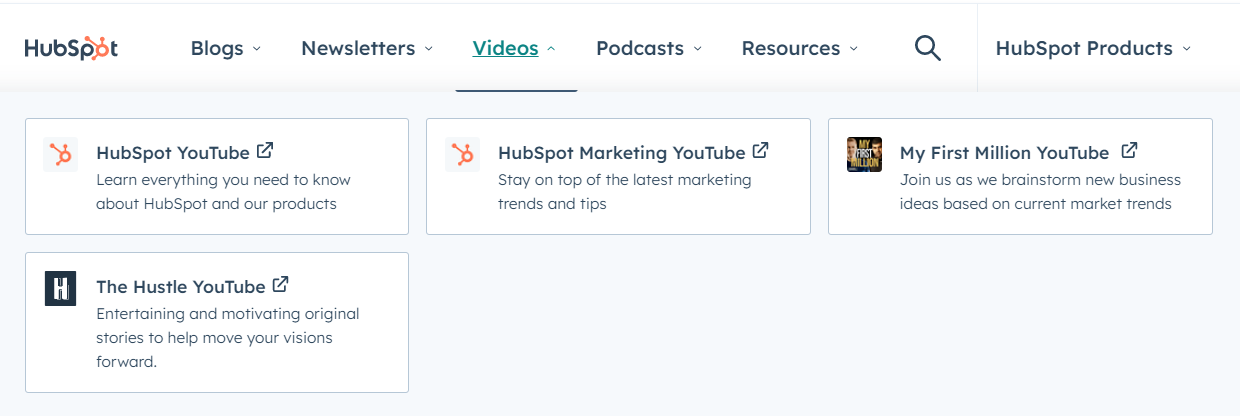
    HubSpot Videos

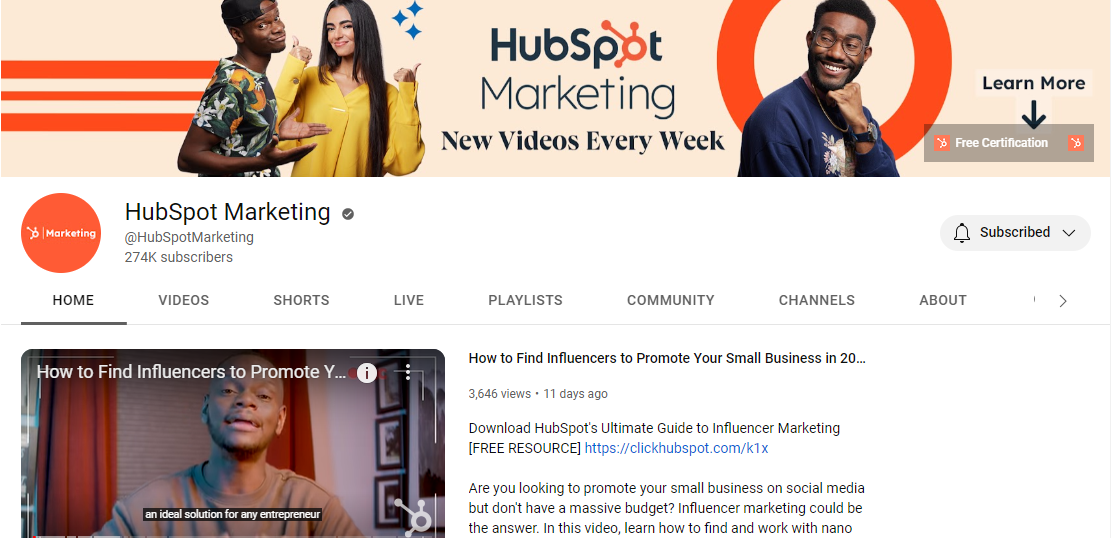
    HubSpot segments its video content as well into relevant YouTube channels. 

    This is also where content repurposing comes into the picture. It repurposes several blog posts into videos. 

    Source

    HubSpot Resources 

    72% of marketers convey that content marketing aids in educating the audience. 

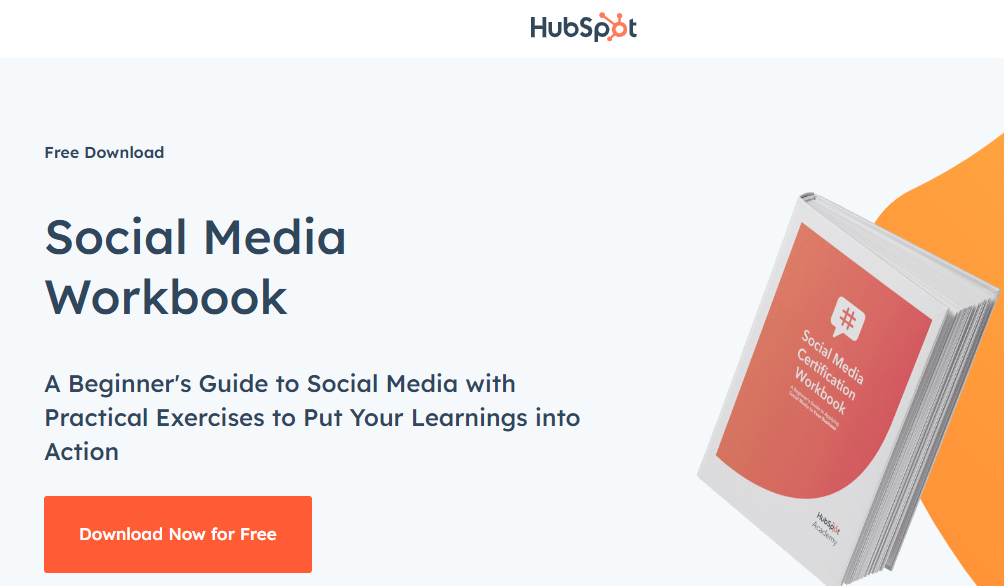
    HubSpot Resources are a combination of free courses and certifications (HubSpot Academy) along with ebooks and guides. 

    The aim of the HubSpot Academy is to educate the audience and position itself as an authoritative resource in the industry. Viewers are subtly guided to use HubSpot’s tools to practice what they have learned. 

    HubSpot has an endless amount of valuable content to offer in different forms and has worked to create a world of content —promotional perhaps but yet educational and, most significantly, credible. 

    1. Canva – Creative Content: UGC + Blog Posts & More

    Canva is an online graphic design tool that can be used to create social media posts, posters, videos, logos, etc.

    The tool leverages the power of content on social media very effectively. 

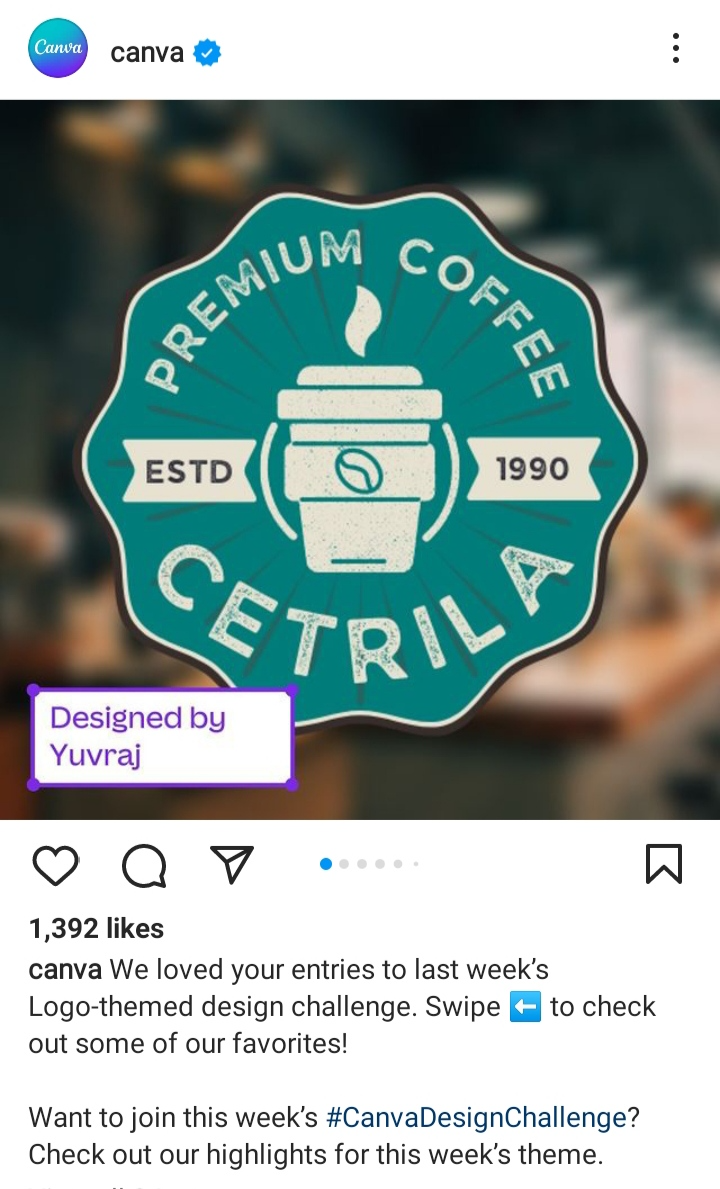
    The brand created the #CanvaDesignChallenge – a weekly theme contest for users to create a design. At the end of each week, the Canva team would select the top five. Prizes such as one-year subscriptions to Canva Pro were handed out. 

    An excellent idea for developing user-generated content. 

    This also reinforces what Canva as a brand believes in – that everyone has the ability to design. 

    Canva’s Blog is also curated well and focuses on helping users learn. It shares detailed guides on designing, marketing, and branding. It also strategically includes links to its tools within articles and supplies beneficial information on how you could use them. The brand seizes every chance obtained to drive leads. 

    Source

    Other forms of their content are also placed within their articles, such as their YouTube videos. The brand shares videos on new feature tutorials, Canva team tips, design stories, business branding, and more. 

    With an impressive website, blog, YouTube channel, and social media presence with enticing challenges to engage users, Canva is a step ahead of its competitors. 

    seo content writing services
    1. Dove – Compelling Video Content

    According to research, 91% of businesses will use videos as a marketing tool in 2023. Dove consistently uses video content as a powerful marketing tool to convey meaningful messages and, in turn, promote its brand. 

    Dove’s #DetoxYourFeed campaign aims to empower girls by displaying the negative effects that social media influencers can have on them. 

    Dove released a short film called Toxic Influence. The Dove Self-Esteem Project invited mothers and their daughters to discuss beauty advice on social media. They were shocked to realize the amount of toxic advice young girls can be exposed to. 

    They encouraged them to unfollow anyone that doesn’t make them feel good about themselves and turn their social media feed into a positive space.

    Source

    1. Buffer – Insightful Content: Blog Posts + Podcasts

    Buffer is a social media marketing toolkit for businesses. It helps grow an audience organically. 

    The brand has gathered a notable collection of content. It has the Buffer Blog along with Buffer’s Social Media and Marketing Library.

    The concept of the online library allows Buffer to position itself as a source for all marketers seeking to achieve social media growth. It segments its library for each channel – Instagram, TikTok, Twitter, Facebook, LinkedIn, and Pinterest, giving marketers the opportunity to learn the specifics of each channel. 

    The Buffer Blog also diversifies itself into a Marketing Blog and an Open Culture Blog.

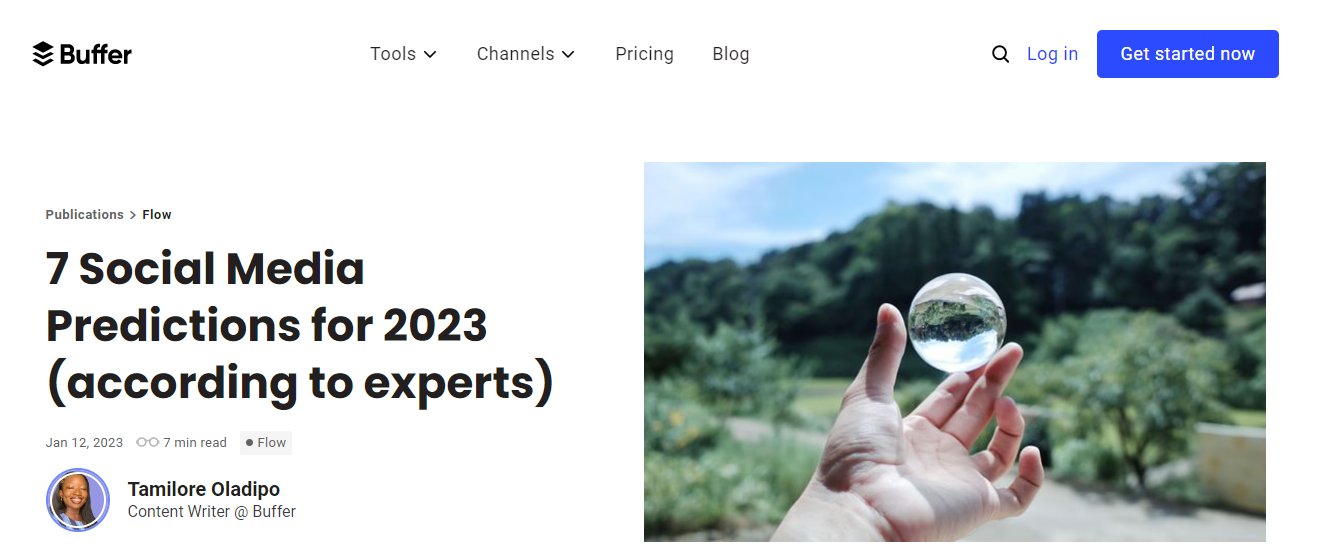
    The Marketing Blog, Flow, discusses marketing stories, trends, and techniques and teaches you how to drive engagement and get desirable results from social media.

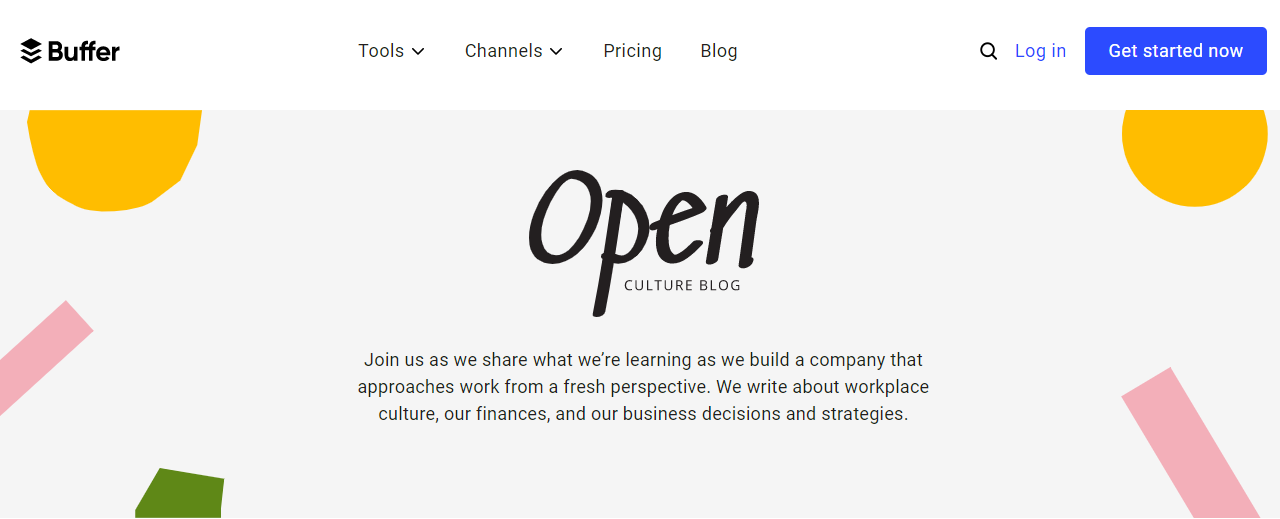
    The Open Culture Blog talks about Team Buffer, their workplace culture, business strategies, etc. This helps them to promote a good reputation for their brand.

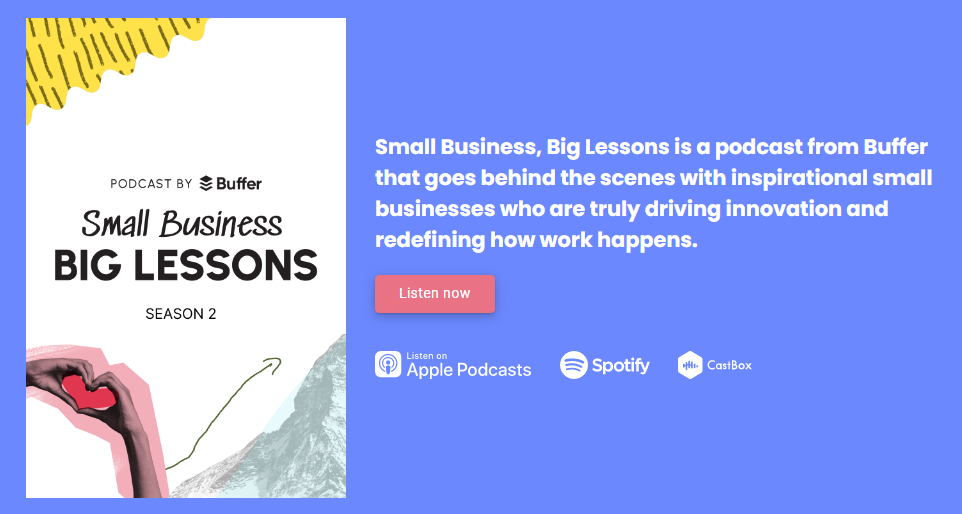
    In addition to this, it had a Podcast series called Small Business, Big Lessons. Though Podcasts may not be the main focus of their content marketing efforts, you do see the brand releasing podcasts at planned intervals. 

    Keeping another form of content as a supplement to your primary source can prove to be an effective technique. 

    1. Zomato – Engaging Social Media Content 

    Zomato is quite famous for its amusing advertisements.

    The copy is written in a way that connects with its target audience on a humorous note. Humor can be a strong instrument while sharing a message, and it helps to attract and engage an audience. 

    The company uses current situations, trends and ongoing popular conversations, and mainstream references to create interesting social media posts.

    Along with leveraging social media, it also engages in email marketing. It seeks insights from the consumer’s ordering behavior to target them with personalized content. 

    The brand stands out among competitors due to its widespread and innovative campaign ideas. 

    1. GoPro – High-Quality User-Generated Content

    GoPro sells versatile action cameras and related accessories. The content the brand shares through its social media channels focuses on the experiences its customers have rather than just the features of the products. This helps them to engage with the audience in a more gripping and non-promotional way. 

    Most of the user-generated content shared on their channels displays adventure and thrilling experiences. Through its content, the brand positions itself as a medium to capture and share moments rather than just a camera.

    1. Zendesk – Highly Data-Driven Content

    Zendesk is a CRM company designed to improve customer service, experience, and relationships. 

    Their content is based on providing solutions to their customers. The Zendesk Blog provides detailed articles with insights on Customer engagement, Customer support management, Customer support software, Sales analytics, Prospecting, etc., to build a cohesive space of valuable knowledge. 

    The platform focuses on quality over quantity. It addresses the needs of its target audience through its blog posts and shares actionable advice. The content topics is highly data-driven, and it has carefully curated articles for every category. 

    Closing Thoughts 

    All of the above examples have various insights you can learn from and use while brainstorming content ideas and approaches. 

    Creating high-quality, well-researched, and consistent content diversified through various forms establishes credibility, authority, and a high level of customer engagement.

    If you are looking for content writing services to help you create persuasive content to engage your target audience more effectively, connect with us today. 

    FAQs

    1. What are the various types of content?

    The following are the most common types of content:

    • Blog Posts
    • Videos
    • Podcasts
    • Emails
    • Social Media Content
    • Infographics 
    • Ebooks
    • Case Studies
    • White Papers
    1. What are some qualities of good content?

    High-quality content must be well-researched, engaging, compelling, valuable, and relevant to the target audience. 

    1. What is a content marketing strategy?

    Your brand’s content marketing strategy is essentially an approach that will help you plan, create and share content that is suitable for your target audience. 

    1. What are the main ideas for content marketing strategy?

    The following are the primary steps for creating a content marketing strategy:

    Step 1 – Identify Your Target Audience & Map Out Buyer Personas

    Step 2 – Conduct a Content Audit

    Step 3 – Establish Your Marketing Objectives

    Step 4 – Analyze Your Competitors

    Step 5 – Conduct Topic and Keyword Research

    Step 6 – Develop & Manage Your Content 

    Step 7 – Create a Content Calendar 

    Step 8 – Track Your Performance & Adjust as Needed

    1. What are the results or outcomes one can expect from content marketing?

    Here are some of the results or outcomes one can expect from content marketing depending on their goals and objectives:

    • Enhanced Brand Awareness
    • Increased Search Visibility
    • Customer Engagement
    • Lead Generation
    • Return on Investment
    • Authoritative Positioning in the Industry
  • 8 Newly Updated Content Marketing Books For Every Writer

    8 Newly Updated Content Marketing Books For Every Writer

    Content is the present and the future of marketing, and top organizations are prioritizing content marketing in their branding and outreach.

    Quality content doesn’t just enrich the brand’s marketing process but is also useful for all forms of marketing, like social media marketing, search engine optimization, public relations, inbound marketing, and other marketing strategies.

    There are many blogs, podcasts, and videos you can learn from today to help you become a better content marketer.

    Timeless Best Content Marketing Books You Must Read

    Dive into this curated list of 8 best content marketing books and content creation that are a must-read for the next generation of content marketers and writers.

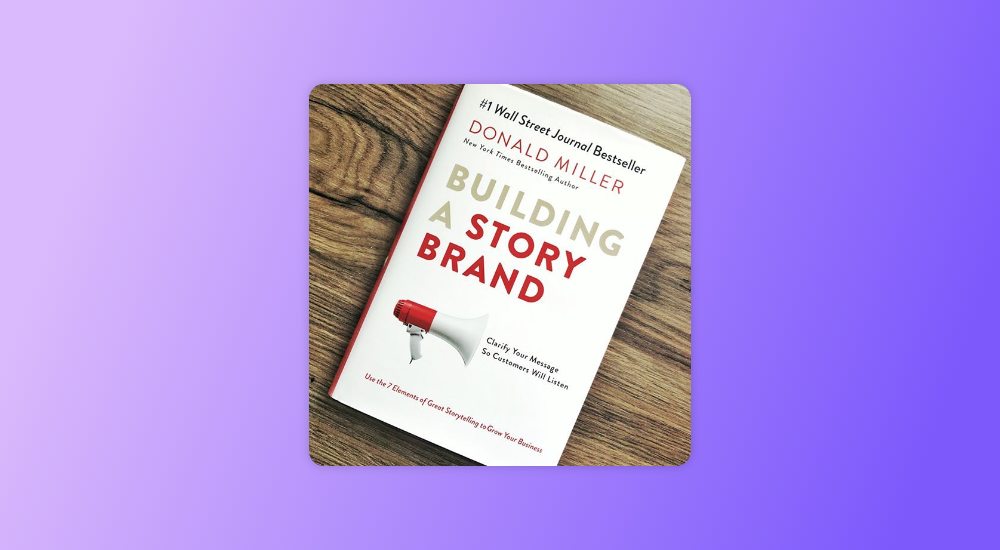
    1. Building A StoryBrand by Donald Miller

    Specifically focused on marketers and brand managers, this book by New York Times bestselling author Donald Miller uses the seven universal elements of compelling stories to improve customer connections and grow businesses. It is one of the best content marketing books in the market.

    Best Content marketing book - Building A StoryBrand by Donald Miller
    Building A StoryBrand by Donald Miller

    The book talks about the steps to building a brand using platforms like websites, brochures, and social media.

    This makes it perfect for beginners and those who want a refreshing look at digital marketing concepts. Building a StoryBrand will help you understand the tricks of the trade and how to create brand messaging that gets noticed.

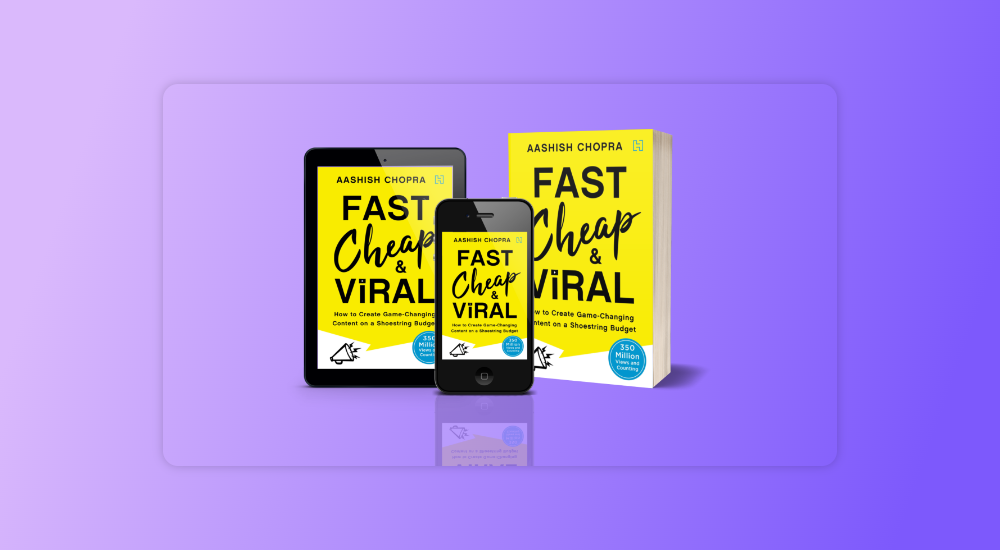
    2. Fast, Cheap & Viral by Aashish Chopra

    Aashish Chopra is an award-winning video maker and marketer who is also the VP of Content Marketing at ixigo.

    The author, whose videos have over 350 million views, shares the tricks he has cracked to create and market content that can go viral. This book can be a great option when it comes to selecting the best content marketing books.

    Best Content marketing book
    Fast, Cheap & Viral by Aashish Chopra

    The book is perfect for content marketers who are looking for ideas not just to create compelling content but also to communicate effectively. It shares insights about how content can be marketed to reach a massive audience on a shoestring budget.

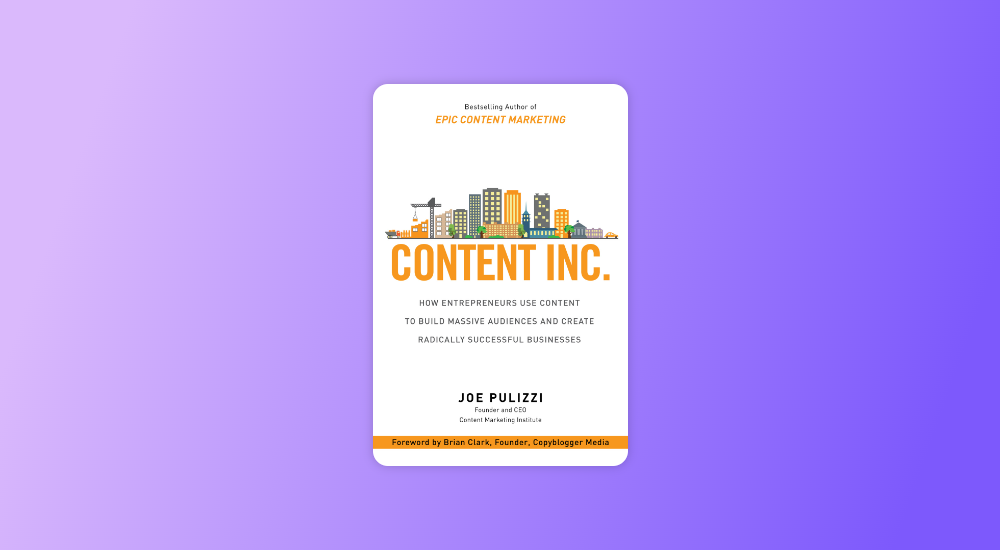
    3. Content Inc. by Joe Pulizzi

    Authored by the founder of the Content Marketing Institute, this book shares the strategies used by the most sought-after content-marketing experts. It reveals the six-step business-building process that can help enterprises and individuals successfully market their products or services.

    Best content marketing book - Content Inc by Joe Pulizzi
    Content Inc. by Joe Pulizzi

    What puts a stamp of authority on this book is the fact that Pulizzi has used the strategy for his own business, which landed on Inc. magazine’s list of fastest-growing private companies.

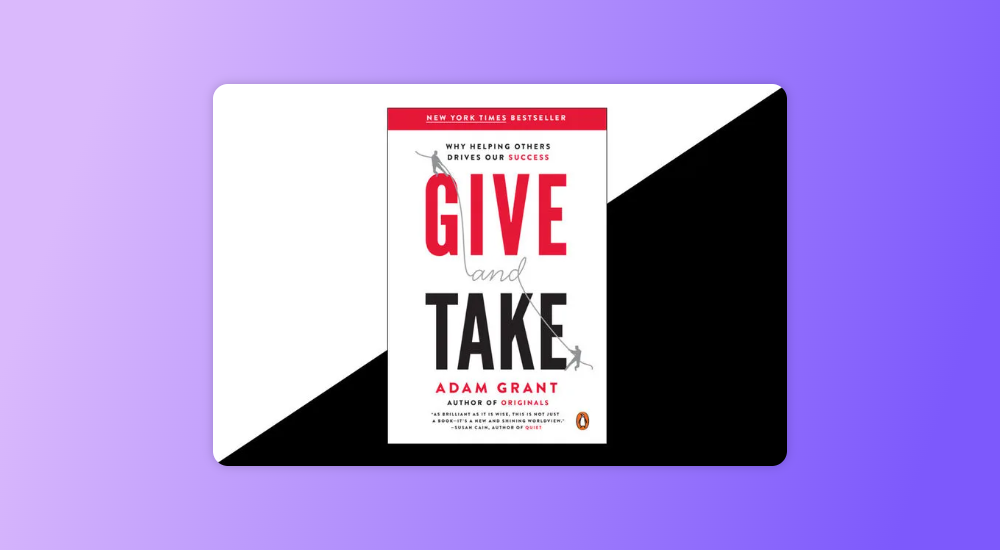
    4. Give and Take by Adam Grant

    Adam Grant’s bestselling book is not just about content marketing or sales but more about understanding the human psyche and how it helps in influencing others.

    Give and Take talks about the principle of reciprocity and how successful leaders use this method to drive business growth and performance.

    Best content marketing book - Give and Take by Adam Grant
    Give and Take by Adam Grant

    The book is perfect for content marketers to understand how networking and understanding the other person’s needs can help create compelling content.

    Also Read: 25+ Content Marketing Tools – Drive Growth For Your Business

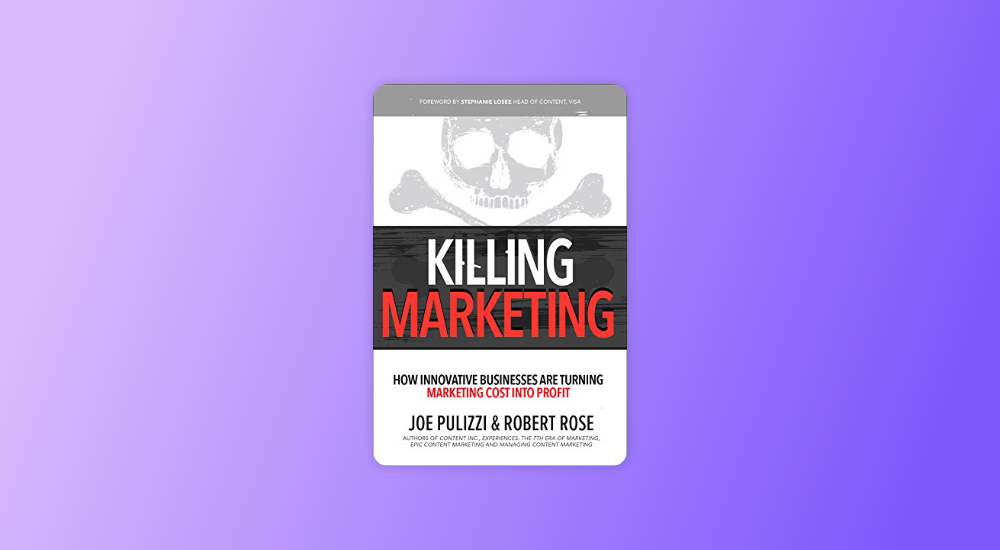
    5. Killing Marketing by Joe Pulizzi & Robert Rose

    Contrary to the slightly misleading title, Killing Marketing isn’t a book about actually killing the marketing process but about taking a different perspective on marketing.

    The book, written by Joe Pulizzi & Robert Rose, focuses on how organizations should create marketing that is focused on delivering value rather than just describing their products or services. This approach can help businesses turn marketing costs into profit.

    Killing Marketing by Joe Pulizzi & Robert Rose
    Killing Marketing by Joe Pulizzi & Robert Rose

    The book is highly recommended for B2B content marketers, as it challenges traditional marketing beliefs and can help elevate your marketing as a whole.

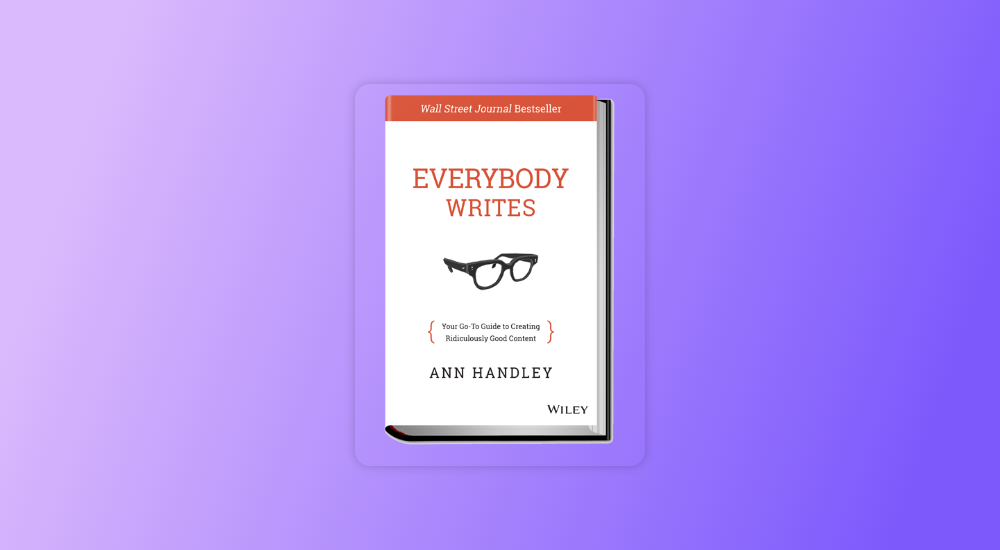
    6. Everybody Writes by Ann Handley

    Written by Wall Street Journal bestselling author and monthly columnist for Entrepreneur Magazine – Ann Handley, this book is perfect for those in the business of digital and traditional content creation.

    Best content marketing book - Everybody Writes by Ann Handley
    Everybody Writes by Ann Handley

    As its name suggests, Everybody Writes describes how writing is no longer exclusive to writers, and everyone is a writer in the content-driven age.

    The book is a guide to understanding how to create content that develops leads, attracts customers, and builds relationships. It will help you write better, improve your grammar, and drive business-focused content creation.

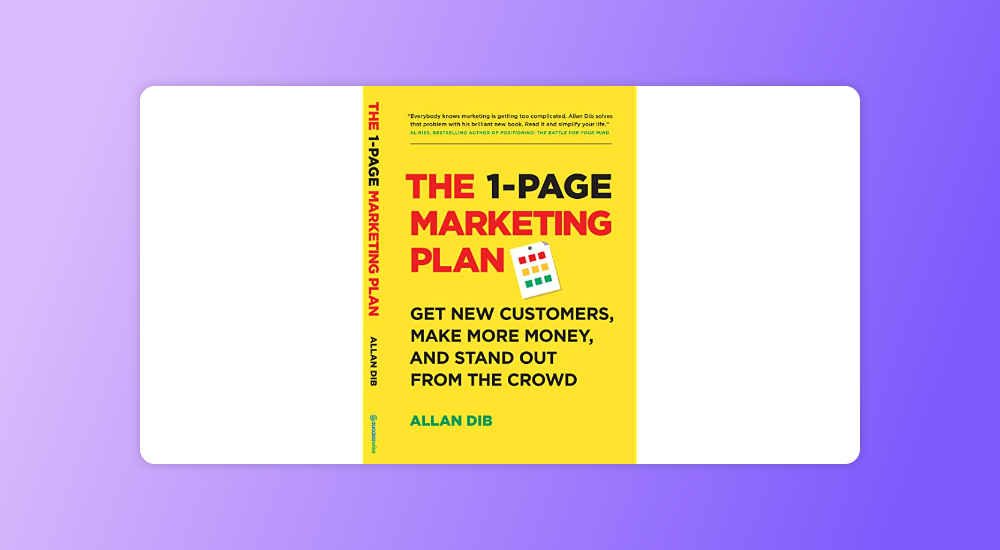
    7. The 1-Page Marketing Plan by Allan Dib

    According to marketing expert Allan Dib, marketing is not just about a few acts of getting in front of the audience but more about following a well-thought-out strategy for success. The 1-page marketing plan reveals how to create a marketing plan that is simple, fast, and includes long-term actionable goals.

    The 1-Page Marketing Plan by Allan Dib
    The 1-Page Marketing Plan by Allan Dib

    The book’s business growth plan and the actionable step-by-step process to create a personalized marketing plan are enticing and must-haves for any content marketer.

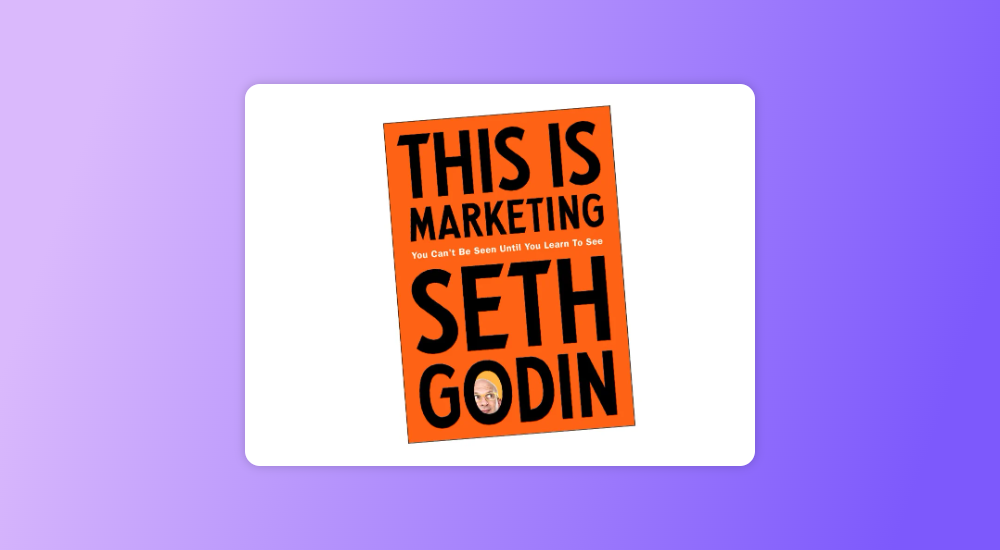
    8. This is Marketing: You Can’t Be Seen Until You Learn to See by Seth Godin

    A must-have for all marketing professionals, This is Marketing is the best-selling magnum opus by the marketing genius Seth Godin.

    The book describes how to stay relevant in the age of dynamic media, or as he describes it, “from monolithic (vast majority viewing the same content) to smorgasbord (numerous, targeted choices).”

    It provides actionable advice on topics that are close to content marketers, like how to approach the target audience, refine the messaging, and create interest to drive success.

    This is Marketing You Can’t Be Seen Until You Learn to See by Seth Godin
    This is Marketing You Can’t Be Seen Until You Learn to See by Seth Godin

    The book applies not just to professional content marketers but is also relevant to entrepreneurs and individuals who seek to improve their personal brand.

    Bonus

    In addition to these, we’d highly recommend two more books on content marketing for those who want to take their skills to the next level.

    Powering Content – Building a Nonstop Content Marketing Machine by Laura Busche is ideal for creating content strategies and content pieces that speak directly to the customers.

    The Sales Acceleration Formula by Mark Roberge is perfect for those looking for a more sales-focused form of content creation. The book focuses mainly on sales strategies and revenue generation ideas but is ideal for content marketers who want to create content to drive leads and conversions.

    So there you have it! Our curated list of eight books on content marketing is the best ally in your journey to becoming a marketing professional.

  • How To Drive SaaS Content Marketing For Businesses

    How To Drive SaaS Content Marketing For Businesses

    Have you ever noticed how Shopify has promoted a huge amount of useful and in-depth content, blogs, and guides that are full of tips, recommendations, and tricks from well-known influencers?

    Its information center is packed with content, comprehensive guides to starting and growing an e-commerce store, videos, Podcasts, Case studies, and success stories.

    Such content not only generates leads but also helps build trust between the brand and its users.

    This is where content marketing features when it comes to SaaS businesses!

    The web is full of generic sales flyers posed as white papers and promotional blogs that aren’t so subtly designed to boost sales.

    • However, even today, 88% of businesses use content marketing in SaaS because of the umpteen benefits it has brought to the business and the consumer. SaaS organizations need to create content that focuses on customer buying decisions, enhances qualified leads, improves organic search results, increases inbound links, and drives them to sales.
    • This shows that content marketing in SaaS is an extremely powerful tool for a lead generation without looking “commercial.” 85% of the largest SaaS companies use content marketing, and that number seems to be growing every year. However, not all content is capable of producing leads and conversions!  
    • We also cannot ignore the content clutter that exists in this $157 billion SaaS market.

    The goal of SaaS content marketing is to create content that stands out in its technical world of jargon, complex procedures, mathematical code, and complicated algorithms. Content is king, especially for SaaS businesses

    that help in building brand sentiment, building brand credibility, and eventually enhancing sales.

    Still not convinced! Let’s look at some facts, figures, and examples!

    • 82% of consumers have a more positive view of a business after reading personalized content, and 90% find personalized content useful.
    • The number of backlinks is one of the key factors for top-ranking websites.

    Let us take another example that has developed top-notch content marketing in SaaS.

    Moz has diversified its approach to creating and promoting content. Rand Fishkin’s Whiteboard Sessions have been an integral part of the offering for years. Moz’s unique content strategy has skyrocketed brand visibility in the B2B world and positioned Moz as the go-to place for SEO tools.

    In addition to its wide range of workshops, training courses, blog posts, and informative guides, Moz regularly produces a massive amount of content. Along with tips from the internal team and influencers adding extra credibility with guest content, Moz has built a thriving community that keeps the brand in the spotlight with B2B customers.

    Key takeaways so far

    • Because SaaS content marketing require a long-term relationship with the customer, the content is essential to shape that relationship.
    • The content marketing strategy for SaaS increases brand awareness and improves ROI.
    • SaaS brands can drive education around their products using content.

    What’s Different About SaaS Content Marketing?

    Each company needs content marketing to grow organically – and this also applies to brands that offer SaaS products. The SaaS and Tech sectors are unique. Your audience is constantly trying to learn and grow professionally. SaaS content marketing strategy can be sometimes a little complicated because of it:

    • Requires a certain level of engagement, because of which building reputation and trust is essential
    • Involvement of decision makers and influencers because of longer sales cycles
    • Digital platforms contain technology, which can be difficult to understand at first.

    Therefore, the Content marketing strategy for SaaS helps customers hone their skills which further builds a loyal community, and creates a sustainable revenue stream for the brand.

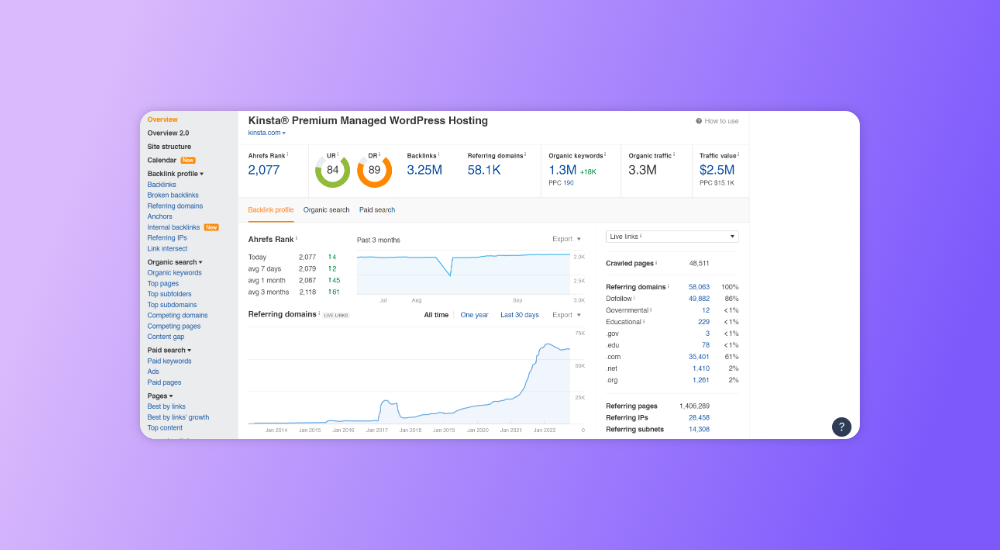
    Let’s take another example – Kinsta, a premium WordPress hosting provider, has created valuable educational content and achieved a massive increase in website visitors. Kinsta talks about topics not directly related to the company’s hosting services but focuses on customers’ pain points and challenges.

    kinsta ahrefs

    Their blog covers broad topics relevant to WordPress developers and website owners. As of June 2022, they are attracting over 672,000 organic views per month.

    How Content Marketing In SaaS Works

    In the global report on the state of content marketing, IT and SaaS companies were asked how their SaaS content strategy was performing. Some of the key takeaways are:

    • 65% of SaaS companies have a moderately advanced B2B SaaS content marketing strategy
    • 92% of SaaS companies have some success in their content marketing activities
    • 75% of SaaS companies plan to increase their content marketing budget by 2022

    What Is The Need For An Effective SaaS Content Marketing Strategy

    SaaS content marketing is more than just a way for users to learn about your product; it is an opportunity for them to contact you. By interacting with your content, they know your brand, your product, and what problems they have that you can solve.

    Without content marketing in the SaaS strategy, it will be harder to meet consumer expectations. Consistent, high-quality content is no longer an option when competing with other brands for the top spot on Google – it’s a necessity. Content marketing builds brand awareness.

    For small and medium SaaS businesses, content marketing is cost-effective and can generate more revenue than traditional marketing strategies. According to DemandMetric, it costs 62% less and generates 3X more leads than other marketing strategies. Informative content helps customers see the value your business can bring to their lives.

    15 Essential Strategies For Content Marketing In SaaS 

    Content marketing conquers it and is responsible for various successful SaaS B2B companies around the world. Follow these strategies and strive to reach your organizational goals:

    1. Identify Your Strategic Objectives For Content Marketing In SaaS

    A strategic objective is not a measurement or a number. Setting appropriate strategic goals will help you optimize your SaaS content which plays an important role in your business structure and processes. Your business goals could be to:

    • Increase brand awareness with leads higher in the sales funnel than you previously targeted
    • Develop a reciprocal relationship with your audience to strengthen your business as a SaaS content marketer and encourage network effects 
    • Create a contact list, with information helpful in determining which contacts are most likely to make the switch from lead to customer
    • Increase a cumulative flow of monthly leads for your sales force
    • Provide a steady flow of leads to automated systems
    • Encourage advocacy and customer loyalty

    Content marketing built on SEO principles will encourage brand awareness and enhance the organic search visits which will eventually develop, fester, or decrease based on your B2B SaaS content marketing efforts. If the list structure is stopped, the number of contacts only drops as slowly as the unsubscribe rate.

    Therefore, it is important to consider the cumulative nature of content marketing in SaaS when developing your strategic goals.

    Let’s take this example.

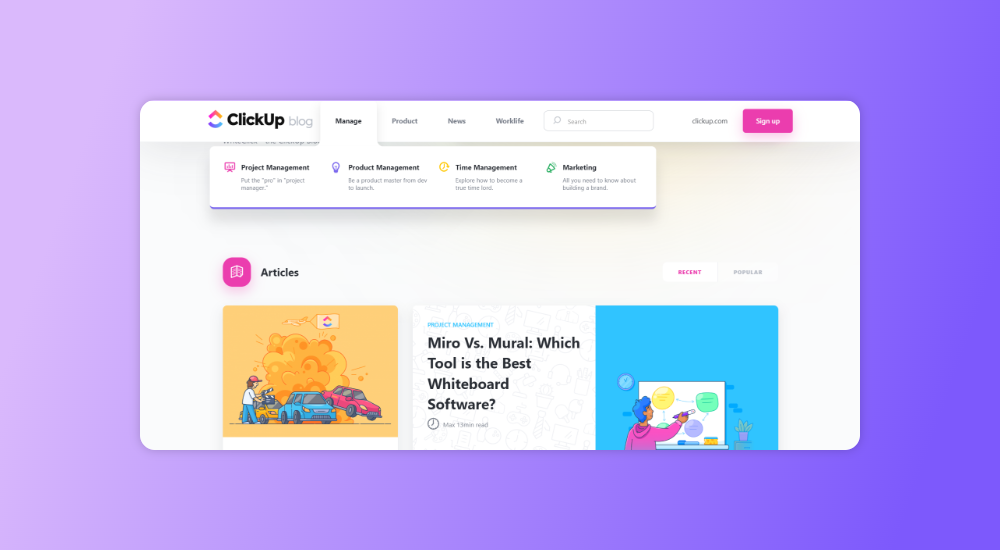
    ClickUp is a project management tool that caters to different audiences, from different teams to different types of companies. It is essential to develop differentiated approaches to content. For example, when you land on the ClickUp blog, you can choose content based on the type of work you do and the type of challenges you have.

    ClickUp blog menu

    2. Define Your Stats

    Once you have clear strategic goals, it’s time to define some beneficial performance metrics when marketing content for SaaS:

    • Increase in monthly visits per dollar invested
    • Percentage of new and repeat visitors
    • Sign-ups per visitor
    • The average LTV of each unique lead.
    • Increase in the number of subscribers
    • The first-touch attribution and the last-touch attribution.

    SaaS companies ignore these metrics which can provide interesting insights into the quality of keyword choices, building funnels and lists, and customer longevity. Follow up on financially relevant and strategically relevant metrics that could potentially indicate opportunities, customer feedback, strengths, and weaknesses, of the business

    3. Map your funnel

    A content marketing in SaaS strategy must include three main strategic goals:

    • Place the funnel and locate your leads
    • Expand the funnel
    • Run leads through the funnel

    Consider how natural funnels might be optimized, what other shapes potential sales funnels might take, and how these existing funnels interact with the brand identity you are trying to create. Let us look at a simple step-by-step example of how a funnel can be created at each level:

    Step 1 – The lead discovers a blog article about a problem that is useful enough to keep the user’s attention at the end. The blog article naturally directs him to a resource that continues to support the problem or with a more important problem

    Step 2 – The blog post has strengthened enough confidence, and the problem dealt with the resource is shared with him via the e-mail list

    Step 3 – Satisfaction with the solutions presented in emails forms confidence in leadership. Leadership is informed of a problem that is solved by its SaaS or your awareness and your interest in this problem are improved

    Step 4 – The lead visits a page on your website, which is often visited shortly before buying prospects. A marketing automation event is triggered which sends a special offer to the line

    Step 5 – The visitor receives constant content on useful information on how SaaS is used to solve various problems

    Finally, the lead uses the SaaS solution!

    It is important to create these funnel models, make calculated hypotheses and measure them to improve their efficiency.

    4. Strengthen Your Thoughts And Become Creative With Content Ideas

    To design an effective SaaS content strategy, focus on the following elements:

    • Find out your key area, your experience, and your knowledge
    • Stick to your brand story, the values, and beliefs you want to promote
    • Identify leaders, stakeholders, and subject matter experts within your organization.
    • Use your product data to show usage trends, ad management strategies, and more.
    • Survey your users who have a wealth of information and data ready for thought leadership content
    • Collaborate with SMEs to bring new perspectives to your content. Employ tools like WittyPen for best results.
    • Collaborate with brands, other market players, and influencers to bring many great ideas to the table
    • Do some research and enhance your content with original data and facts.

    5. Use Unique Content

    Understand customer pain points and create SaaS content that meets these customer pain points.

    Not many companies spend enough time creating parts of niche instruments that will appreciate their clients. Look at the creation of things such as business managers, host statistics, and articles that involve people – more than these generic articles that try to respond to keyword research. Find the balance, and use content that’s valuable, unique, and educational.

    6. Develop A Keyword Conversion Strategy

    Many SaaS companies choose keywords that are relevant to their audience, but they don’t go any further.

    Keywords have the power to resonate with the customer’s journey and the buyer’s intent. Identify your conversion keywords by collaborating with an effective PPC team to conduct all of your keyword research. The PPC team has great datasets on what they’re bidding on and what queries they’re converting for the business.

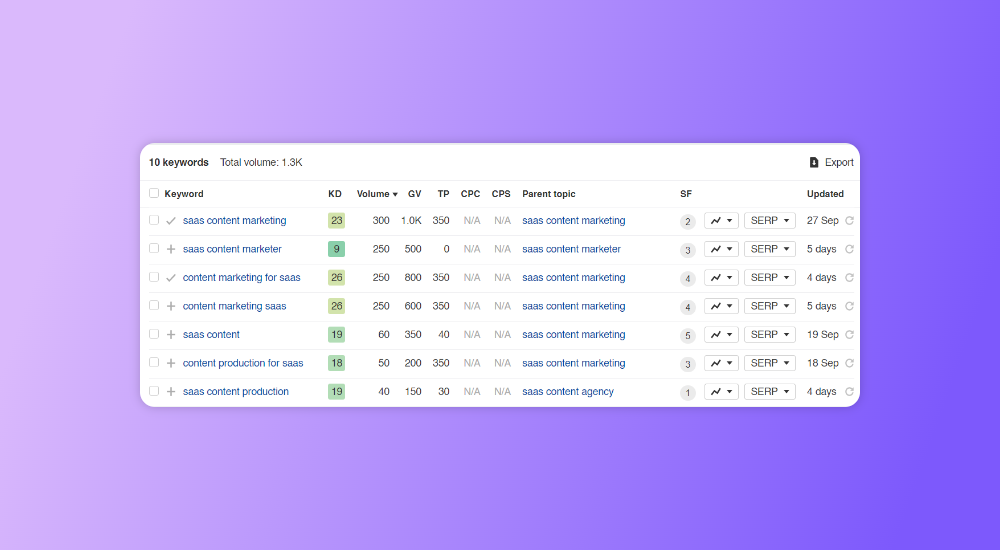
    A common business mistake is looking at keyword volume rather than focusing on things closer to the people making the purchase decision. Focus on intent-based low-volume keywords. For example, for “SaaS content marketing”, some long tail keywords are

    • Content marketing in SaaS campaigns
    • SaaS content marketing strategy
    • Content development for Saas
    • SaaS content marketing
    SAAS content marketing

    You can rely on tools like Google AdWords Keyword Planner, Ahrefs, or KeywordTool.io for competitive research. Pay attention to search terms on popular platforms to see what your target audience wants.

    Keywords matter less when you’re producing content to distribute on platforms you don’t personally own and have a constant flow of its traffic. Avoid targeting “commercial” search terms for your content and showing interest in buying a product unless you are selling it yourself. Search engines are very good at reading user intent. So, if someone types in “buy SaaS”, Google won’t return your blog post titled “How to buy SaaS”.

    Try focusing on keywords that indicate you want something deeper than a blog post, like an e-book, a white paper, or a case study to increase subscribers. Avoid cluttering your content with variations of the same keyword.

    7. Develop a List Building Strategy

    Your email list is the lifeline of your content marketing in SaaS efforts. There is no other

    One of the most fundamental ways to stress the importance of a strong list-building strategy is building a robust email list, which is the lifeline of an effective SaaS content marketing strategy.

    Most list-building strategies focus on compelling prospects to subscribe. The important thing is to ensure a transparent yet simple connection with your audience through CTAs, blog posts, and your SaaS itself. You can use:

    • Electronic books
    • Videos and Images
    • White papers
    • Training Courses
    • 30 Day Challenge
    • Webinars
    • Original research like data-oriented content, case studies, and surveys

    8. Develop An Awareness Strategy

    Your awareness of SaaS content strategy can be through publishing and promotion of content. It consequently drives traffic to your site. Here are some recommended steps you can take to enhance awareness of your business, as a SaaS content marketer through content:

    • Send relevant outreach emails to your subscribers
    • Include influencers and ask them for an offer to quote them as experts. Let them know once the content is published.
    • Connect with influencers who want to share the type of content and also mention influencers in your content and let them know when the post is live.
    • Develop content with specific resource lists.  
    • Add your content to the newsletter, which was organized by known influencers with a large broadcast list
    • Contact websites connected to similar content. Always provide them with context, don’t ask for anything if you don’t offer anything, and always initiate the conversation via e-mail

    9. Focus On Effective Content Formatting

    Regular content production for SaaS is important for Search engines to give an advantage to websites that regularly publish new and updated content. That being said, it’s not that hard to produce a lot of new content, especially when you have tools like WittyPen on board. If your content isn’t formatted correctly, your audience will struggle to comprehend it.
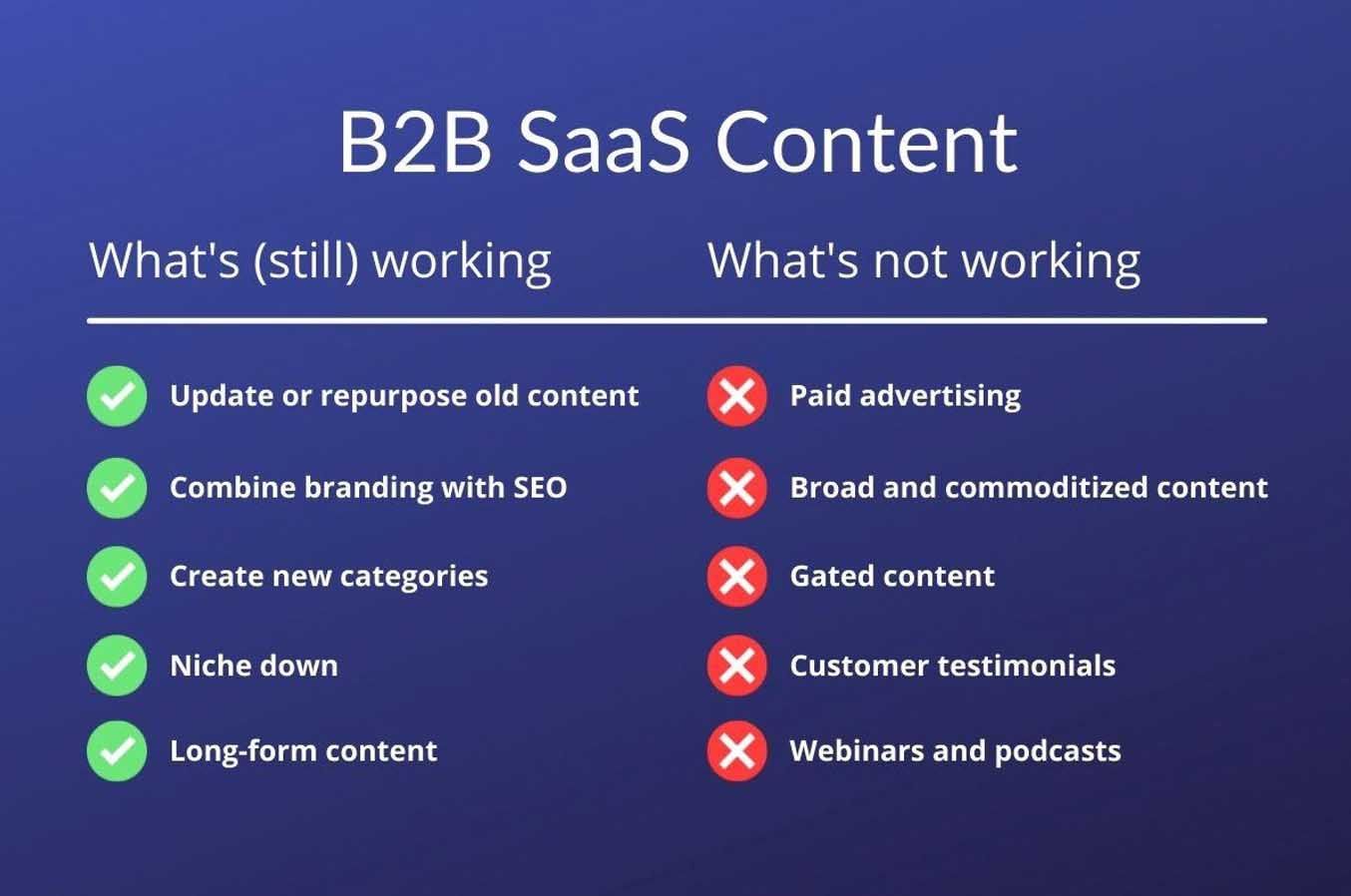
    The State of B2B Content Marketing for SaaS in 2021

    Image Source

    Here are some tips you can consider for formatting your content appropriately:

    • Keep your content paragraphs short as people have a short attention span online and short content makes it easier to retain information.
    • Break your content into smaller chunks using subheadings or even bulleted lists.
    • Leave white space in your content
    • Don’t overload with too much SaaS content that could overwhelm your readers.
    • Don’t forget to add visual images that can improve learning by 400% and can also be processed 60,000 times quicker than text.
    • Make the content scannable as most readers prefer not to read the entire content but to browse the content to get relevant information.
    • Put important stages and terms in bold, and don’t be afraid to use bullets and underlines to make your content easily scannable.
    • Provide Valuable and well-researched Information, whether short or long.
    • You can choose to write short content, but if you don’t include relevant information, your content may not rank in search engines like Google.

    10. Publish The Content At The Right Places

    Go with the 80/20 rule for content production for SaaS and promotion. Creating content is the job half done. It is the promotion that should take up more research and effort. If you spend 20% of your efforts and investment on writing content, you should be spending 80% of your time promoting it.

    Getting your content ranked on Google isn’t easy these days. Back then, a 700-word you wrote would rank on Google within hours. But with immense competition, this has become impossible. Google now prefers to only rank relevant and useful content. You will need to put a lot of time and effort into creating and promoting content. Promote your well-researched, optimized, unique, and structured content, massively by:

    • Making your content SEO-friendly to get organic reach
    • Using paid marketing channels such as Facebook ads or google ads
    • Publishing content on social media platforms and in relevant social groups
    • Sharing your content on forums like Reddit and Quora email marketing
    • Contacting other relevant websites to request backlinks
    • You will have to put in a lot of effort to promote your SaaS content.

    11. Choose Your SaaS Content Creators Wisely

    Once you’ve established your keywords and topics, you should start producing keyword-focused content. To simplify content production for SaaS, you need to set up some procedures like:

    • Formulating a content calendar with a list of research topics to cover
    • Make sure the content you want to create is relevant to your target audience
    • Hire professionals like WittyPen who can help you with content production for SaaS, correction, and modification of content, and publishing or scheduling content. The experts and experienced writers at WittyPen will create a healthy mix of short and long-form SaaS content that will help your business attract a wider audience.

    Another reason to pick a professional product is that they charge you less and save you a lot on local costs. Make sure you set a goal for each piece when sharing your content requirements with them. Keep a checklist handy with important points like:

    • What is your ultimate goal in creating the content?
    • Do you want to increase brand awareness, get more leads or just inform your target audience about your SaaS business?

    When creating your content requirements, research your audience’s pain points to make sure your content solves their problems. When planning content, you need to make sure that you focus on consistency and post content often.

    Read More : Content Marketing Strategy – Nuances and Importance

    12. Target Your Audience

    Don’t focus on a small or large audience. Instead, do thorough research and look behind the keywords to know the needs of your audience.

    Concentrate on:

    • What questions do they ask on the forums?
    • What kind of questions seems to be constantly being evaded?
    • What kind of searches will these leads search for in Google?
    • Who do they follow on social media?
    • Which social networks, message boards, discussion groups, and newsletters do they actively visit?
    • Which YouTube channels do they watch?
    • What magazines, blogs, and newspapers do they read?
    • How far can you expand use cases to cover these audiences without being cynical?

    Focus on reaching leads who are not yet interested in the business, and create effective and educational SaaS content that can reach a relevant audience for your brand.

    While it’s nearly impossible to position yourself directly on every platform, you need to know which platforms your audience cares about. This gives you many options to post content, better understand your audience’s interests, and identify influencers.

    13. Analyze Your Competition

    Do a thorough analysis of your direct competitor’s backlinks to see where they are mentioned. Analyze their content on keywords and topics and on the platforms on which they concentrate. Use all these data in combination with intuitive navigation to find out how their content marketing in SaaS strategy appears.

    Ultimately, these data must help you identify the weak points you can overcome in their content strategy. This can be integrated into a strong USP! Most of them are likely not to have particularly strong strategies for B2B SaaS content marketing. Focussed research will help you outperform them in some areas and discover several new opportunities.

    Taking this approach makes it easier to identify your USP as a content provider, and gauge your audience and your competition. You can start formulating consistent SaaS content that resolves the problem and identify ways to promote it on multiple channels

    14. Conversion

    Customers are looking for offers, prices, specific applications – and everything that helps them make the final decision. Take a look at how web Zendesk copy, white papers, and case studies combine to share tangible results. This can help several decision-makers understand how the service can apply to them before sales discussions.

    As soon as you have a distribution list, it is important to promote your users with precious content. While you can talk about your product, offers, and referral programs, you still need to value your audience more than you expect them to.

    When your emails are helpful, practical, insightful, or refreshing, people keep reading, subscribing, and being happy.

    15. When Creating Content, Focus On Quality, Not Quantity

    The B2B SaaS content marketing should focus on search engine optimization and improving the quality of our content. You must focus on

    • Providing useful, practical, and innovative information while being relevant to the audience’s intent
    • Genuine content based on your expertise covering all potential questions and delivering an excellent user experience.
    • The written content should match the level of comprehension of the target audience. It should contain visual elements, short and easy-to-read sentences, and help the user to navigate the titles.
    • Always base your content on the 4 pillars of content writing – enhancing SEO, consistent readability, appropriate tone of voice, and novelty.

    Conclusion

    Solid content marketing for SaaS accounts for swelling growth, targets varied audiences from all ends of the globe, considers strategic objectives before metrics, uses a cumulative sales funnel as a foundation, thrives on selected keywords, and adheres to a strict but productive cycle.

    B2B SaaS Content marketing takes your SaaS business to the next level and maps the entire customer journey.

    The SaaS content marketing strategy should be such that it deals with the SaaS industry’s biggest challenges like solution complexity, longer purchase cycles, and urgent training needs.

    WittyPen easily guides you through the entire process, enhances your online visibility, reaches new customers, and grows your business with organized and result-oriented content marketing.

    Wittypen-Blog-Banners-01
  • 16 Effective Ecommerce Content Marketing Strategies

    16 Effective Ecommerce Content Marketing Strategies

     Did you know? Over 8.7 billion queries ricochet through Google’s neural networks daily.

    By 2024, content marketing could swell up to an astonishing $600 billion industry.

    This shows us the importance of a solid ecommerce content marketing strategy for your brand in this digital-first world. Having said that, we know that it might feel like trying to scale Everest.

    But hey! With a tried-and-true blueprint, it’s a feasible climb.

    It’s not just about survival but also about giving your audience an invigorating, dynamic digital experience—think refreshing content, trend-forward aesthetics, and unwavering consistency. 

    Ecommerce content marketing could be your secret weapon to outshine the competition by building brand loyalty and pushing the needle on sales.

    Now, let’s delve into 16 game-changing strategies to transform your content marketing for ecommerce. 

    What is Ecommerce Content Marketing?

    Ecommerce content marketing is a part of the inbound digital marketing strategy that centres on attracting your prospective customers.

    This is achieved by presenting them with top-quality content, whether they’re scouring search engines, scrolling through social media, or browsing product review sites for answers.

    A good e-commerce content marketing strategy increases customer loyalty and organic traffic and enhances conversions and retention rates. After all, there’s a reason why 82% of marketers swear by it today!

    16 Content Marketing Strategies For Ecommerce That Convert

    1. Optimise For Search Engines

    Did you know that nearly 51% of shoppers turn to Google when researching a potential purchase? It’s because they’re hunting for the best, and your ecommerce site needs to show up at the right place and time.

    Now, many brands chase unrealistic ranking dreams, like gunning for the “best [product]” keywords, without integrating them naturally. 

    But here’s a smarter play – the trick lies in pinpointing relevant keywords and including them seamlessly into your product titles, descriptions, and meta tags. 

    And don’t forget, AI-powered tools like ChatGPT can supercharge your visibility, helping you pick and position keywords that get clicks. For starters, you can ask ChatGPT to give you a list of keywords related to your business or the target audience. Like this:

    Objective: keyword research 

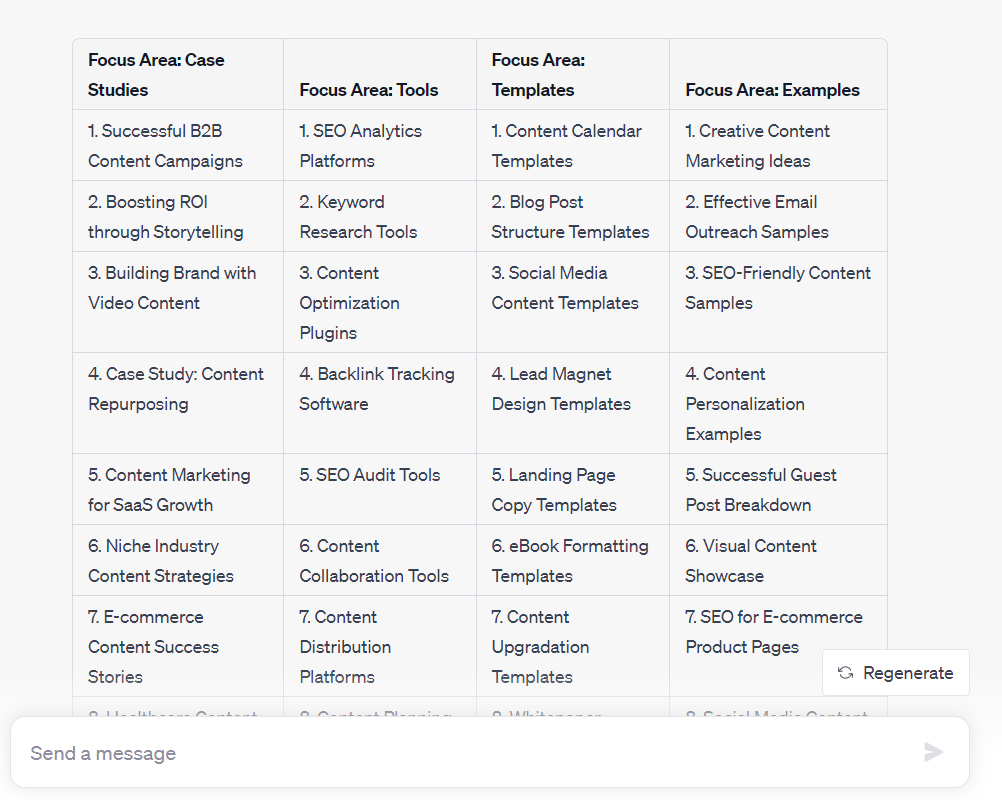
    Prompt: “create list of keywords for articles where we focus on writing about content marketing, content writing, and SEO. The keywords should focus on listicle format articles around case studies, tools, templates, and examples. Cluster these keywords as per the focus areas and pitch 10 keywords in each Focus areas. Also, the target audience here is senior marketers, CMOs, SEO Heads, in the US and we plan to focus on Middle of the funnel content. Put this in tabular format.”

    Chatgpt output for keyword research

    2. Focus on User-Generated Content

    It’s no secret that there’s no better promotion than your customers serving as your marketing squad. But how do you make this happen?

    Enter User-Generated Content (UGC); your eCommerce brand’s secret to authenticity.

    Here’s a question. Do you check the reviews before clicking on the ‘Add to Cart’ button? If yes, you are among the 70% of online buyers who read anywhere between 1-6 customer reviews before considering a purchase. Clearly, the power of word-of-mouth marketing is potent.

    Similarly, social media posts, where customers are reviewing your products, can act as great sources of trust and credibility. From customer reviews to social media posts, UGC is the gateway to building a vibrant community around your brand.

    Take a cue from MVMT watches. Their journey from the bottom to $90 million in only half a decade is a testament to the magic of UGC.

    Source

    They now boast 1.5 million loyalists and 5 million social media followers. If this doesn’t display the power of people promoting your brand, we don’t know what will.

    3. Elevate Your Website’s Look and Feel (UI/UX)

    Think of your ecommerce site as a digital storefront. Now, would you rather walk into a jumbled, confusing shop or one that’s sleek, organised, and welcoming? The latter, of course. That’s why nailing your site’s UI/UX is crucial.

    With Google’s page experience update, it’s not just about aesthetics but also functionality—easy navigation, swift load times, attractive layouts, and comprehensive product details.

    A well-optimised site curbs frustration, sparks curiosity and reinforces your brand image. Plus, with help from tools like ChatGPT, you can generate alluring copies and offer personalised product suggestions to your users. Check this out:

    Objective: Landing page copywriting 

    Prompt: “Imagine yourself as an experienced copywriter as we are building a landing page that will explain the content writing process at Wittypen. Generate 5 copies for the landing page hero section, which consists of 4-5 words of page title and hero description around 60-80 characters. The tone should be professional and witty.”

    copywriting example

    However, keep in mind that while AI is a game-changer, the human touch is irreplaceable. For a piece of content to remain authentic and resonate with your audience, use AI tools judiciously. 

    4. Don’t Miss Out on the Moment: Make it Mobile-Friendly

    Let’s drop some numbers—did you know in the past six months, a whopping 79% of smartphone users made a purchase online via their mobile devices?

    That’s why ensuring your site is mobile-friendly is necessary. If your customer is not able to navigate your website easily, they will leave; it is as simple as that. So, adopt a responsive design that smoothly adjusts to various screen sizes, is easy to navigate, and has a speedy checkout process.

    It’s all about enhancing user experience, which in turn fuels conversion rates and customer satisfaction. 

    You can also use AI tools up to a certain extent. While it can’t directly impact the technical aspects of mobile-friendliness (like the responsive design or load times), it can contribute significantly to the overall user experience on mobile devices. 

    The possibilities are endless, but here are two ways to help you get started: 

    • ChatGPT can generate concise and mobile-optimized content and keep the visual length in check.
    • You can integrate GPT into chatbots for real-time customer interaction, answering queries, offering product recommendations, and providing personalised assistance.

    5. Retargeting Ads: Second Chance to Make a First Impression

    Recapture the attention of users who’ve interacted with your ecommerce store before. Think of these ads as friendly nudges, subtly reminding potential customers about your brand and piquing their interest to click ‘buy now’.

    You can distribute and customise ads across various platforms ads. It’s not just about keeping your brand in sight but also to leave a strong impression.

    6.  Create Narratives that Connect: Adapt Storytelling

    Storytelling is a potent tool to involve the audience in your brand’s journey, sparking an emotional bond. Sharing your business’s mission, values, or behind the scenes of your operations through interesting narratives helps your audience see the heart behind the brand, making it more human and more relatable.

    Storytelling in the business world looks a bit different. Each content piece, like a blog or a social media post, is a chance to tell your brand story. But often, you know the story but don’t know how to convey it to your audience. 

    Let’s say you want a blog that gives a closer insight into your eco-friendly manufacturing process. But you don’t know what structure to follow, what keywords to use, or what points to cover. 

    7. Influencer Partnerships: Harness the Power of Popularity

    Whether they’re doling out style advice or giving your products the ‘real-life’ test, influencers can magnify your brand’s visibility, increasing conversions. When your audience sees real people using your product or service, it makes your brand more authentic and alluring.  Naturally, your e-commerce business witnesses a higher sales rate as a result. 

    A great example of a brand using this strategy effectively is ASOS. The online fashion retailer launched an influencer marketing campaign where it dubbed its influencers ‘ASOS Insiders.’

    These Insiders didn’t just promote the products; they provided value to the audience by offering fashion tips and style advice in context with ASOS products. 

    Having a creative block for campaign ideas? ChatGPT can be your instant rescuer! 

    Have a look at this:

    Objective: Generating campaign ideas

    Prompt: “Act as a marketing lead who has years of experience in creating campaign ideas for the product launch. We are launching two tools content brief generator and a content calendar generator, these tools are created to make the content creation process smooth; they work because

    1. These AI tools give you on-brand responses which understand the context.

    2. You can edit and add your insights to make it unique

    3. Download as a document and share it with your execution team

    Give me campaign ideas for promoting my tools with a proper execution plan that can convince users to use our tools.”

    campaign idea from chatgpt

    8. DIY Your Way to Engagement

    Offer your audience step-by-step DIYs (Do It Yourself) coupled with visually striking examples to empower them to explore and channel their creative flair. This way, you can not only attract your audience but also beautifully showcase the versatility of your products.

    Take Starbucks’ #SketchTheBlend campaign during Diwali’20, for example. This DIY campaign encouraged participants to get creative and offered complimentary beverages for outstanding entries.

    The campaign was highly successful and resulted in increased customer engagement with the brand and sales. 

    Source

    9. Empower with Knowledge: Education as a Marketing Strategy

    Cement your brand as a reliable authority by drafting knowledgeable materials that help customers make informed purchases. At the same time, this also displays your commitment to providing value for your customers’ money.

    The best example for this would be creating educational blogs that provide deeper insights about your product or service and related topics. Have a look at Shopify’s blog page for inspiration. 

    However, thinking of topics for content pieces can be a task at times. It requires a lot of market research and knowledge of SEO and demands a considerable amount of creativity. Having to do this on a regular basis is taxing and takes away time from other business matters that cannot be done without your attention. 

    We present to you our Content Calendar Generator, which utilises the power of AI and gives you a plan of action for your content strategy. 

    Just sign up, and you’re one click away from your personalised content calendar.  

    10. Fascinate Your Audience with Fun Campaigns and Contests

    Keep your audience interested in your brand with contests and in-game rewards from time to time. From frequent sales and exclusive discounts to joint ventures with other companies offering rewards, many fun and interactive initiatives can create excitement among your customers. 

    Excitement grabs the attention, creates engagement, and, thus, drives sales. 

    Take a cue from Canva’s #CanvaDesignChallenge, a weekly contest that invites users to exhibit their most unique, original designs, with winners reaping enticing rewards such as a year’s paid membership to Canva.

    Source : Google

    Source : Google

    11. Amplify Your Brand Through PR and Events

    PR and events can accelerate your ecommerce content marketing’s visibility and reputation. Strategic PR tactics, such as generating positive buzz, building media relationships, and partnering up with influencers for promotion, can augment your brand’s presence.

    You can pair this with attention-grabbing events, live or virtual, to develop connections with your audience. 

    Take a leaf out of Adobe’s book, which in 2023 brilliantly collaborated with the Sundance Film Festival. They showcased their video editing solutions through an appealing series of interviews and behind-the-scenes content starring actors, filmmakers, and festival attendees.

    You can also use ChatGPT to draft press releases, create striking event invitations, and capture your audience in real time, ensuring that your brand continues to shine in the limelight.

    12. Share Tips for Maintaining the Product

    Giving your customers valuable tips on product maintenance not only boosts their user experience but also manifests your expertise. When you deliver smart tips and insights, it promotes customer trust and enriches their buying journey.

    Giving customers the knowledge and tools they require to maximise a product’s benefits enhances your standing as a trustworthy ecommerce provider. 

    13. Connecting Products to Real-world Solutions

    Whether you’re creating content or demo videos, highlight your product’s versatility and value in diverse contexts. It’s all about helping customers visualise your solutions in action and understanding the real benefits.

    This ecommerce content marketing approach unveils an in-depth comprehension of your value proposition and empowers customers to make informed buying decisions.

    14. Stir Curiosity and Interest with Interactive Quizzes

    Quizzes not only create curiosity among your audience but also act as informative treasure chests. You can gain valuable insights into your audience’s preferences and demands. You can also give them a more personalised experience.

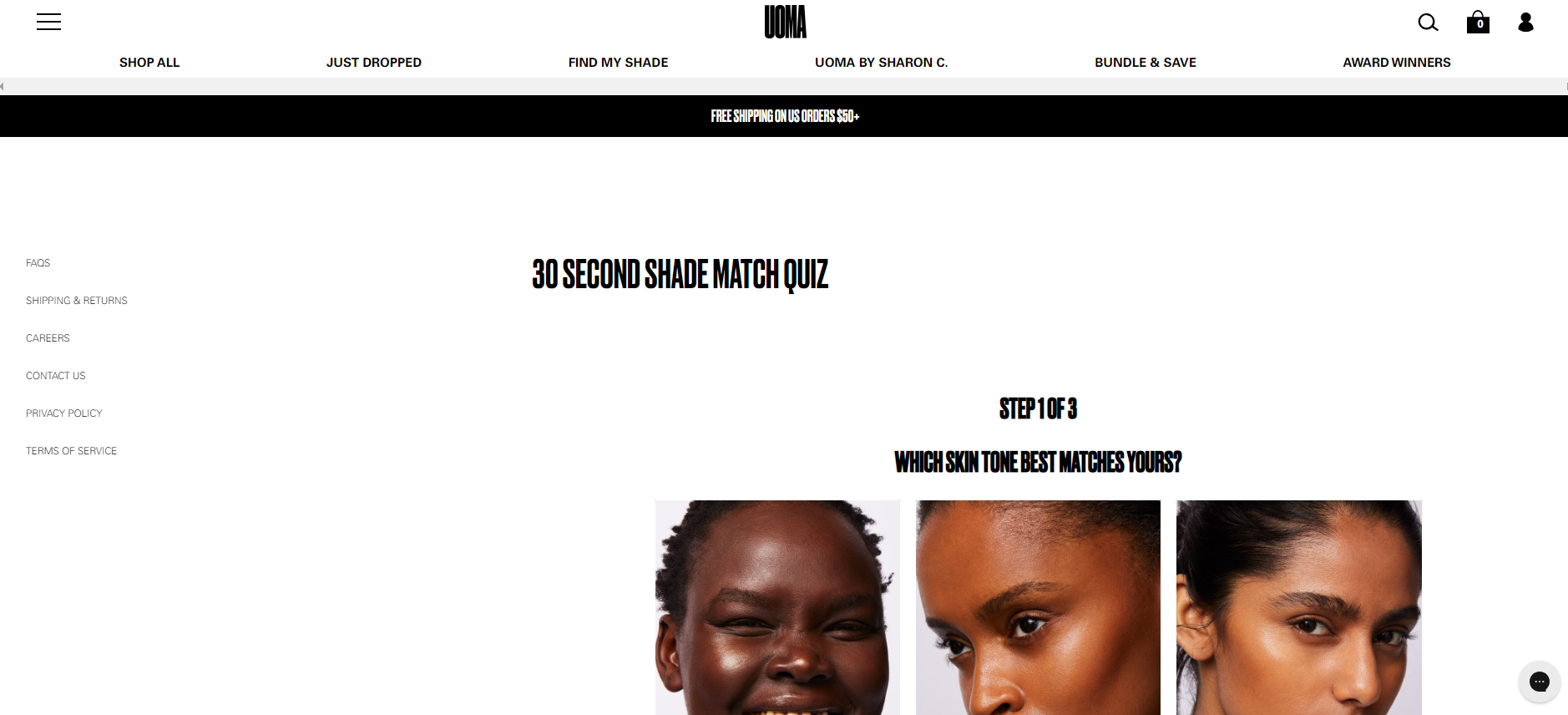
    Check out Uoma’s 30-Second Shade Match Quiz to get some inspiration. 

    UOMA

    And guess what? If you’re crunched for time, ChatGPT can be your personalised gateway to quiz ideas that hit the mark every time. Here’s an example:

    Objective: Quiz ideas

    Prompt: “Suggest some quiz ideas to promote our upcoming webinar, which is on the topic “Deep dive into genAI for marketers” The aim of posting quizzes is to build more engagement for the webinar. All the quiz suggestions should help us in promoting the webinar.”

    quiz idea from chatgpt

    15. Utilise the Power of Email Marketing 

    Customising your emails to resonate with each recipient makes your brand’s message more impactful. If you’re not using the power of email marketing, then you are missing out because email is the channel for generating the highest ROI

    Pro-tip: You can use AI tools like ChatGPT to generate quick and well-written email copies.

    Here’s a simple prompt for the same:

    Objective: generate emails

    Prompt: “Write an email to reach out to the marketing leads to try our content tools which are content brief generator and content calendar generator. These tools are unique from the rest of the tools in the market because they give you on-brand responses, and the results are easily downloadable. The email should start with a question to build curiosity for the readers and then appeal to them to check out our tools with a CTA. The email should be short and deliver to the point message. Write the email in about 80-100 words.”

    email marketing example from chatgpt

    16. Product Guides To Enlighten Your Customers

    You wouldn’t give someone a puzzle without the picture on the box, right? That’s why it is essential to create detailed product guides for your customers. This sheds light on every feature, benefit, and use-case scenario of your products.

    Each product guide is also an opportunity to affirm your role as a subject matter expert and a reliable source of information.

    Remember, with AI tools like ChatGPT, creating an outline for these comprehensive guides becomes a breeze. 

    Here’s an example of the same:

    Objective: generate outlines

    Prompt: “I’m writing a blog on the topic “The Impact of AI on the Marketers” Create a detailed outline consisting of some interesting subheadings which will help a reader to understand the role of AI in marketing. With this blog, I’m targeting all marketers, SEO experts, and anyone who wants to learn about the implementation of AI in marketing. The outline should not exceed the word count of 2000 words. Also, mention the focused keyword and suggested keywords in the beginning of the outline that should be included in the blog for it to rank on search engine result pages.”

    outline generated from chatgpt

    Begin Your Journey to Effective Ecommerce Content Marketing

    A good ecommerce content marketing strategy is the backbone of your online presence and a powerful tool for building a loyal audience base.

    Remember that success in ecommerce content marketing strategy always boils down to connecting with people. And as you embark on this journey, you’re not alone. AI tools like ChatGPT are available at your convenience – a good command away from making your content creation more powerful. 

    So, ready to ride the wave of effective ecommerce content marketing? The journey to the top starts now!

    FAQs

    1. Which content marketing strategies are most effective for commerce?

    The best ecommerce content marketing strategies are those that resonate with your audience. A mix of search engine optimization, utilizing user-generated content, enhancing mobile-friendliness, retargeting ads, storytelling, influencer collaborations, and inspiring DIY projects tend to hit the mark. However, the ‘best’ is subjective and depends on your brand, target audience, and industry.

    2. How can I produce interesting material for my ecommerce website?

    To amp up your content game, start by providing genuine value. Whether it’s through enlightening blogs, problem-solving guides, AI-powered content using tools like ChatGPT, high-resolution images, immersive videos, or personalized experiences, it’s all about meeting your audience where they are.

    3. What are some examples of successful ecommerce content marketing campaigns?

    Ecommerce content marketing hits are everywhere. Take ASOS’s ‘ASOS Insiders’ influencer campaign, gaming companies showering players with rewards, or education-led content campaigns that enlighten and engage. Each offers a unique blend of ingenuity, strategy, and user focus.

    4. What are the key elements of a successful ecommerce content marketing strategy?

    A rock-solid ecommerce content marketing strategy isn’t a puzzle. It’s about knowing your audience, nailing keyword research, producing top-tier content, experimenting with formats, promoting across platforms, and continually tweaking your strategy based on data.

    5. What role does SEO play in ecommerce content marketing?

    SEO is your secret sauce in ecommerce content marketing. It gets your website on the radar, pulls in organic traffic, and broadens your reach. By aligning your content with relevant keywords, enticing meta descriptions, and trusty backlinks, you make it easy for your ecommerce site to be found, loved, and shopped from.