Category: Content Marketing

  • 15 AI-Powered LinkedIn Automation Tools for Your Business Processes

    15 AI-Powered LinkedIn Automation Tools for Your Business Processes

    LinkedIn has built itself as the premier social media network for professionals, facilitating an environment primed for networking and collaboration. When combined with the power of AI, professionals can fully harness its potential and optimize their business operations. 

    Marketers claimed generative AI tools for content creation and personalization to have the most potential. With the prowess of artificial intelligence, LinkedIn professionals can utilize tools to:

    • Expand their demographics
    • Optimize marketing and campaign efforts
    • Diversify their network

    Using AI tools is key to making the most of this diverse and interconnected platform. That’s why here are the 15 best LinkedIn automation tools for 2024.

    We will explore their key features, benefits, and how they can revolutionize your business processes on LinkedIn.

    Which Processes Can Be Automated on LinkedIn?

    Businesses can optimize their operations, save time, and chase better outcomes with AI tools on LinkedIn. 

    Let’s explore the key processes that can be automated on LinkedIn and how automation can add value to your business strategy.

    1. Profile Optimization

    Automation can help streamline the process of profile optimization on LinkedIn. AI-powered tools can analyze user profiles and provide actionable recommendations for improvement.

    • Automation tools can identify keywords, suggest changes for the headline and summary, and provide insights into how profiles can be improved to attract more views and engagement.
    • Businesses can make sure that their LinkedIn profiles are always updated and optimized for maximum visibility by automating the profile optimization process.

    2. Content Scheduling and Posting

    Posting regular and engaging content on LinkedIn is necessary for maintaining an active presence, but manually scheduling and posting content can be time-consuming.

    • AI-powered tools automate the process of content scheduling and posting, schedule posts for optimal times, and analyze the performance of content.
    • By automating content scheduling and posting, businesses can maintain a consistent presence on LinkedIn, drive engagement, and build brand awareness.

    3. Connection Requests and Outreach

    Building a strong network on LinkedIn expands reach, develops relationships, and generates opportunities for business ventures. AI-powered tools automate the process of sending connection requests and messages to reach out to potential collaborators at scale.

    • LinkedIn AI tools can help businesses identify relevant prospects, personalize their messages, and schedule follow-ups.
    • By automating connection requests, businesses can extensively expand their network, generate leads, and drive meaningful conversations with potential clients and partners.

    4. Lead Generation and Prospecting

    Identifying and following up on leads through LinkedIn allows professionals to develop business-specialized strategies. According to a HubSpot report, 34% of marketers identified lead generation as their top priority. However, lead generation poses several challenges.

    AI-powered tools can automate the process of lead generation and prospecting, allowing businesses to identify and qualify leads.

    • These tools employ machine learning algorithms to analyze user behaviour and recommend potential leads that match specific attributes.
    • By utilizing automated lead generation, businesses can streamline their sales process and focus their efforts on engaging with the appropriate leads.

    5. Relationship Management and Engagement

    AI-powered tools can automate the process of relationship management and engagement on LinkedIn, allowing businesses to stay connected with their network and conduct meaningful interactions.

    • These tools automate tasks such as sending messages, sharing content, and tracking engagement with different connections.
    • Businesses can stay connected with their connections, develop rapport, and establish opportunities for collaboration and growth.

    Top LinkedIn Automation Tools for 2024

    Selecting the right solution is essential to making the most of the platform. Let’s take a look at the 15 best LinkedIn automation tools for 2024 and see how they will revolutionize your engagement and prospecting efforts.

    1. Wittypen
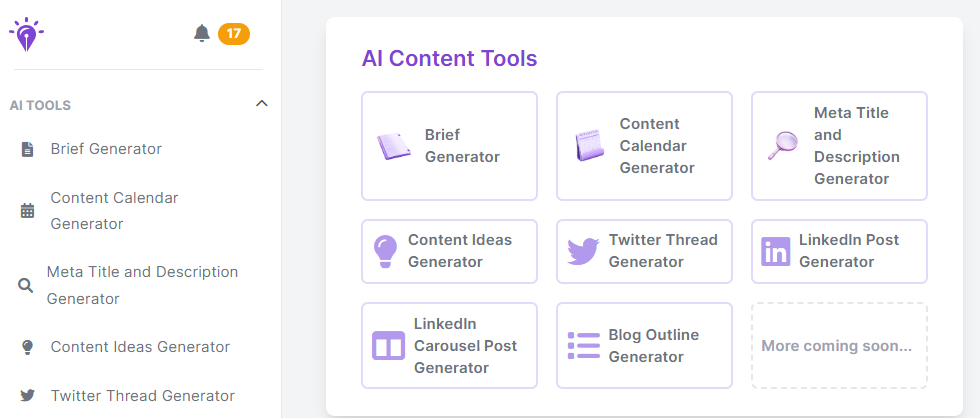
    Image Source

    Wittypen is a leading content creation platform that helps businesses scale their writing operations. With Wittypen’s LinkedIn Post Generator and LinkedIn Carousel Post Generator, one can automate the content creation process facilitated by AI, enabling creation of original and compelling content to optimize LinkedIn profiles.

    Top Features:

    • AI tools like LinkedIn Post Generator and LinkedIn Carousel Generator help you to maintain a consistent and impactful presence on LinkedIn without the hassle of manual content creation.
    • Adds a comprehensive human touch to AI-developed content to rectify inaccuracies and create specialized content.
    • Analyzes user preferences and provides customized prompts that resonate with target audiences.

    G2 Rating: 4.8/5

    2. Linked Radar

    Image Source

    Linked Radar is a comprehensive automated acquisition tool that enables business professionals to optimize their process of identifying and reaching out to potential prospects.

    Top Features:

    • Utilizes advanced data analytics and machine learning algorithms.
    • Tracks the performance of outreach efforts, identifies potential leads, and sends personalized messages.
    • Utilizes specialized templates to send up to 100 messages and invites daily.

    G2 Rating: 4.6/5

    3. MeetAlfred

    Image Source

    MeetAlfred is a versatile LinkedIn automation tool that simplifies outreach, prospecting, and lead generation for businesses. With its user-friendly interface and automation capabilities, users can create personalized campaigns, schedule messages, and keep track of responses.

    Top Features:

    • Integrates different social media platforms to send personalized messages and follow up on email or X (previously known as Twitter).
    • Analyzes prospect profiles and adjusts personalized messages to simplify networking on LinkedIn.

    G2 Rating: 2.4/5

    4. Zopto

    Image Source

    Zopto is a powerful LinkedIn outreach optimization tool that empowers businesses to find, connect with, and engage with their ideal prospects at scale. It allows users to generate and connect with leads over LinkedIn and follow up over email, automatically identifying prospects.

    Top Features:

    • Offers cloud support for multiple accounts and agency-focused use, which is essential for larger organizations and enterprises.
    • Builds upon LinkedIn’s features to provide professionals with an optimal lead-generation tool, no matter the scale.

    G2 Rating: 4.5/5

    5. Taplio

    Image Source

    Taplio simplifies LinkedIn content scheduling and management through automated functions that allow businesses to plan, create, and publish content across multiple LinkedIn accounts from a centralized platform.

    Top Features:

    • Schedules posts, articles, and updates and tracks performance metrics across different LinkedIn profiles.
    • Posts comments and reaches out to those who have liked posts and commented.

    G2 Rating: 4.5/5

    6. Dripify IO

    Image Source

    Dripify IO is a prospect generation tool that automates drip campaigns and follow-up sequences on LinkedIn, allowing for consistent communication with prospects and leads throughout the sales cycle.

    Top Features:

    • Enables users to set up automated sequences for sending personalized messages, working on leads, and engaging in conversions on LinkedIn.
    • Tracks all outreach programs in progress and extracts emails from LinkedIn.

    G2 Rating: 4.6/5

    7. Browse AI

    Image Source

    Browse AI uses machine learning algorithms to automate LinkedIn profile visits, connection requests, and engagement activities, helping enhance profile visibility and generate leads. Users are able to receive profile information in a convenient spreadsheet format in an automated manner, reducing the manual labour required in the outreach process.

    Top Features:

    • Provides pre-built and popularly used algorithms that enable actions such as visiting websites, completing forms, and extracting data.
    • Downloads data from any website, supplementing the outreach process and keeping up-to-date extractions of data.

    G2 Rating: 4.8/5

    8. Demand (ex-Saleshub)

    Image Source

    Demand AI is an automated outreach generation tool that allows professionals to loosen the reigns on their outreach efforts while still maintaining a sense of personality and human connection.

    Top Features:

    • Creates personalized follow-ups so that users can make the most of every opportunity.
    • Automates comments, mitigating the need for manually researching potential leads.
    • Scales operations based on user preferences

    G2 Rating: N/A

    9. Phantombuster

    Image Source

    Phantombuster provides users with pre-built automation that seamlessly integrates into existing workflows, allowing users to generate high-quality leads and save precious time. Its automation efforts include extracting lead generation data into simple spreadsheets, allowing professionals to have easy access to their prospective leads.

    Top Features:

    • Allows users to obtain further details on leads that might be harder to track down, such as emails and phone numbers.
    • Automates the implementation of outreach approaches for following up on possible opportunities and business operations.
    • Tracks outreach progress over time in order to help plan accordingly.

    G2 Rating: 4.2/5

    10. TexAu

    Image Source

    TexAu is a cloud-based automation tool that allows businesses and professionals to utilize advanced algorithms to create custom workflows and extract data from 10+ platforms such as LinkedIn, X (previously known as Twitter), and Google.

    Top Features:

    • Allows users to identify potential contacts based on metrics such as job roles, companies, etc., to receive valuable outreach data such as LinkedIn profiles and emails.
    • Integrates with several applications, such as Google Sheets, allowing users to keep track of their outreach data and gain insight into their automated workflows.

    G2 Rating: 4.3/5

    11. Dux-Soup

    Image Source

    Dux-Soup is an automation tool that simplifies networking and generates appropriate and relevant outreach leads. Professionals can create campaigns that automatically send invitation messages and analyze and reach out to profiles.

    Top Features:

    • Shares campaigns across LinkedIn accounts, allowing for a consistent and comprehensive outreach effort.
    • Provides qualified and relevant leads so that users can focus their efforts on developing business relationships.
    • Downloads LinkedIn profile details and uploads them to a CRM.

    G2 Rating: 4.3/5

    12. LinkedHelper

    Image Source

    LinkedHelper is an automation tool that streamlines LinkedIn automation with features such as profile visits, connection requests, and message sequences, enabling users to engage with prospects and develop relationships.

    Top Features:

    • Automates repetitive outreach tasks to save time and resources.
    • Enables users to reach out to contacts in a consistent yet personalized manner.
    • Facilitates outreach efforts to group members on LinkedIn, helping users save time and utilize their existing networks to develop new relationships further.

    G2 Rating: 4.5/5

    13. Salesflow

    Image Source

    Salesflow serves as a prospect generation tool that automates the sales process on LinkedIn, facilitating lead identification, outreach efforts, and following up to develop business relationships.

    Top Features:

    • Enables users to streamline their sales activities, nurture leads, and close deals.
    • Creates several campaigns at once, personalizes their messages, and plans follow-up messages ahead of time.
    • Simplifies lead generation, initial outreach efforts, and follow-ups.

    G2 Rating: 4.3/5

    14. LinkedFusion

    Image Source

    LinkedFusion is a cloud-based automation tool that offers features for LinkedIn prospecting and lead generation, helping businesses and professionals identify and connect with relevant prospects at scale.

    Top Features:

    • Enables users to automate their outreach efforts, target different timezones based on prospect locations, generate qualified leads, and drive engagement.
    • Schedules follow-up messages to fully automate the outreach process integrates with CRM software tools and targets the appropriate audiences.

    G2 Rating: 3.1/5

    15. LeadConnect

    Image Source

    LeadConnect simplifies the LinkedIn lead generation process with automated workflows for profile visits, connection requests, and message sequences, allowing businesses to expand their networks and drive conversions.

    Top Features:

    • Enables users to automate their outreach efforts and focus on building relationships on LinkedIn.
    • Syncs user profiles with HubSpot to keep track of outreach progress.
    • Allows users to find prospect emails and develop relationships outside of the LinkedIn platform.

    G2 Rating: N/A

    Key Takeaway

    Incorporating the best LinkedIn lead-generation tools into a business strategy can revolutionize and personalize marketing, prospecting, and lead generation. The global generative AI market reached $44.89 billion in 2023 and will continue to grow in the coming years.

    Automated content creation platforms such as Wittypen allow professionals to optimize their profile content. Lead generation tools allow the results to be broadcast to the most appropriate audience.

    With the right combination of automation tools and strategies, you can take your LinkedIn efforts to the next level and stay ahead of the competition in 2024 and beyond

  • How To Create a Blog Content Calendar

    How To Create a Blog Content Calendar

    Do you find it challenging to publish fresh, informative, and attention-grabbing blogs on a regular basis? 

    Blogs are an essential aspect of any business’s marketing strategy in 2024. They offer a host of different benefits, such as increasing website traffic, building trust in the brand along with thought leadership, increasing brand awareness, and generating leads, among others. 

    However, writing and publishing them regularly can be a challenge, and the back end of this (keyword research, topical research, and so on) can be rather time-consuming, especially without a definitive and organised approach.

    If you’re finding it tricky to routinely research and write high-quality blogs, you’ve come to the right place. We introduce you to the idea of a blog content calendar and show you how it can help streamline your marketing efforts. 

    The Role of a Content Calendar in Marketing

    The first thing to understand before we dive into creating a blog calendar is how content calendars are critical to marketing.

    A content calendar helps businesses plan and organise their content marketing efforts effectively and offers a host of different benefits. Some of these benefits include:

    1. Effective Planning: It helps businesses strategically plan their marketing efforts with a specific goal in mind (such as generating leaders, building thought leadership, etc.).
    2. Consistency in Production: It ensures the consistent production and publishing of blogs on your brand’s website, thereby giving it a higher chance of gaining its audiences’ loyalty. 
    3. Content Management: It helps brands manage a variety of different forms of content that they use to market themselves (blogs, social media copy, email campaigns, etc.).

    A content calendar thus offers marketers a range of benefits. However, it’s not just marketers that could benefit from it.

    In the next section, we discuss who can benefit from using a blog content calendar. 

    Who Needs a Blog Content Calendar?

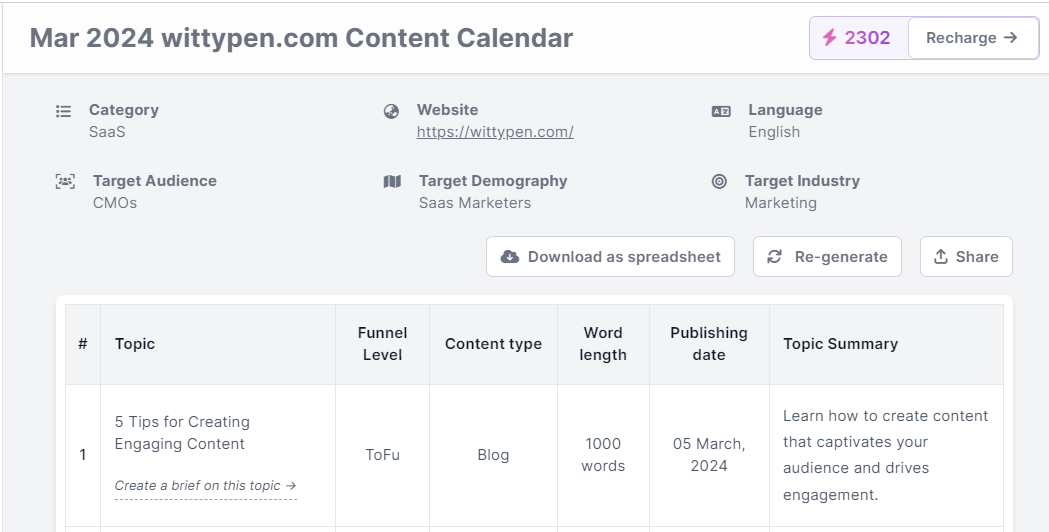
    Wittypen Content Calendar Generator’s Output source

    While a blog content calendar is crucial, who can primarily benefit from it? A blog content calendar can be helpful for both individuals and organisations alike. It’s ideal for anyone who wants to leverage content marketing to build a larger audience and generate leads. 

    1. Marketing Teams 

    The first group that can most certainly benefit from a blog content calendar is a business’s marketing team.

    Since brands aim to consistently publish blogs on the website to increase visibility and generate leads, a blog content calendar can help them streamline the research, production, publication, and organisation of their blogs. 

    What’s more, it also helps align the various members of their marketing teams to ensure there’s no overlapping of work or duplicated efforts.

    2. Content Creators 

    While a lot of content creators today primarily use social media platforms like Instagram and YouTube, many still have a website of their own and routinely publish blogs.

    Content creators who tend to work alone often produce a variety of content, and a comprehensive content calendar can help them streamline and plan their content production process. 

    3. Content Agencies 

    Content agencies typically tend to work with multiple clients at a time, and handling an endless list of content requirements can be a challenge. A blog content calendar can thus help agencies ensure the timely delivery of blogs to each client, thereby strengthening their reputation. 

    How to Build an Effective Blog Content Calendar?

    With the key beneficiaries of a blog content calendar out of the way, how can you build a comprehensive blog content planner? Let’s take a look at the six key steps involved in this process. 

    Step 1: Create a blog Content Calendar Template 

    The first step is to create a comprehensive blog content calendar template. While you can use a variety of content management tools and apps available online, these can be expensive, especially for creators and bootstrapped startups. 

    A readily available blog content planner template can thus be the ideal solution to add, track, and analyse all the effort you put into your website’s blog. Wittypen also offers a unique Content Calendar Generator that can help you generate, organise, and schedule all your content across a range of different marketing channels. 

    Source

    Step 2: Conduct Keyword Research 

    The next step is to perform keyword research for all your blogs. Keyword research in itself can be an extensive process and requires a lot of technical know-how.

    While a lot of businesses tend to use the first keywords they find that seem relevant, this approach isn’t the best. You can check out our detailed guide on how to perform keyword research for SEO to find the best strategies. 

    Gather all the keywords and their respective variations based on various metrics like CPC, keyword difficulty, competition, and so on. You can either export this data to your calendar (if it’s in the form of a spreadsheet) or add it to your template manually. 

    Step 3: Select Relevant Keywords Based on Your Intent 

    The third step is to categorise your keywords based on your intent. Different keywords are suited for different kinds of blogs.

    For example, “how-to” keywords that are often also long-tail keywords are best suited for informative blogs or those that are a mix of informative and commercial blogs. 

    On the other hand, branded keywords are best suited for linking to the primary landing pages on your website. Similarly, you can also categorise keywords based on topics.

    For instance, if you’re an interior design firm, you can categorise your keywords for different topics such as raw materials, kitchens, living rooms, bedrooms, lighting, and so on. 

    Step 4: Brainstorm Ideas For Your Blog Content Calendar

    Once you’ve gathered all your keywords and sorted them out based on your intent, you can use them as a foundation for planning blog content in terms of ideas and topics. With this, you’ll have a set of topics that you or your content team can start working on to get the ball rolling. 

    Each target keyword will also open the door to its relevant keyword cluster, which you can systematically optimise your blogs with while simultaneously tracking all this progress in your calendar. 

    You can easily create briefs for each blog using a tool like Wittypen’s Content Brief Generator, allowing your writers to curate perfectly optimised blogs for your website. 

    Step 5: Determine Your Publishing Schedule 

    Once you’ve created a list of topics that your content and marketing team can start working on, you must also decide on a schedule that determines how frequently you publish blogs on your website. 

    Creating this schedule from the get-go allows your business’s content team to manage their time better, thereby being able to ensure that the blogs are:

    1. Informative
    2. Rich in detail and examples
    3. Engaging to read

    This consistency also helps search engines rank your content better while improving your brand’s recall value in your audience’s minds. 

    Step 6: Organize your Blog Content Calendar for Maximum Efficiency 

    Last but not least, you must ensure that you keep your blog content calendar well organised at all times. Every member of your content and marketing team must be given an SOP on how to update the calendar to ensure data can be easily tracked.

    Doing so also helps you review and analyse your blog’s metrics with greater ease compared to doing so with a disorganised calendar. 

    Transform Your Content Production with a Blog Content Calendar!

    Regardless of the structure of your organisation, a blog content planner is an effective way of managing your content production. The steps in this guide show you how to use, customise, and maintain an organised calendar to streamline your website’s blog. 

    However, despite the use of a calendar, businesses often find it challenging to produce vast volumes of content, especially when doing so across a range of marketing channels. This is where a reliable content agency like Wittypen comes in.

    With a pool of 1000+ writers, we can effectively manage all your brand’s content requirements so you can focus on the other core aspects of your business. 

    Reach out to us to find out how we can transform your business’s content marketing efforts today!

  • Top 10 B2B Marketing Channels for Lead Generation

    Top 10 B2B Marketing Channels for Lead Generation

    For any business, generating new leads isn’t easy. Getting the ones that are the ideal fit for your products or services is an even bigger challenge. As per research, 53% of marketers reported spending at least half their budget on lead generation.

    This is usually the case for most B2B companies, with about 62% struggling with lead generation. The digital realm offers a new opportunity for these companies to find new leads, but doing this requires a strategic approach.

    Let’s uncover the ideal marketing channels for B2B marketing strategy and understand the strategies for effective lead generation, providing you with a framework for a long-term B2B marketing approach.

    The Use of Digital B2B Marketing Channels Is Growing: Here’s Why

    Ever since the shift to digital mediums, digital marketing channels have proven to be the most effective channels for B2B marketing strategy because of factors like:

    1. Wider Outreach

    As per the latest figures, 5.3 billion users worldwide (65.7% of the global population) are connected via the internet, and 4.95 billion people use social media in some form.

    This makes digital mediums the best channels for B2B marketing, helping you reach a wide audience.

    2. Ability to Control Your Target Audience

    Digital B2B marketing channels do not just boast of a huge reach but also provide the ability to control whom your messaging or posts will be showcased to. 

    Based on demographics, user behavior, interests, and other parameters, B2B marketers can define their target audience, making it easy to distribute their messaging to a focused audience.

    3. High-Quality of Leads

    Digital advertising and social media posts provide the unique advantage of allowing precise targeting of your audience based on specific criteria such as demographics, interests, and behavior. This capability ensures that your marketing efforts are not wasted on uninterested parties but are instead focused on individuals who are most likely to be interested in your products or services.

    As a result, your messaging reaches a highly relevant audience, significantly increasing the likelihood of obtaining high-quality leads. This targeted approach helps your business stand out amidst the vast amount of digital noise, maximizing the effectiveness of your advertising spend and improving overall campaign efficiency.

    4. Easy to track

    Digital channels make it easy for marketers to track audience response and user behavior. This includes clicks, engagement, page visits, and even the ability to track user progress, making it ideal to provide relevant messaging to a specific user.

    This level of detail in tracking user actions makes digital marketing one of the best B2B marketing channels.

    5. Cost Efficient

    B2B marketing channels offer a cost-effective alternative to traditional marketing methods, primarily because they allow for precise targeting of specific audiences. This targeted approach not only helps in reaching the most relevant group of potential customers but also significantly enhances the return on investment (ROI).

    Additionally, digital B2B channels provide the capability to continuously monitor audience interactions and engagement levels. This real-time data enables marketers to make immediate adjustments to their strategies, optimizing their campaigns as needed. Such flexibility and adaptability are generally not possible with traditional advertising or field marketing, where feedback loops are slower and adjustments more cumbersome.

    B2B Marketing Channels That Move Today’s Strategies

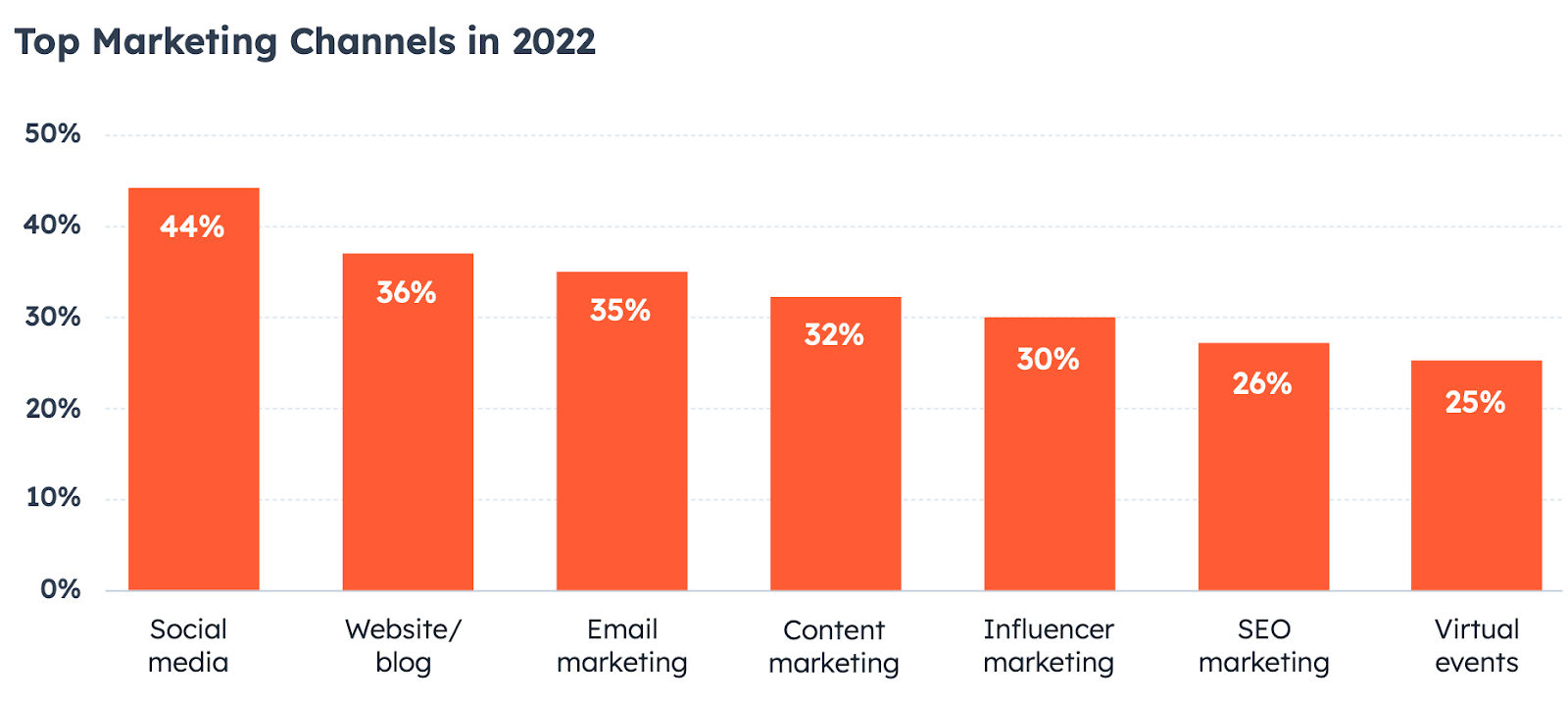
    B2B is a segment where the seller and buyer are both businesses. This makes B2B marketing slightly different from any other marketing segment since the approach needs to be tailored to attract a business-focused and highly niche audience.

    jEjm IxzSn3j7GU44ToCbs5mol8sjm7WAbMMko2T7o95OlxI43GF8Jdc5USly6Gb0fSw8gXTwViyrFbM64Ycrny0twFKNqyOuY sLLIYPuGHNlM1NYBvQL fdcGSHBxShW6qJMsG i1ngMhb91ymwNs

    Source: HubSpot – State of Marketing Trends Report 2022

    To attract new leads and share your message with your target audience, some of the best channels for B2B marketing include the following:

    1. Content Marketing

    Content reigns supreme in B2B, positioning brands as industry authorities. By creating and sharing valuable, relevant, and consistent content with your brand’s objective, you can gain new leads and even drive profitability.

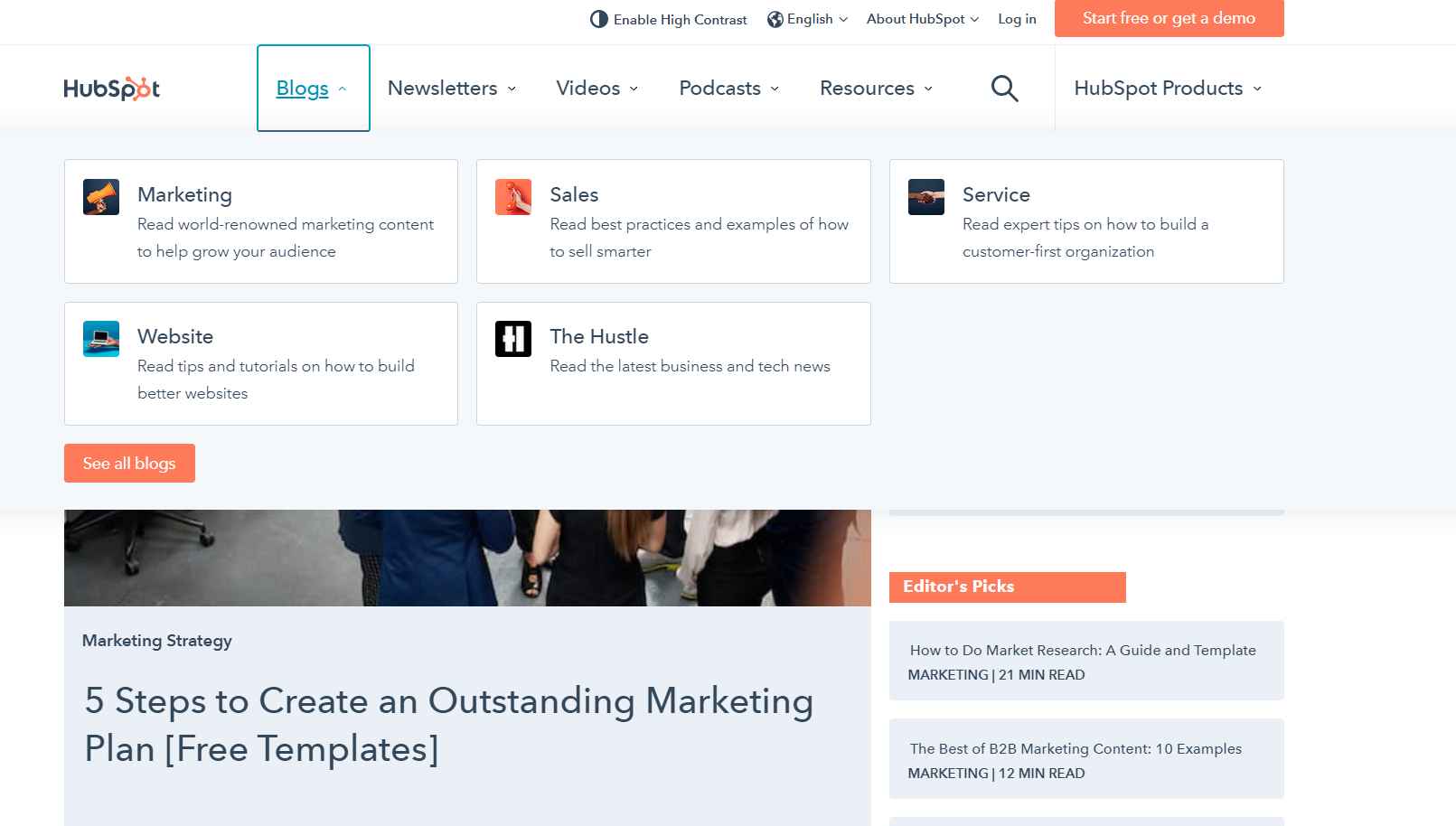
    Hubspot is a brand that has cemented its position as a market leader and go-to brand when it comes to anything marketing. The brand continues to use blogs, newsletters, videos, and podcasts to reach its target audience and has been one of the pioneers of using education to generate leads.

    HubSpot blog

    Source

    Good content also forms the bedrock of all your B2B marketing channels, which is why it is so important to get it right. Using SEO content writing services, you can craft a content strategy that is apt for your brand and can help you take your B2B brand to the next level.

    2. Search Engine Optimization (SEO)

    SEO is the bedrock of online visibility.

    Using SEO, B2B brands can optimize their websites to rank higher on the search engine results page (SERP). This can help you attract more organic traffic to your website, significantly increasing the chances of generating leads.

    A great way to provide value-driven content and increase your website’s ranking is by using pillar pages. Convertkit, a creator marketing platform, uses this strategy to its advantage.

    They create articles, podcasts, and long-form guides to help their target customers (including business and direct users) craft the right marketing strategies using their products.

    Source

    You can check out their pillar page on how to vlog, which details the entire process of subtly promoting their products and how to get started. If you want to use a similar strategy for your B2B marketing, we recommend starting with a content refresh.

    Content refresh will use your existing materials and blogs as the basis for creating fresh content relevant to today’s users and is a great way to boost your SEO.

    3. Programmatic Display Advertising

    Programmatic display advertising is an automated process of buying and selling advertising space in real-time. It is commonly used in Facebook or Instagram advertising, Google search ads, or display ads on web pages.

    Through automated, data-driven placements, your message reaches a specific audience. Real-time adjustments also ensure optimal performance, making each ad impression a potential lead.

    You can run programmatic advertising by bidding for a specific keyword or bidding for ad space targeted toward a specific user. You can thus get your brand right in front of your target audience using an omnichannel approach.

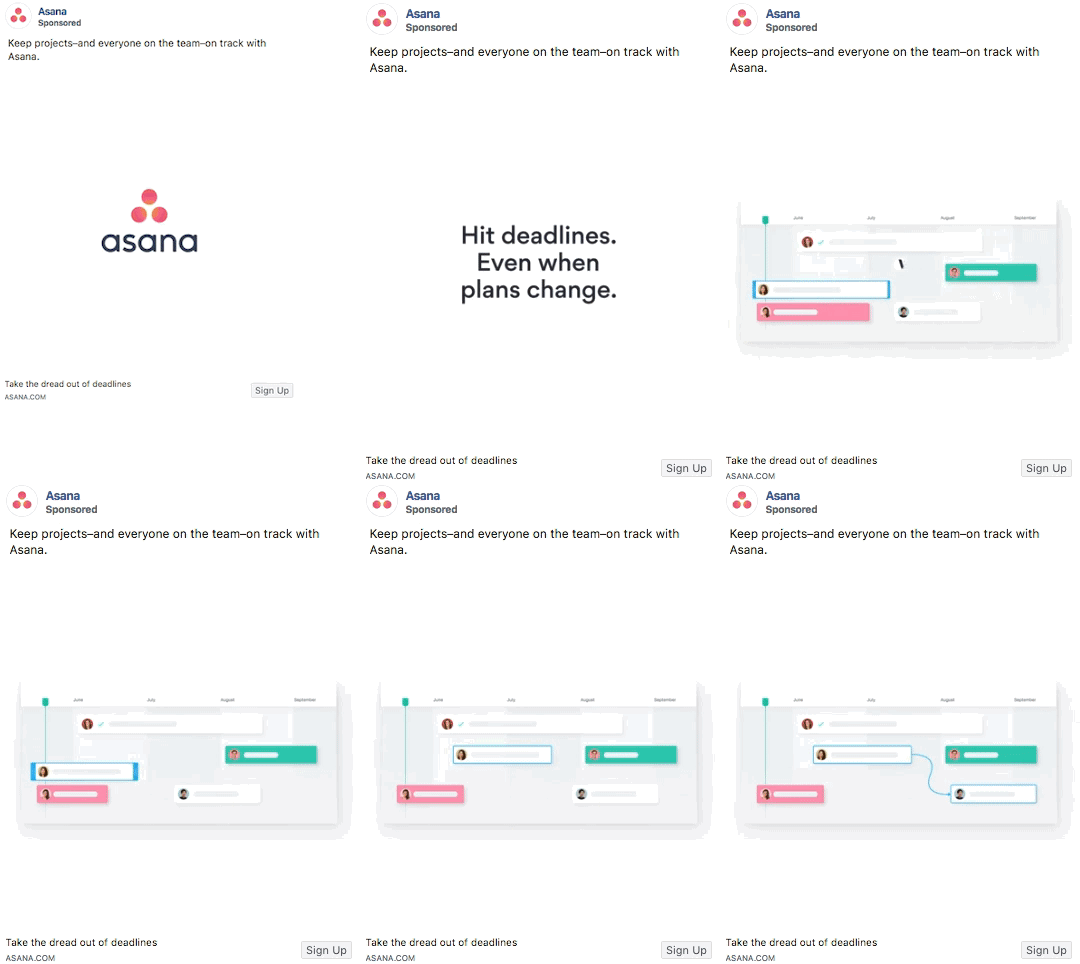
    An example of a powerful programmatic display ad is this sponsored ad by Asana on social media platforms. It targets users with clear intent and provides all the information they need to get started.

    video ads future Asana campaign example

    Source

    4. Events (In-person and Virtual)

    Another great B2B distribution channel is events, which can be in-person or virtual. From trade shows to summits, these events offer direct engagement opportunities to help you connect with your target audience.

    But you do not just have to rely on in-person events or tradeshows to get your B2B brand out there. Webinars and virtual events are great channels for lead generation, and 89% of marketers believe these channels outperform all other channels for getting qualified leads.

    The power of webinars is also in the way they are marketed. Instead of a direct sale, webinars have the power to educate and influence the buyer, giving you a positive head start to building a solid long-term relationship with the lead.

    5. Video Marketing

    If you think video is mainly for non-marketers in the B2C segment, you could not be more wrong. About 91% of marketers say they use video marketing as a tool to reach their target audience, a number that has increased steadily since 2016.

    Source

    The reason is that videos are a powerful way to engage your audience and convey your message.

    Video Source

    For video marketing channels in B2B, there are several options to explore, which include thought leadership, how-to videos, product demos, and more.

    Take this example of Salesforce talking about how it implements AI, which tells a story, engages the user, and showcases how Salesforce adds value to the customer.

    6. Podcasting

    A key challenge in B2B marketing is educating the target customer. Most customers are unaware of how a particular product or service can actually add value to their lives, and podcasts are a great way to teach the audience about how they can simplify their lives using the latest technology.

    Source

    Take the example of The SaaS Marketing Show by Hey Digital. The company, which specializes in providing digital marketing services to SaaS clients, has its own podcast to teach its audience just how effective its products and services are.

    9W4h1bw0GPh5UYeszwOtxIz7irUCukSIe4VBj4WeRmm1lxRlxZWKNclAZgW2P67vandW3iUKL1qKMh0H5hG1VJsSHfEh8oG0gJWdqtbsWcm qO5if0 ZKliGI 2emAQLHS8W

    Source: Statista

    They use case studies to showcase real-world success stories and even go deep into the strategy that adds tremendous value to their target audience.

    7. Social Media Marketing

    Social media is a powerful tool for B2B marketing. This is because it allows you to connect with potential customers, build relationships, and promote your brand.

    Most marketers are well aware of this, so 83% of B2B marketers mentioned social media as an effective B2B channel for lead generation, and 21% highlighted it as very effective.

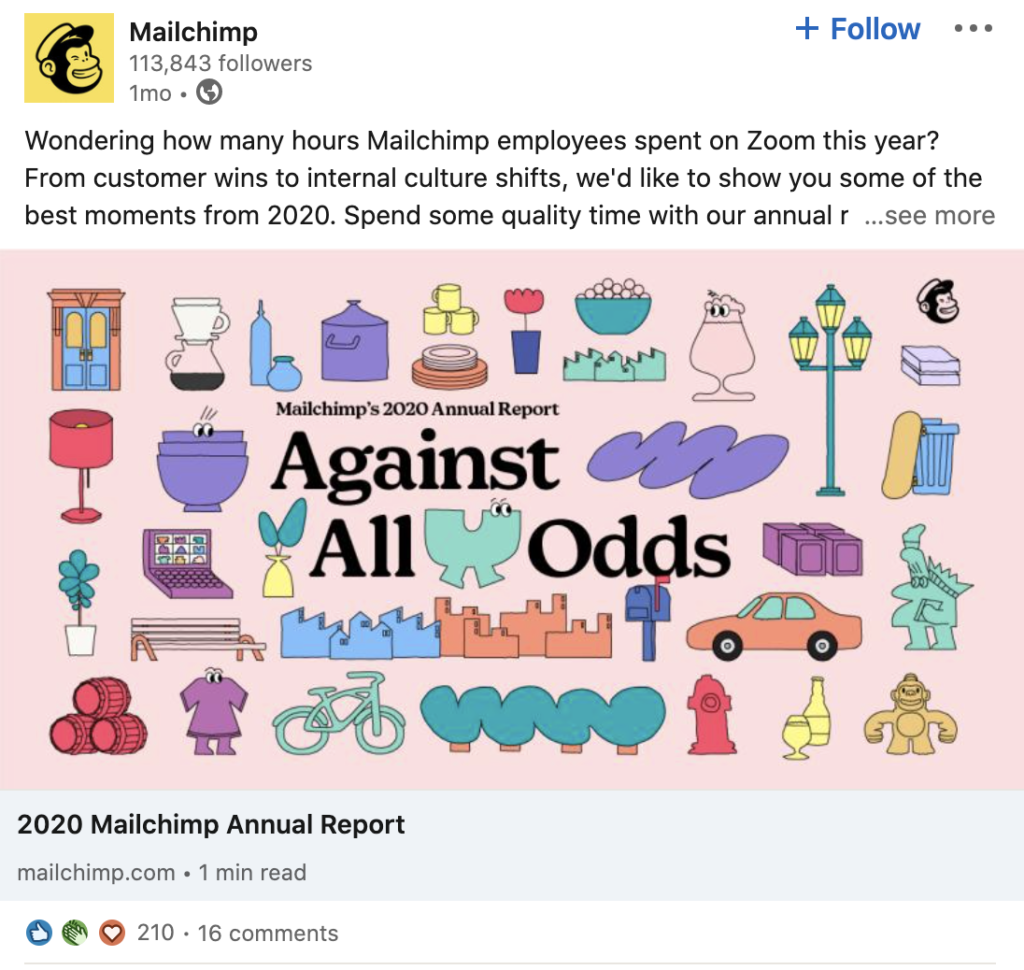
    A good example of brands using social media to their advantage is Mailchimp, which uses colorful posts and graphics to engage users.

    Mailchimp B2B social media example post from LinkedIn

    Source

    During COVID-19, the company created a report on how Mailchimp teams adapted to the situation and provided ideas for businesses to engage in the virtual environment. This subtle brand promotion can do wonders for B2B brands if leveraged effectively.

    8. Paid Search or PPC

    Paid search, or pay-per-click, is a type of online advertising that allows you to pay to have your website ads appear at the top of SERPs. This can be an alternative or used with SEO, and it is one of the best B2B channels to drive traffic to your website.

    An example of how B2B brands can use PPC advertising can be seen in this use case by KOMarketing. Using PPC search ads, it can get in front of the searcher, who is taken to their landing page.

    Once the user is given a compelling reason to fill out the form, it gets them into the lead generation process.

    9. Email Marketing

    The B2B marketing channels we explored help brands generate leads or focus on the inbound approach to promote their products and services. But a great way to keep nurturing your leads is by using email marketing.

    This is because it allows you to reach your audience directly in their inbox instead of relying on them to come to you. This direct approach has been proven to generate long-term relationships for B2B brands and involves using personalized campaigns to nurture relationships.

    Take the example of Atlassian’s well-designed email that tells its users about the updates it is rolling out. This simple yet power-packed email talks about the new features and benefits for its users, touching upon the key ingredients of a solid email: relevance, timeliness, and value.

    What Makes a B2B Marketing Channel “The Best”?

    While each B2B marketing channel brings unique strengths to the table, the best ones align seamlessly with your business goals. The best channel for B2B marketing is one that reaches your target audience and resonates with them, fostering meaningful interactions.

    Whether it’s the visual impact of video marketing or the personalized touch of email campaigns, a successful strategy hinges on understanding your audience and selecting channels that complement your brand identity.

    Leverage The Right B2B Marketing Channels For Lead Generation

    Content is the fuel for your lead generation efforts.” – Dayna Rothman

    Lead generation for B2B is slightly different from others since the objective is not about massive reach but targeted outreach.

    The B2B marketing channels we have covered in this blog are only the starting point of what you can do using the power of digital marketing. To succeed, brands must create a strategic content marketing approach to add value to their clients using B2B distribution channels.

    Ready to start generating more leads for your business? Wittypen will help you understand how we can help you develop and implement a successful B2B marketing strategy.

  • Iconic Creative B2B Marketing Campaigns from the Past Years

    Iconic Creative B2B Marketing Campaigns from the Past Years

    Introduction

    Gone are the days when groundbreaking B2B marketing campaigns were few and far between. We’re talking about the past two decades—a time when marketing initiatives didn’t just happen; they exploded onto the scene, leaving every budding brand wide-eyed.

    These marketing campaigns not only reflect sheer creativity; they also reek of clever strategies and tactics, well-aligned storytelling, and picture-perfect execution.

    In short, they basically flip the script, going beyond the usual and stepping out of the average box.

    In this blog, we’ll explore some of the most iconic B2B marketing campaigns from the past few years, breaking down the key elements and strategies that contributed to their success.

    Let’s start!

    Important Elements That Make Marketing Campaigns “The Best”

    Image Source

    When it comes to brewing a fantastic marketing campaign, many factors mingle together to make the magic happen.

    Here are five of the most essential elements that collectively weave the best B2B campaigns:

    Fluent Audience Understanding:

    Having a clear idea of the target audience ensures the campaign is precisely designed and personalized to appeal to prospective buyers. This helps the campaign resonate on a deeper level, establishing a connection with the intended audience.

    Absolute Message Clarity:

    At times, marketers complicate a campaign with so many intricacies that the main gist fails to get communicated to their audience. This is why it’s crucial to craft a message that’s compelling yet clear.

    Pioneering Creativity:

    The most foolproof way to make a lasting impact on the audience is by creating a marketing campaign around an ingenious theme. The best example is Spotify’s Wrapped campaign. It captivated audiences with its innovative approach, highlighting the power of pioneering creativity in marketing.

    Clever Promotional Strategy:

    No matter how well a marketing campaign is planned, if the distribution strategy is not pervasive, all the efforts will go in vain. So, choosing the best promotion channels is pivotal when it comes to ensuring the success of a marketing campaign.

    Solid KPIs:

    KPIs (Key Performance Indicators) reveal the strengths and shortcomings of a marketing campaign. This largely contributes to steering it towards success.

    Solid KPIs are those that are carefully chosen and directly aligned with the campaign’s objectives, whether they are focused on increasing brand awareness, driving website traffic, or boosting sales. Through the continuous monitoring and analysis of KPIs, marketers can identify the strengths and shortcomings of their campaigns in real time.

    Innovative B2B Marketing Campaigns for Inspiration and Creativity

    Source

    Presenting the 10 best B2B marketing campaigns that recently reshaped brand identities and left a lasting impact on audiences:

    1.  IBM’s “Smarter Planet” Campaign

    Source

    About the Campaign

    Launched in late 2008, IBM’s “Smarter Planet” campaign continues to be exemplary in the tech industry. This marketing initiative revolved around establishing technology as the core solution to modern corporate problems.

    To help businesses become extra efficient and productive, the primary focus was emphasized on making systems and industries more interconnected and, thus, “smarter.”

    The Execution

    The execution of the campaign was spot-on. The brand published weekly essays in leading newspapers, a strategy they called “op-ads.” Typically, these ads would showcase a catchy headline followed by thought-provoking content on issues like energy savings, water management, etc. 

    Besides this, IBM also optimized other distribution channels, such as social media, online video, and live events, to communicate with their target audience.

    The Impact

    The result yielded by this innovative campaign was bountiful for IBM. It increased the company’s revenue by a whopping 37% while also helping it achieve a 16-year high in revenue in 2011 that monetized to $106.92 billion!

    2.  Salesforce’s “No Software” Campaign

    Source

    About the Campaign

    Today, most companies rely on complex technology and automation processes to run their businesses. But back in early 2000, software usage was new, limited, and quite a fuss. Salesforce took note of this pain point and started its “No Software” campaign in February 2000.

    This initiative highlighted a business’ struggle with on-premises software and how it adversely affected operational efficiency.

    As a remedy, the company pushed its pioneer cloud-based Customer Relationship Management (CRM) platform to its audience. It allowed businesses to access corporate apps from a browser and skip the lengthy process of downloading them on a server.

    The Execution

    To reach out to its target audience, Salesforce optimized a range of marketing channels. From using media outreach campaigns to staging theatrical protests and paying actors to carry “anti-software” slogans, the company managed to create a stir. Basically, its marketing strategy revolved around igniting controversial publicity to gain attention.

    The Impact

    The campaign garnered positive results. By the end of March, Salesforce had emerged as a market leader, growing its revenue from $5.43 million in 2001 to $22.4 million in 2002!

    3.  General Electric’s “Ecomagination” Campaign

    Source

    About the Campaign

    It was in May 2005 that General Electric (GE) launched its famous “Ecomagination” campaign. But even after decades, it stands as a holy grail for marketers, as the whole drive perfectly encapsulates the benefits of aggressive first-mover advantage in B2B marketing.

    GE’s “Ecomagination” project was kicked off as a public awareness drive that aimed at mainstreaming the then-emerging concept of sustainability. Through this campaign, the company’s main aim was to exhibit its unparalleled commitment to the environment and establish itself as a sustainable brand.

    The Execution

    In order to achieve this, GE structured the whole marketing campaign on four pillars: efficient production, reduction in greenhouse gas emissions, cutting water usage, and cleaning water.

    On the marketing front, GE was equally ingenious. It used several channels, including some of the best B2B advertising channels, public relations, event marketing, and marketplace advocacy. 

    The Impact

    As a result, GE not only managed to establish itself as an environmental-centric brand, but it also received the title of “Top Global Green Brand” in 2017 from Fortune, while the campaign has generated more than $160 billion in revenue.

    4.  HubSpot’s “Inbound Marketing” Campaign

    Source

    About the Campaign

    For the longest time, the definition of marketing translated to cold calling, print advertising, or, at best, telemarketing. But thanks to the change in customer behavior and the arrival of digital marketing, these methods proved insufficient for filling the sales pipeline of businesses.

    To address this, HubSpot came up with its avant-garde “Inbound Marketing” campaign around 2006.

    For businesses, this fresh initiative aimed to “attract, engage, and delight” the target audience instead of chasing them. HubSpot facilitated this by utilizing a range of its content marketing tools and tactics, like blogs, social media content, webinars, Search Engine Optimization (SEO), etc.

    The Execution

    The initiation of this marketing campaign also heavily relied on inbound marketing strategies.

    HubSpot resorted to content creation and created compelling blog posts and educational content around the topic. It also promoted the campaign by distributing free tools and resources, offering free certifications, hosting webinars, and highlighting customer success stories.

    The Impact

    Having coined the term, this campaign bestowed HubSpot with the reputation of an inbound marketing expert. In fact, it also tripled its revenue and reach. In 2022 alone, the company garnered an annual revenue of $1.731 billion!

    5.  HCL Technologies: “Technology That Touches Lives” Campaign

    Source

    About the Campaign

    In 2005, HCL initiated a global brand campaign called “Technology That Touches Life,” one of the first ever to do so. The motive behind the drive was singular: positioning the company as an innovative IT and tech brand that demonstrates strong, dynamic proficiency in the domain.

    To foster this, HCL highlighted three of its top advantages: unparalleled strength, 30 years of industry expertise, and a skilled, fresh workforce—to underline how its services positively impact people’s lives. 

    The Execution

    For executing the campaign, HCL took a strategic approach and left no communication channel untouched to reach its target audience. The company utilized it all, from electronic and print media to door-to-door advertisements and online channels.

    However, it most heavily resorted to visually appealing and profound TV advertisement campaigns, still regarded as one of the best B2B advertising examples in the industry.

    The Impact

    The outcome proved to be fantastic. HCL became a household name, and its brand’s awareness largely increased. In fact, the campaign was so successful that the company launched its sequel in 2008.

    6.  Tata Steel: “We Also Make Tomorrow” Campaign

    Source

    About the Campaign

    Tata Steel’s “We Also Make Tomorrow” campaign testifies how a clever B2B marketing initiative can earn the brand a significant amount of public confidence.

    This marketing drive was launched in 2018. As the slogan suggests, it revolved around creating awareness about sustainable practices for a better tomorrow. Through the campaign, Tata Steel aimed to forge itself as an eco-friendly and innovative steel brand.

    The Execution

    In order to appeal to its target audience, the company highlighted its shift in business approach. It communicated how its revamped products and services were not only ingenious but also equally sustainable and environmentally friendly.

    Its microsite, WeAlsoMakeTomorrow.com featured sustainable landmarks built with Tata Steel, like Burj Khalifa. Most significantly, Tata Steel emphasized its contribution to biodiversity conservation.

    To execute the campaign, the company primarily took help from social media. It curated an exclusive YouTube playlist comprising 31 thoughtful videos depicting the importance of sustainability, the company’s contribution, etc.

    The Impact

    By the end of the campaign, Tata Steel’s brand value had gone off the charts. In 2018, its Q3 profit rose to ₹1,753 crore. Moreover, the YouTube campaign managed to garner over 330 million impressions and fulfilled the goal of positioning the brand as forward-looking.

    7.  Infosys: “Building Tomorrow’s Enterprise” Campaign

    Source

    About the Campaign

    In the early 2010s, a major digital transformation dawned upon the business world. However, only Infosys was among the few IT giants to seize this forthcoming opportunity. The company carefully crafted a marketing initiative with the aim of positioning itself as an evolving IT partner.

    The whole drive was based on seven global mega-trends: digital consumers, pervasive computing, emerging economies, smarter organizations, new commerce, and sustainability.

    The idea was to deliver hyper-personalized IT products and services to facilitate the development of agile, resilient, and future-forward enterprises.

    The Execution

    For its marketing, Infosys relied on a multi-channel approach. It leveraged social media, SEO blogs, live events, webinars, and more with a simple strategy: clear, impactful communication of its message.

    The Impact

    The campaign turned out to be a super hit. It enabled Infosys to foster strategic partnerships with its customer base while adding to its expert stature in the industry. 

    8.  Drift’s “No Forms” Campaign

    Source

    About the Campaign

    Back in 2015, most seasoned marketers still relied on forms to generate leads. From Contact Us forms to feedback forms, a company’s entire burden of lead generation would depend on these input fields. But with the change in customer behavior, this was becoming increasingly bygone.

    Drift came up with a solution with its “No Forms” campaign. It vowed to replace these tardy website forms with live chat. It aimed to push the idea of employing these conversational marketing providers to capture leads.

    The Execution

    It used a very aggressive, futuristic marketing approach to foster this initiative. Slogans like “Drift is changing the way businesses buy from businesses” greatly impacted people’s mindsets. Moreover, Drift used social media and content marketing to elucidate this new lead generation technique’s feasibility for its target audience. It leveraged a mix of quotes, videos, and queries to make the content easy for readers to digest.

    The Impact

    The results from the campaign were outstanding. Drift became a pioneer in conversational B2B marketing. Besides, its personal lead generation volume exponentially shot up, with over 63% of website visitors interacting with its sales representative.

    9.  Carpathia’s Referral Program Campaign

    Source

    About the Campaign

    Carpathia launched its Referral Program campaign in 2010–11. Back then, this marketing tactic was only used in the B2C sector because, obviously, a business has more important things to do than refer one to another, right? But guess what? This company challenged this norm.

    Through this B2B campaign, Carpathia started a three-step referral program. Upon signing up, businesses would receive insightful free resources, and a successful referral would gain their commission.

    The Execution

    To spread the word about the campaign, Carpathia capitalized on word of mouth and updated content marketing methods. It used bold, compelling color schemes and a simple tonality to communicate with its target audience.

    The Impact

    As an outcome, Carpathia managed to loop in hundreds of new clients and was eventually acquired by QTS for a whopping $326 million.

    10.  Couchbase’s ABM Campaign

    Source

    About the Campaign

    Couchbase stands as one of the best examples of B2B marketing campaigns. The company initiated its ABM campaign in 2017 to solve one of its most prominent issues: generating high-value, sales-qualified leads.

    The entire program was based on creating awareness about Couchbase’s NoSQL solutions among a fresh audience.

    The Execution

    To reach out to them, the company optimized its ABM strategy, an innovative technique that leveraged data and buyer personas to outline new prospects.

    In turn, these insights on buyer personas facilitated marketing for Couchbase. As a result, it was able to create highly tailored, targeted content to communicate with its audience.

    The Impact

    By the end of the campaign, Couchbase had managed to generate $1.5 million in sales pipeline prospects. Moreover, giants like Cisco and Verizon made up a part of its clientele.

    In this regard, remember that a well-crafted SEO strategy not only enhances visibility but also ensures your content resonates with your target audience. So, as you plan to enhance your marketing efforts in the upcoming years, investing in top-notch SEO content writing services is not just a choice—it’s a critical decision that can either boost or compromise your online presence.

    Key Takeaways and Future Insights

    Today, the entire landscape of B2B marketing has transformed. With the emergence of the digital revolution, it has become immensely data-driven and customer-oriented. If your business currently needs better B2B marketing campaign ideas, check out what successful pioneers have done so far.

    Fortunately, the recent past has witnessed the rise of exemplary B2B campaigns that have navigated this new path with brilliance. These success stories now serve as invaluable guides and offer guidance and inspiration for those seeking to carve their own path to success.

    If you need help creating your own iconic creative B2B campaign, Wittypen can help. We’re a team of experienced creative writers and designers who create B2B marketing content strategies that drive results.

    Schedule a free demo today to learn more!


  • 8 Amazing B2B Marketing Ideas for 2024

    8 Amazing B2B Marketing Ideas for 2024

    For the past decade, visibility and credibility have become fundamental to making a business thrive. In the digital era, it is essential to establish your visibility and credibility in order to showcase the specialized and unique value of your business.

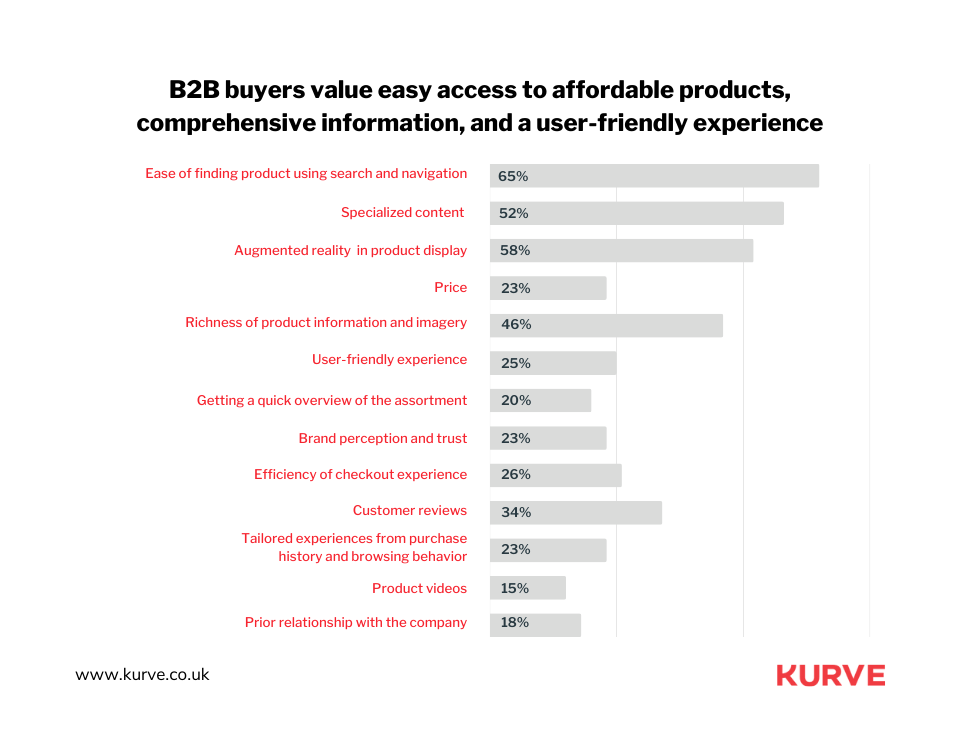
    As indicated below, easy access ranks as the top value for B2B buyers. With a few clicks, the consumer must be able to find you and also believe that your business has what it takes to deliver its needs.

    Image Source

    As 2023 comes to a close, this article will help you understand how 2024 will look and get a head start on the top B2B marketing ideas. 

    What is B2B?

    Before we get cracking on B2B marketing ideas and trends, let’s first understand what B2B means. B2B is an abbreviation of business-to-business, wherein products and services are exchanged between multiple businesses or organizations, not individual consumers.

    A simple example of B2B interactions would be IBM (International Business Machines), a business organization selling its cloud computing solutions to another business, Reliance Industries. Here, the exchange is between two businesses, not a business and a consumer.

    What is B2B Marketing?

    B2B target audiences usually seek an ROI and a solution to a specific problem. The entire dynamic of B2B is so unique that while many platforms remain the same, the B2B marketing strategies adopted differ from B2C.

    B2B marketing ideas cover all strategies to target or sell products or services to other businesses. Considering the stark contrast in the audience’s needs, designing B2B marketing ideas for your business is so crucial that 76% of B2B companies have a formal B2B marketing strategy.

    If you’re still wondering how vital marketing to B2B companies is, let’s first understand how B2B buyers prepare before deciding. Here are a few facts:

    • The average ROI of B2B marketing is quite lucrative, with content marketing at 300%, and account-based marketing shows an average ROI of 200%.
    • The survey below emphasizes that 52% of B2B decision-makers go through extensive research on their suppliers even before accepting a sales meeting.

    Image Source

    Without the right B2B marketing ideas, a business finds it challenging to stay on the map and in competition. B2B marketing ideas also tremendously boost brand awareness amongst your potential buyers.

    B2B Marketing Ideas to Watch in 2024

    Here are some trends that could help your business excel:

    Content Marketing

    Content as a part of B2B marketing ideas has continued to evolve through past blogs and case studies in recent years.

    Image Source

    According to the above data, the one thing that has been proven constantly is its impact on the business. B2B content marketing boosts brand awareness and credibility and generates leads in each relevant field.

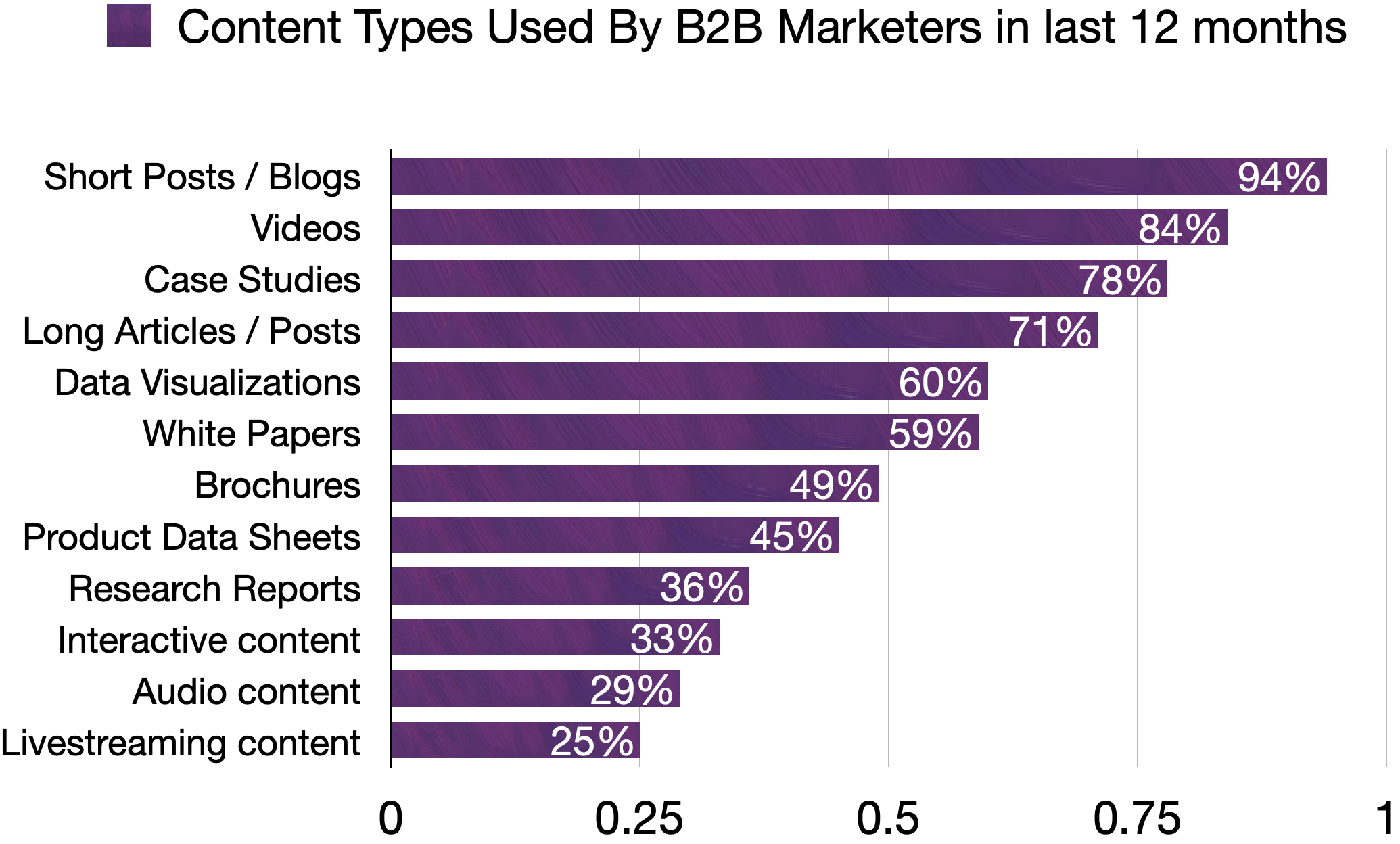
    To establish the most importance, another statistic ranks blogs and video content as the most used among the various types of B2B content marketing, with audio content as a budding underdog of all B2B marketing ideas.

    image source

    Among the many content marketing strategies, here are the most effective B2B marketing ideas you could use:

    Make High-Quality Blog Content

    image source

    Research shows that 78% of B2B marketers see increased success with higher-quality content, not to mention that 47% of B2B buyers consume up to five B2B content marketing pieces before making a decision. Focus on quality blog content holds tremendous value in expediting the purchase cycle.

    With the help of experts like Wittypen, creating high-quality, fresh blogs or refreshing your existing content can go a long way toward showcasing your business’ position as an industry expert.

    Create Engaging Video Content

    Video content is one of the leading B2B marketing ideas. This is further proven by the fact that about 84% of B2B marketers use video content. 

    When incorporated into B2B marketing ideas, engaging video content can showcase testimonials, simplify product information, and help generate organic traffic.

    Podcasting for Thought Leadership

    The trends of podcasts are quickly gaining tremendous traction, with over 71% of B2B brands considering podcasts to be a top-tier content format. This allows businesses to showcase their expertise in a much easier-to-consume format.

    Social Media Marketing

    Social media as a B2B marketing idea greatly benefits SEO ranking, brand image, and lead generation.

    image source

    The statistics above show why using social media marketing as a B2B marketing strategy is on the rise. Here are the platforms that B2B marketers confirm to deliver the most value for these very benefits:

    LinkedIn Marketing

    Statistics show that about 80% of B2B leads on social media are from LinkedIn, and about 84% of B2B marketers find LinkedIn to deliver value in lead generation as a B2B marketing strategy.

    As a B2B marketing idea, its lead conversion continues to be a highlight that all B2B marketing campaigns must incorporate. LinkedIn builds leads and recognition while fostering relationships for your business.

    Twitter Advertising

    Advertising with the help of Twitter (now known as X) as a B2B marketing idea boosts engagement and awareness. Despite going through a branding or image issue in the past year, it continues to be a handy tool for tracking trends and analytics concerning consumer engagement.

    Instagram and Visual Storytelling

    To set the context before getting into it, currently, Instagram has a monthly active user base of more than 1 billion. Despite such a large user base, as a B2B marketing idea, it has yet to be perceived as B2B-friendly.

    However, Instagram is gradually breaking through this perception through advertisements and reels. As a B2B marketing idea, Instagram could show phenomenal results in brand recognition and lead generation.

    Email Marketing

    Email newsletters and email communications are among the most used distribution channels. The primary reason behind this is the ability of email marketing to appeal to a more personal and direct connection as it reaches an email user directly.

    It can also nurture leads and relationships on a different scale, so much so that 8 out of 10 B2B marketers’ email marketing strategies help retain clients.

    Let’s understand this B2B marketing idea with various ways it can be implemented:

    Personalized Email Campaigns

    This B2B marketing idea allows customers to receive emails specific to fulfilling their needs, not just another mass email catering to the masses. Another critical aspect of personalized sender emails is that it helps B2B marketers stay out of the spam folder and within the eyes of the customer.

    Account-Based Marketing (ABM) via Email

    ABM involves sales and marketing to collectively engage specific target accounts considered a good fit for your brand. This is becoming a compelling B2B marketing idea as it helps businesses hone in on best-fit accounts and focuses on converting them into sales.

    Drip Email Campaigns

    These are sets of automated emails that are sent out based on specific triggers or user actions. An effective drip email effectively builds long-term relationships with your customers.

    SEO and SEM

    Incorporating search engine optimization (SEO) and search engine marketing (SEM) into your B2B marketing strategy is becoming increasingly vital.

    Search ranking and domain visibility can directly impact your business’s brand position. With the help of both SEO and SEM strategies, the increase in webpage traffic can potentially attract high volumes of revenue and business.

    Let’s get into these B2B marketing strategies a little deeper.

    Optimizing for Voice Search

    This B2B marketing idea aims to improve your visibility on the search engine platform dramatically.

    With the appropriate use of long-tail keywords and the help of SEO tools offered by Wittpen, you can check and optimize voice search on search engines. This opens up a pathway to easier accessibility for all customers and a much higher ranking on the search engine.

    The medium- and long-term benefit of this B2B marketing idea is that there will be organic traffic for your business, which immensely helps lead generation and brand visibility.

    Pay-Per-Click (PPC) Advertising

    This is one of the most essential components of SEM in a business’ B2B marketing strategy. PPC advertising is a paid method to increase website traffic, and with the correct use of effective keywords in the PPC ad, your business could attract a great deal of traffic and revenue.

    Influencer Marketing

    Image Source

    Influencer marketing was once used only in B2C but has slowly dribbled into the B2B marketing strategy landscape. This is proven by the fact that about 61% of B2B marketers agree that influencer marketing has boosted their sales revenue.

    To understand how to use influencer marketing in B2B marketing, let’s look at the two most trending B2B marketing strategies:

    Partnering with Industry Influencers

    Through expert testimonials, businesses can use this B2B marketing idea to enhance their brand reputations. With these influencer testimonials undoubtedly lending credibility to your business, decision-makers will be more inclined to initiate a business relationship with you.

    Employee Advocacy Programs

    This B2B marketing idea revolves around showcasing your employees as advocates, amplifying organic reach by 200%, and expediting the overall sales cycle.

    The advocacy program fosters trust among B2B decision-makers, assuring them that entering into a relationship with your vendor entails adopting best practices and delivering value for the employees.

    Mobile Marketing

    While understanding the importance of mobile marketing, we must remember how much our mobile devices are already a part of our daily decisions.

    Mobile devices contribute to a whopping 55% of web traffic. This is one of the vital reasons why adapting sites to be mobile-friendly will be one of the top trends for B2B interactions in 2024. 

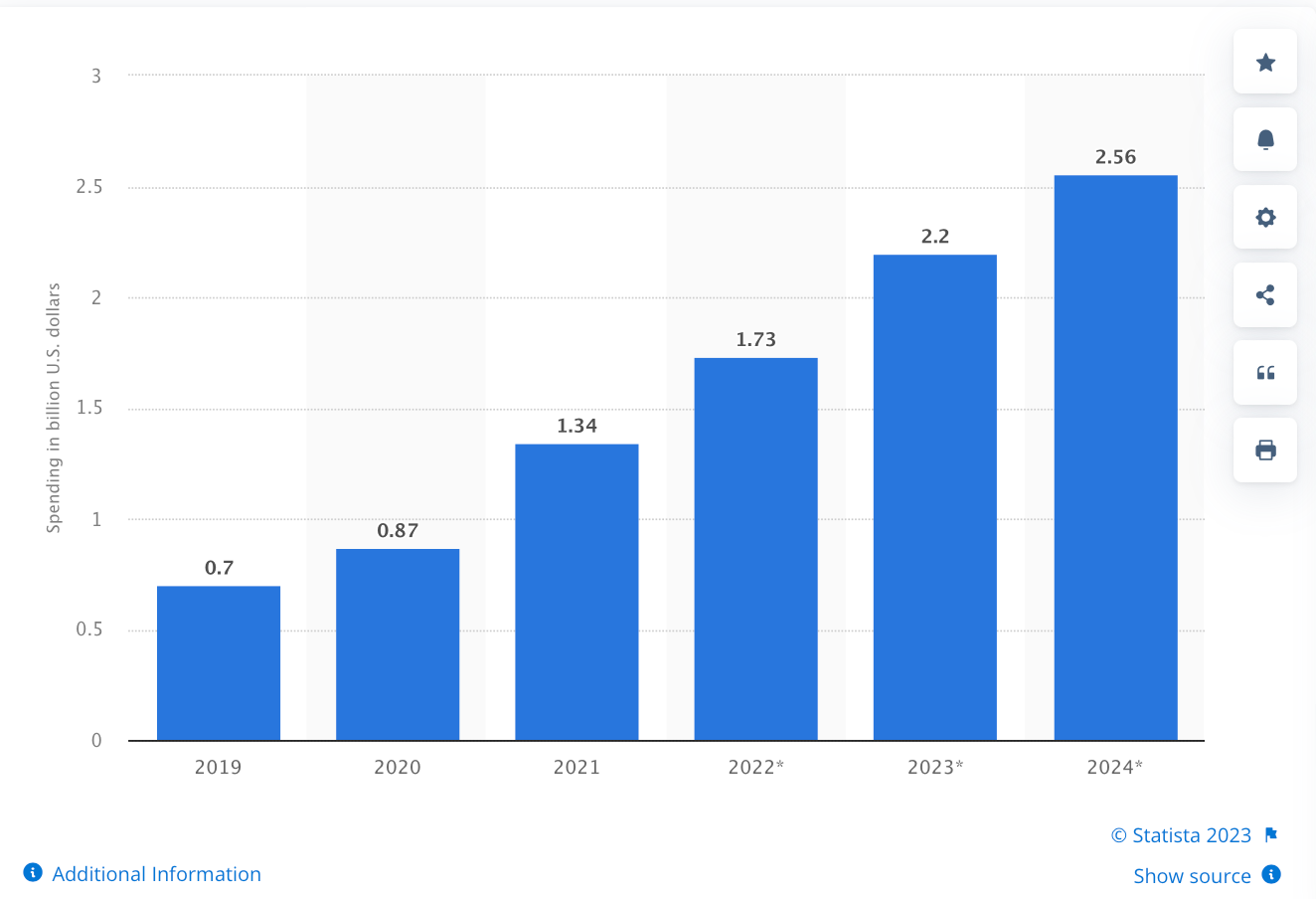
    Considering that B2B mobile marketing expenditures in the US alone amounted to $5.39 billion, the B2B world is on its way to making the most of the B2B marketing idea.

    Optimizing B2B Marketing for Mobile Devices

    Businesses must incorporate mobile marketing into their B2B marketing strategies and ensure all emails, webpages, and messages are optimized to be mobile device-friendly.

    B2B Mobile Marketing Success Stories

    Adobe:

    Adobe is known to be a creative and marketing software giant with a great hold of its user base. Adobe identified the importance of introducing its creative cloud suite and other solution software into the mobile-friendly space.

    Set in a market segment where formats like PDF were not entirely mobile-friendly, their B2B marketing strategy generated mobile apps that allowed their B2B consumers to use their product features seamlessly through their mobile devices. Also, their cloud services allowed users to transfer work across their devices.

    Spotify:

    Spotify employed a B2B mobile marketing strategy by balancing its Freemium and Premium memberships through in-app advertisements. Enterprise Marketers establish partnerships with brands for targeted advertising.

    To thank the top partnerships, Spotify released a creative “A Song For Every CMO” campaign, where personalized songs are released about the CMO of each of the top partnership brands. It was made available through its in-mobile streaming app for the public.

    Spotify showed a deep understanding of client preferences, extending its B2C practices to B2B to uniquely strengthen its relationship with its clients.

    AI and Automation

    In 2023, leveraging AI and automation into B2B marketing ideas has opened doors to vast information. Here are some examples of how using AI and automation has changed the B2B marketing landscape:

    1. AI in Data Analytics

    With AI’s help, businesses can now collect consumer information and comb through it to offer data-driven decisions for valuable insights and personalized experiences and achieve better results.

    In fact, Wittypen AI tools also use data analytics to assist in scheduling content according to your industry so that your content reaches the maximum audience possible.

    2. AI and Automation in Leads and Sales

    After automating tasks and using AI, businesses can generate more efficient leads while sharing details, such as the likelihood of converting into a sale. This streamlines lead and sales generation.

    3. AI in Customer Experience

    With the help of AI in B2B marketing ideas, such as chatbots and virtual assistants, businesses can assist their customers 24/7 and provide a more robust experience and problem resolution.

    4. AI in Website Content and Performance

    Using AI algorithms to sift through clicks, reads, and interactions, AI can help businesses optimize their webpage performance to improve customer experiences.

    To top it off, using AI brief generators by experts like Wittypen allows you to use AI to keep your webpage current and relevant.

    User-Generated Content (UGC)

    UGC can have a significant impact on your B2B marketing strategy. A business could use photos uploaded onto Instagram by an industry expert as testimonials.

    According to a survey, over 90% of B2B buyers trust peers in their industry. This is why this B2B marketing strategy helps increase brand trust and credibility through word of mouth.

    B2B Marketing Examples

    With all the key marketing trends in mind to thrive in the B2B industry, here are a few success stories that have left a mark:

    Freedom to Transform: Oracle

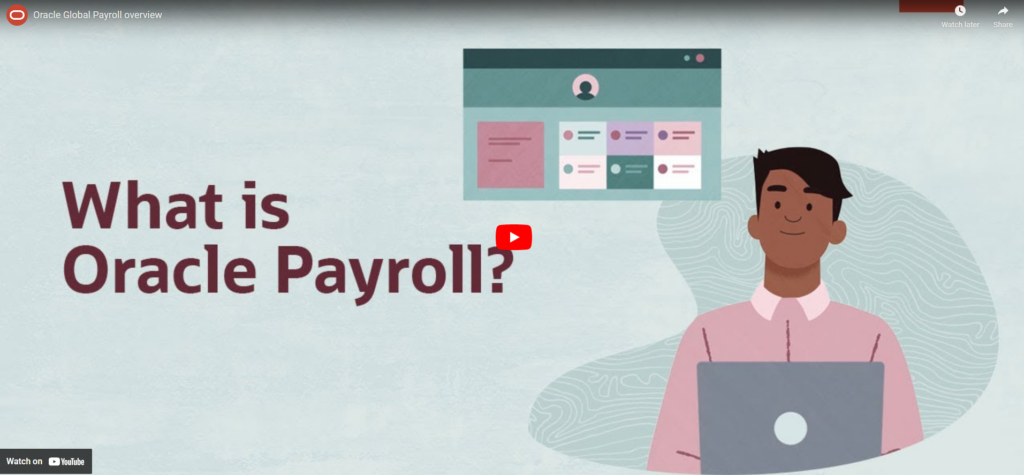
    Enterprise data solution MNC Oracle made excellent use of a video marketing campaign to send a message to all small and medium businesses. They created an educational campaign to increase their brand awareness and get them to think about their solutions.

    They proceeded to make several infographics and product explainer videos, such as the one below. In this video marketing campaign, they also shared links to their platform that equipped users with their tools, learning pages, and even engaging with their communities.

    Image source

    This B2B marketing idea cleared up the misconception that Oracle was limited to large businesses and, in the end, opened up the possibilities of cost-effective solutions for many more businesses.

    Personalized Email Campaigns: Double Your Freelancing

    image source

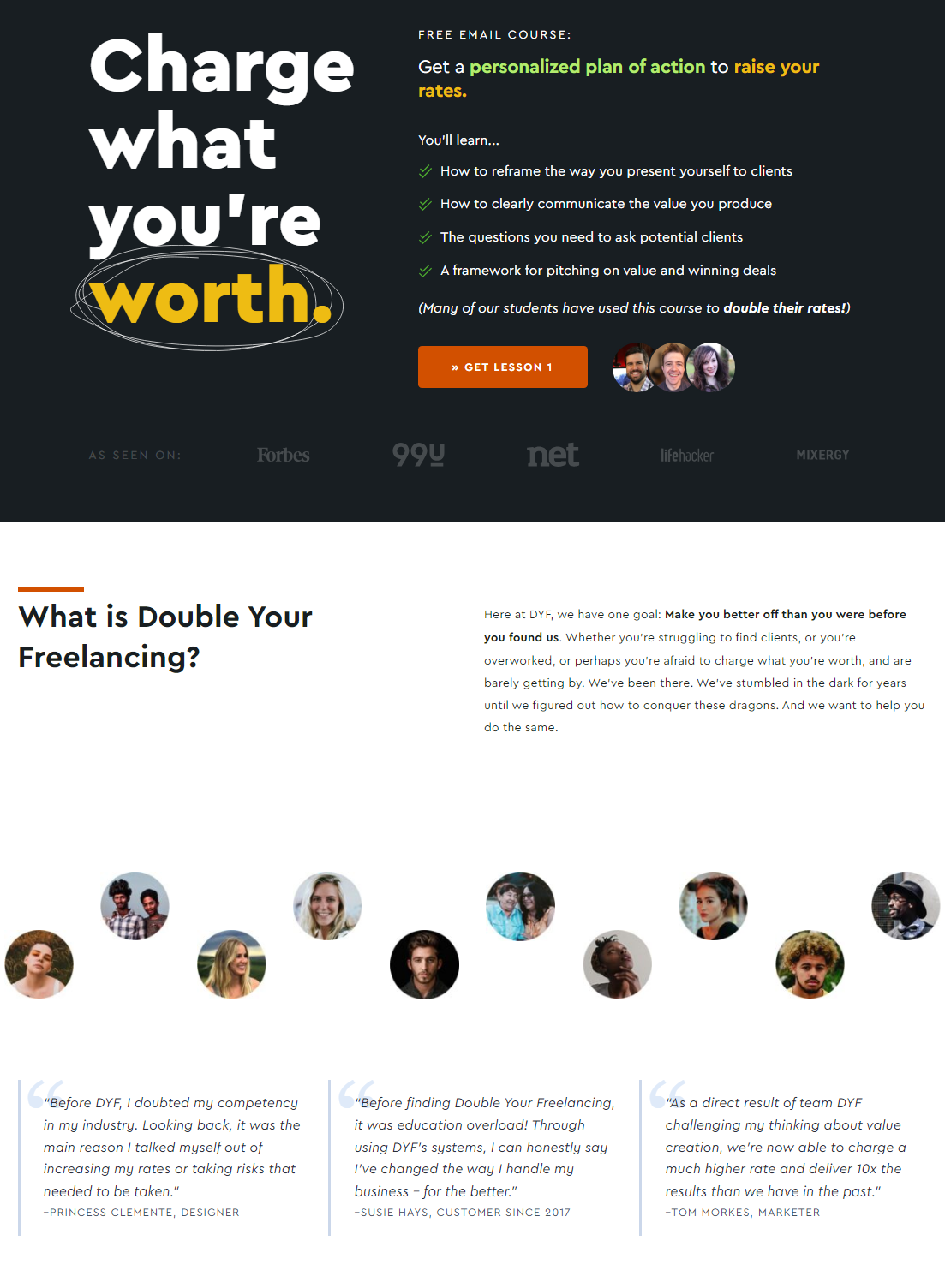
    DYC, also known as Double Your Freelancing, is an education company that helps thousands of freelancers. With the help of the company founder, Brennan Dunn, DYC realized the need to create personalized email campaigns with additional segmentations.

    They, in turn, create industry-specific combined with conditional algorithms for CTAs, copy, and even testimonials to ensure every potential customer receives a specific message tailored to their demographic and interests. 

    And the result? This B2B personalized email campaign proved so successful that it showed an astounding 250% increase in conversions.

    Subverting Expectations: FedEx

    In 2015, world-renowned logistics and shipping company FedEx already catered to large businesses. They did not have much social presence, and anyone looking outside would not have expected FedEx to focus on it. 

    But with social media marketing, FedEx made a remarkable turnaround by quickly garnering a massive follower base that has now grown to 319K on Instagram, 324K on Twitter, and 3 million likes on Facebook

    FedEx used this marketing strategy to improve the brand image phenomenally, and B2B customers could view FedEx’s commitment to delivering wherever needed.

    Trolling Boris Johnson: Monday

    Image source

    In 2019, a management software company, Monday, put up physical ads in London that said, ‘Manage anything. Even London’, then mentioned some of UK Prime Minister Boris Johnson’s failed projects.

    By trolling Boris Johnson, Monday had garnered quite some attention among the people in London, and along the way, Monday managed to showcase their platform’s features and ease of use with this B2B marketing idea.

    Instagram Placement Ads: Airtable

    image source.

    Airtable’s workplace organizational talents are evident throughout their Instagram profile. Airtable has long known that B2B prospects typically see Instagram ads above organic postings. Instead, they used Instagram as a landing page.

    Only ten photographs appear when you click on their profile. For Instagram placement, Airtable’s marketing team runs ads frequently. Traffic is used to direct prospects to their product.

    This intelligent B2B marketing idea is one of the many steps that helped Airtable grow 400% in 2019.

    Account-Based Marketing: Couchbase

    Enterprise database solutions company Couchbase launched a product built on technology that was usually for a high-tech audience. However, many businesses had no interest or time to invest in anything that complex. This put Couchbase in a tough spot.

    Couchbase then began extensive research, and it is with their research and ABM (Account-Based Marketing), Couchbase used keyword volumes and social persona data to create precise and niche content for the target accounts.

    This B2B marketing idea helped Couchbase find its target customers and focus entirely on securing a business relationship with these target customers. With the help of the ABM B2B marketing idea, they could gain high-value businesses and build up 1.5 million USD in their sales pipeline.

    Startups.com’s Podcast

    Startup.com is an online startup accelerator that deploys content marketing by hosting a podcast called Startup Therapy Podcast. While tackling pain points and answering questions that startups face, the hosts, who are serial entrepreneurs, boosted the company’s credibility.

    360Learning’s Reality Show

    With its full-fledged reality TV show, Onboarding Joei, or, as they refer to it, “unscripted docu-series,” 360Learning goes above and beyond. Currently in its second season, the show follows Joei as she begins working for a tech business.

    The show demonstrates how Joei finds out about her job, the company’s culture, and her responsibilities, among other things. It’s about Joei’s transition into her role.

    This theme aligns well with 360Learning’s B2B marketing idea of assisting businesses in transforming their internal experts into trainers and streamlining the professional development process for all parties.

    Chris Walker’s Founder Brand

    image source

    Chris Walker is the founder and CEO of a demand generation agency called Refine Labs. He is also a great example of how founders can use their brand to market their company. 

    With a clear strategy for content marketing in mind, his posts, comments, and topics he engages in are related only to demand generation topics. This allows him to increase Refine Labs’ brand awareness as a founder, thought leader, and personal branding.

    With the help of content marketing, he can also market to his B2B audience and improve business credibility and engagement.

    Dave Gerhardt’s Viral Video

    image source

    When creating this video, entrepreneur Dave Gerhardt used the perfect balance of humor and offbeat thinking.

    With almost no promotions, the video carried the quirky message: ‘Life is too short to work for a CEO that doesn’t get marketing.’ It quickly went viral, with more authenticity than a regular video marketing ad.

    The only reason it was recorded as a B2B marketing idea was the CTA at the end of the video, which increased the brand recognition to the tune of how many impressions the video created.

    Conclusion

    With 2024 quickly approaching, it is more important than ever for businesses to invest in the current booming B2B marketing ideas and trends. Hopefully, these trends and success stories have got you eager to get cracking on B2B marketing ideas of your own.

    And this is where we come in! At Wittypen, we are seasoned experts in the field, well-versed in achieving your marketing goals. 

    So what are you waiting for? Stay ahead of the curve and reach out to us as the opportune moment to channel that marketing energy is now!

    FAQs

    What are some innovative B2B marketing strategies for 2024?

    Innovative B2B marketing ideas for 2024 would include increased use of social media platforms like Instagram, leveraging AI and automation to generate and streamline leads, and using account-based marketing.

    How can personalized marketing boost B2B success?

    Personalized marketing allows for increased engagement with customers. Instead of generic content delivered to a large group of customers, segmented marketing considers target audiences’ interests and behaviors, boosting B2B lead generation and sales.

    What role does AI play in B2B marketing in 2024?

    AI helps collect large amounts of data and, with the help of AI algorithms, can help offer enhanced and personalized insights into B2B decision-makers. In 2024, the role of AI will be in data analytics, enhanced customer experience, and lead generation.

    How can social media advertising benefit B2B businesses?

    With B2B businesses gaining a foothold in their brand personas and voices, social media advertising and its vast user base dramatically boost brand recognition and customer engagement.

    Why is data-driven decision-making crucial for B2B growth?

    Data-driven decision-making is crucial as it enables enhanced personalization of content for customers and helps measure marketing performance metrics such as lead conversion rate and sales revenue. With data-driven decision-making, B2B marketing ideas can be adapted to the changes in market dynamics.