Author: Vedangi Kuralkar

  • What is SaaS Marketing? The Full 2024 Guide

    What is SaaS Marketing? The Full 2024 Guide

    Introduction to SaaS Marketing

    What is SaaS Marketing – Definition and Meaning?

    Definition of SaaS Marketing

    SaaS marketing is a strategy that introduces and promotes products and services using ‘Software As A Service’. It is the best strategy to enhance consumer awareness about the business and its offerings.

    Meaning of SaaS Marketing

    SaaS marketing works on subscriptions, freemium services, premium models, and free trials. This strategy is designed to promote on-demand software applications to market business products and services.

    Its data-oriented and customer-centric approach helps brands attract new customers, retain existing ones, and enhance customer relationships. This delivers continuous value to the customers.

    Image Source

    How Does SaaS Marketing Differ From Traditional Marketing Strategies?

    Traditional marketing strategies mainly work on selling licenses for software. Moreover, this approach is concretely sales-focused, with little attention to consumer experiences post-sales.

    On the contrary, SaaS marketing strategies offer uninterrupted access to cloud-based software on paying a recurring fee. The most important feature is that it focuses on customer experiences post-sales, builds long-term customer retention, and continuously delivers value to them.

    The revenue capacity in traditional marketing strategies is limited as it depends on new sales or upgrades. Nevertheless, revenue streams are predictable and recurring based on subscription models in the SaaS marketing approach.

    The marketing techniques used in traditional approaches include obsolete techniques like cold calling and outbound calling, while SaaS marketing includes AI-based and content marketing formats.

    Also, areas where traditional marketing lags, SaaS marketing is upfront in its approach. For example, it undergoes continuous development and encourages rigorous updates based on market trends and customer feedback. Moreover, it is highly adaptable and uses both online and offline means of advertising that helps organizations reach their ROI objective.

    The Growth of SaaS Marketing and the Increasing Competition it Faces

    Before we discuss the benefits and significance of SaaS marketing, let us understand some facts first:

    • Software as a Service is expected to reach a $702.19 billion market by 2030.  
    • SaaS marketing enhances your branding and increases your ROI using strategies like content marketing, increased visibility, and customer retention. 74% of businesses have reported an increase in their generated leads due to content marketing strategies.
    • SaaS applications form 70% of the total company software use. Microsoft leads as the largest SaaS provider by market capitalization in 2023 standing at $2.3 trillion.
    • The CAGR of the global SaaS market is expected to grow at a rate of 18.7% from 2023-2030.

    There are several benefits of employing SaaS marketing strategies and using its customer-focused approach. The growth of SaaS marketing is mainly due to its focus on:

    1. Data-driven approach
    2. Technologies used for SaaS Customer Acquisition to retain the existing ones and enhance customer satisfaction 
    3. Creation of a loyal subscriber base
    4. Technological advancements and applications of AI-powered solutions
    5. Fast adaptation to changing market demands.
    6. Sound collaborations and international expansion

    In this comprehensive guide, we will explore the advantages, challenges, and emerging trends in SaaS marketing. 

    Benefits of SaaS Marketing in 2024

    SaaS marketing ensures you continuously engage with your customers even after they have purchased your product. It is a crucial strategy to build trust and loyalty.

    SaaS marketing must include collecting customer feedback and working on it to modify their products according to consumer preferences and market demands. Cloud-based software should be effectively promoted to guarantee in this ever-growing customer SaaS customer acquisition arena.

    Here are some key advantages of implementing effective SaaS Marketing Strategies in 2024:

    1. Building  Customer Experiences and Recurring Revenue

    SaaS marketing augments customer experiences through customer service and engagement and ensures customer retention. Customer service is proactive and always available, ensuring customers receive the support they need when encountering problems with the software.

    Customer retention further enables monetization capabilities and promises a continuous flow of revenue. A loyal subscriber base with recurring payments can lead to a constant and thriving revenue stream.

    2. Scalability and Cost-Effectiveness of Marketing Efforts

    SaaS marketing in 2024 is all about reaching a global audience using various techniques, like website upgradation, social media marketing, SEO-enriched strategies, and content marketing. It can help you reach a wide range of customers, use cost-effective methodologies, and generate more profit.

    Consider how Grammarly, a grammar-checking tool, uses its social media campaigns and content marketing strategies to offer the best resources to content creators. SaaS marketing has propelled Grammarly into the global scene without the considerable cost of traditional advertising.

    3. Reaching a Wider Global audience

    The cloud-based nature of SaaS solutions makes them stand out among many marketing strategies available. This helps businesses reach a global audience.

    One of the few examples is Hubspot. Consider how it uses its marketing automation platform to reach an international audience simply by converting its website content into multiple languages.

    4. Measurable Results and Data-Driven Decision-Making

    SaaS marketing is data-driven. This means you can regularly devise new techniques and refine the existing ones to attain a return on investment.

    Using analytic tools like Google Analytics can help businesses attain information on customer demands, preferences, lead conversions, website traffic, and customer engagement.

    Zoom, the video conferencing giant, developed a marketing strategy targeting remote workers during the pandemic by analyzing user data and trends. This strategy allows them to tap into growing markets and meet organizational objectives.

    Image Source

    Key Trends that Affect SaaS Marketing Strategies

    It is imperative to devise innovative strategies, considering the rapid evolution of the SaaS marketing arena. Let us look at some of the most significant trends in the SaaS marketing in 2024:

    1. Personalization and Customer Experience

    The days of sending our general marketing messages are long gone. Customers today prefer a customized and personalized experience that looks after their needs and preferences.

    90% of leading brands claim that personalization highly impacts business profitability. 85% of organizations believe they offer personalized customer experiences, while 60% of customers agree to it. 

    This is where data-driven strategies help to gauge consumer behavioral insights and create customized experiences according to their evolving demands.

    Actionable Suggestions:

    • Use segmentation techniques to divide your audience based on user patterns, demographics, and behavioral patterns. This allows you to create personalized content.
    • Use email marketing and CRM platform insights to customize your marketing strategies and recommend tailored content.
    • Use A/B testing tools to customize your website’s landing page and other elements.
    • Use interactive elements to create and foster authentic and long-term connections with customers.
    • Use product recommendations and good-quality content to increase and retain engagement and drive conversions.

    Real World Example:

    Netflix is a leader in customization; it recommends content based on user preference and viewing history, ensuring every user gets a personalized experience. This increases user satisfaction and guarantees retention while increasing usage and subscription renewals.

    2.  Data-Driven Approach to Enhance Decision Making

    In 2024, data analytics is a must; they provide a way to measure the success of SaaS marketing campaigns. Using data sets, SaaS branding can identify trends and behaviors and optimize their campaigns for maximum success.

    Actionable Suggestions:

    • Define your goals and set clear Key Performance Indicators (KPIs). Use trusted analytics tools to track KPIs like conversion rates and customer acquisition cost (CAC).
    • Optimize your marketing strategies based on the data insights and strategize automation and customer experiences to maximize return on investment (ROI).
    • Make use of predictive analytics to predict customer behavior and future market trends.
    • Track user behavior and response to your website and marketing channels and identify improvement areas. 
    • Marketing teams should be well-equipped to understand complex datasets and use appropriate tools and resources like Google Analytics to enhance marketing campaign performance.

    Real World Example:

    Consider how Amazon uses consumer data, which is based on choices, shopping strategies, age, demographics, gender, and previous purchase history, to personalize marketing campaigns. This increases conversion rates and guarantees an effective marketing campaign.

    3.  AI and Automation

    AI technology is quickly transforming SaaS marketing in 2024 by automating repetitive tasks, personalizing content creation and recommendation, and enhancing customer support experience. Since SaaS dominates the cloud computing market, global spending on public cloud services has been predicted to reach $679 billion in 2024. Chatbots and predictive analysis have changed how SaaS companies interact with customers and prospective customers.

    • Chatbot interactions globally reached approximately 22 billion by 2023, growing from just 2.6 billion in 2019.
    • 82% of businesses claim that AI will completely transform their businesses in the next 5 years.

    Actionable Suggestions:

    • Content is king, and you must create unique and engaging content that can help you communicate with your audience effectively and optimize SEO strategies.
    • Consider automating significant and repetitive tasks using AI-powered tools.
    • Use chatbots to offer effective and 24/7 customer support.
    • Leverage predictive analysis to identify potential customers and carry out outreach efforts.
    • Businesses can explore machine learning algorithms to optimize pricing strategies.

    Real World Example:

    Grammarly uses AI to correct grammar mistakes and make personalized writing suggestions for users. This AI-powered personalized approach enhances customer experience and ensures a high customer retention rate.

    4.  Voice Search Optimization

    Voice technology has revolutionized the world of SaaS branding. Customers depend on voice assistants like Alexa, Siri, or Google Assistants to communicate on digital platforms.

    97% of smartphone users use AI-powered voice assistants, while 40% use the voice-enabled search function at least once a day. There are more than 4 billion devices that are well-equipped with AI-powered voice assistants.

    Businesses need to incorporate voice technology and integrate it critically into their marketing strategy.

    Actionable Suggestions:

    • Create voice-friendly content that will address common search queries, making it easier to appear in voice search results.
    • Include conversational keywords in your content that will aid voice search queries.

    • Create FAQ pages that address common voice search inquiries.

    Real World Example:

    HubSpot content is optimized for voice search by creating conversational answers for common questions. This makes it easier for their content to appear in voice search results.

    Challenges in SaaS Marketing

    SaaS marketing in 2024 has immense potential; however, applying such strategies can also bring you some challenges. Let us look at some of the key issues that B2B SaaS marketers face and unveil relevant solutions:

    1. To Stand Out in a Saturated Market

    Did you know that the SaaS industry has grown 500% in only 7 years? From a mere $31.4 billion industry in 2015, it is expected to reach $344 billion by 2027

    80% of businesses are using one form of SaaS strategy, while 99% of companies are estimated to adopt at least one SaaS application by the end of 2024.

    Considering these facts, differentiation is a key challenge in SaaS branding. It can be a challenge to stand out among competitors and showcase your business better than them.

    What to Do:

    • Invest in content marketing and use resources like SEO optimization, influencer marketing, and social media marketing strategies.
    • Utilize social proof and strengthen your existing partnerships
    • Implement personalized marketing strategies and use data-driven strategies to enhance user experience
    • Develop a strong product USP and focus on niche markets.

    2. Earning Leads and Converting them into Consumers

    The target audience market is huge and complex. It could be daunting for businesses to identify leads, prompt and encourage them, and finally convert them into consumers. The SaaS industry is quite competitive, and businesses must leap to offer attractive solutions that can help them attract and keep customers.

    What to Do:

    • Deliver exceptional customer service and highlight customer experiences and testimonials.
    • Offer personalized customer experiences and refine your existing marketing approach.
    • Optimize your website, create informative content for consumers, and connect with them on various platforms.
    • Strive to build online communities and offer free trials and demos.

    3. Adapting to the Changing Industry Trends and Customer Demands

    A successful B2B SaaS marketing strategy that worked tremendously well previously could abruptly fail today. The reasons are evolving consumer preferences and transformations in the industry trends. Technology is advancing and the markets change every day. Businesses could face this challenge, and many succumb to the pressure of keeping up with the pace.

    What to Do:

    • Drive innovations and experiment with various strategies.
    • Adopt advancing technologies like voice search features, automation, and generative AI.
    • Rely on stakeholder insights and customer feedback to understand the demands of the changing markets and consumer needs.
    • Conduct thorough market research, attend webinars and events related to industry conferences and publications, and build strategic relationships within the network.
    • Adopt agile practices, implement stringent security measures, and focus on compliance and sustainability.

    4. Guaranteeing Profitability and Return on Investment 

    Justifying the value and ROI of SaaS marketing efforts can be challenging. This holds when considering the competitive bidding environments or intricate sales cycles. However, the right tools and strategies can help demonstrate the advantages of marketing investments.

    What to Do:

    • Set clear marketing goals and use analytics tools to track the performance of your strategies and measure ROI accurately.
    • Promote AI and machine strategies to improve personalized marketing.
    • Communicate transparently with customers regarding the benefits your business can offer
    • Regularly update your security protocols.

    Image Source

    Tips For Implementing Successful SaaS Marketing Strategies

    The B2B SaaS Marketing strategy requires a customer-focused approach and data-driven insights to deliver excellent results. Businesses must keep up with emerging trends and automate AI processes to enhance the results of the SaaS branding campaign.

    Here are some tips that can help you create a winning B2B SaaS marketing strategy:

    1. Creating an Effective Content Marketing Strategy

    Use effective content marketing in B2B SaaS marketing by following these best practices:

    • Identify product information and core topics that will help your customers decide why they should invest in them and what value they can bring.
    • Use effective tools to identify trending topics and use relevant keywords, TOCs, and appropriate meta information to make it SEO-optimized.
    • Plan and schedule your content using a content calendar.
    • Use a variety of content formats to cater to your buyer’s preferences.

    2. Utilizing Free Trials and Demos Effectively

    Demos and free trials are an effective SaaS marketing strategy because of the following reasons:

    • Help your audience experience your SaaS product.
    • Make the login and registration process user-friendly and easy to access.
    • Establish a simple onboarding process.
    • Offer personalized support and informative and educational content on your SaaS solution.
    • Gather user feedback throughout their free trial
    • Identify areas where you need to improve.
    • Use tools to track user engagement that will encourage conversion.

    3. Creating a Strong Online Community

    A strong online community can increase brand awareness. Follow these tips for the best results:

    • Select a platform for your online community and encourage participation by engaging with your target audience.
    • Pose questions, conduct virtual events, and share valuable content.
    • Leverage community management tools and measure user engagement metrics.
    • Recognize active users by offering rewards.

    4. Using social media marketing 

    Social media helps in B2B SaaS lead generation. Here are some best practices that can help you leverage social media platforms:

    • Identify relevant platforms and share valuable content that can help you build credibility and attract customers.
    • Make the most of social media advertising.
    • Engage with your audience in real-time.
    • Monitor conversations, ask for consumer feedback, and post testimonials and customer experiences on your official social media networks.

    Image Source

    Conclusion – The Future of SaaS Marketing

    SaaS marketing strategies help you stand out in a crowded marketplace. Though it is one of the most productive marketing strategies, it comes with its share of challenges and advantages. We have covered the benefits and challenges, along with solutions and best SaaS marketing practices. 

    By adopting technologically advanced solutions, AI-powered tools, personalization, and data-driven decision-making, a business can attract new customers. Incorporate the benefits of SaaS marketing and retain existing customers, convert leads to consumers, and ensure that your products and services remain relevant.

    Key Takeaways on Emerging Trends and Technologies

    The SaaS industry is fueled by innovation, cutting-edge technologies, and evolution. Here are some emerging trends and new technologies that will reshape SaaS marketing in 2024:

    • Macro and micro-influencers with specializations in specific niches play a critical role in the future of SaaS branding strategies.
    • Businesses must optimize their websites and content strategies using voice search, considering how rapidly voice chart optimization is developing. This will enhance user discovery and increase engagement.
    • Account-based Marketing should be adopted to empower targeted campaigns that are focused on specific accounts.
    • Implement Augmented Reality and Virtual Reality technology for immersive customer interactions and interaction-free trials and demos.
    • Introduce Predictive analytics, which can support your sales and marketing teams in prioritizing high-quality leads, ultimately leading to an increase in the number of conversions.
    • Hybrid cloud solutions allow businesses to use public and private cloud resources which simplify the data localization.
    • Subscription management tools in the SaaS industry help businesses monitor subscription metrics, automated pricing, and other processes.
    • SaaS companies are leveraging Artificial Intelligence and Machine Learning to personalize customer experience and enhance engagements.
    • SaaS applications are also using blockchain technology to enhance their data security and protect the processing of transactions.
    • SaaS businesses focus on ongoing customer support and user onboarding to ensure growing customer satisfaction.

    Today, it has become paramount to implement a sound B2B SaaS marketing strategy that will create and nurture long-term customer relationships. Incorporating the marketing practices recommended above, you can ultimately create quality leads and increase conversions.

    If you are ready to take the next step, explore Wittypen’s services and elevate your SaaS marketing to the next level. Make the most of our expert and personalized consultations, where we pay heed to your preferences and expectations and integrate them into a competitive SaaS marketing strategy. Connect with us and discover how you can elevate your SaaS business.

  • 8 Tips to Start Off with Marketing Content Writing

    8 Tips to Start Off with Marketing Content Writing

    Have you ever felt that your blog posts were being lost in the vast sea that is ‘content‘? 

    You put your heart and soul into creating fascinating content. However, they appear to disappear into thin air, making you wonder whether anyone is consuming your content.

    Online content is a prominent choice for marketers in 2024. In fact, over 90% of marketers use it to promote their content.

    As such, the internet is overflowing with content, making it difficult to capture attention.  And viewers, much like the humble goldfish, lose interest after a few seconds.

    Additionally, marketing content can feel a bit forced at times. However, there are plenty of content marketing strategies for beginners available so as to facilitate the creation of more natural and engaging content for audiences.

    What is Marketing Content Writing? 

    Marketing content writing entails developing engaging information for readers. As such, there is quite a focus on educating and turning readers into consumers. Marketing content writing is an essential part of digital marketing, which includes blog articles, social media updates, email newsletters, and more. 

    These articles do more than just market your product or service; they usher in and position your company as a leader. It’s no secret that generating quality content attracts new consumers. What’s more amazing is that this activity also fosters trust among your audience and, eventually, generates conversions.

    8 Powerful Content Marketing Writing Tips 

    Now that we’ve explained what marketing content writing means, let’s look at a curated list of 8 effective content writing techniques to help you succeed with marketing content writing. 

    1. Know Your Audience: Speak Their Language 

    Before we start, visualize attempting to sell something to someone in a packed room. Not very practical, right? The same goes for content generation.

    The first step is getting to know your target audience. Understanding your target audience is essential for generating effective marketing material. Try to answer these questions.

    • Who are you trying to reach? 
    • Are they busy professionals looking for answers to complex problems or young adults looking for fast, amusing content?

    It is essential to address these questions and find an optimal solution. Let’s look at an example to understand how to get to know your ideal customer:

    For this example, envision creating a project management tool like Notion. Wouldn’t it be great to know exactly who uses it?

    Sure, you can add features, but if you don’t know if children are using it for school assignments or young professionals are juggling job activities, how can you tailor it to their needs?

    This is where demographics come in. Knowing your users’ ages, locations, and even jobs allows you to communicate in their language. Understanding demographics allows you to target the appropriate features and messages.

    But wait, there’s more! Assume a group of creative people utilize your email marketing platform (such as Mailchimp). Wouldn’t it be nice to provide them exactly what they require? Special email designs for designers, or interfaces with their preferred software? Understanding your audience’s interests allows you to create features and content that will resonate with them.

    And lastly, there are pain points. These are the struggles that keep users up at night. For your project management app, maybe it’s information overload. Develop features to categorize information or integrate to-do lists. Pain points help you solve user problems and make them love your product even more.

    Building buyer personas provides significant insights into your target audience’s wants and preferences. This helps you to adapt your approach and language so as to better appeal to them.

    Here are some examples that can help you adapt your content to different audiences.

    Audience

    Tone

    Gen Z (18-24 years old)

    Casual, conversational, emojis, internet terms

    Millennials (25-40 years old)

    Informative, engaging, relatable

    Gen X (41-56 years old)

    Direct, authoritative, solution-oriented

    Baby Boomers (57-75 years old)

    Nostalgic, sentimental, trustworthy

    Business Professionals

    Formal, professional, persuasive

    Fitness Enthusiasts

    Motivational, encouraging, informative

    Travel Blog Readers

    Storytelling, informative, visually appealing

    DIY Hobbyists

    Informative, instructional, step-by-step

    Note: These are examples, and there will be variations within each audience segment.

    2. Craft Headlines That Captivate 

    Ever noticed how some headlines grab your attention while others are so forgettable that you just scroll past without so much as a second glance? 

    A captivating headline is the gateway to your content. It’s your first impression, and it needs to be powerful enough to entice readers to click and delve deeper.

    Here are some secrets to crafting headlines that convert:

    Grab attention and make it easy to understand what your content is about. For example, look at this title, “Iconic Creative B2B Marketing Campaigns from the Past Years.

    The title grabs attention in two ways. First, it uses the word “Iconic,” which sparks curiosity about what campaigns might be considered legendary. Second, it mentions “B2B Marketing Campaigns,” which tells the reader exactly what to expect.

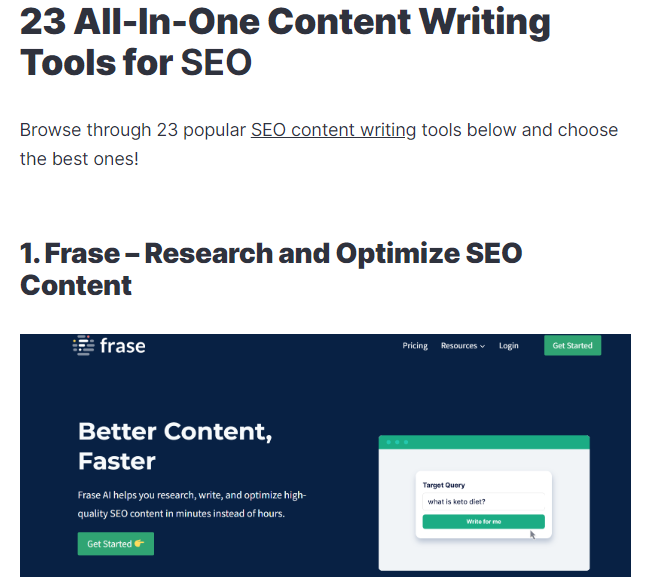
    Also, numbers pique curiosity, and powerful words create a sense of urgency or excitement. For example, “23 Top Content Writing Tools for SEO To Scale Up Your Growth.” 

    The title uses the number “23” to pique curiosity. It suggests a specific, actionable list is waiting to be discovered rather than a vague discussion on content writing tools.

    3. SEO: Get Found in the Content Jungle 

    The next issue that most content marketers face is optimizing content for SEO.

    Imagine this: You are creating incredible material, but no one sees it. Sad, isn’t it? That is where Search Engine Optimization (SEO) comes in. SEO helps your content rank higher in search engine results pages (SERPs), making it more visible to your intended audience.

    Here are some fundamental SEO tips for content writers:

    • Determine what keywords your target audience searches for. Tools such as Google Keyword Planner can assist you with this.
    • Optimize your title and meta description to include your target keywords naturally while prioritizing readability.
    • Use keywords throughout your article. Don’t stuff them excessively. Focus on crafting applicable and quality content that incorporates keywords.

    SEO is a continuous effort, but following these simple measures can help you get you market your content such that it’s easily discoverable.

    Still struggling to climb the search engine ranks? At Wittypen, our experienced writers craft engaging content optimized for SEO, making it easier for potential customers to find you online. Just tell us your content needs, and we’ll handle the rest!  

    4. Engage Your Audience: Make Them Want More 

    The key to successful marketing is keeping your audience engaged. Here are some creative content ideas to engage your audience and make them want more.

    • Refrain from relying on lengthy blocks of text. Mix storytelling, facts, quotations, statistics, infographics, and other content styles to keep readers engaged.
    • Initiate discussion and foster engagement. Pose questions throughout your material to encourage readers to consider and interact.
    • Large amounts of text might be frightening. Thus, use subheadings to divide your text into manageable chunks. Use high-quality photographs, infographics, or videos to improve comprehension and visual appeal.

    To understand these points, let’s look at an example. Here is a blog post “How to Create a Content Calendar That Gets Results” 

    • The post doesn’t just list steps for creating a content calendar. It starts with a story about a marketing team struggling with disorganized content creation.
    • Throughout the post, the author asks questions like “What are your biggest content marketing challenges?” and “What content formats resonate most with your audience?” to spark reader engagement.
    • The blog post incorporates infographics outlining the steps for creating a content calendar and high-quality screenshots showcasing relevant software features.

    HubSpot’s blog keeps readers interested by following these practices. It provides valuable solutions to marketing challenges and subtly positions its software as a potential answer.

    Remember: Engaged readers are more likely to remember your brand, share your content, and become loyal customers.

    5. Visual Appeal: The Power of a Picture

    Visuals are a very effective instrument when it comes to creating impactful content for brands. A compelling visual can capture the reader’s attention, motivating them to look into your content more.

    Consider this: have you ever clicked past a blog page because the structure of the text seemed too intimidating? We have all been there. A well-placed image may serve as a hook for readers, causing them to desire to learn more.

    But graphics aren’t only for aesthetics; they can also be extremely effective at expressing complicated information.

    Consider, for example, price arrangements for a SaaS product. A simple and brief graphic may quickly demonstrate to potential clients the various plans and their characteristics, but a lengthy paragraph may confuse them.

    Source: Hubspot

    Here’s a great example: Hubspot, a major CRM platform, uses infographics extensively on its blog to explain complex marketing concepts in a visually appealing way. One infographic, for instance, marketers who use generative AI. It’s clear, colourful, and packed with valuable information – a perfect example of how visuals can simplify complex topics for readers.

    6. Storytelling: Weave a Captivating Narrative

    People relate to tales, as they evoke emotions and make things memorable. Storytelling also helps you connect with your audience at a deeper level, so there’s also that.

    Here’s how to include storytelling in your marketing content writing:

    • Don’t simply tell the readers how fantastic your product or service is; show them! Create tales highlighting your brand’s benefits and how it addresses client concerns
    • Create personalities that your audience can relate to. Place these people in scenarios that reflect their pain areas.
    • Stories that evoke human emotions, such as hope, laughter, or inspiration, have a lasting impact

    Here’s an example of how Fitbit engages with their audience with their customers’ success stories. Instead of merely listing features, they describe how a busy professional used the tracker to attain exercise objectives and enhance their general well-being.

    7. Adding the Right CTAs at the right places 

    A CTA (Call to Action) tells your viewers what to do next. Whether signing up for your email, downloading an eBook, or making a transaction. Essentially, a great CTA is critical for increasing conversions.

    Here’s how content creation best practices craft effective CTAs:

    • Make what you want the reader to do is clear. Use strong verbs like “download,” “subscribe,” or “learn more.”
    • Sometimes, a sense of urgency can encourage action. Use phrases like “limited time offer” or “download now.”
    • Place your CTA at the end of your content, but also consider mid-article CTAs to capture interest throughout the piece.

    Let’s try to understand these points:

    You know, those buttons that indicate what readers should do next? They’re like helpful nudges that point readers in the correct way. Instead of a weak “Click here,” use a strong “Download our Free Social Media Guide Now!” this creates a FOMO as people will not want to miss out on free resources. And, you can get access to their contact details.

    8. Consider Readability 

    Readability is often overlooked but crucial for effective content marketing writing. 

    Picture yourself working and spending hours crafting a masterpiece. It’s disappointing when readers abandon such a work because they find it difficult to understand. 

    Here are some engagement strategies for content marketing to enhance the readability of your marketing content writing:

    • Avoid jargon and technical terminology that your readers may not grasp.
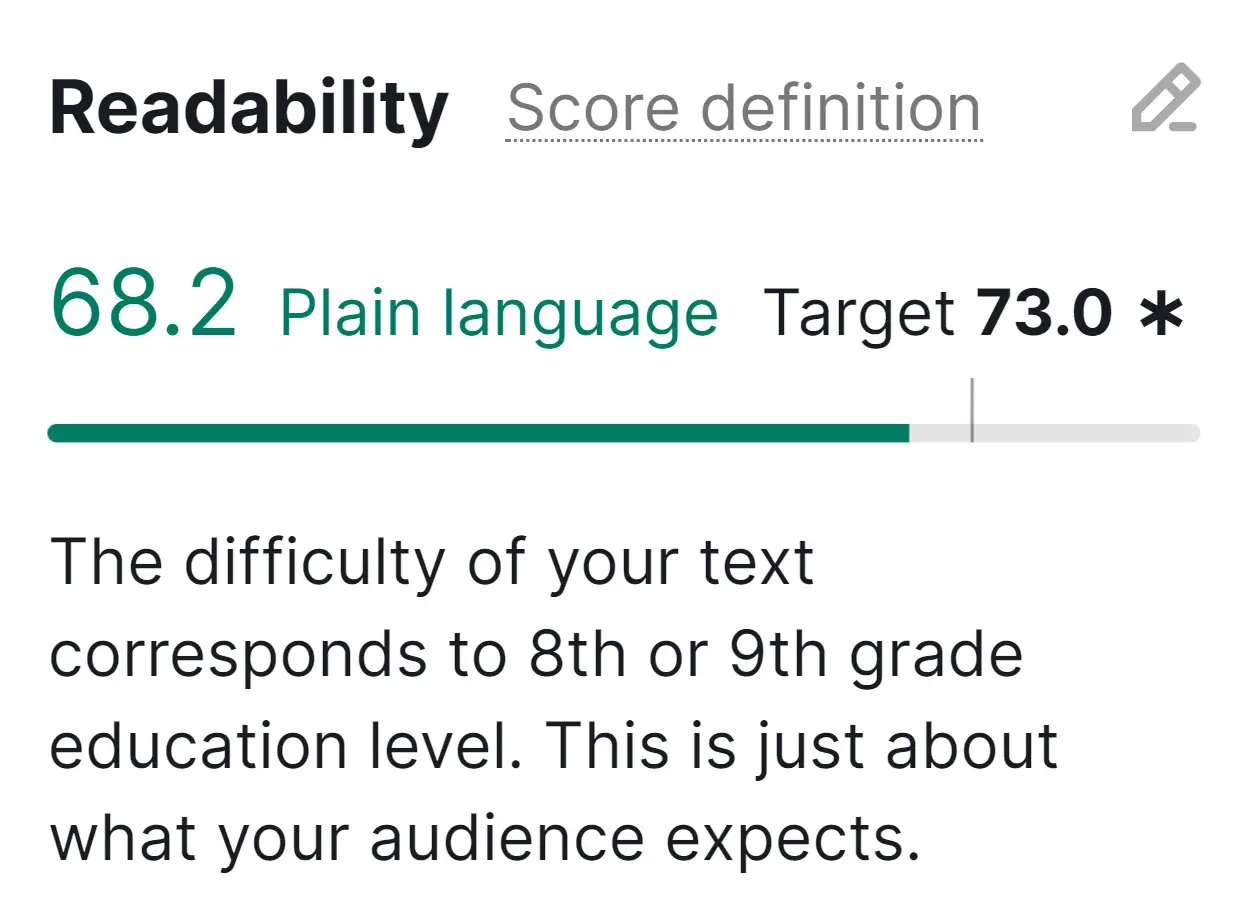
    • Combining short and significant phrases makes your writing exciting and prevents monotony.
    • Break down complex material into manageable parts.
    • Typos and grammatical faults can undermine your trust.

    Conclusion

    Crafting compelling marketing content writing takes time and dedication, but the rewards are significant. Following these eight tips, you now know how to improve content writing skills and create engaging content that resonates with your audience. This content can help establish your brand as a thought leader and, ultimately, drive conversions. 

    Remember, marketing content writing is a marathon, not a sprint. Stay consistent, keep learning, and adapt your strategy based on results.

    Stuck creating material that Google ignores? Wittypen can help you create content that your audience will want to read. Let us help you make your content a conversation starter!

  • 5 SEO Content Writing Examples to Take Inspiration From

    5 SEO Content Writing Examples to Take Inspiration From

    Let’s face it: creating SEO content that ranks well on search engines while also engaging your audience can be challenging. 

    No matter how much effort you put into keyword research, on-page SEO, and content creation, finding the right balance between optimizing for search engines and creating engaging content for your readers can be tricky.

    For you to succeed, it’s essential to understand your audience’s needs and preferences while also staying true to SEO best practices.

    In this post, we cover some of the top examples of how SEO content writing can strike the perfect balance between optimization and engagement. Let’s dive in!

    What Is SEO Content Writing?

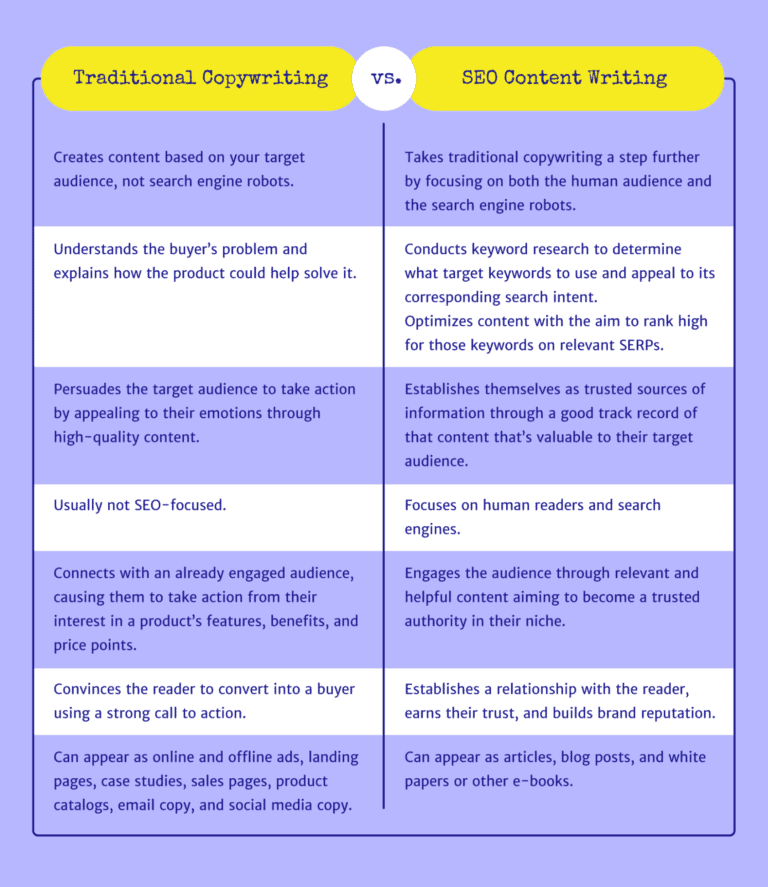
    SEO content writing involves crafting content that appeals to search engines and aims to improve visibility and attract organic traffic.

    Studies show that only 0.63% of searchers click on results that are not among the first 10. This shows the intense rivalry for search engine visibility and the importance of SEO. Getting a good spot on Google search engine results pages can significantly increase your click-through rate (CTR).

    For example, around 28% of all clicks go to a webpage that ranks first. These figures highlight how important SEO is for increasing website visibility and drawing in natural traffic.

    To make sure that your website shows up in Google search results, you need to optimize your web content to rank in Google’s ranking algorithms.

    Once your content is SEO optimized, you have to start drawing people to your website and pique their interest in your business.

    Source

    Important elements of SEO content writing are as follows:

    1.  Keyword Research

    There are ten or fewer queries made for each of the 95% of keywords, or search terms, that are utilized on search engines each month. Most keywords are not commonly searched for by users, which suggests that they are more niche terms compared to high-volume keywords.

    Source

    Finding the keywords that people are using to search for your sector, goods, or services is known as keyword research. By conducting in-depth keyword research, you can gain insights into your audience’s search preferences.

    2.  On-Page Optimization

    On-page optimization, which focuses on enhancing individual web pages for search engines, plays a huge role in improving a website’s search engine visibility and overall ranking. 

    A significant 36% of SEO experts deem on-page content to be the most critical ranking factor for local organic search results. This is because it aids search engines in comprehending your website’s content and determining whether it is relevant to a user’s inquiry.

    Source

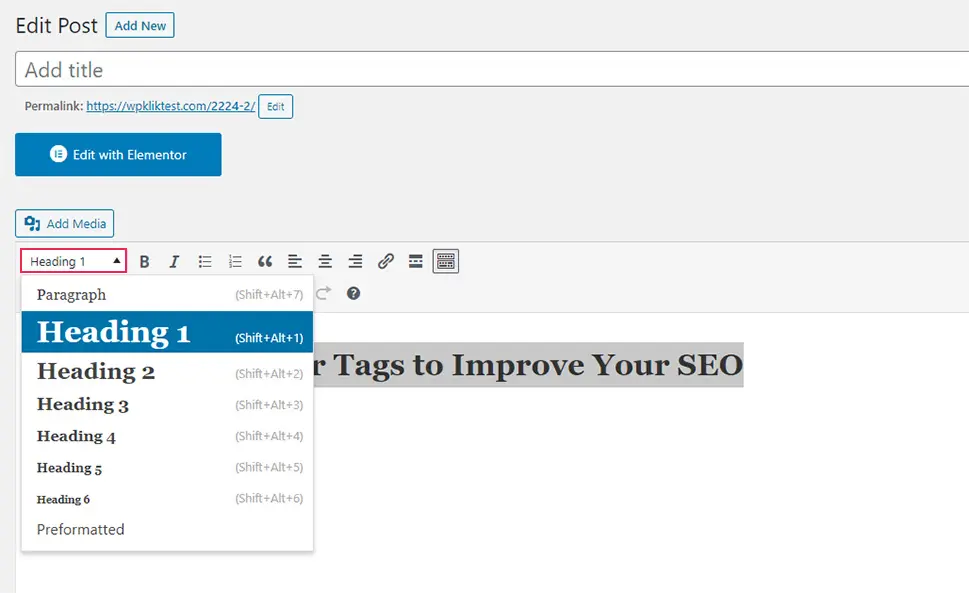
    On-page optimization can be done by using appropriate header tags (H1, H2, etc.), optimizing meta titles and descriptions, etc.

    3.  User Experience (UX)

    Studies show that websites with superior UX design and optimization have experienced a 50% boost in conversion rates and a 60% rise in user retention. This involves elements such as clear calls to action, mobile responsiveness, intuitive navigation, and fast page load speeds. 

    Though not directly about writing, understanding user experience helps writers create better content and ensure that their content not only engages readers but also enhances the overall user experience.

    Benefits of SEO Content Writing

    Here are the major advantages of effective SEO writing that can significantly benefit your online presence:

    1.  Enhanced Organic Traffic

    Dependency on paid advertising can be decreased by increasing the amount of organic traffic to your website, which can be done by optimizing its content for relevant keywords.

    Source

    Organic traffic typically consists of users actively looking for information, goods, or services related to your business. Compared to traffic from other sources, this tailored traffic has a higher conversion rate into leads or customers.
    2.  Competitive Advantage

    Ranking higher in search engine results than your competitors can give you a competitive edge and increase your market share. Your brand will become more visible and well-known to your target market if it ranks highly for your target keywords.

    Source

    You can use many tools to gain an understanding of the strategies used by your competitors. 

    3.  Analytics and Insights

    Source

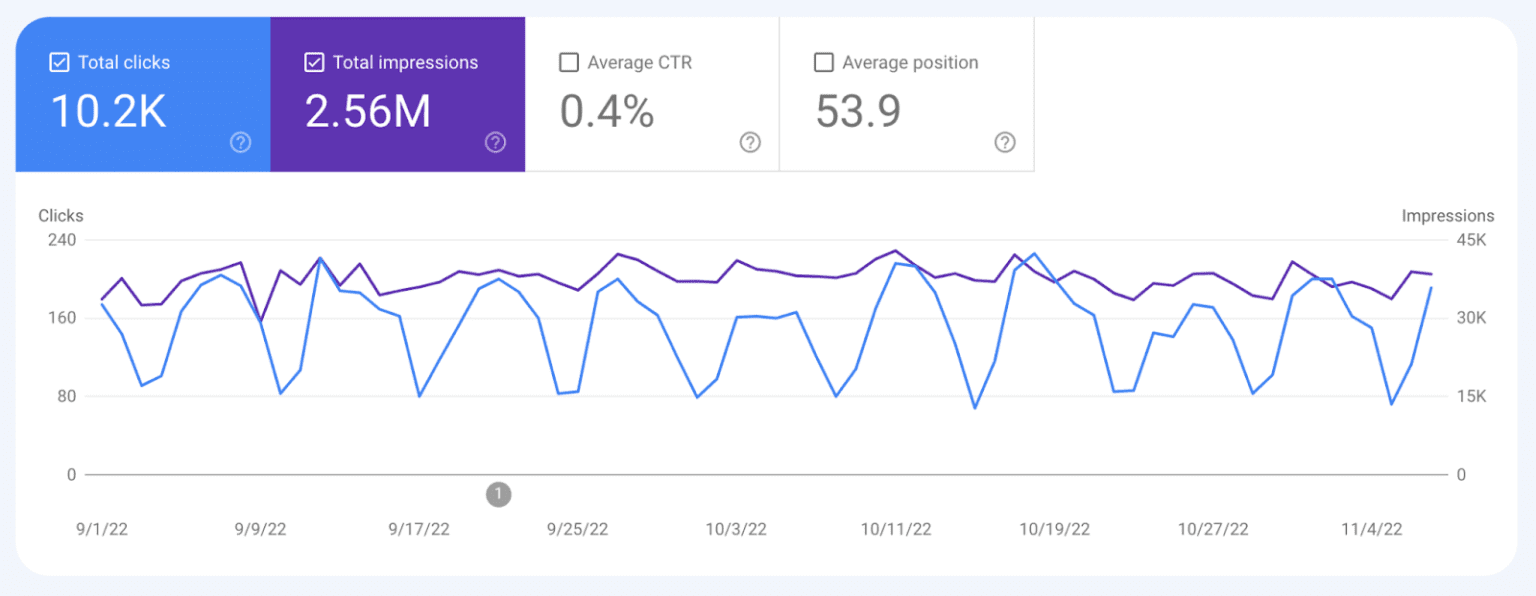
    Using analytics data, which includes traffic sources, keyword performance, and user behavior, you can improve your content strategy and gain important insights into your audience’s preferences.

    5 Top SEO Content Writing Examples to Explore in 2024

    Below are the top SEO content samples that will help you understand how to implement SEO strategies while creating engaging content effectively:

    1.  Monday.com’s SEO Techniques for Enhanced User Experience

    Big firms like Monday.com are setting the benchmark when it comes to SEO mastery.

    Here’s a snapshot of what they excel at:

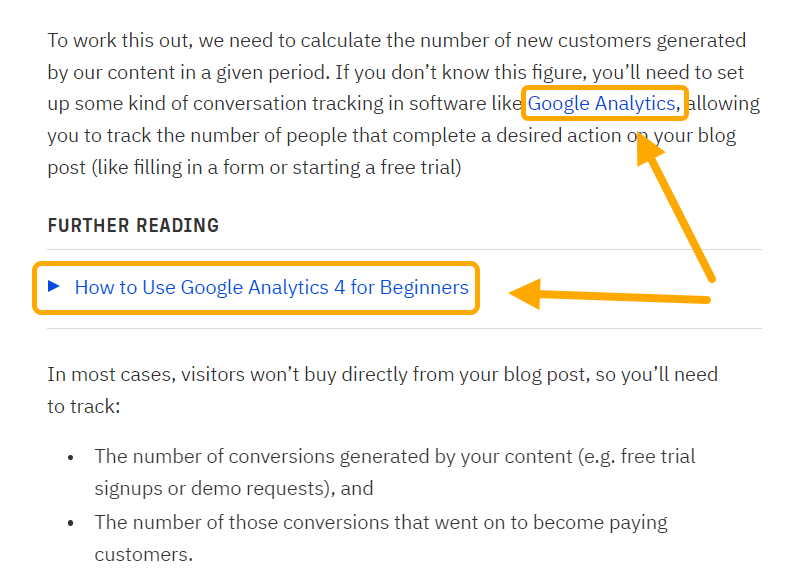
    Use of Internal Links

    Monday.com’s SEO approach is notable for its careful consideration of internal links. In a mere 100-word sample from one of their posts, you’ll encounter a remarkable four internal connections seamlessly woven into the text.

    Source

    This clever usage of internal links improves user engagement and navigation while also raising the website’s search engine rating.

    Use of Infographics

    Monday.com’s SEO strategy goes beyond text-based content. They are aware of the potency of visual narrative.

    They increase their chances of ranking higher in search engine results pages (SERPs) and grab the attention of their audience by using visually appealing infographics and intriguing stats throughout their website.

    Source

    This approach to content production is indicative of their dedication to providing value to their audience and maintaining a competitive edge in search engine optimization.

    Strong CTAs

    Monday.com’s SEO strategy is notable for its exceptional utilization of persuasive calls-to-action (CTAs). They skillfully incorporate calls to action (CTAs) into their well-written material to entice readers to proceed, be it signing up for a free trial, viewing a product demo, or subscribing to their newsletter.

    Source

    These call-to-actions (CTAs) aren’t just random thoughts; they’re thoughtfully positioned and created to grab readers’ attention and encourage transactions. Monday.com uses compelling wording, alluring offers, and an intuitive design to make sure their calls to action (CTAs) are noticeable and prompt customers to take action. 

    2.  Ahrefs’ Strategic SEO Implementation

    Ahrefs is a renowned name in the SEO industry, known for its in-depth tools and resources for SEO professionals.

    Here’s how Ahrefs demonstrates excellence in the industry:

    Content Strategy

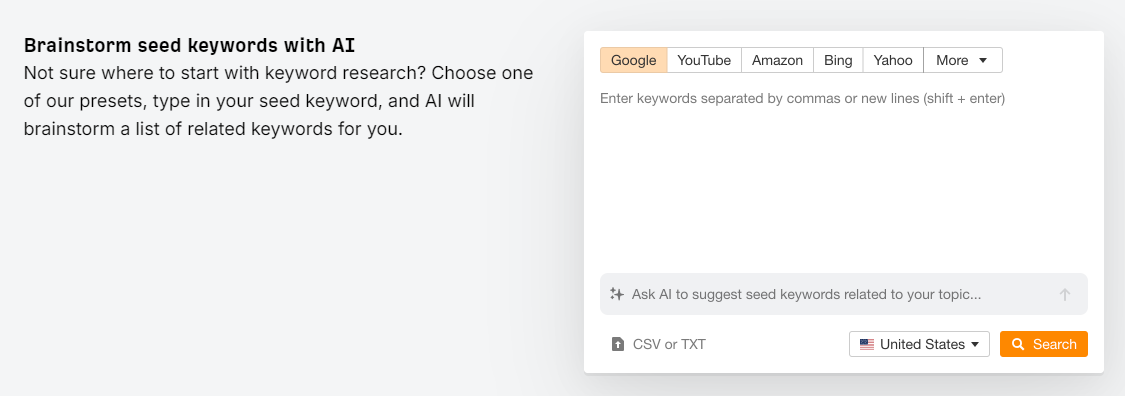
    Ahrefs makes significant investments in creating a thorough content strategy that caters to the requirements and interests of its target market. To find subjects and searches pertinent to its audience and sector, it conducts in-depth keyword research. 

    Source

    The production of excellent, in-depth content that tackles these subjects and offers value and insights to its audience is guided by the findings of this research. 

    Source

    Ahrefs builds its reputation as a reliable information source in the digital space and draws in organic traffic by continuously creating insightful content that speaks to its audience and fits with search intent.

    On-Page Optimization

    Ahrefs ensures that their website ranks highly in search engine results pages (SERPs) for pertinent keywords by paying close attention to on-page optimization.

    To determine the target keywords for every page, they carry out in-depth keyword research. Then, they carefully consider which keywords to use in important on-page components like title tags, meta descriptions, headers, and body content.

    Source

    They improve title tags and meta descriptions to effectively represent each page’s content and entice users to click through to the website.

    Using Brand Names

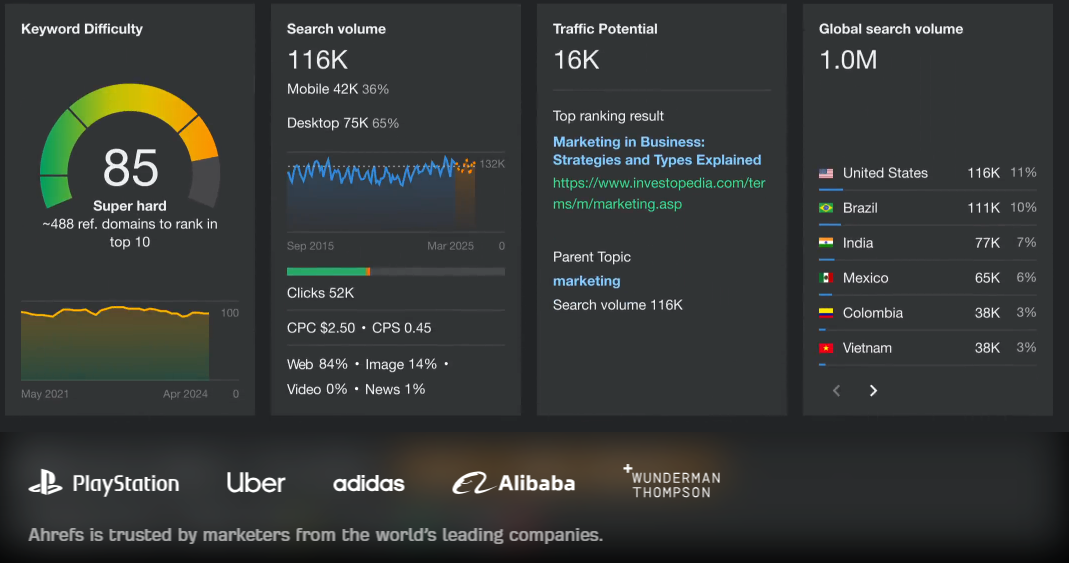
    Companies frequently use the names of well-known companies they work with as a tactical element in their SEO approach. By displaying partnerships or clients from well-known brands on their websites, businesses hope to increase their search engine visibility and attract more customers. 

    Source

    This SEO strategy successfully makes use of the standing and prominence of Ahrefs to increase the online presence and visibility of the companies that

    3.  NerdWallet’s Strategic Use of Statistics and Audience Diversity

    NerdWallet has been recognized for its strategic use of SEO to cater to a diverse audience and provide high-value financial advice.

    Here’s how they excel in SEO:

    Use of Stats

    Using statistics in your writing gives your arguments and claims more authority and credibility. Users are more inclined to believe your content, and it has a positive impact on your website’s SEO. 

    Source

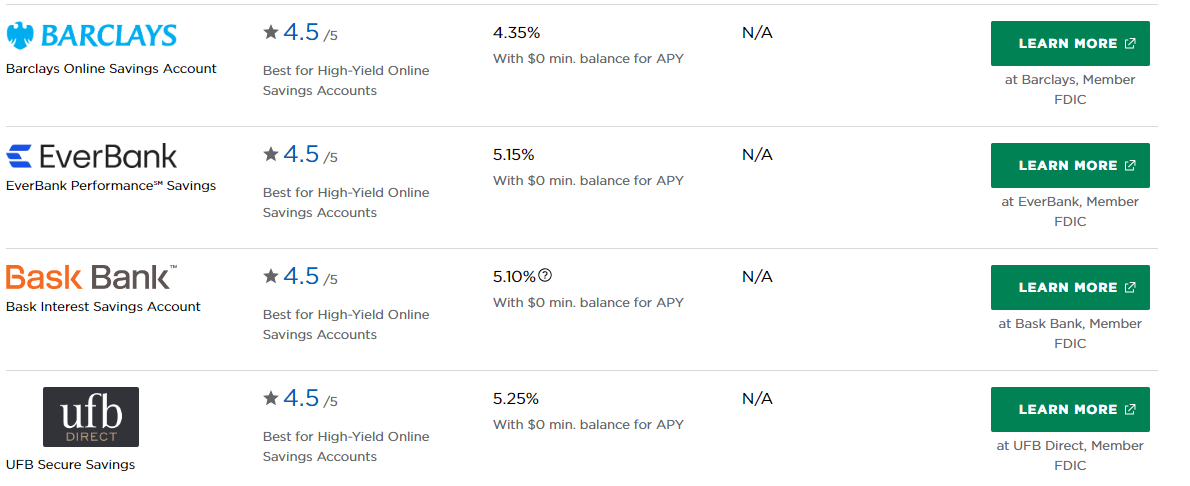
    NerdWallet utilizes this strategy and provides statistics about their value to their clients. Including statistics on your website can help increase its credibility in the eyes of search engines and users alike, as search engines also respect authoritative content.

    Diverse Audience

    Providing for a varied audience has a good effect on SEO as well. You may draw in a larger audience to your website by offering material that speaks to the needs and preferences of various demographics.

    Source

    NerdWallet caters to the needs of students, businesses, banks, etc. Serving a varied audience helps their website gain more authority and credibility by demonstrating its relevance and usefulness to a range of demographic groups.

    4.  Canva’s Strategic Social Media Integration

    Canva is a leader in graphic design software, and they excel in integrating SEO with their social media strategy.

    Here’s how they do it:

    Social Media Integration

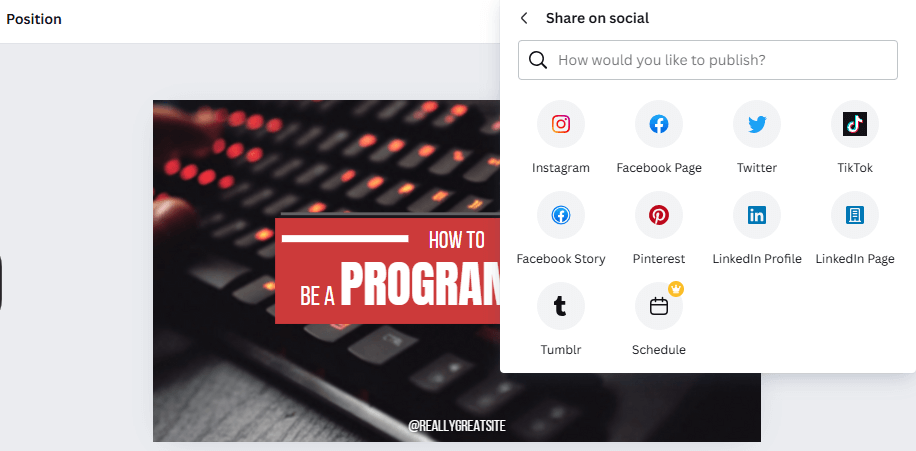
    Canva makes it simple for users to share their ideas on social media by integrating social media sharing tools into the site. This promotes user-generated content and raises the possibility that social media users and other websites may share and reference Canva’s material.

    Source: Personal Screenshot

    These social signals can help improve SEO performance by boosting total web presence, drawing in backlinks, and raising business visibility.

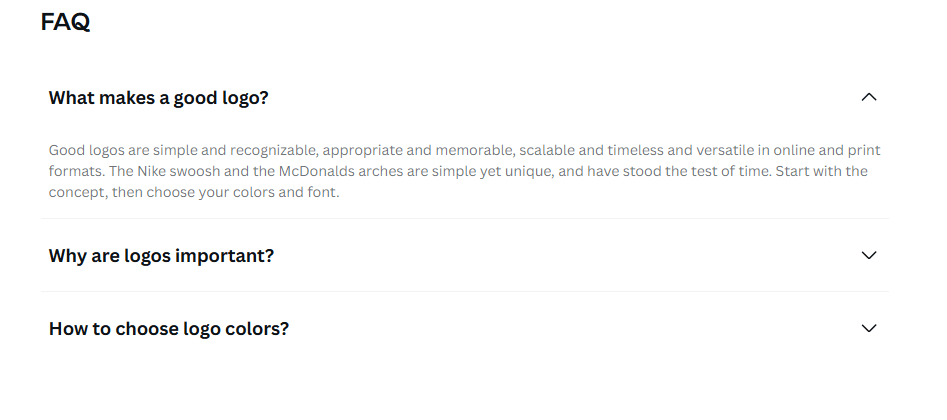
    Use of FAQs

    Targeting long-tail keywords—which are specialized and frequently less competitive than broad keywords—is made possible by FAQs. Canva naturally incorporates long-tail keywords into its content by answering frequently asked questions about its industry or specialty.

    Source: Personal Screenshot

    This will draw focused organic traffic from users who are specifically searching for those queries. Search engines can better understand about your website via FAQs content. 

    5.  Freshworks’ Infographic Strategy

    Freshworks, a leading provider of customer engagement software, employs an effective infographic strategy to enhance their SEO performance.

    Here’s what they do best:

    Infographics

    There are various ways that using infographics in your content strategy might improve SEO.

    Because they are easily shared and can garner backlinks from other websites, infographics can help your website rank higher in search engine results pages (SERPs) and gain more authority. Freshworks uses infographics to lengthen users’ stays on its website and enhance user interaction. 

    Source

    User Experience Optimization

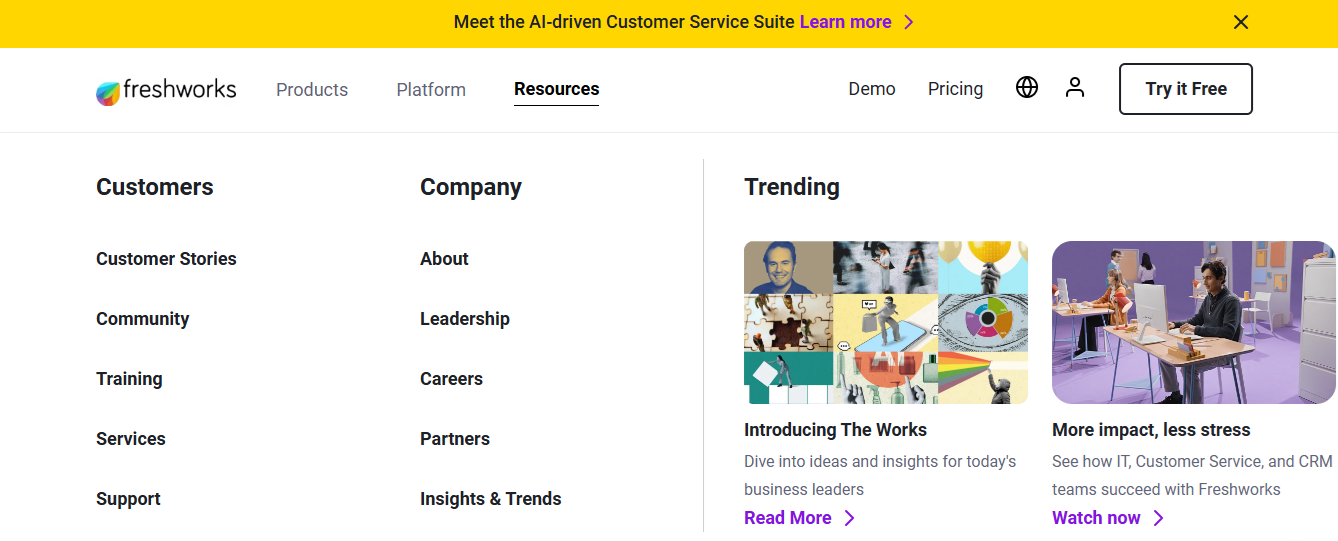
    Freshworks places a high priority on user experience (UX) because it’s important for search engine optimization (SEO).

    Source: Freshworks

    Their website offers quick loading speeds, easy navigation, and clean site architecture—all of which enhance the user experience.

    Freshworks promotes longer dwell durations, lower bounce rates, and higher engagement metrics by offering a smooth and user-friendly browsing experience. These are all signs that search engines find favorable.

    Tips to Improve SEO Content Writing

    Here are some tips you can follow to improve your SEO content writing:

    1.  Conduct In-Depth Keyword Research

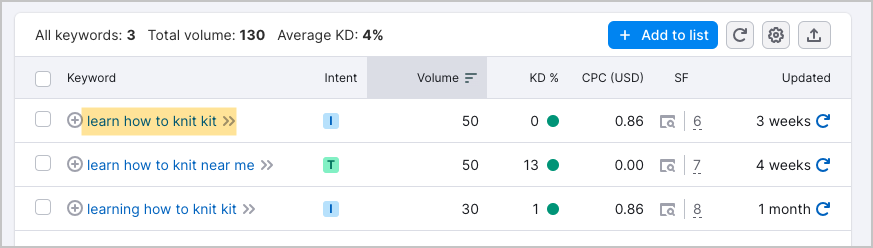
    Use tools such as SEMrush or Google Keyword Planner to perform thorough keyword research and target low-competition, high-volume keywords. 

    Source

    Carefully include these keywords in headers, titles, body copy, and meta descriptions to improve search engine visibility and the user experience. This will help to make sure that your content is seen by the right people.

    2.  Understand Your Audience

    Conduct thorough audience research to understand their needs, preferences, and search habits. Make sure you tailor your content to resonate with your target audience while incorporating relevant keywords.

    3.  Focus on Quality Over Quantity

    Focus on creating high-quality content that provides value to your readers. Avoid keyword stuffing and prioritize delivering engaging and informative content that addresses the searcher’s intent.

    4.  Optimize User Experience

    It is always important to organize your content so that it is easy for readers to read and comprehend. Use clear headings, subheadings, and bullet points to divide the content and direct readers through the piece.

    Source

    5.  Enrich Content with Multimedia

    You should add infographics, movies, and pictures to enhance your text-based content. Visual components can improve understanding, break up text-heavy passages, and add interest to your writing.

    Compressing photos, embedding movies from reputable sources, and utilizing responsive design are all ways to optimize multimedia files for web speed.

    6.  Use Analytics Tools

    Use web analytics software, such as Google Analytics, to track metrics related to conversions, user behavior, traffic, bounce rates, and page views. Change your content strategy accordingly.

    Source

    7.  Stay Agile with Algorithm Changes

    Keep up with updates to search engine algorithms since they can affect the visibility and ranking of your website. By putting new tactics into practice, modifying content optimization procedures, and keeping up with industry trends, you can alter your SEO strategy accordingly.

    Wrapping Up

    When it comes to SEO content writing, striking the right balance between optimization and engagement is key to success. By implementing effective keyword research, on-page optimization, and understanding the user experience, you can enhance your website’s visibility and attract organic traffic.
    If you’re ready to elevate your content game with expert SEO writing services, look no further than Wittypen. Our platform boasts a talented pool of freelance writers who are experts at creating SEO-optimized content that captivates your audience and boosts your online presence. 

    Don’t settle for mediocre content—partner with Wittypen and revamp your content game now!

  • Craft Winning Content: Explore Powerful SEO Content Writing Samples

    Craft Winning Content: Explore Powerful SEO Content Writing Samples

    Did you know Google processes a staggering 99,000 search queries every second? That translates to a daily volume of 8.5 billion searches – a clear indicator of the immense online audience you could be missing.

    Here is the key takeaway: If your website isn’t optimized to claim its rightful place on page one, which accounts for an average CTR of 27.6%, it is time for a new and effective SEO writing plan. The plan must leverage the power of SEO content writing tips to unlock your website’s potential to reach this vast audience and achieve greater visibility.

    But the question is: how does an SEO strategy translate into website growth? The answer lies in a powerful synergy—by merging informative and engaging content with SEO best practices, your content ranks higher, attracting the right visitors and driving organic growth.

    Do you want to master SEO writing? Explore our SEO content writing samples and learn best practices for crafting informative content that converts. Dive in and transform your website into a search engine superstar!

    What Are SEO Content Writing Samples?

    If Content is king, then SEO is the crown! High-quality content serves as the foundation of your website, but SEO elevates its visibility in search results. Think of SEO content creation examples as strategic storytelling—well-researched and optimized content that attracts organic traffic through search engines.   

    SEO content writing samples are your gateway to mastering search engine visibility. These valuable resources provide insights into best practices for keyword integration, user-friendly structure, and effective SEO implementation. Besides, by analyzing SEO article writing examples, you can assess potential writers’ expertise in your niche, their writing quality, and the ability to naturally integrate keywords.

    In essence, SEO content writing samples empower you to craft high-ranking content that can propel your website to the top of search results.

    Importance of SEO Content Writing

    Cracking the code to a website’s success often hinges on one crucial factor: search engine visibility. SEO content writing is your secret weapon in this quest. Here is how:

    1. Increase Search Engine Ranking

    In today’s digital landscape, where internet users rely deeply on search engines to find information, effective SEO writing samples are the key to unlocking prime real estate: the coveted first page of search results. 

    By meticulously crafting content that targets relevant keywords, your website transforms into a beacon for search engines like Google. They recognize this content as valuable and informative, propelling you toward the top of search results for those terms. This translates directly into a surge in organic traffic – the lifeblood of online success. 

    2. Attract Targeted Audience 

    Effective SEO transcends the outdated practice of keyword stuffing. Instead, it delves into the psyche of your target audience, understanding their needs and language. This audience insight allows you to craft content that resonates deeply, speaking directly to their pain points and aspirations. 
    The result? A laser-focused approach that attracts highly qualified visitors – those with a genuine interest in your offerings. Statistics back this up: 73% of website visitors coming from organic searches are more likely to convert into paying customers.

    In essence, SEO, done right, fosters deeper connections and higher engagement, ultimately driving conversions and propelling your business forward.

    3. Build Brand Authority and Credibility 

    SEO’s power goes beyond rankings. By crafting informative, data-driven content, you establish brand authority. Search engines may value quality, but trust is the real win.

    This cultivated reputation transforms visitors into brand advocates eager to share your website’s valuable offering with the wider world. Generally, SEO fuels organic brand loyalty for sustainable growth, capitalizing on the power of word-of-mouth (trusted by 83%).

    Examples of Effective SEO Content Writing

    Here, we will delve into 5 content writing samples, offering valuable insights you can integrate into your SEO content strategy.

    1. Target Your Content, Captivate Your Audience

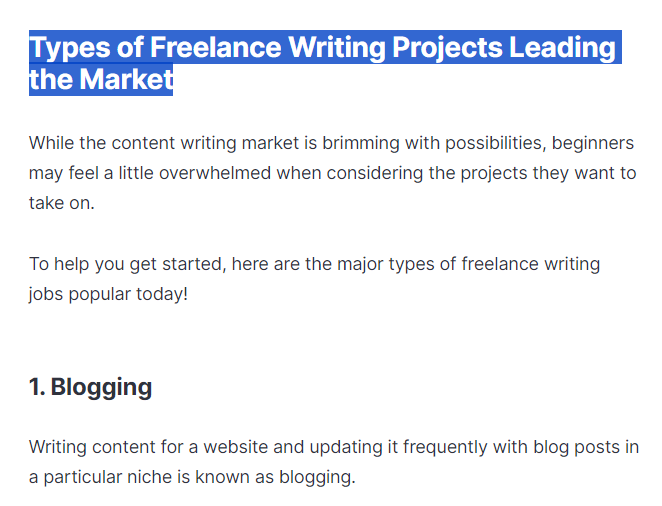
    Your content must resonate with your target audience’s needs, interests, and challenges. The article “What is Freelance Writing and How Does it Work?” sets the bar for crafting audience-specific content. The title hooks curious beginners, and the opening dives into exciting career scope. It further expands into various writing options, making it a comprehensive and engaging resource for aspiring freelancers. 

     Overall, it is an in-depth SEO blog writing sample that prioritizes customer-centric content.

    2. Beyond Keywords: Unlocking Search Intent

    Knowing your audience’s search terms is just the first step. SEO mastery lies in understanding the “why” behind their queries.

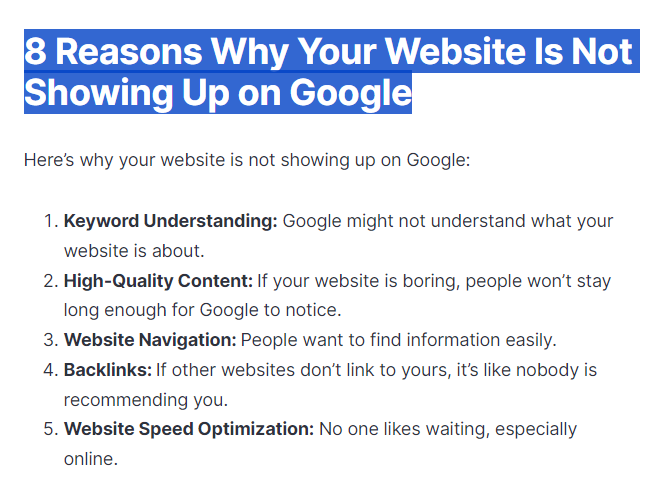
    Take “8 Reasons Why Your Website Is Not Showing up on Google,” for instance. This blog expertly addresses the reader’s pain point and offers an answer within the first few seconds of reading. 

    It then expands into a comprehensive guide for overcoming those issues without overwhelming readers. This targeted approach validates expert SEO writing.

    3. Building Trust and Authority: Content that Empowers

    Remember, Google users crave trustworthy answers. To ensure credibility and trust, your facts must be valuable, meticulously researched, and supported by credible sources. 

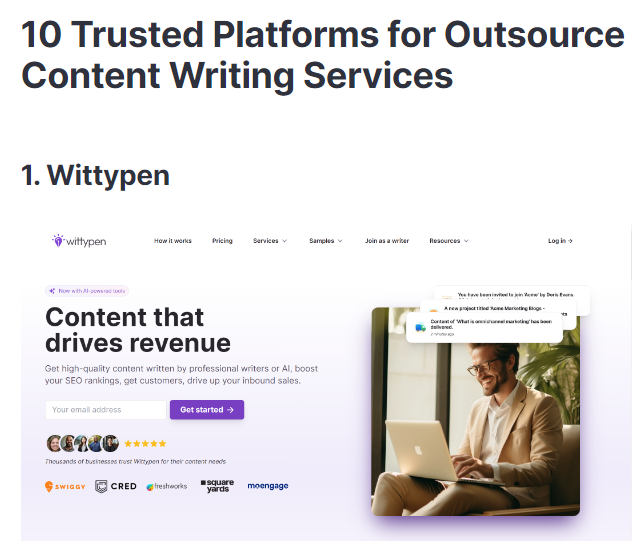
    In this context, the article “Need Content? Here are 10 Platforms to Outsource Content Writing” goes beyond the basics. It delves deeper, equipping readers with actionable tips for choosing the right outsourcing platform.

    Plus, the article bolsters credibility mentioning the success stories of brands who outsource their content. This proactive approach empowers readers, eliminates the need for further research, and solidifies the brand as a trusted resource. 

    4. Actionable Website Content: Beyond Information, Captivate and Convert

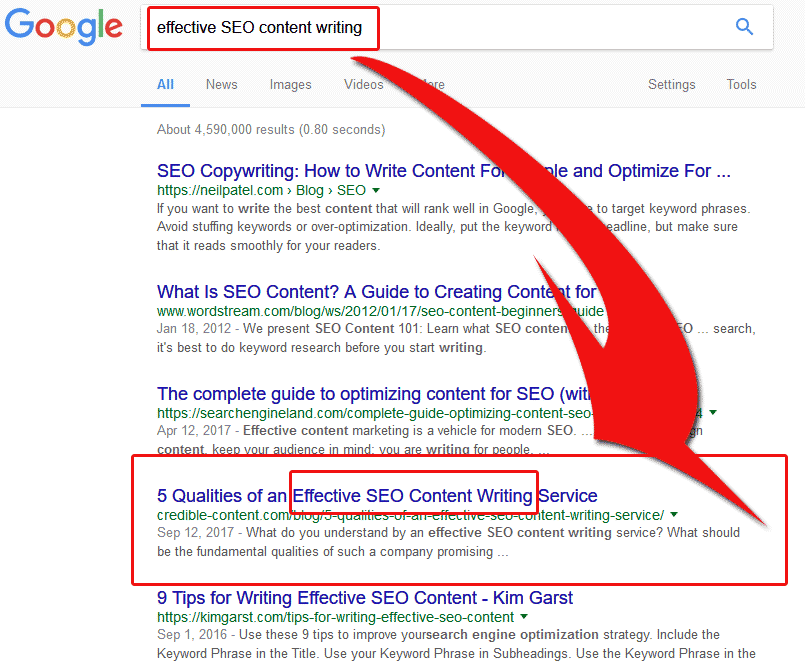
    Great content goes beyond informing; it compels action. Captivate your audience by answering their burning questions and positioning yourself as the solution. A clear value proposition, like the one at the top of the article “23 Top Content Writing Tools for SEO to Scale Up Your Growth,” instantly tells visitors “Why you.”

    This captivating title grabs attention, and the embedded links to SEO tools (as shown in the screenshot below) make it incredibly actionable. No more back-and-forth searching – readers find what they need right there. This symbolizes effective content writing for SEO that fosters engagement and keeps visitors hooked. 

    5. Cut Through the Content Clutter: The Power of Case Studies

    The digital landscape is a battlefield of content. How do you rise above the noise and establish yourself as a leader? Case studies are your secret weapon.

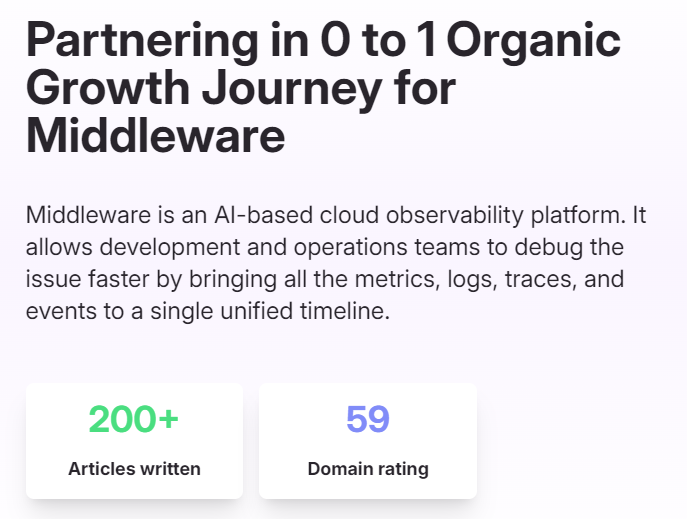
    Take a cue from Wittypen, a champion of case studies and original content. Their case studies captivate readers from the outset by showcasing impressive results with impactful numbers. They delve further deeper, outlining the specific challenges faced by their clients. This transparency fosters trust, and showcasing their solutions provides a clear roadmap for problem-solving.

    Readers gain a comprehensive understanding of Wittypen’s approach, witnessing firsthand how they translate client challenges into effective solutions. This commitment to transparency and results-oriented storytelling sets a perfect example of quality content for SEO. 

    Tips for Crafting Compelling SEO Content

    Here are some powerful tips to equip you on your journey to SEO content mastery:

    1. Know Your Audience

    Do not just create content—craft a conversation instead. Before you write a word, understand your audience’s world. Understand their pain points, interests, and language.

    Leverage keyword research to identify the exact searches they conduct. By aligning your content with these terms, you ensure your valuable insights are discoverable by the right people at the right time.

    2. Plan Your Keywords

    Forget keyword-guessing games. Leverage data! Use Wittypen’s Free On-Page SEO Checker and find all the right keywords.

    Analyze your website’s ranking patterns and emerging trends to identify high-potential keywords. Take seasonality into account. Whether it is a holiday rush, Twitter buzz, or industry fluctuations, tailor your keyword strategy to capture relevant searches.

    By aligning with these trends, you ensure your content resonates with the right audience, maximizing its reach and impact.

    3. Create Engaging Headlines and Meta Descriptions

    Maximize clicks and user engagement by crafting magnetic headlines that use relevant keywords while remaining natural and captivating.

    Consider including power words, numbers, or questions to spark curiosity. Do not neglect meta descriptions either! These concise summaries appearing in search results should accurately reflect your content and entice users with a compelling call to action, ultimately driving them to click through to your website.

    Leverage powerful tools like Wittypen’s Meta Title and Description Generator to simplify your job.

    4. Structure Content

    Content structure is not just about aesthetics; it is an SEO and engagement powerhouse. Organize your content (use Brief Generator) with clear sections, descriptive headings, and visual elements like bullet points and images.

    Doing so improves search engine readability, user experience, and discoverability, making your content truly captivating.

    5. Choose the Right Content-Length

    The “word count conundrum” is a common concern for content creators. Here is the truth: Google values content with depth (think 500+ words), but quality reigns supreme. Craft clear, informative content that engages readers, not dense information dumps. To get a head-start you may also use tools like a brief generator.

    When developing SEO copywriting samples, prioritize consistent length and attention span. Weave in semantically related terms for discoverability and clarity. Lastly, encourage backlinks to your website for an SEO power boost.

    Conclusion and Best Practices

    Ready to unlock the true potential of your website? Mastering SEO content writing equips you to attract qualified visitors, establish brand authority, and propel your business forward. 

    Here’s your SEO content writing cheat sheet:

    1. Know your audience: Craft content that resonates with their needs and search intent.
    2. Plan your keywords: Leverage data to identify high-potential keywords and trending topics.
    3. Captivate with compelling headlines & descriptions: Use relevant keywords naturally to grab attention and clicks.
    4. Structure for success: Enhance user experience and readability with clear sections, informative headings, and visuals.
    5. Focus on quality, not just length: Craft engaging content with depth, prioritizing clarity over information overload.

    Empower your SEO strategy with actionable insights. Explore Wittypen’s free SEO tools:

    1. Free On-Page SEO Checker: Identify high-potential keywords to optimize your content.
    2. Meta Title & Description Generator: Craft magnetic headlines and meta descriptions that drive clicks.
    3. Brief Generator: Streamline your content creation process with clear, focused briefs.

    Don’t settle for average; achieve SEO mastery. Visit Wittypen today and unlock the power of data-driven SEO content writing services.

  • How to Become a Freelance Technical Writer: 4 Steps

    How to Become a Freelance Technical Writer: 4 Steps

    Did you know that in May 2023, the median annual wage of freelance technical writers was $80,050, with the highest 10% earning more than $129,440? The top industries in which freelance technical writers worked were administrative and support services, publishing, scientific, professional, and technical services, and the manufacturing industry.

    In fact, as per the Bureau of Labor Statistics, the employment of technical writers is projected to grow at 7% from 2022 to 2032, which is faster than all the other occupations. This highlights the widespread demand by businesses for freelance technical writers who can make complicated ideas easy to understand for customers and stakeholders.

    It also highlights the lucrative career of freelance technical writing, which comes with competitive pay, the flexibility to set your own hours, the convenience and luxury of remote work, and the opportunity to select projects aligned with your passions.

    As a freelance technical writer, you will be able to develop your skills and expertise constantly through your work. With strong technical writing skills at your disposal, you will be able to establish yourself as a highly sought-after freelance technical writer.

    To assist you in unlocking your potential and be your complete guide on how to be a technical writer, the topics covered in this article are:   

    Step 1: Understanding the Skills Required

    Becoming a successful freelance technical writer requires a blend of technical writing skills, communication skills, business skills, and self-management skills. Let’s delve deeper into each of these vital components:

    1. Technical Expertise

    To succeed as a freelance technical writer, you need:

    • Expertise in your chosen field or domain to ensure clarity for your audience
    • Stay updated with current trends
    • Continuously upgrade your skills by reading and taking courses
    • Explore each subject in depth
    • Manage large volumes of information effectively

    2. Writing Skills

    A freelance technical writer must possess adept technical writing skills to effectively convey complex technical details in a clear, concise, and user-friendly manner to diverse audiences.

    The key best practices to consistently deliver high-quality content and distinguish yourself from competitors include: 

    • Conduct thorough research and make an outline
    • Write from the perspective of your target audience
    • Maintain a consistent logical sequence in your content
    • Ensure that the content is authentic
    • Implement on-page SEO optimization techniques
    • Use an on-page SEO checker to enhance visibility and SERP rankings
    • Trim excess words from your writing
    • Use grammatical tools
    • Edit and proofread thoroughly

    3. Communication Skills

    Considering that face-to-face communication with clients might not be possible, it is important that as a freelance technical writer, you have strong, clear, and effective communication skills, even over emails. This will help:

    • Manage client expectations
    • Cultivate robust client relationships
    • Effectively engage with project stakeholders, including designers and technical staff
    • Gather accurate information and enhance collaboration for the project
    • Efficiently conduct user research to foster a better understanding
    • Improve job prospects

    4. Organization and Time Management Skills

    To succeed as a freelance technical writer and demonstrate reliability and professionalism, you must have strong self-discipline and self-management skills. These will help you balance multiple projects while adhering to their deadlines.

    Tips to improve these skills are:

    • Prioritize tasks according to urgency, deadlines, and customers
    • Use frameworks like the Eisenhower Matrix or MoSCoW method to prioritize tasks effectively
    • Set SMART (specific, measurable, attainable, relevant, and timely) goals for each task to maintain focus and clarity
    • Establish a solid workflow for completing tasks efficiently
    • Break big projects into small chunks to enhance focus and productivity while allowing time for thorough research and writing
    • To effectively manage your schedule, estimate time for each task
    • Minimize disruptions by setting designated work hours and workspace boundaries
    • To recharge and maintain your productivity, incorporate designated break times into your schedules
    • During breaks, engage in activities like short walks, listening to music, drawing, or meditation
    • Use planning tools like Content Calendar Generator, Google Calendar, Notion, or a manual planner

    5. Business Skills

    To have a thriving career as a freelance technical writer, master basic business skills, including:

    • Set up professional invoicing procedures with company information on top for prompt payments and enhanced credibility
    • Meticulously track finances using automated software or spreadsheets for financial stability and informed decisions
    • Maintain accurate and organized records through accounting software or spreadsheets for streamlined tax preparation and long-term savings
    • Master contract negotiation by researching the client, defining solutions, leveraging past successes, fostering open communication, and being willing to walk away if necessary

    Step 2: Building a Solid Portfolio

    One of the most essential steps in becoming a freelance technical writer is creating an engaging and visually appealing freelance technical writing portfolio that professionally showcases your diverse skills.

    The 5 key steps to building a winning freelance technical writing portfolio are:

    1. Incorporate Existing Content

    To highlight versatility through your technical writing samples, include:

    •  Relevant content like blog posts and academic papers
    • For instance,  if your expertise lies in SEO optimization, include an article about on-page SEO elements like keyword research

    2. Create Targeted Samples

    To demonstrate your expertise,

    • Create samples targeting your desired niche
    • Samples can be in the form of white papers, user manuals, or in-demand content types like technical guides and manuals, business plans, case studies, and corporate reports

    3. Showcase Diverse Skills

    To represent yourself as an adaptable technical writer, include the following:

    4. Refine and Polish

    To leave a lasting impression, ensure that your portfolio is:

    • Free of any grammatical or typographical errors
    • Visually appealing by using professional design elements, layouts, and formatting
    • Well-organized and arranged logically, with clear sections and easy navigation for the viewer

    5. Seek Feedback

    Here’s what you can do to improve your portfolio quality and increase your chances of attracting potential customers:

    • Get feedback from industry top performers, colleagues, and experts
    • Implement their portfolio tips and strategies

    6. Acquire Relevant Experience

    To excel as a freelance technical writer, you must gain relevant experience in the field. This can be achieved through:

    • Collaborations with industry professionals
    • Submitting guest posts on prominent industry websites
    • Getting hired as a technical writer

    7. Establish Your Brand and Online Presence

    This is a requirement for freelance technical writers to get more projects and engage with potential clients. Thus, you need to:

    • Regularly post your work on social platforms like LinkedIn
    • Set up a website reflecting your work, client testimonials, and yourself

    Step 3: Nailing Your Pitch

    After you have built your portfolio, the next step is to nail your pitch. The 6 essential tips that a freelance technical writer must incorporate to win over clients while pitching for projects are:

    1. Thoroughly Research Clients

    To succeed as a freelance technical writer, you must craft an effective freelance technical writing pitch by understanding the client’s needs, motivations, and challenges. To ensure this, thoroughly research the client and project by:

    • Exploring their website
    • Going through their support pages and YouTube tutorials
    • Reading their blog articles
    • Analyzing relevant news articles
    • Conduct a meeting to gather insights through targeted questioning 

    2. Highlight Client Value Proposition

    In the pitch, a freelance technical writer must showcase your skills and experience in a manner that convinces the client that you will be able to address all their needs. The most effective way of doing this is by:

    • Identify and address client pain points like if your customers are getting confused by your how-to-guides, leading to increased support requests; show an example that highlights your clear, concise, detail-oriented, and easy-to-understand style of writing
    • Showcase how your services solve their specific challenges by using your similar past project and its success as an example
    • Highlight the unique benefits and advantages of working with you through past client testimonials

    3. Quantify Your Impact

    Highlight the returns that your client will receive in exchange for their investment. To do so, use:

    • Customer feedback and testimonials from past projects
    • Quantitative indicators like profitability, net revenue, increase in sales, and decrease in support tickets from your past projects and successes

    4. Develop a Clear and Concise Pitch

    To effectively communicate your message, capture your client’s attention, and increase your chances of getting the project, you need to develop a clear and concise pitch that is:

    • Easy to understand by all clients
    • Reflects an understanding of the client’s needs and presents a personalized and practical solution
    • Accurately demonstrates why you are the right choice for the project
    • Free from jargon, delivering information directly

    5. Confidently Deliver Your Pitch

    Before delivering, a freelance technical writer when pitching to clients, you must refine it so that you can confidently deliver it across all mediums. 

    • In a presentation, use empathy to connect with your clients. Keep them hooked on your pitch through storytelling that highlights how your expertise will solve their problem or improve their situation.
    • Use concrete examples and visual props to make your presentation memorable. Also, prepare for probable questions and answers and practice in front of a mirror to improve your body language, tone, and pace.
    • In an email, avoid using tentative language and filler words. Keep your language simple and to the point while sounding confident and not arrogant. 

    6. Set Accurate Rates

    No matter how good your pitch was, it would not matter if you are unable to charge appropriately for your expertise and skills. Tips that you must follow to set accurate rates as a freelance technical writer are:

    • Estimate the time it will take you to complete a task
    • Consider your experience level
    • Check current market rates from other freelancing sites like Upwork and Fiverr
    • Determine your rates based on whether the work is one-off or ongoing. Charges for one-off work are usually higher than for ongoing work, as you will have to spend more time looking for new projects and clients. 
    • Adjust rates based on client involvement. Usually, charges are more for small or new businesses as they will require more guidance than for large organizations. 
    • Factor in the task complexity and the research required
    • Account for deadlines and potential rush fees
    • Set up your hourly freelancing rates such that it is higher than your full-time, salaried pay. The rule of thumb is to double or triple your full-time hourly wage to arrive at your freelancing rate to cover your operating expenses, taxes, and other business costs. Websites like Payscale will help you find technical writer salaries.

    Step 4: Delivering High-Quality Work

    To ensure successful project delivery that upholds the freelance technical writing quality, you must follow these strategies: 

    1. Consistently Meet Deadlines and Budgets

    To build your reputation as a reliable freelance technical writer and drive more clients and projects toward you, you need to meet deadlines and budgets consistently. 

    Tips that you must follow to ensure this are:

    • Refrain from overcommitting to avoid delays
    • Keep a buffer between each deadline for unforeseen circumstances
    • Conduct an in-depth research and create a content outline to follow diligently
    • Proactively communicate with clients regarding project timelines and potential delays
    • Regularly track time and expenses to stay within the budget

    2. Ensure Effective Client Communication

    To ensure the satisfaction of your clients, you must:

    • Maintain open and effective communication with your clients
    • Actively seek their feedback
    • Promptly address their concerns

    3. Conduct Thorough Research and Fact-Checking

    To build your reputation as a freelance technical writer, you must:

    • Stay updated with industry developments
    • Fact-check your work using Google’s fact-check tools
    • Validate the legitimacy of your main source by assessing author credibility, publication date, citations, and publishing platform credibility
    • Seek input from subject matter experts to verify the accuracy
    • Support your main sources with supporting articles for additional validation

    4. Adhere to Style Guides and Client Requirements

    To portray yourself as a credible freelance technical writer, you must always:

    • Adhere to the standard guidelines and format required by the client
    • Use your expertise to choose the best course of action during conflicts between style guides and client specification
    • Correct any errors or inconsistencies

    5. Prioritize Proofreading and Editing

    Clients always appreciate polished work, which results in more projects and referrals. Thus, you must read it meticulously and make the necessary changes to ensure that your work is:

    • Free from grammatical and structural errors
    • Accurate and factually correct
    • Follows all the formatting guidelines
    • Easily understandable for the target audience
    • Consistent in tone and style throughout

    How to Become a Freelance Technical Writer?

    Skills RequiredAdept writing and editing skills, clear communication skills, strong organizational and time management skills, and basic business skills are essential for a freelance technical writer to succeed. 
    Build a Solid PortfolioA solid portfolio is versatile and has samples focused on your desired niche of industry and content format.
    Nail your Pitch and Get ProjectsThe key to this lies in understanding the client’s and project’s requirements, designing a pitch that fulfills them, and confidently delivering it.
    Deliver High-Quality WorkTo ensure this, follow the client’s requirements and formatting guides, proofread your work, ensure accuracy, and adhere to deadlines. 

    Conclusion

    Becoming a freelance technical writer requires continuous skill development, expertise in the desired technical field, and a passion for working hard and doing better.

    Such an approach will make your clients happy and satisfied, bringing you more work and success. The bonus for you is a career in which you are free as a bird, with your livelihood sorted in the best ways. 

    If you are in search of a stable career that offers you competitive pay, aligns your skills with the tasks, gives you the autonomy of choosing your projects, and helps you improve and develop your skillset, then join us to begin your career as a freelance technical writer with Wittypen.