Category: Content Writing

  • Everything You Need To Know About Freelance Content Writing in India

    Everything You Need To Know About Freelance Content Writing in India

    Freelance content writing if done right is one of the most lucrative jobs out there in the jobs market today!

    If you’re successful, you’re highly sought after, are paid well, and can work as little or as much as you want.

    But, some writers do end up struggling to make that mark.

    Freelance content writing in India can throw up some unique challenges because it is seen as less of a writing job and more of a last resort.

    We have grown up believing that any and all convent graduates can write, but that’s not really the case. It is not very often when people choose writing as their primary career option, but things are changing now and we are here to support that.

    18 Things You Should Do While Freelance Content Writing in India

    1. Write!

    Writing is like building up muscle. The more you work at it, the better you get. Freelance writing means you have to write a lot in possibly short amounts of time.

    So, let your thoughts flow, practice free writing, even when you are in between jobs, to keep your hands and brain used to the work.

    2. Get Organised

    You need to be organised as a freelance content writer because you’re going to be juggling between multiple things.

    Have a clearly-defined writing process – how you begin your writing, how you create an outline, how do you draft and edit.

    Having a style and process leads to faster and more efficient writing, making clients happy!

    3. Never Rest Easy

    You’re an established writer, you’ve done gigs in article and blog writing, and your clients are happy with you. Cool! But, don’t rest.

    Create more content and expand your writing horizons by learning a new domain to work on or updating your skills with the trending technologies.

    4. Keep Multiple Clients Anyway

    Freelance writing is fraught with uncertainty. You could end up losing all your clients in one go. In Finance, it is always advised to not put all your eggs in the same basket. The same goes for when you are working with customers.

    Keep working, even if your job is small time.

    5. Have a Solid Resume/Portfolio

    The first thing any potential client is going to ask you for is your portfolio.

    If you’re a beginner, then take a sample of your writing with you to show what you can do. Intern at the start of your career in various freelance content writing services to build up your profile and learn the processes.

    6. Have a GST Number

    With the arrival of GST in India, clients are now hesitant to hire a content writer unless he or she is registered.

    If you have a full-fledged freelance content writing career, get a GST number; it will help you in the long run.

    Alternative: This is one aspect which is becoming an issue for many writers across India. There is an option to work with organisations who agree to manage the compliance cost and pay GST through RCM on your behalf. Is there a way to find out such companies? Not sure? We, at WittyPen, we take care of the compliance on behalf of the writer.

    7. Know How to Invoice!

    Whether you’re just starting out as a freelancer or if you’ve been doing it for years, knowing how to invoice is crucial. You need to be able to bill your clients for the number of hours that you have worked.

    There are several free invoicing templates available online to get you started.

    Be sure to make use of them and never miss adding the taxes!

    8. Have a Contract

    No matter how small or big the job is, always make that sure you verify your employer and sign an agreement with your client.

    You don’t want to put in days of work only to have them vanish on the day you were supposed to get paid.

    9. Be Willing to Write About Everything

    As an established writer, you get to pick and choose your content.

    If you’re new to content freelancing, be ready to research and write about anything that comes your way.

    Sports, tech, fashion – nothing should be off the table.
    When you know what you want to write about and are confident about your knowledge about the subject, build yourself a niche.

    You don’t want to spend half your career doing research, and neither do your clients.

    10. Pitching Yourself

    Pitch yourself as often as you can.

    Clients aren’t going to come to you as often as you might think.

    Speak to the needs of a potential client, give them proof of your work, be charming.

    But, pitches are rejected quite often, so don’t be disheartened.
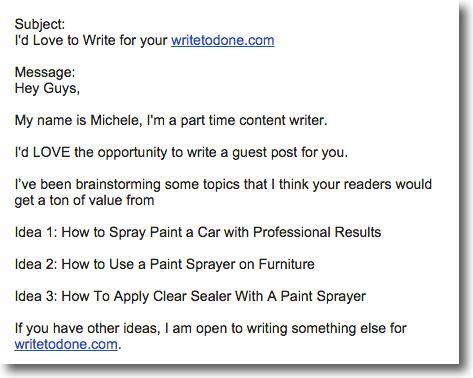
    Image Source:

    11. Create a Website

    Clients are inherently mistrustful.

    Have a website that lets them see who you are and what you can write.

    It doesn’t have to be anything fancy or expensive. It simply should put you there in the freelancing world.
    Add samples of your niche writing to your website.

    12. Blog

    Having a blog can work wonders for you as a freelance content writer.

    Not only is it great practice and an outlet for your creativity, it also serves as your portfolio.

    It allows potential clients to come across your work and contact you.

    13. Guest Blogging

    Publish your content on someone else’s blog or contribute on various publishing platforms.
    Guest post writing connects you with new readers and potential clients and is a great way to increase your audience and credibility as a writer.

    14. Social Media

    The best way to find clients, social media, can be used to put out the message that you’re a freelance writer.

    There are various Facebook pages, especially for freelance writers where clients meet writers.

    Join one of these pages, be a part of the community and grow your network.

    Have a LinkedIn profile! It allows potential employers to know that you exist and allows you to create contacts and build networks.

    15. Job Boards

    There are several job boards online where content writers are needed.

    Check them often, preferably before you go to sleep and just after you wake up as the jobs are taken up quickly.

    Always consider asking your existing clients for referrals

    16. Don’t be shy about this.

    As a freelancer, you don’t always know where your next job is coming from, so make the best use of the clients you have to get new jobs.

    If not referrals, get testimonials from them and publish them on your website (with their permission, of course).

    17. Collaborate

    You don’t always have to work alone.

    Network with other writers and get together to work on projects. It also builds a regular flow of projects from multiple sources.

    18. Don’t Oversell or Undersell Yourself

    Always be true to your clients, tell them what you can and can’t do.

    However, if you feel like the pay is too low for the amount of work you do, then don’t hesitate to voice your concerns.

    What to Expect?

    The Pay

    Don’t expect the money to come flying in through the door all at once.
    Remember, your clients don’t know you.
    In India, established content freelancers can earn anywhere from around 25k to 100k INR a month.

    As said before, content writing charges depends entirely on who you work for and how much you write. So, be prepared for uncertainty, always!

    To ensure that you get paid duly, consider trying online payment options such as Instamojo, PayPal and Payoneer, which are quick and easy ways to directly send and receive funds.

    The Clientele

    Most people are trustworthy. But, if you feel unsure about your payments, then start off on a per article basis and then move on to a regular monthly or biweekly schedule. If advance payment is an option, always consider taking at least 50% as advance.

    The Prospects

    Most writers in India move away from freelance writing after they develop solid foundations.
    This does not mean that freelance writing is not the job for you. If you can stay motivated despite the upheavals in your career and are willing to put in lots of time and effort, there is no reason that it cannot turn into a full-time career for you.

    The key is to start somewhere and see where the writing leads you.

    Here are some more links with information on content freelancing in India and how to get started!

    Why Do Indians Fail As A Freelance English Content Writer? An Indian Perspective

    The Complete Guide to Getting Started Freelance Writing From Scratch

    So now what are you waiting for? Get started!

    How We Help Writers at Wittypen?

    WittyPen was started with the core belief to create opportunities for writers across domains and different experience levels. We not only help you get freelance writing projects, but also bridge the information so that you ca create content which is most relevant to the end reader. Also, we ensure you get paid, always!

    Know more at WittyPen.

  • Content Writing Tips for 2020-How to Research like a Pro!

    Content Writing Tips for 2020-How to Research like a Pro!

    Last Updated : 22-01-2020

    Great content is the key to successful digital marketing. And every content marketer aspires to get his or her content viral and shared extensively on social media.

    But with the sheer volume of content out there on the internet, even those with the best writing skills can see their content lagging behind. Simply writing something, no matter the type or domain of content, isn’t enough to make it to the top of a Google search.

    The reason?

    Well, a huge part of it has to do with competition.

    While statistics can vary, the number of blogs out there stands at around 350 million. Out of these, around 2 million put out blog posts every day. There are also around 200 million active websites, and the daunting task of a writer is to create successful content that stands out from among all these.

    This is where an often underrated aspect of content writing comes to the fore. Here are the content writing tips to rank every content on Google search:

    Research

    Good research skills help you deliver exactly the content your audience wants and can mean the difference between the top and bottom of a search result.

    Why Is Research Important for Content Creation?

    1. To Improve Quality

    Done right, in-depth research can lead to excellent insights into the behaviour of your potential customers and also into your competitors.

    Learn how people spend, why they choose to spend, and why they might end up choosing a competitor over you. This will help you determine consumer needs and wants and identify problems in your own content.

    Research reduces the time your brand takes to reach consumers and also helps you analyze the effectiveness of the impact of your content on your target audience, leading to improved quality.

    2. Making Them Stay

    The path taken by your potential customer that starts from simply giving your content a cursory reading to turning into an actual buyer is a long one.

    JourneyofaModernConsumer

    Image source

    The modern consumer is thorough when it comes to researching the products he/she buys, and it is, in turn, expected that content creators deliver quality every single time.

    Simply turning your audience into customers isn’t going to help you !

    You have to make sure they stay long enough to become advocates of your brand by constantly putting in research about their changing desires.

    3. The Right Message for the Right People

    If you’re thorough enough, your research will help you deliver a focused, clear message right across to your target audience.

    In 2019, audiences have been identified to have much shorter attention spans and prefer brands that avoid going on and on about their products.

    Don’t brag and drag! A short message, delivered powerfully, will ensure your content is remembered long after everyone else.

    4. Who Are You Creating For?

    When you know your target audience well enough, you will know exactly what kind of content they want to see from you.

    • Is a particular post getting significantly more attention than others?
    • Are views consistently low for a certain piece of content?
    • Keep tabs on consumer reactions, and hone your content accordingly.

    How to Conduct Thorough Research?

    Now that we’ve gotten an idea about why research is important, let’s take a look at how to actually go about it, shall we?

    1. Engage

    Consistent engagement with your audience is crucial to successful content. Interact with them, solve their queries. Become a part of their communities and forums and see how their attitudes fluctuate.

    This will give you an idea about whether you and your brand are headed in the right direction.

    2. Know Your Competition

    Know what others are doing right, what they provide that you don’t.

    How long have they been doing this?

    How many of your potential consumers are they taking?

    How does your content compare?

    All these questions are extremely important, and you should take them into account while researching for a content.

    3. Track Trends

    Use social media – Facebook, Twitter and other forums such as Reddit and Quora, to find out what people are actually talking about.

    Ask yourself questions related to these trends.

    Why is a certain blog post trending?

    Can I create content that feeds into this trend?

    Is it possible to make something entirely new out of this?

    Questions like these will keep your content unique and fresh for your audience, and keep them coming back for more.

    4. Brainstorming

    Exchange ideas and information; tackle issues with your sales and customer success teams, as they generally know what goes on in the field.

    Get together; find out what works and what doesn’t, what your audience wants and what might turn them away from your content.

    5. Survey Your Audience

    Audience surveys are extremely important, so always remember to conduct them regularly.
    Surveys are tools to directly collect feedback from your target audience, and help you understand their expectations and requirements. They help you measure consumer awareness and satisfaction.

    By this point, you have an idea of what research can do for your content, and how you should do it.

    But there are some other things to keep in mind as well.

    *What are they?

    Well..

    Always credit your research and content!

    With so many articles, blogs, websites, and forums around us, nothing is 100% our own.
    You might come across a snippet of information you find interesting. Or an article that you draw inspiration from. It’s okay to read something and learn from it.

    But it is never okay to plagiarize!

    When you use something for own research, remember to cite your sources. Even if your source is something as common as Wikipedia, give credit where it is due.

    With everyone having access to the internet, people know quickly where the content has been drawn from and can lose faith in your own.

    So What Now?

    You know how to research now, so finding a topic for your content will become much easier.
    But remember to add a catchy headline.

    People are drawn to a content by a headline more than anything else, so even the best content might go unread without one. Keep that in mind!

    To get you started, here are some tools for headline generation:

    • SE Ranking, a tool that helps you find synonyms for your headlines.

      https://seranking.com/keyword-suggestion-tool.html
    • Portent’s content idea generator, which gets you unique ideas for your blog posts.

      https://www.portent.com/tools/title-maker
    • Hubspot’s blog topic generator.

      https://www.hubspot.com/blog-topic-generator
    • Buzzsumo’s content research tool.

      https://buzzsumo.com/content-research/
    • Contentrow headline generator.

      https://www.contentrow.com/tools/link-bait-title-generator

    These are just some of the tools you can use to help yourself become one of the best content writers in your domain. Also, you would do well to remember that there is no one-size-fits-all approach, figure out what works best for you and your writing!

    Putting in extra effort might seem like a daunting task at first, but giving time and energy to your consumers will pay off in the long run.

    Follow the research tips mentioned above and you will see your content flourish and rise towards the top of search engines.

    For more information about writing tools for content marketing, check out this blog.

    It provides information about the creative process, and more tips on research.

    Happy writing!

  • How Best Content Writers Differ from the Mediocre Writers?

    How Best Content Writers Differ from the Mediocre Writers?

    “If you don’t have time to read, you don’t have the time (or the tools) to write. Simple as that.” -Stephen King

    Simple, isn’t it?

    Well, not really.

    No doubt, a great content writer must read a lot.He or she must have content writing skills.

    But, what really separates effective content writing from the mediocre ones? Let’s take a look at how the best content writers differ from the rest.

    A Great Content Writer Is a Thorough Researcher

    The difference between great, effective content writing and mediocre writing lies in the power of information, making the researching abilities of the writers the biggest differentiator.

    A great content writer must be a thorough researcher. The best content writers are well informed about what works.

    The best examples of good content writers are also expected to stay up to date with market trends and targeted content strategies that work for a specific business.

    Another important aspect of being a great content writer includes how well you understand and can connect with your target audience through your writing.

    Ask yourself this

    Who is reading the content?

    Why is the content being written? Or Why should they read the content?

    What is the goal of the content?

    These 3 W’s can transform mediocre writing into effective content writing. More than researching, a great writer must be a great reader.

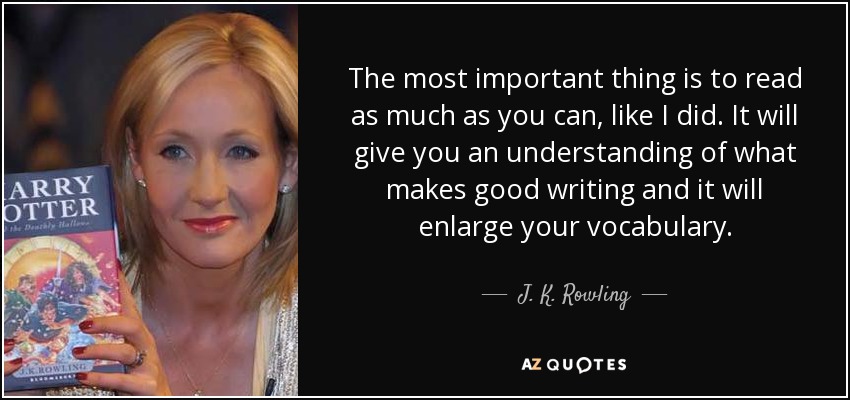
    J.K Rowling Best Content Writer

    Follow User-Friendly Writing Style

    The best examples of good content writers appreciate the reading preferences of their audience and the best content writing practices demand that the writing style is as per audience preferences. Ensure that the language, tone, and information used in the post are in line with the audiences’ understanding.

    Understand:

    What do they like?

    What don’t they like?

    Will they understand what I’m trying to write?

    Whether casual, conversational, or informative, always ensure to follow a similar algorithm for your writing style to maintain the connection.

    Structure their Content Well

    Any blog post or content piece must follow a definite structure. SEO storytelling is like art, which also makes it an insightful and actionable read. A great content writer follows the best content writing practices.

    If your writing is not pleasing to the reader, your content becomes irrelevant. If not always, try following the inverted pyramid approach to writing by providing a proper introduction, body, and conclusion to your content whenever possible.

    Also, Readability is extremely important.

    Understand the writing and formatting tactics to get your long form content read.

    To make sure that the readers are not skimming through the content, make it interesting by adding visuals and graphics.

    Also, including examples of good content writers to make the topic more relatable and easy for the reader is advisable. A well-structured post with visual references makes the content more engaging and impactful.

    Easy to Understand and Relevant Information is Key

    For a lot of educational or informative blogs, the language should be simple. Using great vocabulary does not always show great writing skills.

    It is not always advisable to throw fancy words at your readers or use Shashi-Tharoorian English in an attempt to sound smart.

    Moreover, effective content writing is always backed up with facts. Add examples to make the topic more relatable and easy for the reader. Provide relevant and recent statistics to validate your writing.

    Also, make sure the sources of your reference are credible. Adding non-credible sources or facts should be avoided at all costs.

    Great Writers Generate Marketable Content

    Identifying the brand’s history and persona is critical in SEO storytelling. There is no doubt that a great content writer will be well informed about their target audience. Not only that, understanding the buyer’s persona is just as important.

    It is imperative that you Identify the business’ needs and generate original and targeted content. Research about the best content marketing resources. Generating Marketable content also means optimizing it for search engines.

    These were tips on how to become best content writers.

    A few more quick tips great writers follow to stay ahead of mediocre ones:

    And, most importantly, when ghostwriting for thought leaders, take accountability and talk directly to the audience. Conversational language is the key here. Make sure you write directly for the user with zero passive voice.

    When writing from an authoritative or thought leadership position, make sure the writing sounds confident and well informed.

  • 7 Tricks to Write Blog Post Introduction like an Expert

    7 Tricks to Write Blog Post Introduction like an Expert

    Why exactly is a blog post introduction important and how to ace it?

    As many reports say, the average attention spans are getting shorter and it’s becoming more crucial for content creators to create as engaging content as possible.

    It’s important to grab your reader’s attention at first glance and for that you need catchy introductions.

    Blog post introductions have the power to change a reader’s thought process on whether to continue reading or not.

    Catchy introductions set the mood of your entire blog post.

    It can be tricky to write blog post introductions especially when you are just starting with your blogging journey.

    Here are some blog introduction examples and tips to master the introduction game.

    1. Relate with your readers

    Don’t you love it when you meet someone with similar taste in food or clothes? Also, you are likely to end up having a long conversation with them because you find them relatable and that’s enough to attract someone’s attention.

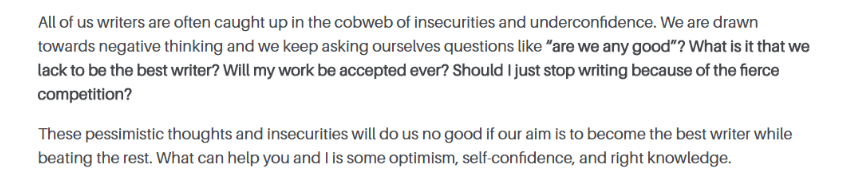
    Here is an example of blog post introduction stating the very obvious thought which crosses almost every blogger’s mind.

    Check out the full article: https://blog-api.wittypen.com/tips-for-becoming-the-best-writer/

    2. Statistics

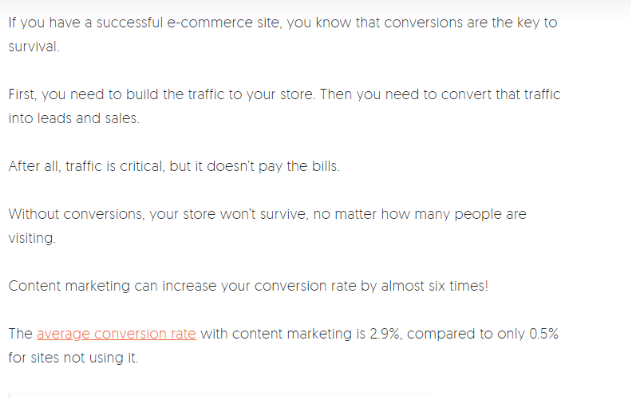
    These type of blog post introductions increase your credibility and gives a GK edge to your blog.

    3. Make a promise

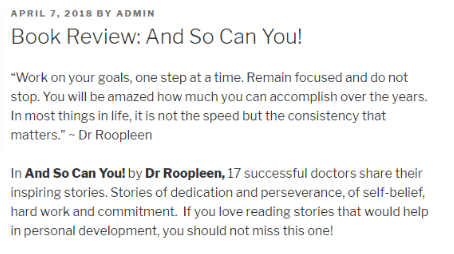
    Readers are often confused with the authenticity of the solutions they find online. You need to gain their trust and confidence by assuring them the correct solution is here. In the blog post introduction given below, we see how the writer is making a promise to his readers

    4. Storytelling

    Consider your readers as your best buddies and engage them through SEO storytelling. Personalizing your content in a way that it’s interesting can build up an emotional bond. This blog post introduction by anamika mishra sharing her experience is a perfect example.

    5. Ask some questions

    Starting with a question can make the reader curious and he would want to tally his answer with yours to see if there’s a different angle to it. This makes your blog post introduction more interactive.

    6. Quotes

    Adding quotes to your blog post introduction can be highly useful as quotes by famous people already hold originality and validation.

    7. Short and sweet

    Instead of going with heavy paragraphs, try using short sentences in your blog introduction to make it more welcoming.

    Even after using these tricks to write a blog post introduction, you need to keep practicing and get honest feedback on your content to grow as a writer and improve writing skills. We at Wittypen give opportunities to the writers who are ready to give their best.

    If you are ready, register with us.

  • Why Freelance Content Writers Need an Online Platform

    Why Freelance Content Writers Need an Online Platform

    Freelancing can seem like heavy work and a dead-end, especially if you are just starting out. The Indian Freelancing scene has expanded tremendously, especially over the past few years. Companies are generating content on a large scale. Brands are winning customers through content marketing, which provides the opportunity for freelance content writers to take advantage of these trends.

    Irrespective of growing opportunities in today’s era of Start-Up India, I often come across many freelancers struggling to find work. I, being a freelancer myself, am no stranger to these struggles. It can be intense and scary if you are wandering in the industry, asking for work without any real direction.

    If you dig deep and keep peeling the onion, artists and freelance writers are the leaders in society – the people who start to get new ideas out – ****Allan Savory

    But if ideas lack direction and medium, what good are they?

    Let’s take a look at some of the challenges we, as freelance writers have faced at one point or another in our writing professions.

    Lack of Credibility

    Let’s face it, there are times when you would reconsider why you became a freelance writer in the first place. And in such times, looking for work can become exhausting and demotivating.

    Especially, when most companies also prefer to generate original in-house content, rather than outsourcing work to freelance writers. Trust and credibility play a major part here.

    It is always helpful to continuously build your CV, work profile and generate credible work samples that can also serve as your working profile or resume. Continuously building a portfolio will also be beneficial in the long run, especially when companies need to connect with you through social media platforms like LinkedIn, Behance etc.

    What may work even better is being associated with an online platform or medium which is accredited with high-prole clients, good projects and credible resources to advance your freelance opportunities.

    Delayed Payments

    The biggest drawback of working as a freelance writer is the part where you don’t get paid.

    Days turn into weeks, weeks into months and some months, you may not even see a paycheck. Finding credible sources of income is tough already and since there is not always a written contract, things may not always go as planned.

    Working with an content writing platform can open doors to many opportunities, especially a one which is well established in the business and works with a mixed bag of clients. It also allows you to focus on your work while thorough professionals take care of payments and settlements. Also, working alongside industry leaders who pay in a timely manner can boost your creativity and you can focus on writing quality content.

    Limited Opportunities

    A lot of freelance writers complain about not being able to find relevant industry-specific work. Just because you are a freelancer, does not mean you take up any work or assignment that comes your way.

    It is impossible to have a great life unless it is a meaningful life. And it is very difficult to have a meaningful life without meaningful work ****– Jim Collins

    You might get an offer to write product descriptions even though you are a technical writer and a thought-leader at that. And you might consider doing a project that does not compliment your work profile or writing styles because you know, desperate times.

    But soon that may become a trend which can make you question your own work ethics. Make sure you work with clients and platforms that offer you projects and tasks that suit your profile and writing skills.Constantly work to improve writing skills.

    So, instead of lowering expectations, say yes to multiple opportunities where you can choose your own work and the load that comes with it.

    After all, it’s all about doing meaningful work!

    GST Hassle Galore

    The GST regime imposed by the government last year makes every goods and service provider liable to pay 18% tax. As content writers are also service providers, the GST rate has been fixed at an 18% for them as well. Being a freelance writer, you need to register for a GST number and comply with the tax regime.

    Irrespective of whether you are selling outside the state or country, GST registration and compliance is mandatory for freelancers. Also, businesses have to pay RCM even if the writer is in the same state and below the 20-Lakh slab.

    As a result, businesses prefer working with credible platforms for the sake of compliance simplicity. If you are a full-time writer, you must consider applying as a freelancer with online platforms.

    This will not only take a load of GST compliance off your plate but also provide you with a plethora of opportunities to design your own workflow and workload.

    Freelancing seems fun but definitely takes more effort than a regular 9-5 job. With more and more people wishing to be their own boss and jump on the freelancing bandwagon, the industry is booming. This, however, does not compensate for the prevalent gaps that still loom the freelance content industry.

    There is a need for freelance content writing platforms and marketplaces that enable freelancers to harbour skills, find work and get paid.

    But how many credible online marketplaces exist to assist them?

    Well, WittyPen definitely takes the cake, with its credible resources, client pool, a community of writers and generous pay.

    About WittyPen

    Ready to Apply as a WittyPen Writer?