Author: Anushka Massand

  • Lifestyle Content Marketing: 7 Best Examples To Learn From

    Lifestyle Content Marketing: 7 Best Examples To Learn From

    Lifestyle marketing is a powerful approach that resonates deeply with consumers by aligning products and brands with their personal aspirations and values. This method goes beyond traditional marketing, which often focuses solely on product attributes or price, to create a connection that encompasses the consumer’s entire lifestyle.

    Understanding Lifestyle Marketing:

    Lifestyle marketing builds on the idea that a brand can become an integral part of a consumer’s identity—reflecting their hobbies, beliefs, and societal values. It aims to celebrate and enhance the desired lifestyles of its audience, positioning the brand as a key component in achieving those aspirations.

    For instance, the global wellness industry, encompassing lifestyle products and services, is expected to reach $1.5 trillion by end of 2024, according to McKinsey. This growth highlights the increasing importance of lifestyle choices in consumer behavior. Factors like geography, demographics, social norms, and personal values play significant roles in shaping these choices, making them key considerations in lifestyle marketing.

    Modern Trends in Lifestyle Marketing

    Today’s consumers are looking for brands that not only meet their aesthetic and functional needs but also mirror their ethical and environmental values. About 88% of consumers express a preference for brands that promote environmental friendliness and ethical practices, underscoring the shift towards more socially responsible marketing.

    Accenture’s report supports this trend, noting that 63% of consumers are more likely to purchase from brands that reflect their own beliefs and values. This connection suggests that modern lifestyle marketing should focus on establishing an aspirational lifestyle that appeals to the brand’s target audience, supported by products that embody these ideals.

    Successful Examples:
    Brands like Nike and Adidas exemplify this approach by encouraging a healthy, active lifestyle through their stylish, functional athletic wear. By doing so, they do not just sell products; they promote a way of life that is attractive to their customers, thereby fostering a deeper brand connection and loyalty.

    In summary, lifestyle marketing offers a strategic advantage by integrating a brand into the consumer’s personal and aspirational lifestyle, making it more than just a choice of product but a part of their identity and daily life. This marketing approach not only elevates brand perception but also enhances customer loyalty and advocacy.

    Top 7 Lifestyle Content Marketing Examples You Should Know

    1. Vogue

    How do they do it? : Their content is relatable and engaging

    What kind of content works for them? : Blog posts and videos

    Why it’s a hit? : The readers can apply the content to their life

    Vogue, the fashion bible, has managed to keep its magazine brand sailing afloat in this digital age with the help of the right content marketing. Their website is intensively Search Engine Optimized (SEO) which gave them 40% of their visitors.

    Vogue, through its blogs and articles on its website, targets its readers with its daily dose of content. The content is relatable and keeps the readers asking for more. A special column dedicated to “How to” for readers to learn trends they can apply to their daily lives.

    Apart from the blogs, they have also been asking their subscribers for stories of the experiences they had when they first got their Vogue issue keeping their readers engaged.

    Vogue

    2. Apple

    How do they do it? : Selective Content pieces

    What kind of content works for them? : Chic, tech-driven and UGC

    Why it’s a hit? : The content is backed by powerful legacy brand name, a new design language

    Apple

    Apple products have transcended their original status as mere gadgets to become symbols of prestige and innovation. This transformation is largely due to Apple’s customer-centric approach, which prioritizes a clean, ingenious, and innovative technology environment. Apple’s marketing strategies and product design philosophies focus not just on functionality but also on the empowerment of its users.

    There branding strategy not only differentiates Apple from its competitors but also cultivates a loyal customer base that views Apple products as essential to a lifestyle that values creativity and empowerment.

    3. Zomato

    How do they do it? : Content based on trending topics

    What kind of content works for them? : Funny and Quick-witted content

    Why it’s a hit? : The content has a powerful SEO and is very interactive

    Zomato, an online directory to find restaurants around you, operates in 23 countries. Zomato is acing at the Content Marketing game with its Bold, Quirky, and Quick-witted content.

    It is ranked 175 in India’s Alexa rating with a strong Search Engine Optimisation (SEO) that gets 60% of its visitors to the website.

    The content is usually about trending topics & news, making it relatable to the audience. They understand their audience; they keep them engaged by reaching out to them & with their creative content by giving them exactly what they need.

    Tempting pictures of delicious food, quirky blog posts, and witty comebacks have made them one of the best. Zomato’s strategy focuses on using more images on all social media channels. Their content is entertaining, fresh, and relatable. It engages the audience. They make use of every opportunity.

    Zomato Blog

    4. Red Bull

    How do they do it? : Appeals to the audience through content on great adventures

    What kind of content works for them? : Blogs, videos, and extreme sports

    Why it’s a hit? : There is no other close competition to their content genre

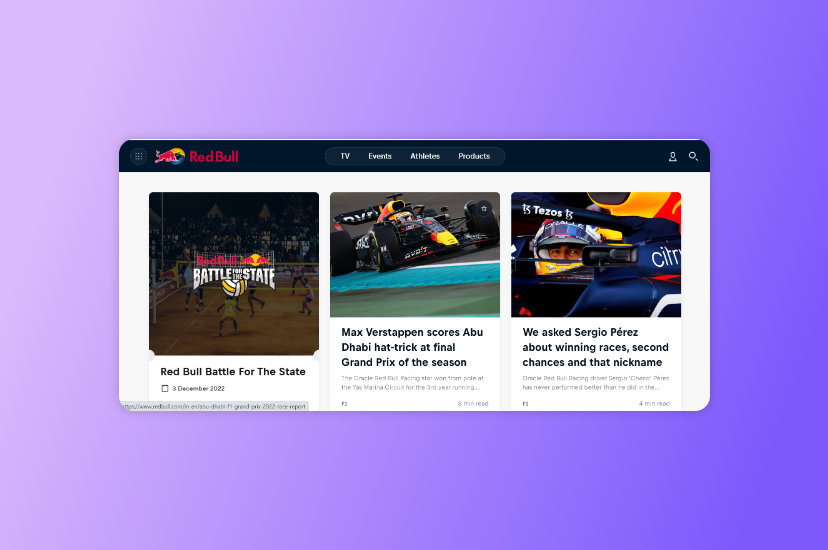
    Red Bull’s level of content marketing and its strategies have been unmatched for a while now. They took the highway and made their way with adrenaline-pumping content on adventure sports.

    The content on their website focuses on blogs, articles & videos with trending events and news about athletes and risk-takers on their website.

    They have followed their tagline in all their content creation “Red Bull gives you wings,” giving wings to Felix Baumgartner for his jump from the stratosphere.

    Red Bull also has a content pool, a website that provides high-quality stock photos and videos for editorial use by publishers, news agencies, TV stations, etc., often using a Red Bull logo somewhere in the content. This widens their marketing for their brand to other sources.
    Redbull stories

    5. Tanishq

    How do they do it? : By Building trust in their customers

    What kind of content works for them? : Blogs & videos focusing on togetherness and showing love through their products

    Why it’s a hit? : Powerful SEO brings 66% of their visitors

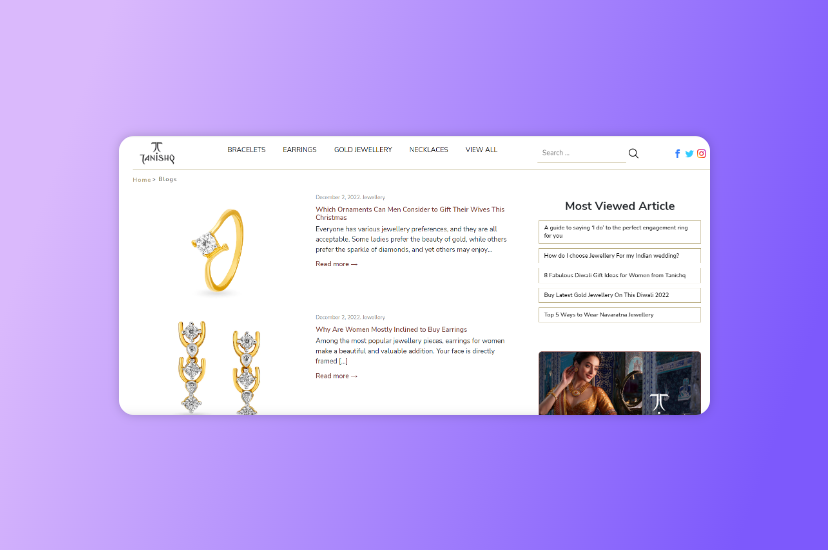
    Tanishq’s content marketing strategies shine out with their uniqueness, like their jewelry. They have experimented with their content but mostly cashing in on the emotions and trust of their customers through videos with stories.

    Their aim has always been to build a connection with their audience by engaging them through storytelling or by asking them to share their story.

    Their jewelry brand Mia also had a campaign along with a contest where they encouraged women to share stories of their work life on various social media platforms. The content comprised some DIY tips and short films.

    The content that excelled the most on their website was the ‘Tanishq Promises’, where they got their employees in front of the camera sharing their stories, and experiences along with answering questions that every customer has in their mind about the quality, purity, clarity, craftsmanship, and more. This content eventually helped in building trust in their audience.
    Tanishq Blogs

    6. Koovs

    How do they do it? : Makes their product more appealing with the content

    What kind of content works for them? : Blogs and social media posts

    Why it’s a hit? : Refreshing ideas and blogs

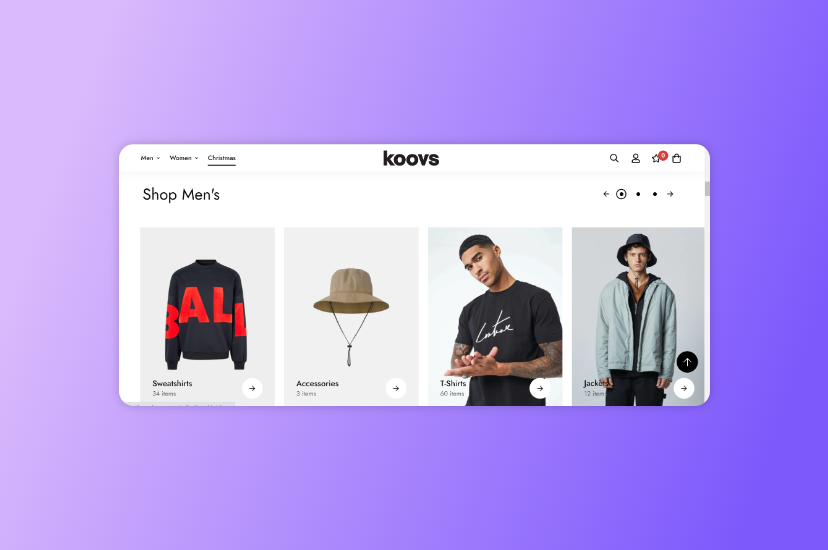
    Koovs, an online fashion store, has been trending in fashion in India with its content marketing. They have collaborated with many Fashion Bloggers on social media who create content in styling and DIY.

    Their onsite blog gives ideas on how to wear an outfit, Mix & Match, and Places you could get similar celebrity outfits, as well as blogs with attractive titles like “NYE Looks to Die For,” which has led to its Alexa ranking in the Top 1000 in India.

    Koov’s latest campaign #Koovsxyou, is an interesting one, where you upload a picture wearing an outfit from Koovs on your Instagram while tagging them, and they put it up on their website engage the audience.
    Koovs

    7. MakeMyTrip

    How do they do it? : Storytelling

    What kind of content works for them? : Blogs, articles, and videos.

    Why it’s a hit? : The content is easy to very access and categorized

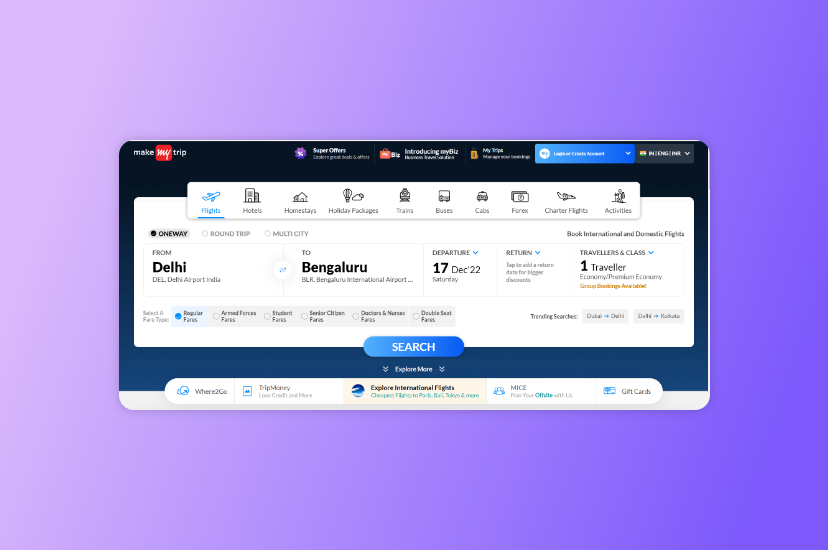
    Make My Trip an Indian Online travel company aligned all its content marketing to fit the three pillars, which are: Inspire, Travel Discovery, and Demonstrate. They have an Alexa ranking of 64 in India.

    Their blog posts are rich in content and attractively titled, such as “10 Laid-Back Weekend Road Trips from Delhi” They made their content for all sorts of trips that you will be tempted to read or watch even if you aren’t going on a trip

    Suggested Reading: Top 10 Content Writing and Marketing Courses With Certifications

    Their storytelling captures ‘Customer First Stories’ with the happy stories of customers, where they address specific hurdles that MakeMyTrip sorted out, enabling a hassle-free journey.
    MakeMyTrip

    8. Ixigo

    How do they do it? : Creative budget content

    What kind of content works for them? : Travel stories and visuals

    Why it’s a hit? : They give importance to their content

    Ixigo, is a travel search marketplace connecting over 70 million travelers with content & deals. They have achieved 46% visitors because of a good SEO.

    Ixigo has been a leader in content marketing for creating viral content out of shoe string budget, and if they can, so can you. The content marketing team has been using creative content, visuals, and videos to increase their user base.

    As Aashish Chopra, Head-Content Marketing, ixigo.com said, “In today’s fast-evolving digital landscape, social media strategy for any brand revolves around remarkable content. Content must be compelling and share ­worthy, period. Every brand today is turning into a media company,”

    ixigo

    Over to you

    The businesses in Lifestyle, most of them are aware of what the audience wants, and they provide them with that, but the reason that these brands are doing much better than any of the others is that they are doing it differently.

    They have experimented and included their product as well as their brand’s personality in their marketing and the way they want to present it. Strategic content marketing is the key to getting better at it.
  • Have a Look at the Best Omni Channel Examples for Your Content Marketing Strategy

    Have a Look at the Best Omni Channel Examples for Your Content Marketing Strategy

    An omni channel content strategy is often confused with a multi-channel content marketing strategy. They may seem similar but are different from one another. Through multi channel you are aiming to achieve various sorts of goals depending on the channel while through omni channel approach the goal set is the same and they are striving to achieve it with different channels. Instead of thinking of a desktop experience, a mobile experience, a tablet experience, and an Apple Watch experience, we’ll need to pursue one, holistic approach- an omni channel experience.

    Here are some definition given by ​Omni Channel Content Strategy _​_to understand the terms better:

    Multi channel Content Strategy:

    Provides content suited to a specific factor or channel, such as desktop, tablet, smartphone or in-store. In theory, multi-channel considers more than one channel. An effective multichannel experience:

    1. Strives to provide a collective content experience across all channels
    2. Takes advantage of a particular form factor’s strengths
    3. Cross-references experiences across all channels

    Omni Channel Content Strategy:

    Omni Channel Content Strategy

    Source: Contently

    Is an approach to multi-channel that provides content at every point in the customer journey (analog, digital, in-store). In practice, omni channel strategy is a retail strategy that considers a user and their entire cross-channel journey with a brand, from the perspective of the user.

    Omni channel content assumes the overall user engagement with a particular user journey, and serves up content to each step in the process, optimizing channel experiences.

    An omni channel experience, accounts for each platform and device a customer will use to interact with the company. That knowledge is then used to deliver them an integrated experience. Companies using this technique align their messaging, goals, objectives, and design across each channel and device.

    Omni channel content strategy extends far beyond its specific niche and medium. It ensures that every part of content reaches the ultimate user providing them with a seamless experience without any data getting lost in providing this experience. According to research by Econsultancy, 87% people believe that brands need to work harder to create a seamless customer experience.

    In the words of John Bowden, Senior VP of Customer Care at Time Warner Cable:

    “Multi channel is an operational view – how you allow the customer to complete transactions in each channel. Omni channel, however, is viewing the experience through the eyes of your customer, orchestrating the customer experience across all channels so that it is seamless, integrated, and consistent. Omni channel anticipates that customers may start in one channel and move to another as they progress to a resolution. Making these complex ‘hand-offs’ between channels must be fluid for the customer. Simply put, omni channel is multi-channel done right!”

    Importance of Omni Channel Marketing Solutions

    Omni Channel marketing Strategy

    Source: C1 Partners

    Buyers interact and connect with brands at a number of different points and in a number of places. Those are both digital and physical. (and even somewhere in between, i.e. digital screens displaying social content at live events).

    Consistency of messaging across all of these channels is essential for businesses. Especially if they are keen to make the buying journey as effective as possible. A consistent tone, style and strategy ensures messaging is clear. Also every piece of content adds to a brand’s image as a result strengthening not diluting it. Consistency means quality and keeping consumers engaged every time they connect with a brand.

    One of the most powerful tools you can utilise to survive, thrive and succeed in the omni channel era is content. In the past, you may have used content attract traffic, engage the interest of visitors and boost conversion. But the role of content in the age of omni channel is gradually evolving to do more than that.

    Some statistics from a recent study in to the traits of omni channel campaigns show how important it is:

    1. 20% of consumers have used their phone to find or redeem coupons and/or lookup product information while in a physical store.
    2. Personalized mobile promotions increase sales: the consumer is more likely to make an in-store purchase if they can access rewards or promotions via their mobile. A significant portion of consumers are interested in accessing such resources on a digital wallet.
    3. 52% of retailers are monitoring social media.36% are enhancing eCommerce sites, or are currently implementing these initiatives.
    4. Retailers are farther behind on improving inventory visibility. To these end, about one-third have identified equipping in-store employees with mobile apps to access inventory + other initiatives to provide cross-channel inventory visibility, among their top 3 omni channel priorities.

    Customers now expect to receive service from your organization on the channel of their choice, which might be voice, email, SMS/text, web, mobile or social media. Companies are beginning to provide service on all of these channels – but too often, those channels may exist in silos.

    This multi-channel service can be taken to the next level with an omni channel solution that integrates channels to provide a consistent customer experience

    Omni Channel Examples

    To understand Omni Channel content strategy one must understand the Omni Channel experience. Most of these companies have not yet integrated this in India. Some of te best multi channel marketing examples are:

    Disney

    omni channel examples

    Source: Slide Share

    Disney is one of the best omni channel examples, as it gets the omni channel experience right, using AI in content marketing, down to the smallest details. It starts with your initial experience on the entertainment giant’s beautiful, mobile-responsive website. Even its trip-planning website works well on mobile – that alone is something you don’t see happening very often. Once you’ve booked a trip, you can use the My Disney Experience tool to plan your entire trip, from where you’ll dine to securing your Fast Pass. In the park, you can use your mobile app to locate the attractions you want to see, as well as view the estimated wait time for each of them.

    The imaginative company takes it one step further, though, with the release of its Magic Band program. This tool acts as a hotel room key, photo storage device for any pictures taken of you with Disney characters, and a food ordering tool. Plus, it even has Fast Pass integration to keep your vacation moving. That’s a truly omni channel experience.

    Starbucks

    Starbucks Omni Channel marketing Examples

    Source: Feedeo Blog

    A quick look at the Starbucks rewards app will reveal why many consider it one of the top omni channel examples out there. First, you get a free rewards card that you can use whenever you make a purchase. But unlike traditional customer loyalty programs, Starbucks has made it possible to check and reload your card via phone, website, in-store, or on the app. Any change to the card or your profile gets updated across all channels, in real-time. Standing in line to get a coffee and realize you don’t have enough on your balance? Reload it and the cashier will know it’s been updated by the time you swipe your card.

    Recommendations

    Every company must develop its own unique omni channel experience infrastructure, and you’ll need to work closely with several departments in your company to develop this strong strategy. While building your own program, look to the following stakeholders.

    1. Product
    2. Marketing
    3. Sales
    4. Customer Support
    5. Customer Success
    Omni channel Content Marketing Strategy

    Source: Kevin P Nicolas

    1. Look at your Customer’s Perspective
    Regularly review the experience your customers go through in order to research, purchase, and connect with your products. Test the experience by placing orders, interacting via all available channels, submitting a support case, and more.

    Try different devices to ensure a seamless experience. If possible, these tests should be performed by external and internal testers.

    2. Segment Your Audience
    Understand your audience and segment your audience accordingly. Which data points actually help you better understand your audience?

    One can use technology to capture information and build profiles about your customers and their journey.

    This kind of rich data can be translated into customer use cases, and also used to build buyer personas. For example, male iOS users who work in the tech industry and are between the ages of 25 and 35 are more likely to buy based on technical specifications. If you discover you are marketing to that audience, you might highlight technical specs in your landing pages and nurturing strategy.

    3. Develop Content/Messaging that Addresses Use Cases and Behaviors
    Content and messaging is key. If a customer has previously engaged or purchased your product, you probably want to consider that in your marketing. If a customer has put something into a cart, but hasn’t yet purchased, use your content to reference that intent in emails like Amazon practices.

    This type of content and messaging makes consumers feel personally spoken to, and helps drive much higher engagement, loyalty, and purchases.

    4. Don’t Limit Use Cases to Marketing/Sales
    Consider how listening and responding can help your support team, product team, merchandising teams, and even your customer service efforts.

    In a recent article on Digiday.com, GM’s head of global social media strategy was quoted as saying:

    “A lot of it is about being able to provide a better service for our customers. If we can plug social into all the other CRM [Customer Relationship Management] data we have, then we have a full portfolio on the customer. If we know their VIN [Vehicle Identification Number], if we know their name, if we know their Twitter handle, and we know whether they like to go to the dealership or they don’t like to go the dealership, this helps us treat them in a way that they want to treated.”

    5. Start Today!
    There’s too much at stake in your business to delay taking that first step any longer.

    Consumers may be ahead of many marketers now, but this soon won’t be the case. Those marketers who thrive will be the ones who can deliver on the promise of a personal, omni channel experience.

    Once everyone understands the goals and objectives of your omni channel initiative, you can start planning your transition to this model. Including these departments early on will make it easier as you try to shift into an omni channel way of doing things — it’s less of a headache down the road when you get people excited in the beginning.

    Ultimately, your strategy should consist of a strategic plan to build a coherent, aligned experience across multiple platforms, which may include any or all of the channels featured in the above graphic.

    Because this is still a relatively new emerging concept, there’s still time to start small and expand in the future. And if you need some inspiration, you can find plenty of companies that have already implemented fantastic omni channel user experiences

    Conclusion

    omni channel means

    Source: The Growth Machine

    Most digital teams have access to a huge range of tools which allow them to boost their content distribution. However, what they lack are tools that aid consistency and coordination across multiple channels, both on the web and “IRL”.

    Investing in processes, reshuffles and technology which boosts these assets across mobile, TV, video, messaging, gaming, display, CRM, email, direct media and social media channels could make a huge difference to brands. It enhances their brand image and ensures consumer engagement properly every time they interact with a business.

    Take heed from the above omni channel examples and use your content marketing resources accordingly,form a content distribution strategy.

    As the lines between these mediums become ever-more blurred, brands which embrace omni channel content marketing stand to win big.

  • How to document a Content Strategy that gives you positive results?

    How to document a Content Strategy that gives you positive results?

    In order to be effective, a content strategy should have relevant information about the campaign, like the end goals, the target audience, the short-term goals and the key performance indicators (KPIs). However to be both useful and effective, it must also be documented. Not just drawn on the whiteboards of a brainstorm, or drafted on a company mail-trail or an ongoing conversation on a Slack thread. It just cannot be a rough draft.

    Instead, you should create a well-written, documented content strategy. Make it official and then circulate it amongst the required stakeholders. Though this seems simple to accomplish, according to the content marketing statistics by the Content Marketing Institute, only35% of content marketers have a documented content marketing strategy.

    Why is it important to document a content strategy?

    Documenting your content strategy will give you three major benefits –

    1. Successful campaigns resulting in better ROI: The content marketers who have a non-documented strategy, 32% of them saw that their results were positive. On the other hand, 60% of marketers who had a documented content strategy saw that their results were positive.

    2. Building a winning game plan: Officially documenting the campaign strategy forces your team to come together and think through the aim of the campaign, build the plan through which this aim will come to life, carry out the mental due diligence to make sure that the plan is effective and finally to make the plan actionable by developing it from a strategic level to an executional level.

    A well documented content strategy can serve as a map in a way that a rough draft, or mail thread or conversation cannot. It can be used as guidance during times of doubt, as a feedback or learning mechanism, as a basis for the creation of content, or even as a base in the event of starting afresh.

    3. An increased marketing budget: A well documented content strategy can be used to justify a higher budget, as ultimately, there are many more benefits to documenting content strategy as compared to not doing it. The next section deals with the aspects of content strategy that should be documented

    How to document your content strategy?

    Content Strategy

    Source: Moneygossips

    The following seven key elements should be documented as a part of your content strategy:

    1) The Mission Statement

    The cornerstone of any marketing campaign is its raison d’etre. Before getting into the process of developing content or even thinking about what content to build, the first question that needs to be answered is“What’s the real reason we’re investing in content and what aim to we seek to accomplish by developing this content?” And if the answer is anything close to “Well, we just know that we should be doing content,” stop right there and spend time thinking about why you’re actually making this critical and valuable investment in the first place.

    If you have a well-thought-out answer and this is in consensus with all relevant stakeholders, then write it down. Generally the mission statement should answer one of the following questions:

    1. Are you building content to generate leads and our attract new customers?
    2. Are you trying to build brand awareness and credibility?
    3. Are you trying to accomplish a certain goal?

    Once you have figured out your reason for investing in content, it needs to take a prominent place. That is in the form of a clear and concise mission statement which appears  at the beginning of your strategy; this overall statement will guide the rest of your document and keep you on track when it’s time to execute

    2) The Target Audience

    Many mission statements include an element about the target audience, but more often that not, that’s not the case. Understanding the target audience is equally important as the mission statement, and hence this next section is dedicated to that. Before building content or developing distribution plans, you need to know who you are aiming to reach through your content. Unless you are creating content for the general public, you’re creating it to reach a specific set or sets of individuals, by which your mission statement can be achieved. So, to build this section you need to include the following:

    1. Classification of  target audience with respect to demographics, socio-economic and cultural factors
    2. Building detailed and specific target audience personas
    3. How to reach this target audience

    3) The Content Mix

    Only once you are sure of your target audience – how to influence and reach them – then only can you determine what types of content to create for them. Different types of content can be used for this purpose and this section outlines that, and also the proportions to which they should be used.

    After building the mission and the target audience personas, this step outlines the content mix so that the right amounts of the required content is created. A good analogy for this section would be a recipe. Depending on your campaign and  what your sales/marketing funnel looks like, you will need various types of content:

    1. Content that brings awareness to target audience at the top of the funnel –
    2. Content that engages or hooks prospects at middle of the funnel and encourages them to take action
    3. Content for the bottom of the funnel that is very specific and designed to strongly influence action

    Now, each of these content types can take any number of forms, from blogs to research papers, from  sophisticated sales materials to print ads. So, this section details the amount of each type of content you need to accomplish your mission as well as the different content types that can be used in each category.

    Follow the latest content marketing trends to see which kind of content is the hottest. Finally, you can conclude this section by classifying the different content types you will need as – owned, work-in-progress or need to build or purchase.

    4) Content Creation Process

    The three steps above are all planning steps and you could follow them to the letter, and still not be able to build relevant content. That is why, this step is critical – it ensures that your execution process is well defined so that effective content can be created efficiently. Creating content and turning your company leaders into brand advocates takes time and effort.  Before building content make the following are defined:

    1. Processes, workflows and resources that are most necessary for your team
    2. Availability of content creation tools
    3. Media / Agency partners that help in building content
    4. Robust feedback mechanism – both internal and external to the company
    5. Your content marketing resources.
    6. Your use of AI in content marketing

    5) A Content Calendar

    This element is mainly about making sure you are as efficient as possible. Once you know the different types of content for the three categories of the target audience (mentioned in element 3), it is time to develop a schedule or calendar to make sure that you deliver.

    Developing a content calendar goes a long way in converting intent to action, and helps you maintain consistency in messaging. Consistency is absolutely critical in content marketing. A content marketing calendar is an opportunity to build trust with your audience, nurture them, and encourage them to become brand advocates for you as well. A content calendar focuses mainly on two things:

    1. How often do you need to publish to keep your audience engaged
    2. Mapping your development to publishing

    6) A Distribution Plan

    Distribution is making sure that your content reaches the right people at the right time. Having a detailed distribution plan makes sure that this is done in the most cost and time-effective way possible.

    Distribution channels can encompass publishing articles in publications your target audience reads or paying for featured ads on social media or even ads attached to emails. In order for your content distribution strategy to be effective, make sure you think through the following:

    1. Multiple mechanisms to reach your target audience – you want to match your most relevant content with the most effective distribution channel
    2. Best time to reach the audience to influence them – for e.g. For the working professional, a social media ad makes sense at night/in the evening – when they are more likely to access social media networks

    7) An ROI Calculator

    A plan is incomplete unless it includes details on how to measure it’s efficacy. This element maps with the mission statement, thus bringing your content strategy full circle. In order to determine whether the execution of your plan is a success or not, you need to first define how you are going to measure success. This could be in the form of qualitative milestones such as reach, engagement levels, traffic to site, leads generated, sales and opportunities created or could even be qualitative in nature.

    Once you have defined your metrics for success, the next step is then to make sure that you are able to track these metrics. This tracking capability can be built in-house or can be outsourced, for there are many robust and flexible software packages that can help you track performance. Along with this tracking, you can also map it to costs incurred in developing the content. This way you will have a real time analysis of benefit vs cost.

    Additional techniques to document content strategy

    1. Mapping content to the customer’s journey

    After building the target audience personas, it is important to understand the decision matrix or decision making process for this target audience. As mentioned earlier, the content required at the top of the funnel is very different from the content required at the bottom of the marketing funnel. The funnel you have is a generic model – however most customers will have a decision matrix that is similar yet different. Hence, it is quite helpful to build test case personas with the different decision matrices that could be used while distributing content

    2. Using Mad Libs for these target audience personas

    Another way to enhance this process is by using persona Mad Libs. They are a great way to ideate on the specific topics that you can address in your various campaigns. They promote creativity and ensure that you truly put yourself in the customer’s shoes. This forces your team to understand the customer’s perspective

    3. Miscellaneous tools  Depending on the campaign, customer, and content, your strategy could also include:

    1. Assessment of existing content and it’s returns from the customer
    2. Assessment of  competitors’ content
    3. Description of the content gap that your campaign addresses
    4. Budget
    5. Analysis of useable SEO information

    Though documenting content strategy may seem daunting at first, it is well worth the investment, as you set yourself up for success. With these seven elements and three additional tools to achive content marketing goals and detailed as a part of your document, your team will have an unrivaled start.

  • How to Do a Website Content Audit: A Comprehensive Guide

    How to Do a Website Content Audit: A Comprehensive Guide

    As the name suggests, a website content audit is an exercise to ascertain, measure, and value the efficacy of the content of a campaign. Annually, a well-executed website content audit can deliver relevant feedback and insights that can unlock the complete potential of your content marketing strategy. In today’s world of massive storage capabilities on the cloud, many-a-times content is never removed or deleted.

    This old content is stale, irrelevant, outdated and most importantly counterproductive as it may not be aligned to your brand strategy anymore. Thus, it makes sense to periodically review, evaluate, and measure our content and make sure that it is still relevant today. If not relevant, it needs to be recycled.

    A website content audit reviews all of the content of a campaign (or even website) and evaluates the relevance and effectiveness of this content based on key performance indicators (KPIs) that are agreed upon earlier. These KPIs can be similar to the ones used to assess the campaign’s performance. An audit can also be used as a base to build future content marketing strategy.

    An audit should not be confused with the content inventory exercise. Inventorying of content is simply a classification of all of a campaign’s content, whereas an audit is much deeper. Inventorying is only one part of the audit process.

    Benefits of conducting a Website content audit

    An efficient content audit will give you the following insights:

    1. Focus areas and learnings for the future, both in terms of better search engine rankings and from a marketing perspective

    2. Which is your most effective  types of content? I.e. which content is performing the best

    3. Which content does your target audience engage with most?

    4. Which content is now irrelevant and needs to be recycled

    5. Building a timeline for phasing out content

    Though each of the above points is important in its own way, most of the time, companies conduct website content audits mainly for SEO and content marketing. So, there is no harm is delving deeper into the benefits of a website content audit on this front.

    Content Audit SEO

    SEO: A website content audit is a great way of improving your content, so that it can be ranked better, and thus found more easily. By cataloguing the different sets of keywords, images and the other elements and comparing them to page ranking, you will be able to assess which content is more effective than others. It is like a feedback mechanism on your existing content. You can then take the key phrases that are better received and design your website/campaign with a greater emphasis on those words. If most of your traffic is organic, then conducting a content audit should not just be a yearly exercise, but rather an ongoing process.

    Content Marketing Audit

    Content Marketing:  The other popular reason for conducting content audits is to evaluate the effectiveness of your current content marketing strategy. Similar to SEO, a website content audit helps in analyzing and mapping your content inventory to target audience response and engagement. There will be certain types of content or distribution mechanisms that have significantly greater engagement, so, by breaking these down and understanding the critical success factors, you can recreate this success in the future. Similarly, you can learn from content that did not do well, and avoid those factors and mechanisms.

    How to conduct a Website content audit

    This is where the work actually starts. Briefly speaking, a content audit is about collecting your entire content library (could be for a specific campaign, or could be for a website), and then making an inventory based upon classifications that suit your campaign (generally this is time based). This is then followed by a rigorous analysis of the indexed content and then using this analysis to deciding the actions  to be taken regarding your content library – keep, improve, or remove. Have a look at this content audit guide to know all the steps:

    Content Ideas

    Step 1: Create a content inventory:

    There are many ways to doing this, and if you are doing this for the first time, be warned that this is the most time consuming part. We would strongly recommend using a tool for this, or building your own inventorying & indexing tool on Microsoft Excel. This step requires rigour and the ability to arranging data in a tidy manner. It is quite simple to build your own indexing tool on Excel. First of all, open and create a spreadsheet that will be used for auditing. You will be required to keep this neat and tidy.

    Once you have made a framework for collection – then is the time to compile all the content from your internal databases and sitemaps. We would recommend gathering them separately and the organizing them later. Relatively speaking it is easy to collect data from internal sources, but the challenge comes, when trying to gather all your indexable URLs. Here we would advise using free tools like Google Analytics or maybe even paid tools like Webmaster(depending upon the number of indexable URLs that you may have). A simple crawler could do the trick, but may end up missing out on a few URLs.

    Once you have gathered all of your content, it is them time to organize or index it onto your content spreadsheet. Once the framework for indexing is made, it is quite simple to arrange the content according to your chosen parameters. As a final word of advice, once organized, we would suggest going through the entire list to make sure the irrelevant content is removed, thereby sparing you additional work.

    Step 2: Measure your inventoried content on relevant KPIs:

    This part of the content audit is probably the most critical and will require you to think outside the box. First of all, you will have to select KPIs that are both relevant and can be used to measure all of your content uniformly. It is also a time that you should consider you additional metrics, than the basic ones you normally use. These metrics could be any of the following: mobile friendliness, page loading speed, content buffering speed, uniqueness of content, organic conversions, time spent on site or even ability to influence. Before proceeding further we would like to warn you that some of these metrics may not point out as clear results as one would hope.

    Many-a-times, the results have to be taken with a pinch of salt, as they may lead to multiple conclusions. We would suggest using multiple parameters and keeping an open mind. For example, some customers may know exactly what they are looking for and may spend as little time as possible on your content (this is because they know what they need) and this would lead to a speedy conversion, but the time spent on your content by this customer is very less.

    Alternatively, another customer may spend a lot of time on your content, thereby raising time spent on site, but may not lead to conversions. So, we would recommend using multiple metrics to evaluate your content, so that these scenarios are accounted for.

    Content audit dashboard

    Step 3: Build a Dashboard to compare asset data

    Once you have evaluated all of content, it is time to gather all of this data and arrange it in a logical manner to derive insights. Once again, we would recommend either using an existing tool in the market or creating a tool in-house. It is important to build a dashboard that can accomplish analysis at both a macroscopic level (analyzing all the content together in one shot)  and a microscopic level (pitting two pieces of content next to each other and comparing)

    Step 4: Carry out the Website Content Audit

    This is the part where all the action happens. Once you have built your dashboard and populated it with all the measuring data from step two – it is finally time to audit your content. Now is the time to analyze what content isn’t meeting your critical parameters – this could be due to it being irrelevant or due to a lack of quality, or even due to the existence of better substitutes.

    We would recommend making a scale and fitting all of your content on this scale. On the far left you would have content that needs to be removed, and on the far right you would have your best content that needs to be emulated or kept the same. Near the middle you have content that isn’t ideal but can be improved. Then you can draw the line, below which all content needs to be removed and above which, can be improved. This is also the stage, where we would recommend using SEO or content marketing tools, depending upon your objective.

    The reason for this is that, the results of your analysis (across various parameters – similar to the scale mentioned previously) will churn out a treasure trove of data that can be converted to actionable insights.

    A few examples of this data are

    1. SEO: Page title, keywords, content meta data, last updated, the bounce rate, average time spent on content and 404 links
    2. Content Marketing: word count, mobile friendliness, relevance and engagement

    Step 5: Take Action

    Once you have audited all of your content, the final step is to take action based upon the results of your audit. Before you can do that though, you will need to delve deep into your analyzed data to gain insights, draw conclusions and decide what action would be best for your campaign. Depending upon your overall goals you could carry out any of the following actions:

    1. Removing irrelevant content or recreating it
    2. Promotion of your best performing content
    3. Improving existing content (Sometimes it is easier to improve existing content, as compared to creating new content)
    4. Tweaking your SEO or Content marketing strategy based upon feedback gathered from current campaign

    Website Content Audit Checklist

    To ensure that you have carried out your auditing in the right way, check the following off your list:

    The Target Audience: Make sure that you have all the necessary data about your target audience. What languages do they speak? What device do they use? Where do they live? What are the pages they visit more or the terms they search for most? Questions like and similar to these will help you understand the kind of content you need to keep and the kind you need to remove for a more effective approach.

    The Navigation: Although not a direct part of content auditing, navigation is still essential to be touched upon. Make sure that your users are able to go from one content to the other easily. Another thing to keep in mind is that appropriate and effective CTAs and internal navigation links are provided after/in all your content pieces. This will allow you to increase your visibility significantly without any external help.

    The Sharing of Content: No matter how good or effective the content is, if the user is not encouraged to pass it forward to people in their community, it is going to go to waste. You will only be able to attract users that you have approached or the ones that have merely stumbled upon your content. However, ensuring that you create shareable content would allow your users to be a source of credibility and enable their respective circles to find and hopefully enjoy your content as well. Provide appealing and relevant content along with appropriately placed sharing buttons to increase shareability.

    Upgrading your content audit experience

    There are three ways in which you can use this exercise of a content audit to glean important information that you can use as a part of your content marketing strategy:

    1. Analysis of your competitors:
    You can carry out a content audit on all the publicly available competitor content. This will not only help you find gaps to fill, but also is a valuable exercise in picking up best practices. If time permits, carrying out content audits of your competitive frame of reference, will help you understand all of your competitors strengths and weaknesses, and this in turn should help you build unique content in the future by filling gaps. Similarly, you can help your own SEO efforts by analyzing and then incorporating content that is working well for your competitors.

    2. Understanding Social Media Signals:
    Sometimes, a content audit can reveal hidden gems about trends on social networks that may give you ideas about content that you can create that will be successful in the future.

    3. Links:
    Carrying out a content audit also lets you know which pages have links, where these links are from, and just how powerful these links are in the eyes of Google. These lessons are great in tinkering with your content marketing strategy and making it more effective. In the end, there are many ways of performing a  website content audit, and you should select one that is best suited to your needs.

    A content audit is not a process that you will perform only once, so the content audit process itself can be improved and built to exactly meet your needs over many iterations. A content audit should be an integral part of your content marketing operation as it is an element that forces you to become better every single time.

  • How to generate content ideas every day?

    How to generate content ideas every day?

    Consistency in your content is essential for engagement of the audience. For a business you don’t want your content to appear once in a blue moon which will eventually lead to disinterested visitors. Now, there lies a sweet spot between posting too much content of the same sort and posting very little quality content but with long gaps. A business have effective ways to generate content ideas every day. Content may seem like an exhaustible source, one would often be scared to run out of variety or topics to create content about though generating content is all about the ideas.

    Ideas for content creation could be derived from things around us and by following a routine to ensure you are able to derive the ideas for fresh content every day. The routine adds on to your process and helps you train your mind to pick up content ideas around you. Here are a few effective ways to generate content ideas:

    a) Reading a marketing blog everyday: A good way to excel in blog content pieces is to first start by reading a lot of content. A marketing blog will not only be extremely informative but will also help your improve your marketing strategies.

    b) Reading any other article: Marketing articles are informative but focusing on one type narrows down limits of your content creation. You read about marketing and write about it too which makes writing anything else harder. An audience might not always look for informative style content. Reading a good variety of content gives you different voices to try on for your own content.

    c) Analyse your Audience: Knowing your target Audience is essential in every field of work if you do not know your target audience well enough how will you generate content ideas for them? After a while you will reach an impasse because you don’t know what your audience needs, wants, likes, finds interesting or even shares. The content they like will get shared a lot and the shared content can help you with inputs for things you can do differently.

    d) Look out for viral content: As a content developer you must check out the type content that has gone viral. Keeping a track of such content not only keeps you updated about the trends and the new culture but also helps you identify factors that you can use to create compelling & viral content.Check the content marketing trends of 2018 here.

    e) Go through your old content: There is no better way to understand your audience and the changes than through going your old content. You get to know what sort of content worked in the past with your audience and which is more preferred.

    Self analysis of the content is essential as it tells you what works and what might not work. One could improve their standards of writing and it will help you show if you have made progress from the past or not.

    10 Effective ways to generate content ideas everyday!

    1) Create a content calendar:

    Editorial Content Calendar template

    Content calendars are exactly what they sound like: a mechanism used to plan, share, and most importantly organize content. The biggest benefit of using a calendar format, rather than lists, is that you can visualize how your content will be built and distributed throughout the year. This allows you to: Build and publish content around and on the important events in your industry or key dates; Have a documented content strategy built around this calendar.

    Find gaps in your content ideas, giving you plenty of time to plan ahead to generate content for these gap periods Make use of content marketing resources. Make sure you have your content ready in plenty of time to publish. Generally, the better you plan your content publishing, the better placed you are to produce a consistent flow of content. This then builds your brand’s perceived image in your chosen subject areas. Looking at the year ahead, you can foresee industry or world events that you want to plan content around and the content calendar is the mechanism to store and manage this information.

    You can have a look at our blog about how to create aEditorial content calendar here.

    2) Experiment with the variety of content:

    Sticking to a certain kind of content like blog posts limits your horizon of creativity with the content. Generating new content ideas with your usual content type can be difficult. Experimenting with content will give you endless ideas for your content.

    3) Group similar content together:

    If you have little or small content on a subject you can group similar topics or subtopics on that subject together. Cumulate fresh or previously posted content which makes it easier for the readers to find all the information in one place and they can depend on you for finding the desired information.

    4) Use a Formula:

    Creating an outline for your posts is like making a formula for your posts which would make content creation everyday much easier. A nice simple formula might look like: Headline, Image, Introduction, Video, Content, Transcription, Call-to-action, Recap, Done. You can create your own personalised content which can be easily identified by your readers with your formula. Many readers will prefer and acknowledge the consistency. You can have a look at our blog about Content writing guidelines.

    5) Be aware of the current affairs & trends:

    Keep track of what is trending and the happening in the world. This is the best way to generate quick and unplanned content. Companies like Zomato and Amul have created a huge base of content on this for their social media. Updating yourself with everyday news and the current affairs also let you know what is upcoming in your area of functioning. Current affairs and trends are a topic generating machine that never runs out of topics. There will be always something you could create content out of and would also attract a lot of readers.

    6) Work in batches:

    Working everyday is ideal but creating content in batches is extremely efficient. Similar type of content can be grouped and created together like videos. They can be shot on one day and then edited the together. Working in batches makes you be prepared for the week or month ahead. You will have a bunch of content ready to go out. It also helps you to focus only on one task in that day for example if you are writing articles, you could write 2-3 articles in one day and just edit and design them the other day.

    7) Have a purpose:

    Quality takes priority over quantity. Creating content for the sake of generating content everyday is something that one should not do. Content low on quality is as good as no content generated. Have a purpose and create content that helps you achieve your goals.

    Content calendar quality

    8) Develop Theme

    Develop a theme so you know where your content strategy is headed. A series of content can be created to generate new content. One can link similar content together to develop a theme like a way is to showcase your brand. Highlighting your customers, sharing surprising facts about your industry, profiling leaders in your space, introducing employees, providing quick how-to tips in your space, showcasing moments in the history in your industry or related to your products or services. Fresh happenings and revisiting evergreen topics creates an interesting mix for audiences following your brand. Developing a theme keeps you on track for generating a similar yet different content everyday.

    9) Research & work on long form content everyday:

    Another form of content that can be worked on everyday are long form content like white papers, E-books, and original research. Such type of content needs to be worked in chapters and then posted together after compilation. The research for long form content will actually help pass valuable information to your audience & also drive more traffic to your content.

    Generate content ideas

    10) Find Fresh Stories:

    Even after all these steps, there will be a point when you will run out of topics to create content about, this is when you need to start finding fresh stories. Stories are around you. Share stories from people you follow. Leaders that have left an impact on you and how they have successfully created powerful content. Get inspired! Look from a different point of view and take inspiration from different sources and look for a mix of opportunities to create content in advance and react to what’s happening in real time.

    By pulling inspiration from multiple sources, you’ll keep your content fresh and audiences engaged. Another way to generate fresh content is to just ask your audience what they want. This will not only increase engagement but as a brand the readers will feel more connected to it. Keep a lookout for opportunities to spot fresh stories.

    Over to you

    Generating content everyday may seem difficult, but with the techniques mentioned above, it is quite simple for even an amateur to develop relevant and exciting content, everyday.

    As the famous management thinker Jim Collins often says – “Discipline amplifies creativity, rather than stifling it.” By applying these effective ways to generate content ideas and using these content discovery tools,cultivating the right habits and adopting a long term game plan, one can amplify existing content into a winning content strategy.