Author: WittyPen

  • Must Know Content Marketing Stats For Marketers – WittyPen

    Must Know Content Marketing Stats For Marketers – WittyPen

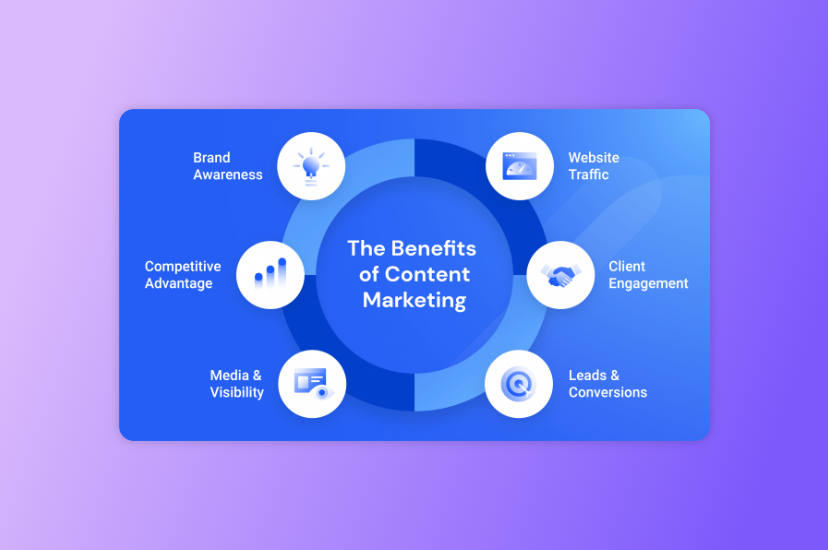
    As harbingers of content marketing, we’ve brought to light the ever-increasing demand for it in our blog, ‘The Demand For Content Marketing in India‘. In this blog, we take the final journey to prove the same with some hard, meaningful, and unforgettable content marketing stats.
    Content marketing stats for every marketer
    Source – Google

    Stats to Show Content Marketing Rules the Roost

    1. 78% of consumers prefer to know about a brand through blogs and articles than ads.
    2. 70% of consumers are interested in building a relationship with brands that own custom content.
    3. Online users spend 20% of their time consuming content.68% of online users spend time reading up on brands they adore or find interesting.
    4. Here’s another! 57% of online users read content marketing pieces at least once a month.
    5. 80% of business-people are convinced that email marketing increases customer retention.
    6. Facebook users leave an imprint of 5 billion comments on Facebook each month.
    7. Facebook Live is a rapidly progressing tool, with 50% increased broadcasts compared to last year.
    8. 85% of consumers consider online reviews on par with personal recommendations.
    9. Positive reviews influence 73% of the consumers positively.
    10. Reviews are the second most powerful ranking parameter for Google.
    11. Jumping from a 3-star to a 5-star rating delivers businesses 25% more clicks.
    12. Blogging helps generate 13x more positive ROI.
    13. 50% of potential business is lost when consumers can’t find the information they are searching for.
    14. Although content marketing costs 62% lesser than conventional marketing approaches, it accounts for three times more leads.
    15. More than 81% of marketers discovered increased traffic by investing 6 hours per week in their social media content marketing.
    16. A recent study shows that for medium and large-sized businesses, content marketing costs 41% lesser per lead than paid advertising.

    These facts not only suggest consumers love content, but they also prove how brands are sitting on goldmines when it comes to content marketing.

    Here are some thought-provoking content marketing stats for 2019 that will forever change the way you look at content and its marketing implications:

    Social Media Content User Stats

    1. The global digital population is 4 billion, of which 3.7 billion are active mobile internet users and 3 billion, social media users.
    2. The latest research suggests that 91% of B2B businesses leverage content marketing to reach their customers.
    3. Added to this, 86% of marketers consider content marketing their core strategy.

    Content ROI Stats

    1. 72% of marketers think content marketing not only increases the engagement number, but it also generates more leads!
    2. Latest Twitter reports are a testament to the efficacy of content marketing on social media platforms.
    3. According to Twitter, 66% of businesses have found new leads.
    4. 69% of consumers have made actual purchases because of a tweet.
    5. 94% of consumers plan to make future purchases.

    Email Marketing Stats

    1. There exist 8 billion email accounts in the world.
    2. Research suggests email marketing has the best ROI compared to all other forms of communication.
    3. 74 trillion emails are sent every year in the world.
    4. While social media accounts for a 1.9% conversion rate, email marketing brags a whopping 6.05%.
    5. While 3.8 billion people use email, only 3.4 billion use social media.
    6. Email campaigns result in an ROI of 4400%.
    7. 60% of consumers subscribe to a brand’s email list for promotional messages compared to 20% of consumers who follow a brand on social media for the same reason.
    8. 44% of consumers depend on their email for a deal from a brand they know, whereas only 4% go to Facebook.
    9. 60% of consumers confirm that they have made a purchase as the result of emails against 12.5% on social media.

    Those who think email marketing is dead – well, think again!

    Video Marketing Stats

    1. 48% of marketers are prioritising YouTube video marketing.
    2. 46% are considering Facebook videos.
    3. 40% of active internet users trust videos more than other content types.
    4. CMI’s content marketing statistics reveal 72% of B2B businesses and 76% of B2C businesses prefer videos for their marketing pursuits.
    5. Another research suggests video marketing fetches 66% more leads per year.
    6. Cisco predicts that videos will account for 82% of the entire internet traffic

    Mobile Content Marketing Stats

    1. By the end this year, 52.2% of internet searches were forecasted to be via mobile.
    2. Mobile email open rates have increased by 30% compared to last year. And the number is growing!
    3. 79% of social media engagement happens on mobile.
    4. Mobile email open rates have grown 30% from last year.
    5. Mobile devices are used for nearly 40% of online transactions.
    6. 91% of users claim mobile content is very important to them.
    7. 39% of companies create a mobile responsive email version.
    8. 57% of users confess they won’t recommend a business with a poor mobile site.
    9. 48% of buyers say that they start product search from their phones.
    10. Digital marketing software industry touched more than $32B in 2018.
    11. Marketers invest 51% of their budget into mobile content ads.

    Content Marketing Stats in India

    1. Social media has dipped a good 30% compared to the previous years, thereby foraying a new generation of marketing that will heavily rely on content.
    2. Over 30% of 150 brand marketers hailing from myriad sectors such as FMCG, real estate, pharmaceuticals, retail, and automobile have confirmed content marketing to be their key strategy in days ahead.
    3. According to experts, 65% of marketers find it a challenge to produce quality content. This has translated into an uncountable number of content marketing companies in India mushroom.
    4. India is the second-largest online market, with 462 million users.
    5. In the future, digital media spends will be 24% of the total industry ad spends.
    6. Indian marketers are contemplating a 97% team expansion.
    7. Indian marketers are making for a 74% budget increase.

    Social Media Platforms and What Their Numbers Say

    If you’re still wondering which social media platform to use to drive your marketing campaigns, take a look at platform-wise stats and what they say about each platform to make better business decisions.

    Facebook Report

    1. Millennials and GenX users are most likely to share content on Facebook.
    2. 75% of Facebook users spend more than 20 minutes a day on Facebook.
    3. Desktop Facebook users spend an average of 2.5 seconds on each content piece.
    4. Facebook generates 8 billion daily video content views.
    5. 91.3% of users follow their favourite brands on Facebook.
    6. 48% of B2B customers make purchase decisions based on Facebook.
    7. Desktop Facebook users spend on an average of 2.5 seconds on each content piece.
    8. 43% of B2B businesses have found an actual client through Facebook.
    9. 100 million video hours are consumed per day on Facebook.
    10. Facebook videos have over ten times more reach than YouTube videos.

    Instagram Report

    1. Instagram boasts 500 million daily active users.
    2. 68% of Instagram users engage with their favorite brands on a regularly.
    3. 75% of Instagram users take actions based on Instagram posts.
    4. Brand engagement on Instagram is ten times higher than on Facebook and 84 times higher than Twitter.
    5. Instagram users upload 95 million photos every day.
    6. On average, every Instagram post gets 1261 likes.
    7. Video posts have the biggest overall engagement rate (38% higher than image posts).
    8. 90% of the top 100 brands in the world have an Instagram account.
    9. 58% of brands have created an Instagram story.

    Twitter Report

    1. 53% of users report purchases of products they discovered on Twitter.
    2. 81% of consumers confess that Twitter impacts their purchase decisions more than TV.
    3. 34% of marketers generate successful business leads because of Twitter.
    4. 92% of businesses tweet more than once a day.
    5. Tweets with videos are six times more likely to be retweeted than tweets with only photos.
    6. Companies using Twitter witness a 19% lift in customer satisfaction.
    7. Advertising cost-per-engagement per year for Twitter has decreased by 14%.
    8. Promoted tweets can spike offline sales by up to 29%.
    9. 41% of Twitter users made purchases after being exposed to an ad in the last 30 days.

    LinkedIn Report

    1. LinkedIn boasts 106 million active users every month.
    2. Users choose to spend 17 minutes every day.
    3. Posts on LinkedIn that include a link garner 200% increase in engagement.
    4. LinkedIn feed content receives about 9 billion impressions per week.
    5. LinkedIn drives more than 50% of social traffic to B2B business sites and is thought to be the most credible content source.
    6. LinkedIn posts with photos increase the comment rate by 98%.

    Suggested Reading: 25+ Content Marketing Tools – Drive Growth For Your Business

    B2B Content Marketing Statistics You Should Know

    1. 89% of B2B businesses employ content marketing.
    2. Content marketing helps generate three times more leads than paid search.
    3. 92% of marketers consider content as a business asset.
    4. Only 37% of marketers have an actual content marketing strategy.

    Conclusion

    After years of experimenting with every known marketing tool, the buck has stopped with content marketing. So much so, content marketing is proving to be the last resort for brands that want to be heard. Today, brands can’t move a step without employing content marketing in their run of the mill.

    When GE, the world’s alleged superpower of every imaginable electronics, noticed a drop in their locomotive businesses, they didn’t turn to management gurus or market experts. Surprisingly, they looked to content marketing to breathe life back into their businesses.

    This bravado led to a delightful Instagram campaign that offered Instagram influencers the chance to tour GE’s manufacturing facilities and take pictures. The campaign brought the brand 8 million views, 3 million reach, and 3000 new followers.

    Source:

    socialpilot.co/blog/social-media-statistics

    lyfemarketing.com/blog/why-is-content-marketing-important/

    getgist.com/content-marketing-statistics/

    optinmonster.com/content-marketing-statistics/

    optinmonster.com/email-marketing-vs-social-media-performance-2016-2019-statistics/

    99firms.com/blog/mobile-marketing-statistics/

    scatter.co.in/content-marketing-statistics-2018/

  • Content Marketing In India – Is It Worth The Hype?

    Content Marketing In India – Is It Worth The Hype?

    “According to more than 57% of marketers, content marketing has taken over social media marketing as India’s most popular strategy.”

    Isn’t it a fascinating fact?

    With every passing year, marketers and businesses around the world are witnessing a significant shift in focus towards content marketing because it plays a crucial role in attracting prospective customers to any business.

    Content marketing in India has exploded, and every brand is trying to come up with a better tactic to outdo its competition. 

    Why Is Content Marketing Crucial?

    Content marketing is a very effective way to promote any business by curating engaging material and stimulating the interest of the public in favor of a particular product, service, or brand.

    The strategic planning of valuable content to target relevant customers is very helpful in gaining huge profits and multiplying the business growth manifold.

    Content marketing helps brands build better connections with their customers. It is primarily done to provide useful information to the target audience to eventually capture their interest and earn profits.

    Businesses have applied exclusively amazing content marketing tactics to build their reputation and form trust amongst the people.

    Rise of Content Marketing in India

    Over the years, the demand for content marketing in India has increased significantly. Today, even small-scale start-ups are making it a priority for more lead conversions.

    In India, the fanatical era of content marketing started around the year 2017. Earlier, Indian brands would target their audience through product or service marketing. However, with the increasing scope of content marketing, these businesses began sharing informational content with the audience to help them realize the need for that particular product or service.

    Consequently, the public soon started to feel a void in their lives, and the approach to selling the products became easier for Indian brands.

    Content marketing helped brands generate high revenues. Since then, Indian brands never looked back, and there was an insane demand for content marketing strategies in India.

    Today, the demand for content marketing is increasing manifold amongst start-ups because it is cheaper than traditional marketing and provides higher ROI.

    71% of the marketers have agreed that traffic from influencer marketing (one of the kinds of content marketing) is of higher quality as compared to other marketing sources.

    How Are Start-Ups Coming with Phenomenal Content Marketing Plans?

    Content marketing is a creative art, and if used effectively, it can help in building life-long relationships with clients, in spite of having tons of competitors and challenges.

    Start-ups in India are using fabulous content based marketing strategies to achieve their goals quickly, within a short period.

    Here are some of the best content marketing strategies prevailing in India:

    Educating People

    Start-ups are hunting for trending issues or hot topics and coming up with compelling ideas to educate people about those issues and make them feel the need for that product or service.

    For instance, Indian skincare brands have benefited from the current pollution statistics, and have continuously been educating their audience about the harmful effects of pollutants on the skin.

    This, in turn, is helping industries like charcoal and sandalwood industry to earn as people have started feeling the need for these miraculous ingredients in their lives.

    When people started ignoring the ever famous “Fair & Lovely,” the brand launched its Charcoal Face Wash and Pollution Clean Up Face Wash.

    It educated the audience about the power of activated charcoal and its benefits in pulling out the harmful pollutants deep inside the skin and scripted a huge comeback story.

    Consistent Pushing

    Start-ups have started building their authenticity as a brand by producing quality content consistently on their blogs.

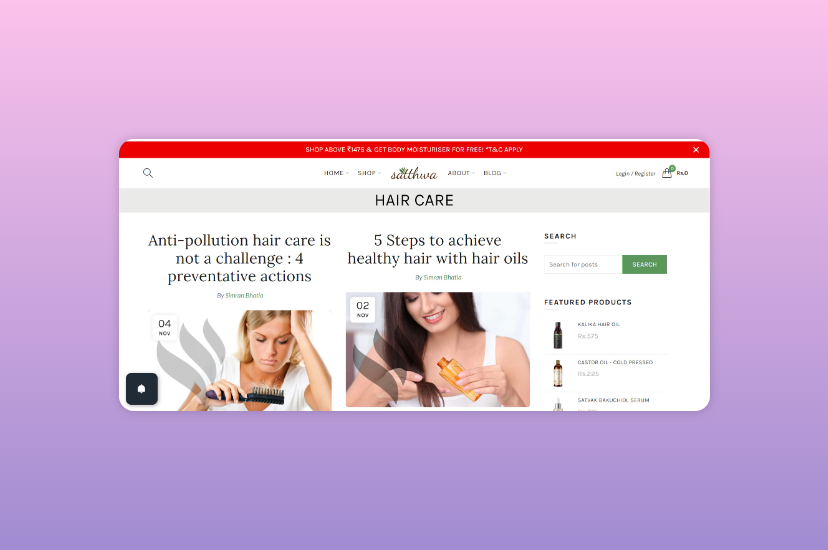
    For example, an Indian Hair Care brand called Satthwa published many informative blogs to educate the Indian audience about various hair problems and their solutions. The information helped people decide what they need to look for in their hair oils, masks, serums, etc.

    SatthwaWhen Satthwa launched its Good Night’s Blend Oil, it regularly posted content related to the impact of sound sleep on the personal as well as professional life of an individual. This, in turn, helped it to get several customers who felt the need for its product.

    Involvement of Influencers

    Many companies involve social media influencers to spread the word about them by either reviewing their product or by curating engaging content which tells the customers about them. Also, many of them do guest posting on other websites to target a similar audience.

    Several furniture start-ups spread the word about themselves amongst the audience, which likes to see DIYs or content related to home furnishing. Hence, Indian influencers are another critical content marketing tool for start-ups.

    As an example, KFC developed its reputation as one of the best global restaurant chain brands in India by targeting the young audience through Instagram influencers. Many bloggers and vloggers included KFC’s latest menu options and offer in their posts and vlogs. As a result, their Facebook page’s popularity grew from 6.2% to 93.8% and their sales substantially increased as well.

    Content Marketing Example

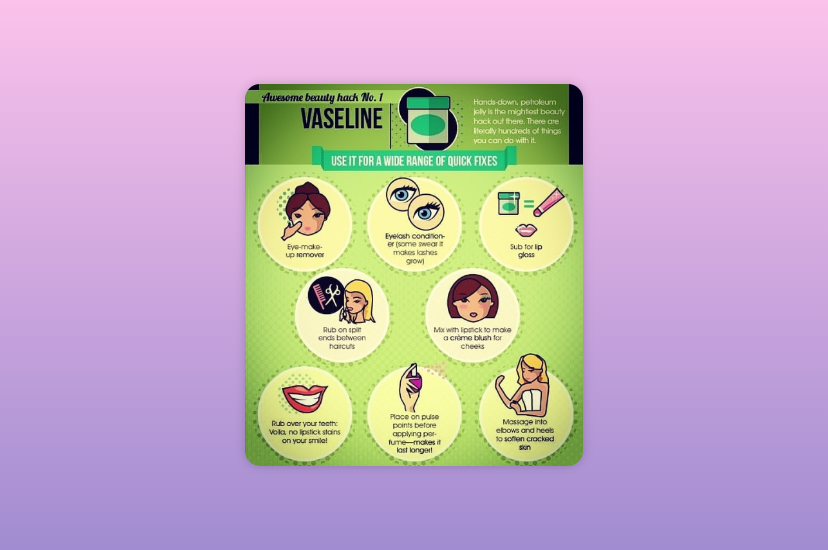
    Similarly, Vaseline increased awareness about the uses of their product and its needs by creating a “hacks” campaign on Instagram. During the campaign, influencers focused on sharing three to five Vaseline hacks they included in their daily routine. This created a perceptible engagement amongst their followers, and the sales increased visibly.

    What Does the Future of Content Marketing Look Like?

    As content marketing in India is growing remarkably, and the return on investment is totally worth it, there is no doubt that the future will be even better. Nowadays, businesses are growing rapidly by curating high-quality content in the form of blogs, case studies, website content, social media posts, newsletter, infographics, etc.

    However, the future has a lot more to witness. Let us have a look at the number of trends that are likely to dominate the upcoming content marketing era.

    Repurposing of long form text into different other forms

    The attention span of people has reduced drastically in the last few years. Also, people are more interested in looking at photos and videos rather than reading long blog posts and articles.

    Hence, the long form content, once published, can be easily re-purposed into various formats such as gifs, memes, videos, presentations, data visualization, and graphics.

    It’ll not only counter the decreasing attention span but also be helpful in marketing the long form of content across different channels.

    It is a matter of fact that people like video content better than text. Moreover, visual content helps convey the motive of the content way better. It quickly grabs the visitor’s attention, is easier and faster to process, and leads to better engagement.

    Hence, visual content will be a compelling content marketing strategy in the upcoming years. As a result, the audience will increase as people who don’t want to read will also engage with the content.

    Emerging Voice Assistants

    A paradigm shift has been noticed in Google search results and usage of the internet ever since various voice assistants like “Google,” “Siri,” “Cortana,” and “Alexa” emerged. Instead of typing their queries, people are asking Google to find a solution by giving voice instructions.

    As a result, the marketers will have to use keywords that are prominently spoken in natural language.

    For example, if you would want to know how to clean a stain from your favorite t-shirt instantly, you would type “cleaning t-shirt instantly.” On the other hand, with voice assistants, you would say, “how can I instantly remove a stain on my t-shirt?”.

    Therefore, with emerging voice assistants, the landscape of content marketing is likely to change a lot.

    Suggested Reading: 25+ Best WordPress SEO Checklist for 10x Traffic: Full Guidance

    Personalised storytelling

    Content addressing the general public gets much less engagement as compared to when it addresses “you” directly. People love reading content, which is written specifically for them.

    To bridge the gap between visitors and readers, it is crucial to give a personalized touch to the content.

    Also, people love to read stories. Hence, content marketers will have to inculcate storytelling into their pieces to grab the attention quickly. The attention span of the audience is reduced. Thus, visual stories will have a more significant impact.

    The Road Ahead

    Content marketing is regularly evolving and is yet to develop more to offer a better experience, generate more revenue, and build lifelong relationships.

    As content marketing is going to transform itself in the upcoming years, it will be a more significant challenge for marketers to make changes and take their start-ups forward, but it will be more opportunistic as well.

    Do numbers fascinate you? Will content marketing be as compelling in the future as it is now? If you have answered in affirmative to both these questions, do watch out for our next article in this series ‘101 Useful Content Marketing Stats’ which I’ll give you several numbers to ponder upon.

    One of the best ways to achieve your content marketing goals is also to outsource your content requirements to professional content writing services. They can save you a great deal of time and money while helping you achieve the best results. 

  • Content Targeting Tips: How Clever Content Is the Key – Wittypen

    Content Targeting Tips: How Clever Content Is the Key – Wittypen

    Content marketing is not a one-step process. In fact, it requires ample time and thorough research. The most crucial step, which should be the guiding light of your content creation process, is effectively targeting the content.

    It is imperative that your content grabs your target audience’s attention to prevent your competitors from overtaking you.

    Content targeting can be your biggest strength and is the key to marketing success. Unlike SEO, content targeting is more than just matching the keywords with a search query. Instead, it is about matching the content on your website with the search queries. It is a mix of organic SEO practices and paid inclusions to reach your market.

    Here Are a Few Important Content Targeting Tips That Will Increase Your Visibility

    1. Define Your Target Audience

    Before undertaking any form of writing, one of the most important content-targeting tips is to identify your target audience. ‘Who do you want to reach?’ is a question you have to ask yourself.

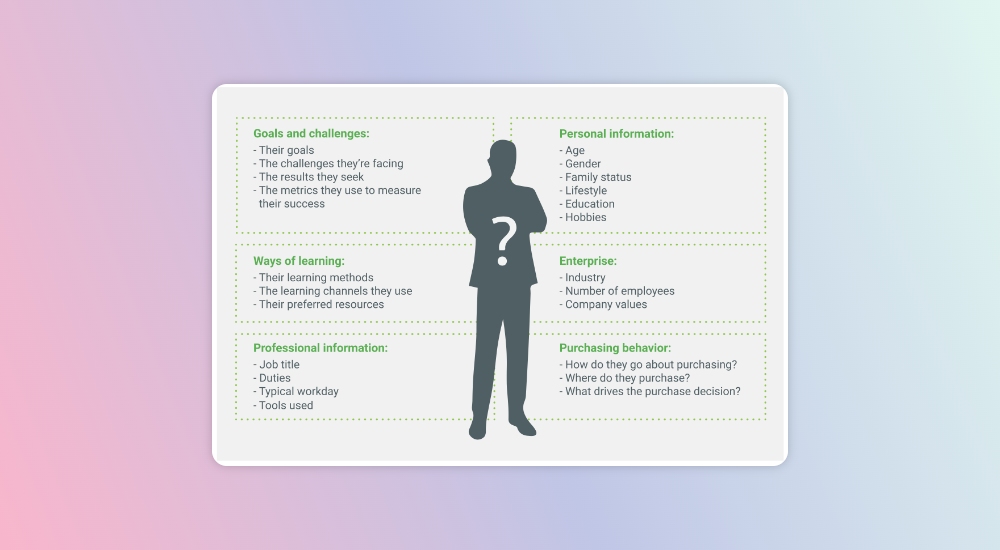
    Define your target audience
    Source – Google

    Following this, you have to bifurcate your target audience under different criteria, such as age, gender, financial status, likes, dislikes, etc. The most important question here is to ask yourself if your service or value proposition is relevant to the identified target audience.

    For example, Netflix will not target a middle-aged housewife who regularly views regional daily soaps as their content does not cater to her needs. It will look out for content targeting google ads because its target audience is active users of the search engine and surf the internet for films and web series.

    An easier way to thoroughly understand your target audience is to create customer or audience profiles. Here, you reproduce the personality and behavior of your audience.

    For example, a viewer profile for Netflix would be along the following lines – Rohan is a working professional residing in Delhi. He works at an advertising agency and enjoys traveling or taking short trips over the weekend. He earns enough to support himself regardless of the fact that his overindulgence in fine dining sets his savings back.

    You can also take a free ‘Who is my target audience quiz’ online to aid you in target marketing.

    2. Conduct Online Research

    In this era of digital marketing, it is important to know how to find your target audience online. Knowing where to find your audience is one of the best content-targeting tips you can implement.

    While there are numerous software solutions and agencies that charge a premium to identify your target audience, social media and digitization have made it possible to connect with your target audience for free.

    Facebook Analytics, LinkedIn Insights, Instagram Insights, and Google Analytics are some of the free content analysis tools you can use to get real-time insights about your target market. You can conduct online surveys using services like Google Forms or SurveyMonkey, which also tabulate the results for you.

    Apart from these, short dipstick surveys can be conducted on Instagram, Twitter, and Facebook using their poll features. Following hashtags which are relevant to your service help you with qualitative and in-depth research about your target audience.

    Moreover, these hashtags are key to formulating long-tail and short-tail keywords for your content marketing strategy. For example, if Zomato wishes to understand its target audience’s outdoor dining behavior, it will be easier to follow hashtags such as mumbaifoodies, foodlovers, weekendvibes, etc., and using a location tag along with it to gain a better understanding of people’s activities.

    3. Determine Your Voice And Tone

    Speaking with your target audience in a voice that seems familiar is one of the most important content-targeting tips for all marketers. Your audience should be able to relate to you and identify with you. Personalizing your content is always helpful as the brand doesn’t seem aloof and detached.

    However, using a friendly or formal tone depends completely on the type of product or service offered and your brand personality as a whole. People expect a serious and formal yet understandable tone when reading or watching a sensitive piece of information. But on a general basis, a light and friendly tone of communication is preferred by most.

    In short, your content targeting depends partially on your target audience’s persona and your brand personality. Regardless of your preferred tone and voice, it should be consistent throughout your content marketing campaign.

    4. How to Identify A Target Audience in Writing?

    Before asking the question, ‘how to identify a target audience in writing?’, ensure that your target audience is inclined towards reading. Today, visual and innovative content is directed toward the younger strata of the population due to its effectiveness and transparency. Your survey and analytics results will help you understand this in greater detail.

    Once you are sure that your target audience is interested in reading, you have to classify whether they prefer graphic listicles, informative white papers, technical blogs, or narrative pieces.

    In fact, one of the top SEO tips for 2023 is to write content dedicated purely to a section of your target audience, so everyone gains distinct value from your website.

    5. Brainstorm Your Content

    One of the most crucial contents targeting tips is to create novel and engaging content. Viewers actively seek new and interesting content. And therefore, imitating your competitors is a bad idea.

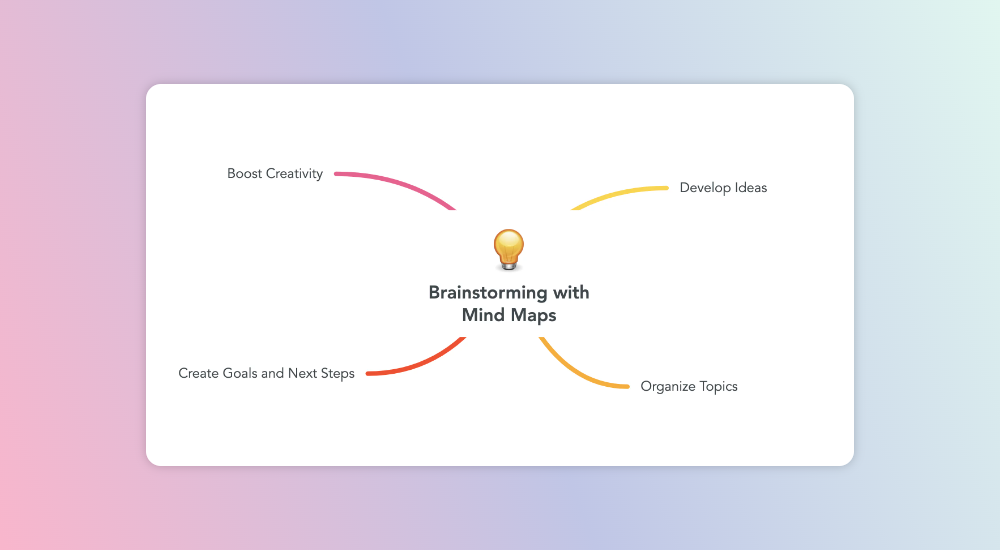
    Brainstorming content ideas
    Source – Google

    Brainstorming sessions are an ideal way of coming up with new content ideas. The brainstorming process should be guided by factors like the purpose of your content, media platforms, and desired response.

    Content targeting examples that can arise out of a collective brainstorming session could be coming up with an interesting quiz instead of a blog to inform the target audience about good dietary habits by a packaged food brand. Moreover, interactive content is preferred by 88% of viewers, as opposed to static content.

    6. Use Google Adwords

    Google is the most widely used search engine, and Google AdWords reaches 90% of global internet users. Content targeting AdWords is an effective way to generate leads and gain visibility for newer businesses as organic SEO builds over a period of time.

    Whenever a user enters a search query, a number of results appear on the search engine results page. At the top of the page, there are at least 2-3 websites that appear with a green box, signifying that they are ads. Users are likely to click on these owing to their higher rank.

    Google AdWords asks you to bid for certain keywords, and the highest bidders with relevant content are placed at the top. It makes content targeting easier as it allows the marketer to focus on a certain location. Apart from simple search ads, it also allows you to run specialized campaigns such as dynamic ads, mobile app promotions, video promotions, etc.

    7. Evaluation

    Measuring and monitoring the results of your content targeting campaign against the results and leads generated is an important content targeting tip.

    It helps you understand if you should invest more in paid promotions or revise your SEO strategy. You should always ask your audience for feedback and actively assess it based on the channels of communication used.

    Also Read: 25+ Content Marketing Tools – Drive Growth For Your Business

    In Conclusion

    By integrating these content targeting tips you can not only enhance the effectiveness of your content but give it a proper flow, making it easy to understand. Moreover, this makes it easier to identify the gaps in your strategy and work on them to increase business and achieve marketing success.

  • 6 Content Marketing Trends That Will Continue In The Future

    6 Content Marketing Trends That Will Continue In The Future

    2020 has been a year of significant change in the world of content marketing. Unlike every other year, 2020 brought us a global crisis that changed the way marketers approached content. With an unexpected financial strain across sectors, brands and organisations have had to look beyond their traditional audiences and broaden their reach. With the end of the year around the corner, we’ve decided to review what 2020 has offered content marketers, but more importantly, what the key content marketing trends for the upcoming years are. 

    Content Marketing in 2020 – An Overview

    With more and more organisations moving online this year, along with the inevitably longer hours being spent in this space, 2020 presented content marketers with an audience that was now much easier to penetrate. Due to various COVID-related restrictions, people all across the world were confined to their homes for the longest time. Unable to step out, the luxuries of daily life became all the more appealing, thus making the job of marketers easier. 

    In terms of actionable trends, however, 2020 continued to build on various aspects. Long-form content, for example, saw immense popularity across industries as marketers aimed to provide their audiences with comprehensive and engaging content, thus bringing them a step closer to a final purchase.

    Additionally, the increasing use of voice search further ushered in the need for content that’s tailored for the audience, rather than for search engines themselves. Furthermore, the content was tailored to be more visually appealing and readable, ensuring that readers get the information they need through crisp snippets, rather than through unusually long paragraphs. 

    Looking ahead, content marketing is poised to see further growth across the aforementioned aspects, apart from several others. So let’s dive right into it and find out the top content marketing trends. 

    Top Content Marketing Trends That Will Create An Impact

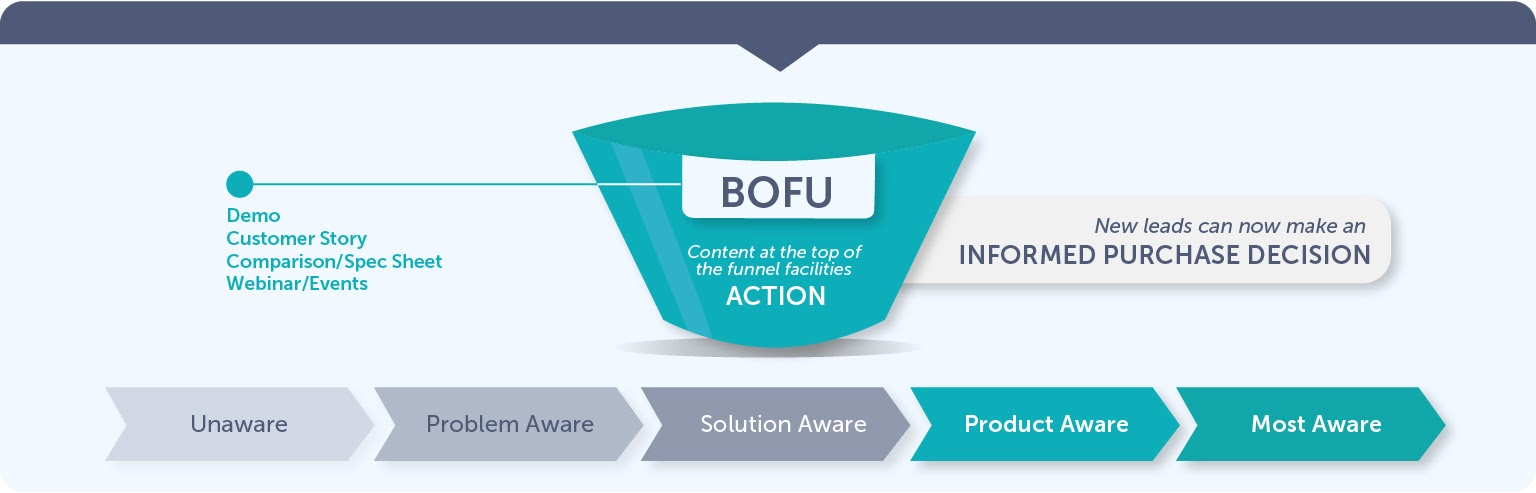
    1. Greater Focus on BoFu Content

    BoFu content

    The pandemic has led to brands and organisations moving all their operations online, including sales. The accompanying uncertainty of these times means that brands will increasingly focus on creating content that generates leads or sales, or in other words, moves them further down the sales funnel. This is the end game, after all, and is what all content eventually leads to. 

    Your buyer has done their research and is weighing their options at this stage. What they need from you as a marketer is that final push leading up to a purchase. Your content needs to be convincing enough to make them take this step.

    2. High-Quality SEO, Based on User Intent

    Seo for content marketing

    SEO has always been a content marketing essential. However, what 2020 changed was the need for more high-quality SEO, and this is only going to be true in the coming years. More importantly, all SEO efforts will have to cater to user intent if they’re expected to yield results. This will involve researching the most effective keywords, and also drilling down on long-tail keywords as part of a comprehensive effort to fill in a content gap in your niche. 

    This further goes hand in hand with another aspect that will influence content marketing efforts – the increasing use of voice search. Statistics predicted that by the end of 2020, almost 50% of all searches will be voice-based. What’s more, is that its convenience is only going to ensure its continued growth. It’s thus crucial that marketers create content and use keywords that cater to patterns emerging from this trend. 

    3. Building Content Communities 

    One of the biggest changes that 2020 has brought to the world of content marketing is the formation of content communities. With the sudden challenges brought on by the pandemic, building communities was seen as a surefooted method of increasing a brand’s reach. The benefits of these communities are varied, from engaging writers and their audiences with your brand to increasing contributions and word-of-mouth marketing. 

    Fostering a sense of community among your audience is one of the best ways to keep building on your brand’s engagement, along with doing wonders for your brand’s awareness across various channels. 

    4. Building Content Hubs to Generate Trust and Brand Awareness

    With the extent of competition in the market across sectors, it’s essential that a brand builds on its awareness and generate trust in its audience.

    Every company needs to be a media company they say, it is perhaps the most effective way to build customer loyalty and trust in your brand. It’s also a great way to build content ‘hubs’ that continuously educate audiences and further build their trust in you. 

    Recently, Cipla, a pharmaceutical company, created a content hub to educate people about Asthma and Inhalers. Iconic brands are created with consistent efforts to build trust and help customers. And with Breathefree, Cipla is leading from the front.

    Doing so requires consistency. Your brand’s messaging must be consistent across channels, and it must continue to educate its audiences with their best interests in mind. Remember, content is no longer created for search engines, but for the audiences themselves.

    Ask yourself what it would take for you as a customer to attach yourself to a brand, such that your continue to purchase their offerings without much thought, and then work on implementing a similar strategy for your brand. After all, wouldn’t it feel like a victory if your audiences recognized themselves as your loyalist? The boost that such trust could give your brand is tremendous. 

    5. Target Google’s Featured Snippets

    Over the years, Google has continuously tweaked its algorithm with the aim of providing users with the exact information they search for. This is often presented to them in what’s known as a featured snippet. However, to have a part of your content featured on top of Google’s web page requires creating content that’s targeted to the user’s intent, clearly answering the question they’re asking. 

    These featured snippets can be in the form of how-to lists, summary paragraphs, or even tables. Regardless, your goal must be to create content that’s crisp, clear, and structured as logically as possible for it to stand a chance to be featured. 

    Suggested Reading: 25+ Content Marketing Tools – Drive Growth For Your Business

    6. User-Generated Content

    There’s no way you can go wrong with this. Using user-generated content is perhaps among the best content marketing tricks for building your brand’s awareness and generating further trust in it.

    UGC leads to network effects and reaches scale without doing significant effort. If you are a B2C brand, moving towards UGC could be a smart way to reach scale and grow your organic traffic.

    And if you are a B2B company, take some inspiration from how Cisco got content generated by their employees for their campaign “We are Cisco”.

    Final Thoughts

    The coming years are going to be the years in which one gets the opportunity to hone the changes made to their content marketing strategies post the pandemic. And those who do this best will see the success they aim to achieve. At the core of a brand’s content marketing efforts is a keen understanding of your buyer persona to thus create content that helps drive them further down the marketing funnel. We hope this piece on the top content marketing trends answers the ‘how’ of this mission! 

    If you are searching for the best content writing services which can benefit your business and improve the overall performance of your content then you should definitely look for the best content marketing services.

  • How to Place Your Content Requirements Before Hiring Freelance Content Writers  to Reduce Revisions

    How to Place Your Content Requirements Before Hiring Freelance Content Writers to Reduce Revisions

    With the rise of freelance writers who advertise their services online, business owners these days are spoiled for choice. Hiring someone to write (or perform any task) has never been simpler.

    However, the convenience felt when hiring freelance content writers comes at a cost. Ordering content is easy, but how often are we really satisfied with the delivery?

    Some things get lost in translation. Writers may not understand what is expected of them and this leads to you ending up with a piece that does not meet your content requirements.

    Of course, there’s nothing like sitting someone down and explaining exactly what you need to them point-by-point. But since most freelancers work remotely, face-to-face interactions (although ideal) are not always possible.

    Working with freelancers is an entirely different ballgame than working with your regular, full-time employee.

    Don’t fret, though. This article will walk you through ways by which you can ensure that the content you receive portrays your vision to the fullest and will reduce the confusion, explanations and rewriting that comes with working with freelancers.

    This includes on boarding tips that can be applied to the process of hiring freelance content writers so that the overall process runs smoothly.

    Here are some things you can do on your part so you can get the best of freelance content writing (or at the very least, get much better first drafts).

    How to Get the Best Results When Hiring Freelance Content Writers

    1. Specify Your Content Requirements

    While hiring freelance content writers, it is important to mention whether the content is for a blog, social media platform, a company website or an e-commerce website (as a product description). This will determine the length of the article and the type of language it will contain.

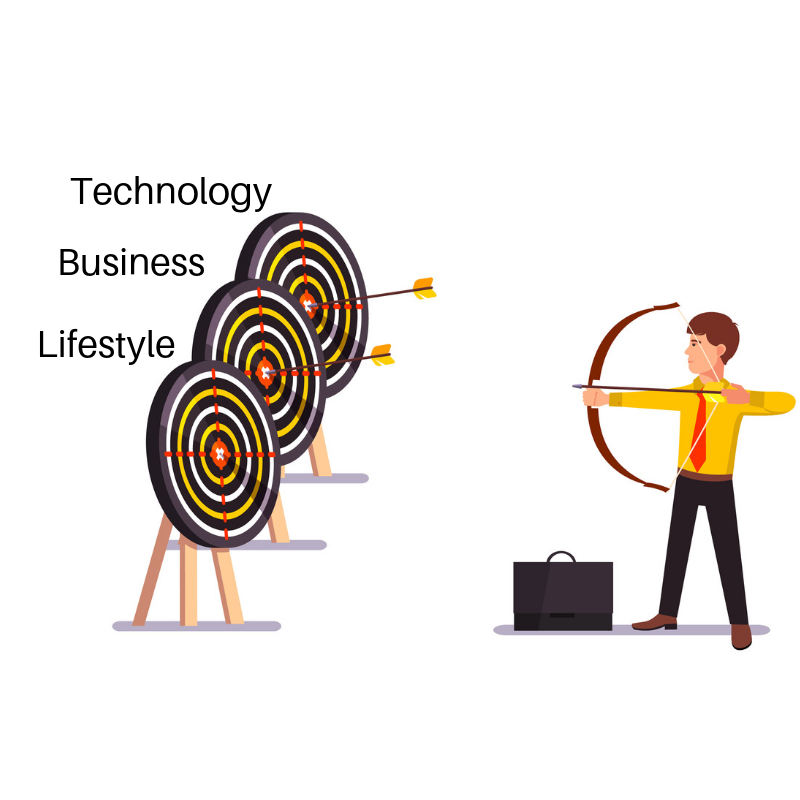
    For e.g.: A company website article will tend to be lengthy, formal, and detailed. However, a social media post will be brief, informal, and contain attention-grabbing slang, buzzwords, or SEO language. Broadly classify the content you need into genres or topics, e.g. entertainment, food & beverage, lifestyle, business, software & technology, etc. Adding these domains will let writers know whether they are suited to the task or not. You will be more likely to receive candidates who have more knowledge about the subject and the genre of writing.

    Hiring freelance content writers

    As for you, by looking at writing samples and areas of specialisation and interest listed by the candidates, you will know if the person is right for the task at hand.

    2. Brand Guidelines and Other Details

    Don’t hesitate to go into great detail while describing content requirements and brand guidelines. After all, you deserve to get your money’s worth! At the same time, make sure you don’t go off on a tangent.

    Ensure that all relevant points are covered and that what you mention can be used by the writers to build on the piece.

    E.g. If the task is to write for the ‘About’ page of a company website, you would need to provide details such as the services offered by the company, names and backgrounds of founders, objectives of the organization, etc.

    Company details when hiring freelance content writers

    Remember, freelance writers don’t know your ideas the way you do. You may know your website, services, and products like the back of your hand but the writers you hire are completely new to these things. So, be sure to provide them with enough information and proper brand guidelines to work with and avoid any ambiguity. Ensure your requirements are put down in a way that will not elicit a large number of doubts and follow-up questions. They should be straightforward and not open to subjective interpretations to make the overall process of hiring freelance content writers easier.

    3. Provide Examples

    When freelancers join a particular project, it is important to give them a feel of the content that has proved to be successful in the past and set them on the right track to creating more such content. Rather than arbitrarily coming up with a framework (which is not advisable because it’s always possible that you realise that certain points should be added or deleted), a better way to do this is provide sample articles for the freelancers to go through.

    These could either be work that writers have done for you in the past that you feel are suitable prototypes or articles on other websites whose writing style you would want them to emulate and derive inspiration from. Provide them with inputs on how they can use these pieces for inspiration and suggestions about new material they could add.

    After taking all of these measures to put forth your requirements, an additional measure that can be taken is asking for a writing sample on a topic relevant to the project undertaken by you. This will tell you if the candidate is able to meet your needs and is covering the topic and its aspects in a manner that is up to your expectations and does justice to the subject.

    After reading all of this, your views on the world of freelance writers must have changed quite a bit. Who knew that something that on the surface seemed so easy, convenient, and straightforward could be so time-consuming?

    Then there’s the question of payments. Since they’re freelancers, they’re not exactly on your usual payroll. Their payments are according to specific tasks and projects and need to be kept track of separately. How much does one pay freelancers anyway?

    When you hire freelancers, it creates a whole new list of things that you suddenly need to micro-manage.

    You’re probably thinking, how’s this any less time-consuming than managing one of your full-time team members?

    And the truth is, it’s not. Unless you’ve got help, that is.

    WittyPen makes sure you can enjoy all the benefits of hiring freelancers without having to worry about the hassles of on boarding them, providing brand guidelines,and tracking progress.

    Our platform allows freelancers to register as writers and submit sample articles in domains of their choice. We select them on the basis of their writer applications and then assign them tasks and projects according to how competent we deem them to be to write about various subjects.

    Once tasks are assigned, the full information (as provided by business owners) is conveyed to the writers by the WittyPen team members. We track progress by setting deadlines and allowing writers to save drafts where we keep a record of the word count achieved for a particular task.

    We also help with SEO management and run plagiarism checks on each piece written.

    Apart from that, we strive to pay safely and in a timely manner.

    Payments are released to writers every week and are only done once the sample is approved, ensuring that you are fully satisfied with what you have received. We provide 2 revisions per content piece in case we missed something or you want any changes made. Your complete satisfaction with the content is of utmost importance to us.

    As a platform, we bring order to the chaos that is inevitable when you hire freelancers and strive to make it the best possible experience for both freelancers as well as business-owners.

    Seems too good to be true, doesn’t it?

    It’s a win-win situation. We act as the buffer between freelancers and business-owners, with both parties having a number of benefits.

    We ensure maximum benefits for both freelancers, as well as business-owners. The writers are constantly given work and it is ensured that you get the best content available for your brand from writers who are best suited to your needs.

    Ordering content has never been easier. We ensure that all deadlines are abided by and that your content reaches you within 5 business days.

    Sounds good? It functions even better.

    Sign up on WittyPen and say hello to best-quality content.